


Primary sourceSculpture1780
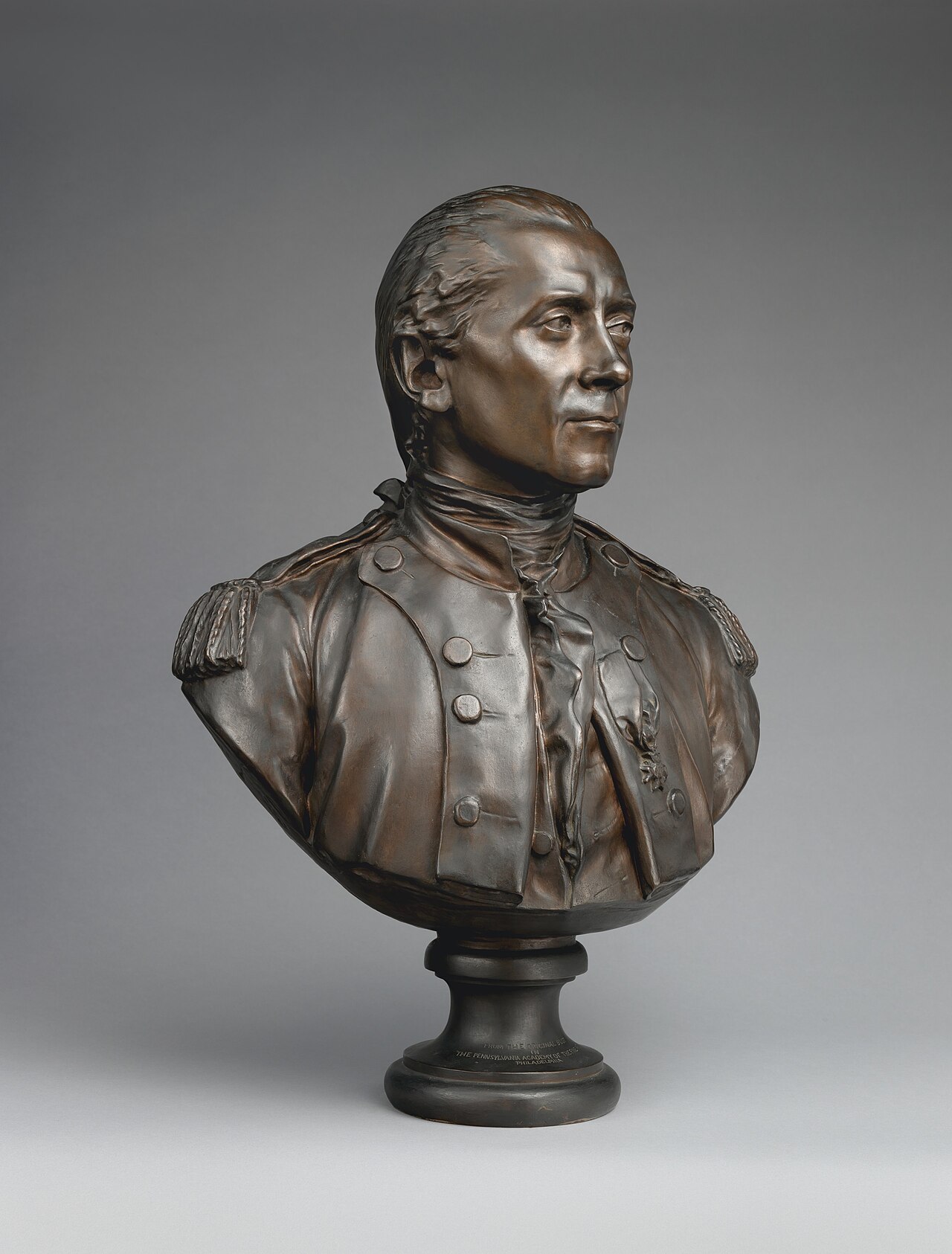
Bust of John Paul Jones
Jean-Antoine Houdon · 1780
A bronze bust of John Paul Jones modelled from life in Paris by sculptor Jean-Antoine Houdon, later used to identify his remains.
Houdon modelled this bust of Jones from life in Paris, and it later helped identify his remains.
About this source
What it is
This bronze bust was made by the French sculptor Jean-Antoine Houdon in 1780, after Jones's famous naval battle at Flamborough Head. It is held at the Pennsylvania Academy of the Fine Arts, with other versions at the United States Naval Academy.
Why it matters
Because Houdon sculpted Jones from life, the bust is considered the most accurate likeness of him. More than a century later, in 1905, his face was compared to this sculpture to help confirm the identity of his remains, showing how artworks can serve as historical evidence long after they are made.
Look closer
- What details in the sculpture make it feel realistic rather than idealized?
- Why would a sculpture, rather than a written description, be used to identify someone's remains?
- What might a bust leave out that a painting or photograph could capture?
This sculpture is part of the curated material that grounds the AI version of John Paul Jones on Humy.ai — when students ask about related events, the AI can quote it and cite it.
More John Paul Jones sources
Meet the AI John Paul Jones →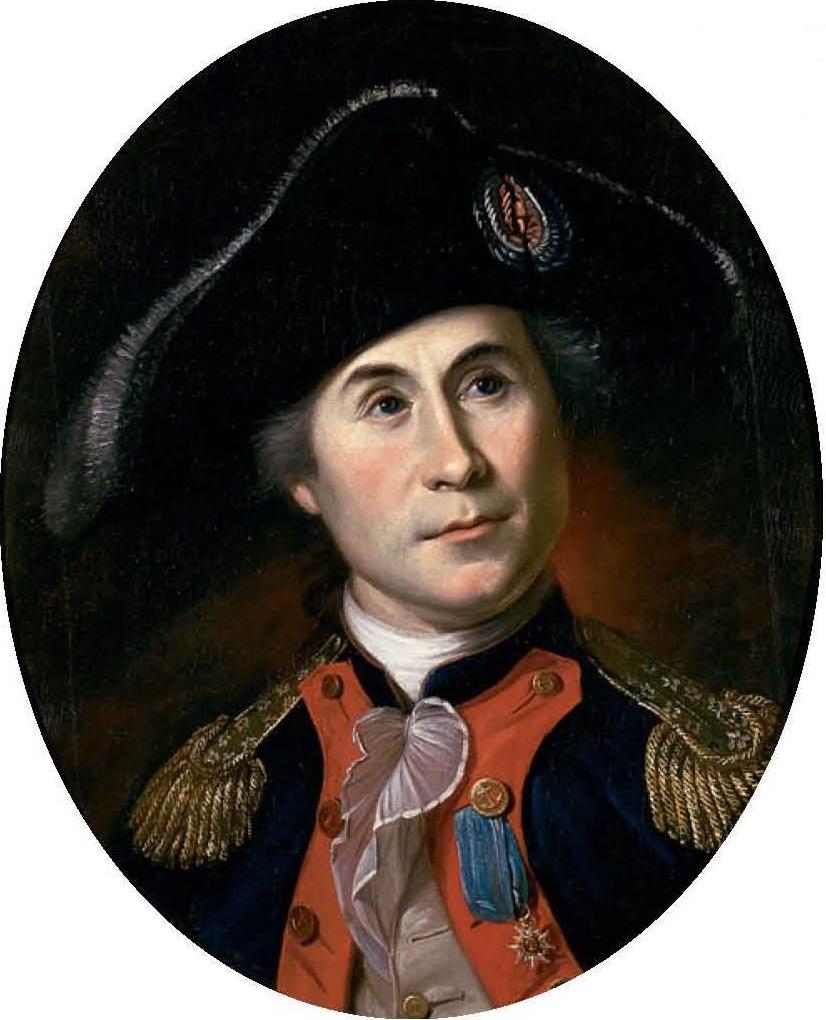 Painting
Primary source
Portrait of John Paul Jones
Charles Willson Peale · c. 1781
 Painting
Primary source
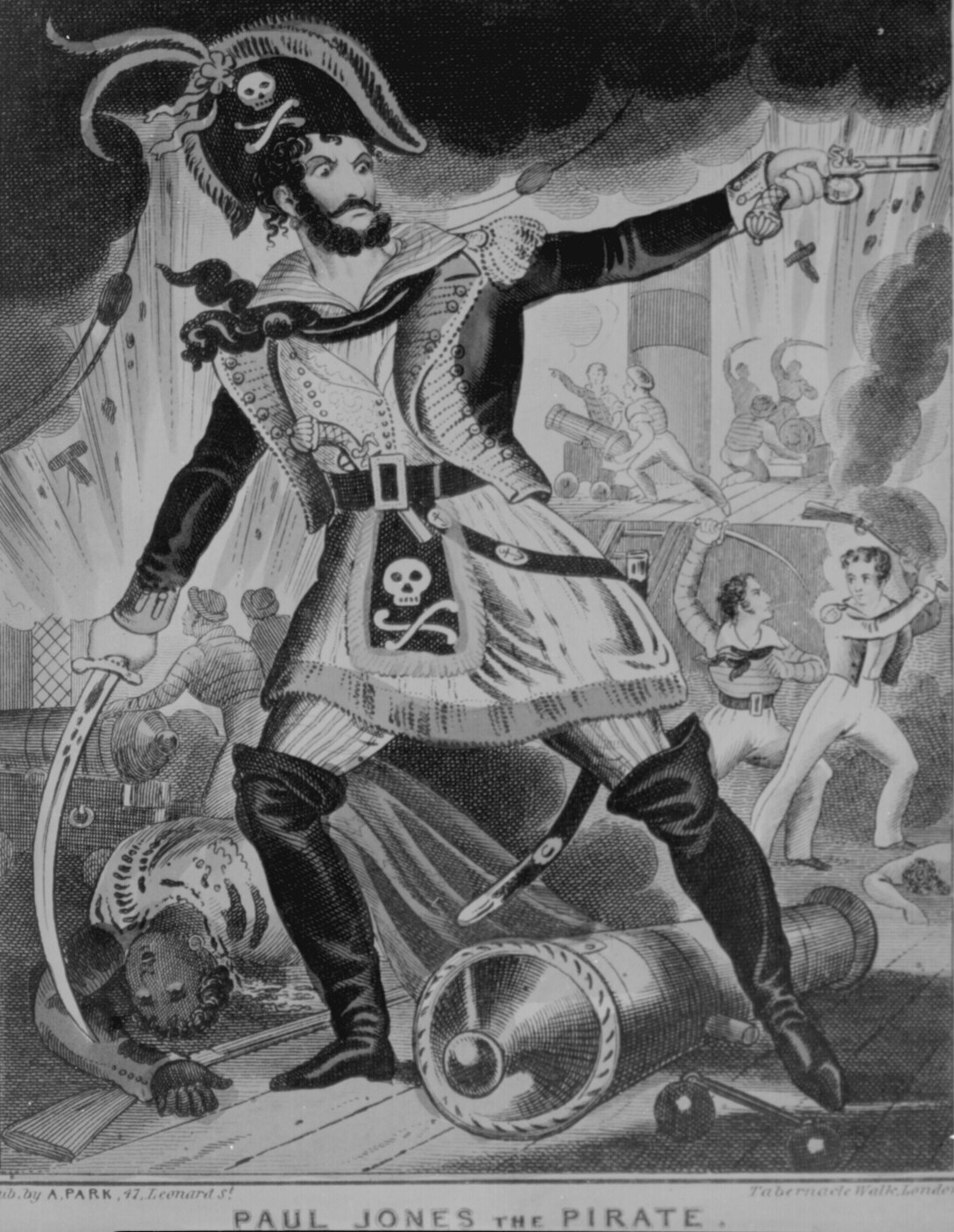
Paul Jones the Pirate
A. Park of London
 Document
Primary source
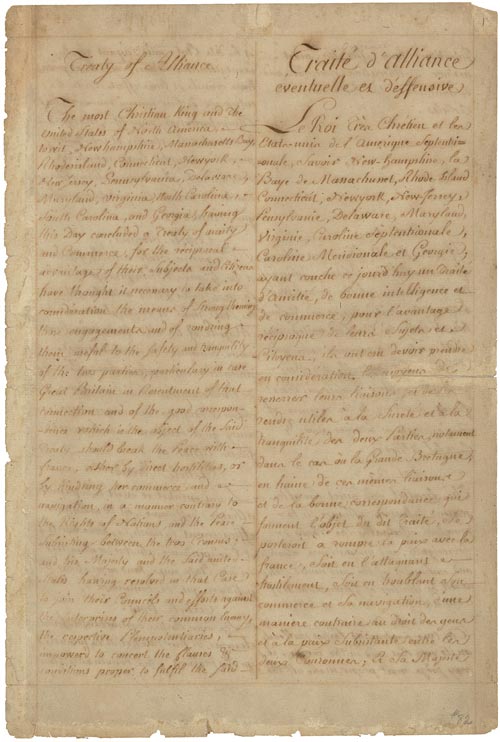
Treaty of Alliance with France
6 February 1778
 Artifact
Primary source
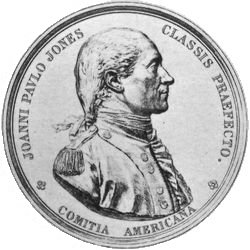
John Paul Jones Congressional Gold Medal
Augustin Dupré · 1787
 Painting
Primary source
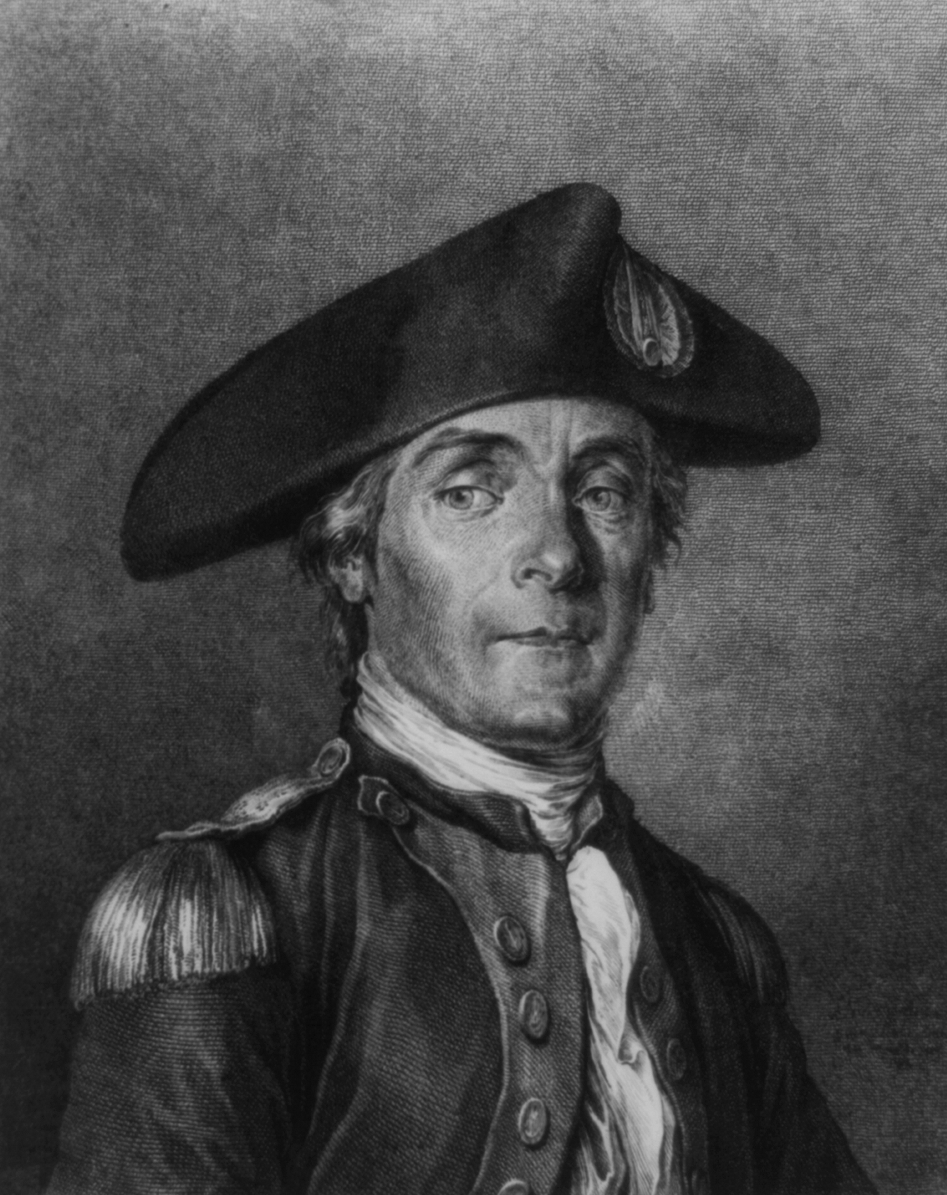
John Paul Jones by Moreau le Jeune
Jean-Michel Moreau (Moreau le Jeune) · 1780-1781
Ready when you are
Start chatting with John Paul Jones now.
20 messages free · No credit card · Available in 50+ languages.