


Secondary sourceSculptureRoman copy of a Greek original of c. 430 BC
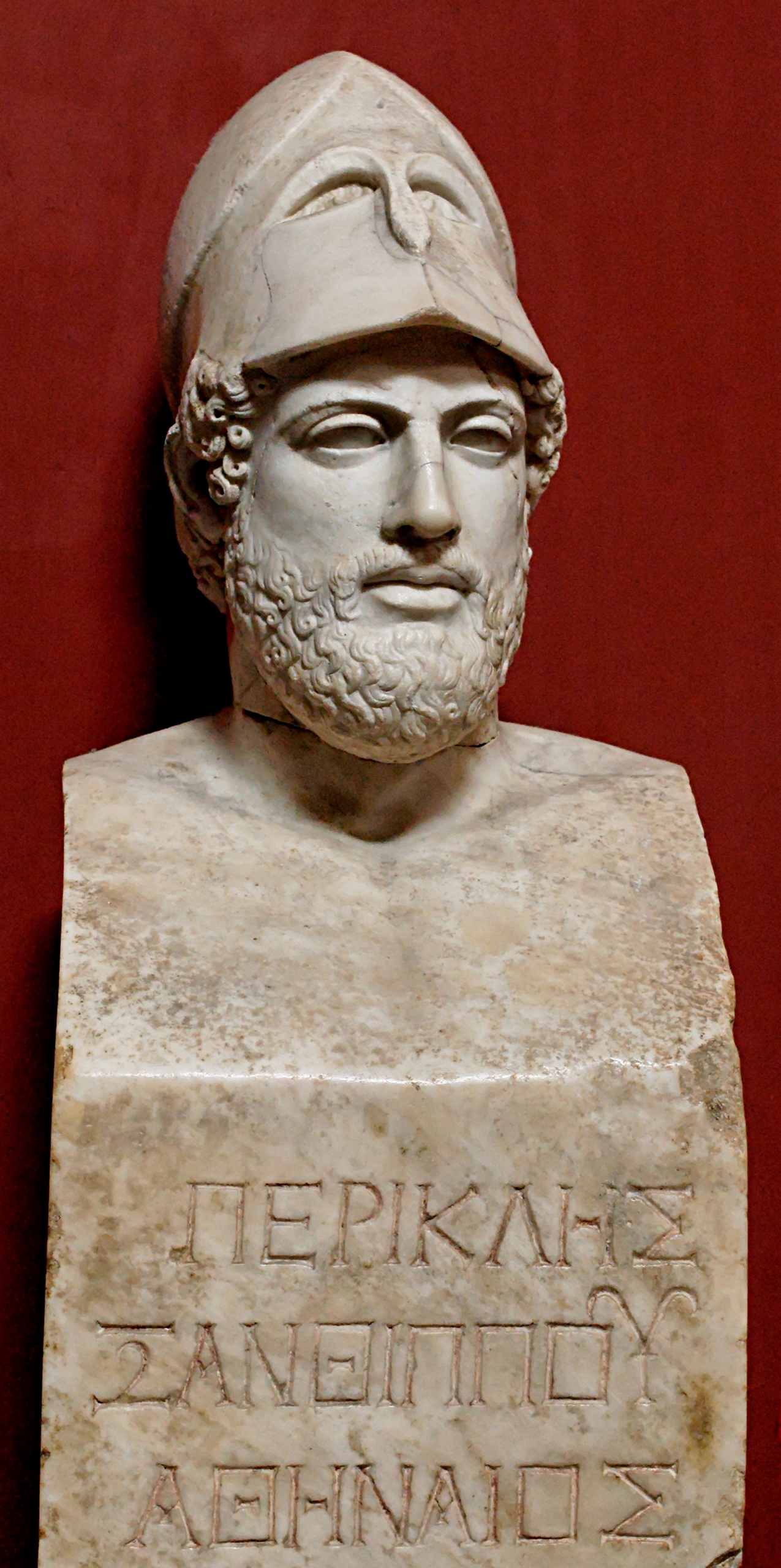
Bust of Pericles in the Pio-Clementino Museum
Roman copy of a Greek original of c. 430 BC
A Roman marble herm inscribed with Pericles' name, which helps confirm what his standard portrait type looked like.
The inscription naming Pericles on this herm securely identifies his standard portrait type.
About this source
What it is
This marble bust, held in the Pio-Clementino Museum at the Vatican, is a Roman copy of a Greek original from around 430 BC. It shows a bearded man wearing a helmet, and is inscribed with the words "Pericles, son of Xanthippus, Athenian."
Why it matters
Because the inscription names Pericles directly, this bust is especially valuable to historians: it confirms which portrait type represents him, helping to identify other similar busts, such as the one in the British Museum, as images of the same man.
Look closer
- Why does an inscription naming the sitter make this bust more reliable evidence than an unlabelled one?
- What does the choice to show Pericles helmeted tell us about how he wanted to be remembered?
- This is a Roman copy of a Greek original — what might be lost or changed in copying?
This sculpture is part of the curated material that grounds the AI version of Pericles on Humy.ai — when students ask about related events, the AI can quote it and cite it.
More Pericles sources
Meet the AI Pericles →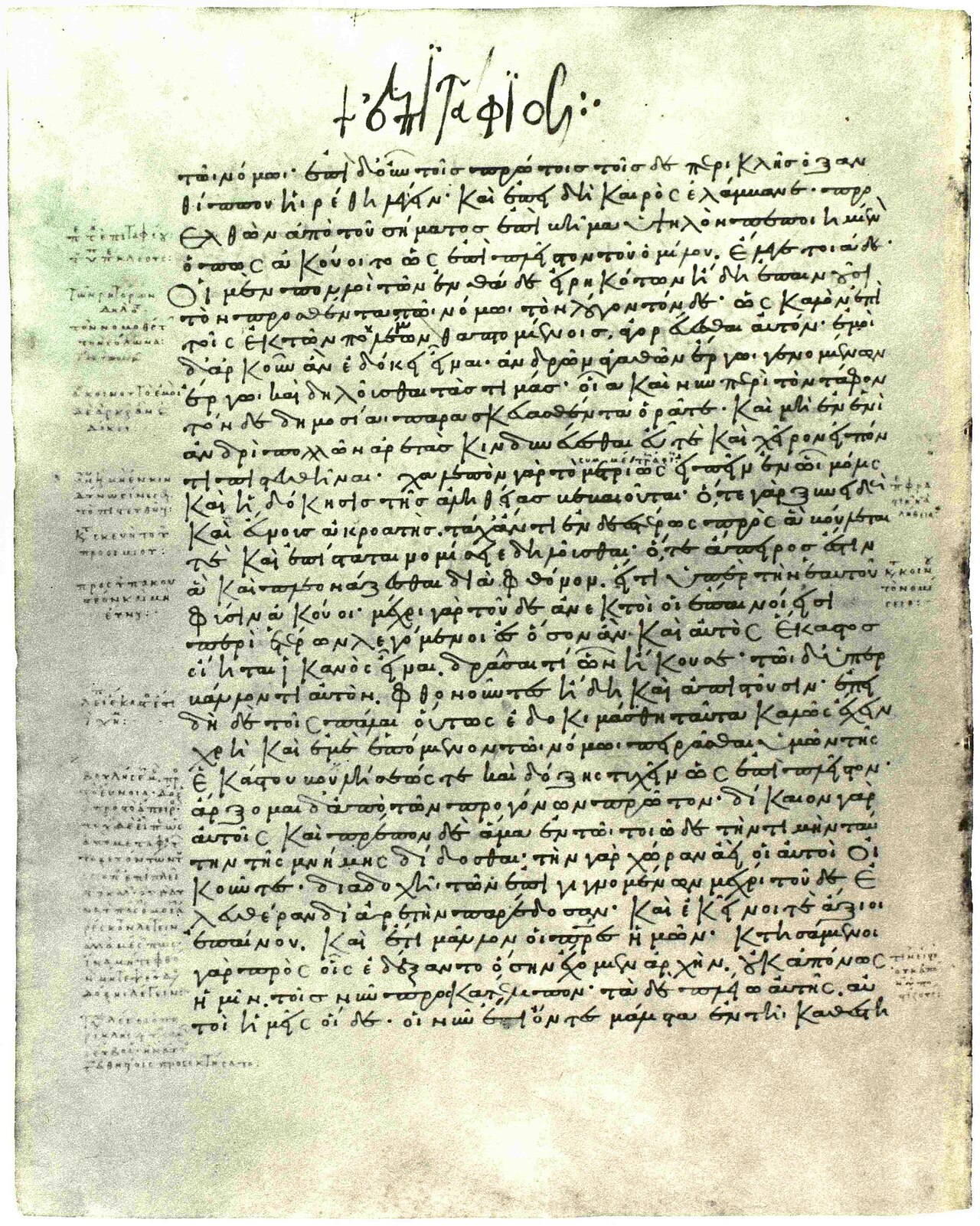 Speech
Secondary source
Pericles' Funeral Oration
Thucydides · 431/430 BCE
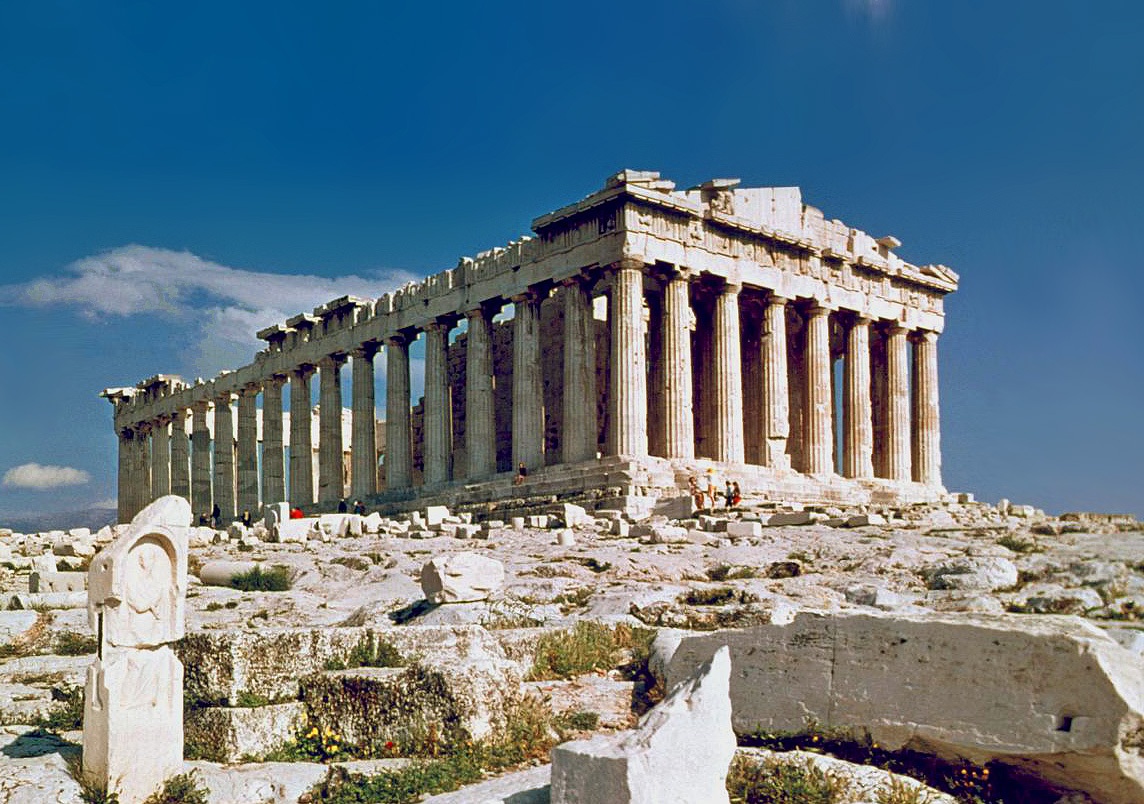 Artifact
Primary source
Parthenon
447-432 BCE
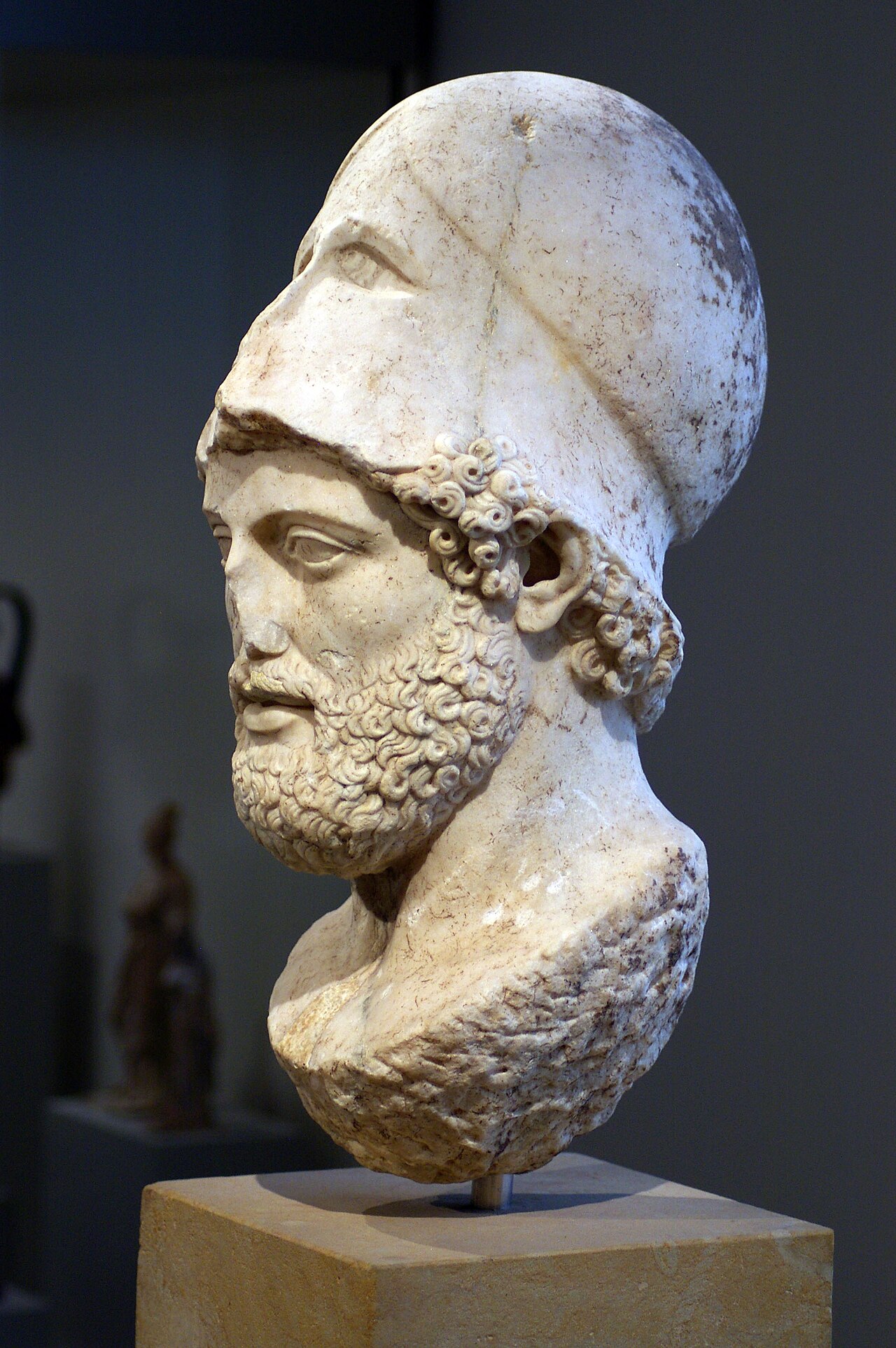 Sculpture
Secondary source
Pericles with the Corinthian Helmet
Kresilas · Roman copy, from a Greek original near Pericles' lifetime
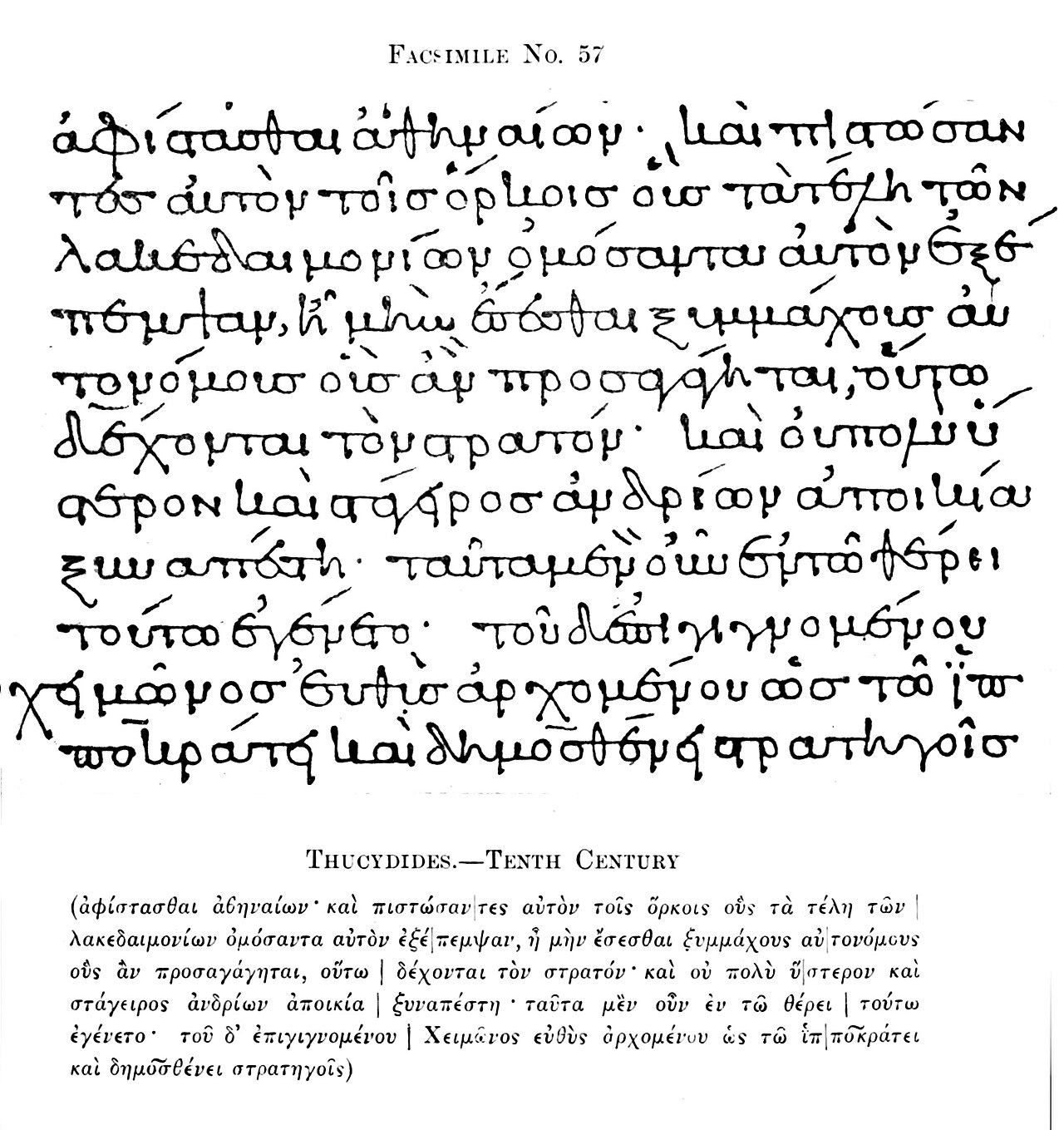 Book
Primary source
History of the Peloponnesian War
Thucydides · 5th century BCE
Secondary source
Life of Pericles
Plutarch
Ready when you are
Start chatting with Pericles now.
20 messages free · No credit card · Available in 50+ languages.