


Primary sourceSculpture1791
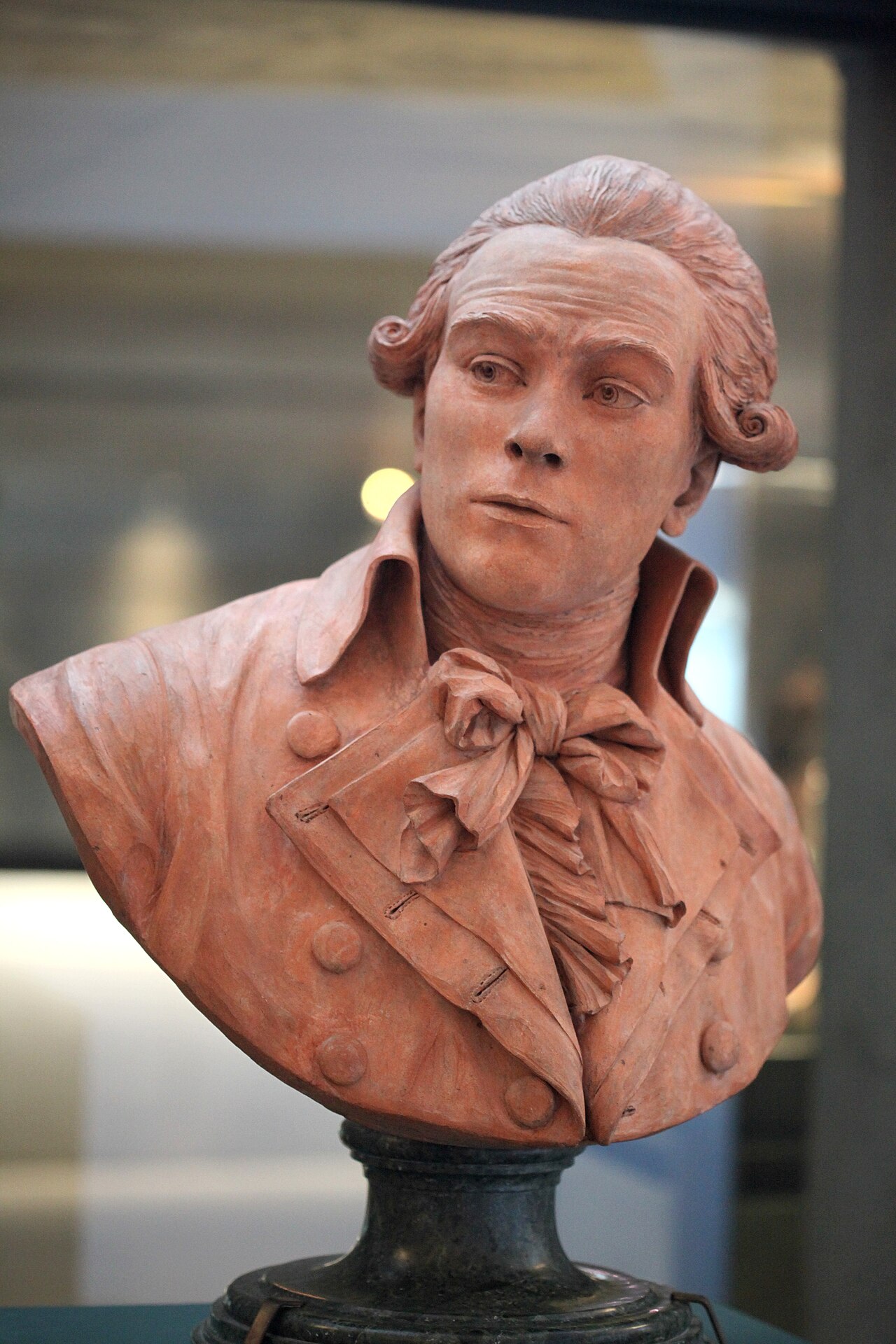
Bust of Robespierre
Claude-André Deseine · 1791
A terracotta bust of Robespierre made from life in 1791 by sculptor Claude-André Deseine.
Made from life, this bust is considered the most faithful surviving three-dimensional likeness of Robespierre.
About this source
What it is
This terracotta bust was sculpted by Claude-André Deseine in 1791 and exhibited at the Paris Salon. It shows Robespierre with curled, powdered hair and a frilled cravat, and is now held by the Museum of the French Revolution.
Why it matters
Because it was modelled from life, this bust is considered one of the most accurate physical likenesses of Robespierre to survive. It shows him as a well-groomed, formally dressed public figure, reflecting how an artist of the time chose to present a leading revolutionary politician to the public through the respected medium of portrait sculpture.
Look closer
- Why might a sculptor want to work directly from a living sitter rather than from memory or imagination?
- What does the formal, calm expression suggest about how Robespierre wished to be remembered?
- What can a bust show about a person that a painted portrait cannot?
This sculpture is part of the curated material that grounds the AI version of Maximilien Robespierre on Humy.ai — when students ask about related events, the AI can quote it and cite it.
More Maximilien Robespierre sources
Meet the AI Maximilien Robespierre →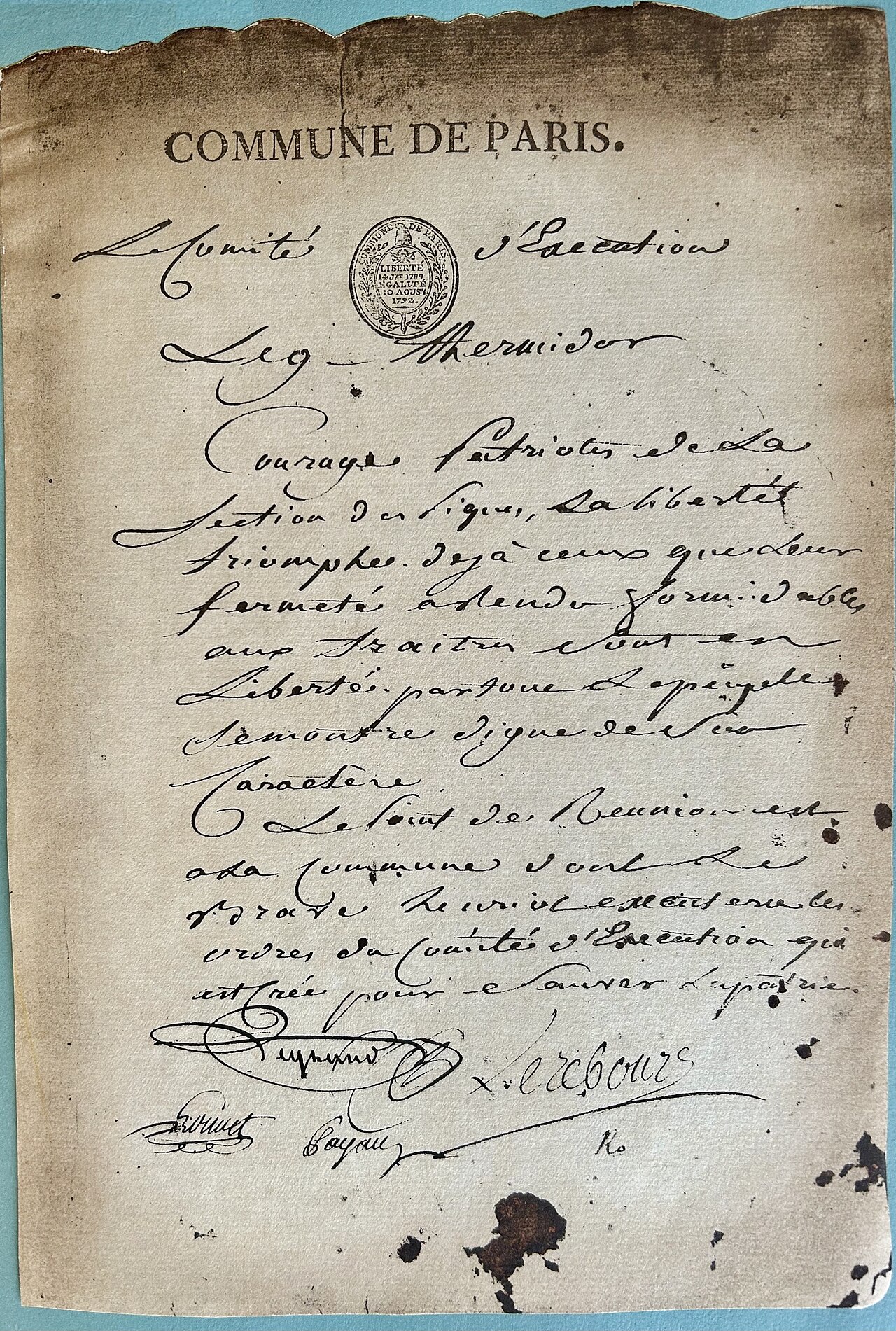 Document
Primary source
Appeal of the Commune to the Section des Piques, 9 Thermidor
Louvet, Payan, Lerebourgs, Legrand, Robespierre · 27 July 1794 (9 Thermidor Year II)
Primary source
Speech on the Trial of the King
Maximilien Robespierre · 3 December 1792
 Painting
Primary source
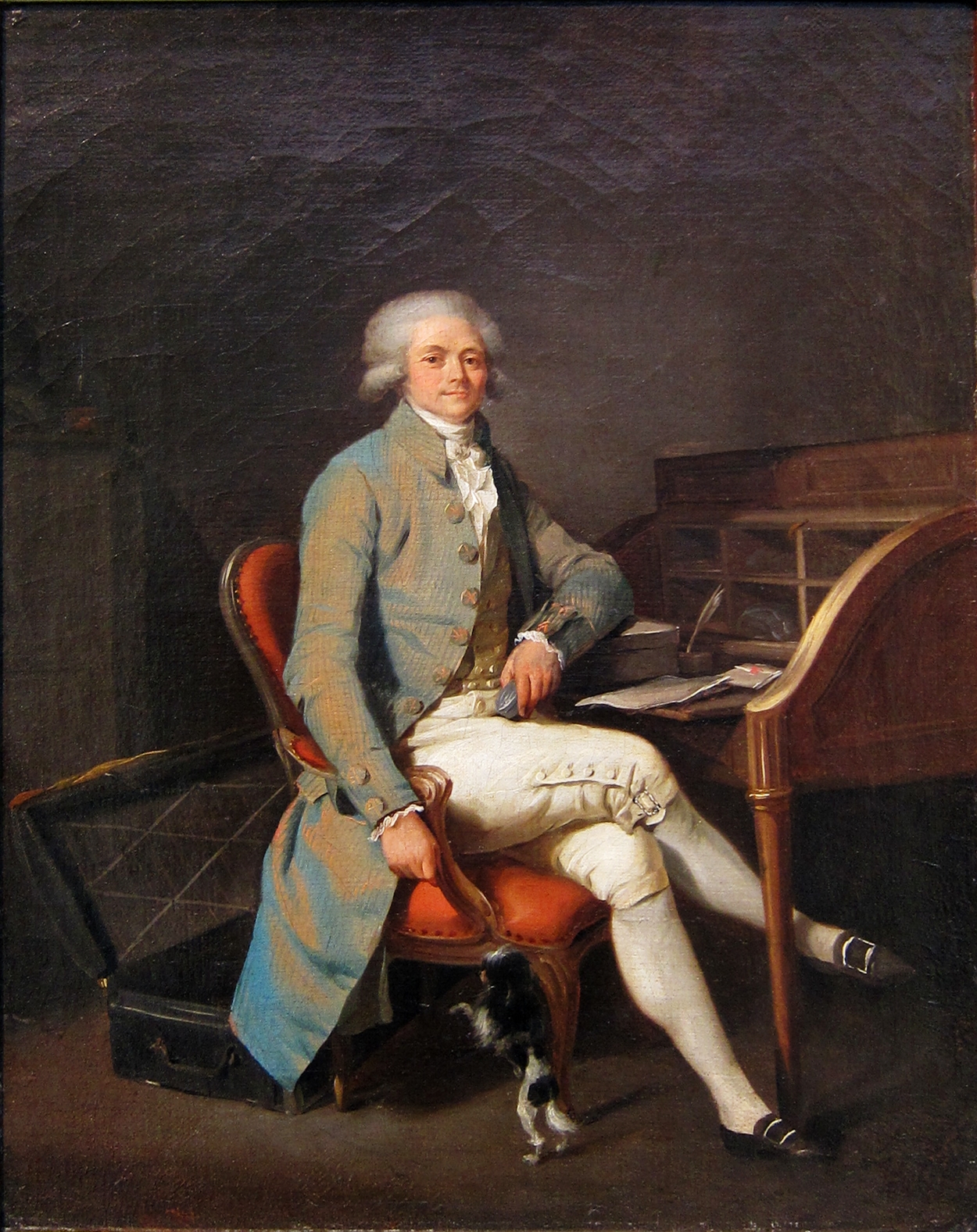
Portrait of Maximilien de Robespierre
Louis-Léopold Boilly · 1791
Primary source
Report on Religious and Moral Ideas and National Festivals (18 Floréal)
Maximilien Robespierre · 7 May 1794 (18 Floréal Year II)
 Artifact
Primary source
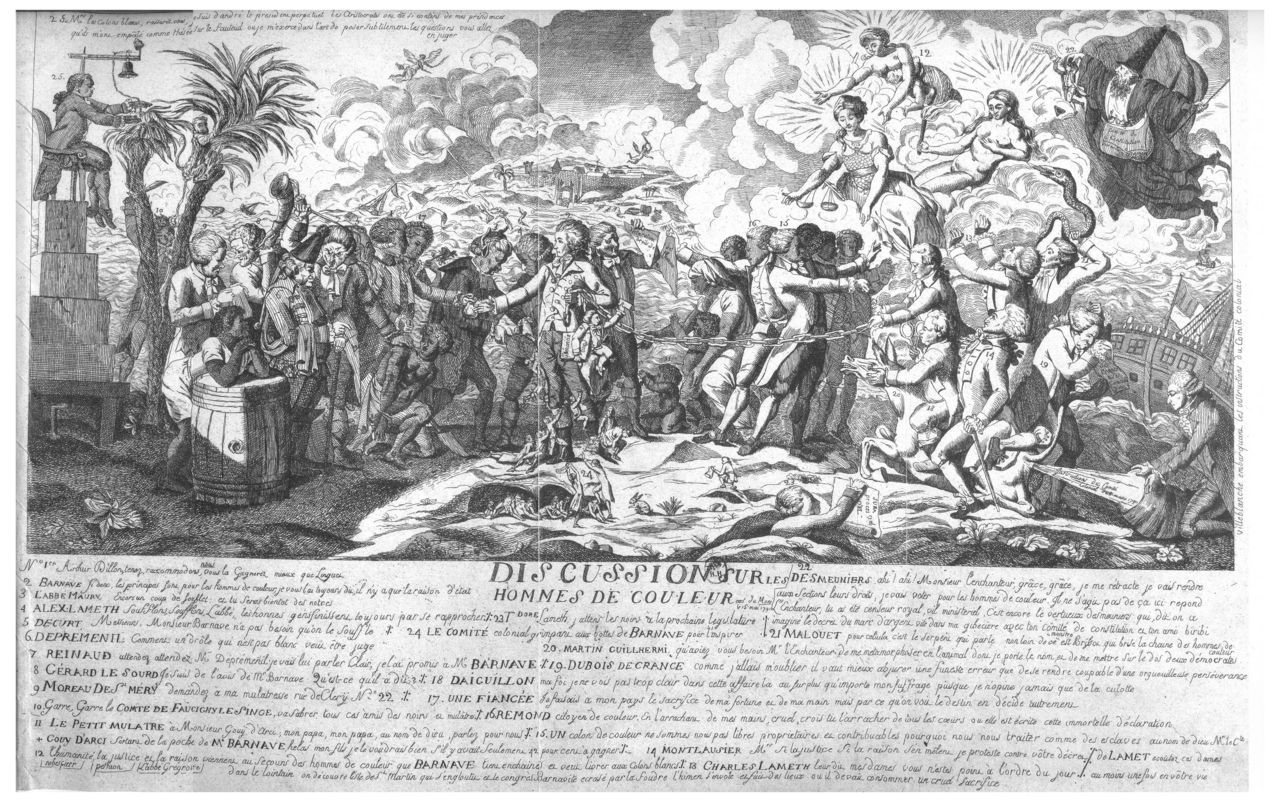
Discussion sur les hommes de couleur
c. 1791
Ready when you are
Start chatting with Maximilien Robespierre now.
20 messages free · No credit card · Available in 50+ languages.