


Secondary sourceSculpture1st century BC
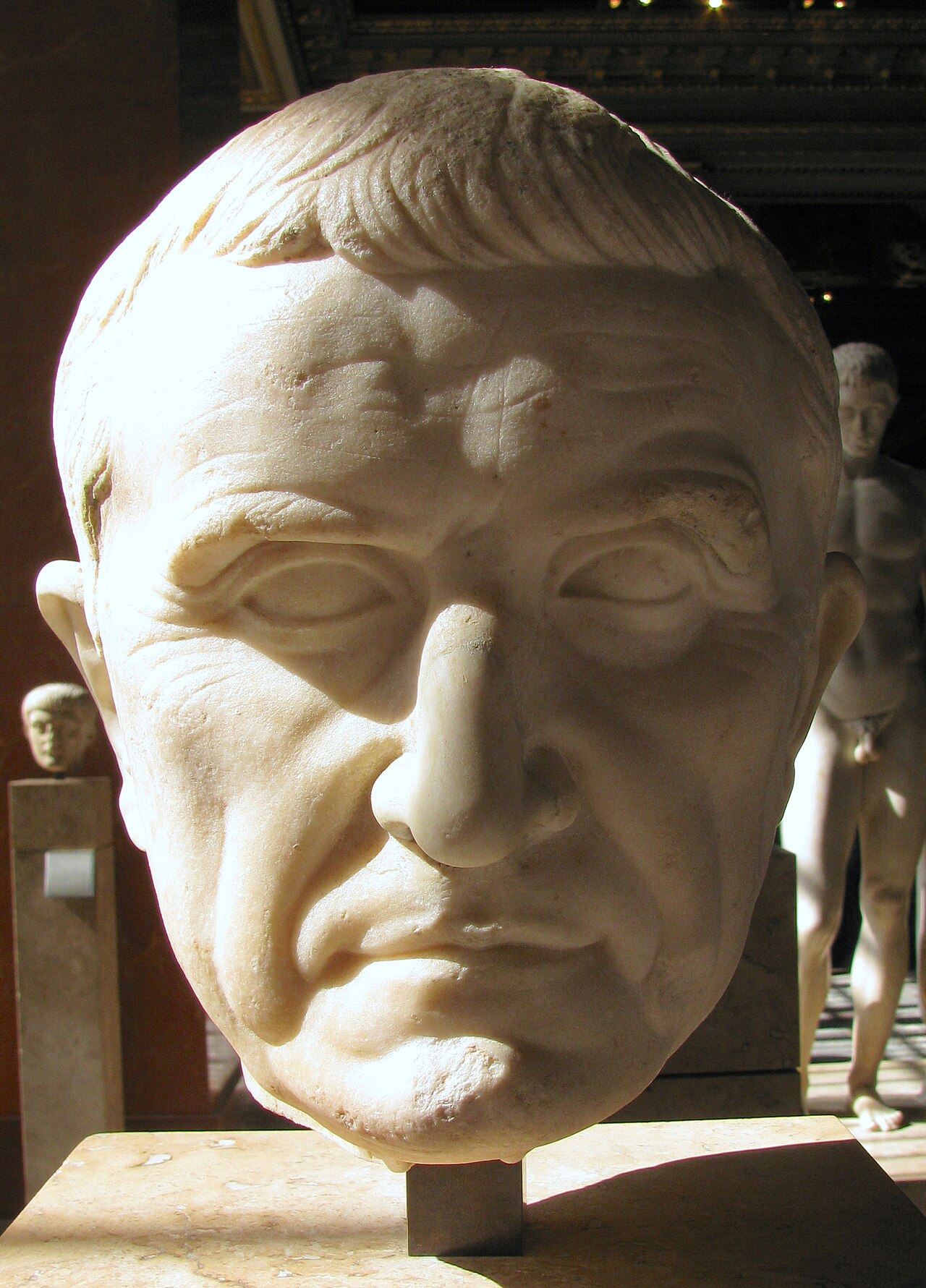
Bust traditionally identified as Crassus
1st century BC
A late Roman Republican marble portrait head in the Louvre, long associated with Crassus though the identification is now doubted.
This bust is the image most commonly used to depict Crassus, though its identification is uncertain.
About this source
What it is
This marble head shows an older man with a lined face and a stern expression, carved in the realistic ('veristic') style typical of late Republican Rome. Its maker is unknown. It is held today in the Louvre, where it was catalogued after being seized in the early 1800s.
Why it matters
The bust has been given several different identities over time, including the emperor Galba, the priest Lucius Calpurnius Piso, and Crassus. The Louvre's own records say it most likely shows an ordinary citizen, not a famous figure at all. It is a good example of how portraits from this period were made to look serious and experienced, following a Roman tradition of realistic private portraiture, and how such identifications can be based on guesswork.
Look closer
- What details in the face make it look 'serious' or 'authoritative'?
- Why might museums and scholars disagree about who a portrait shows?
- Does it matter whether this bust really shows Crassus, if it has been used to represent him for so long?
This sculpture is part of the curated material that grounds the AI version of Marcus Licinius Crassus on Humy.ai — when students ask about related events, the AI can quote it and cite it.
More Marcus Licinius Crassus sources
Browse all 68 →Secondary source
Life of Crassus
Plutarch · early 2nd century AD
 Sculpture
Secondary source
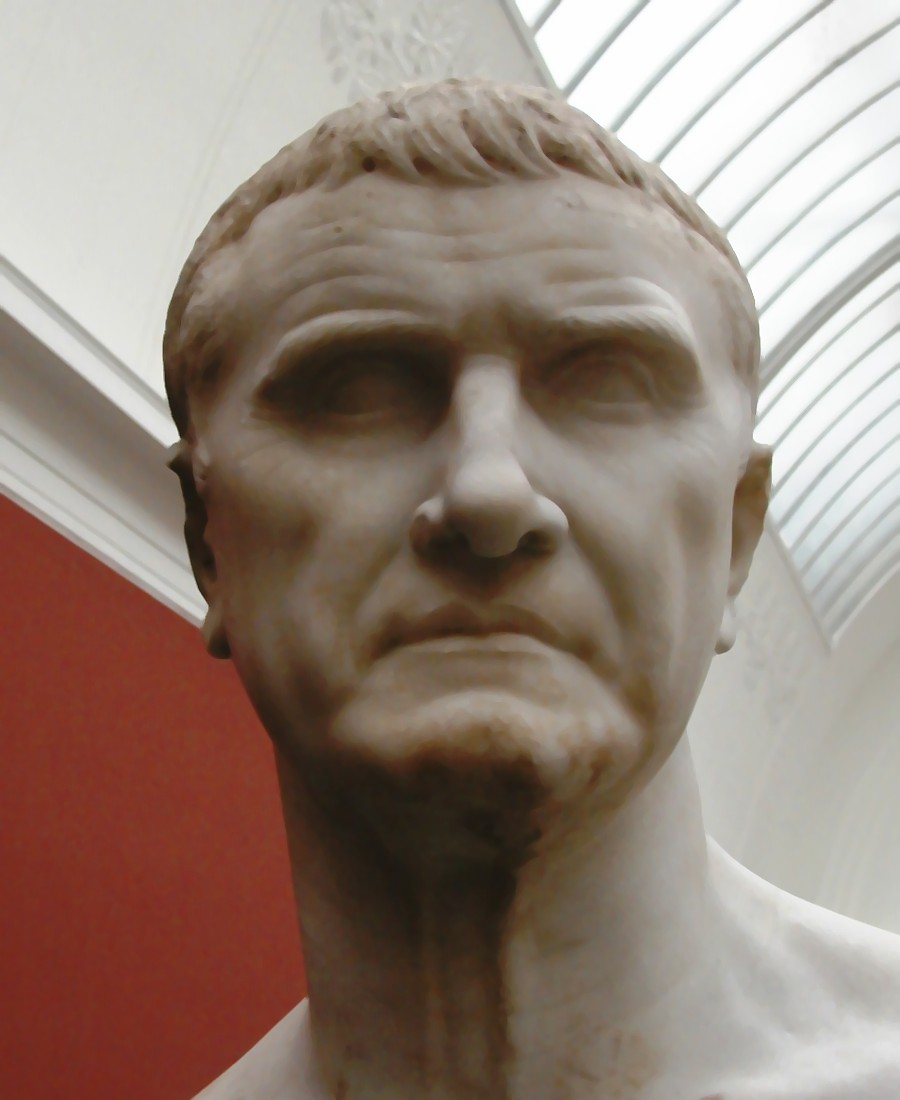
Portrait Bust Conjectured to be Crassus
Late Roman Republic
Secondary source
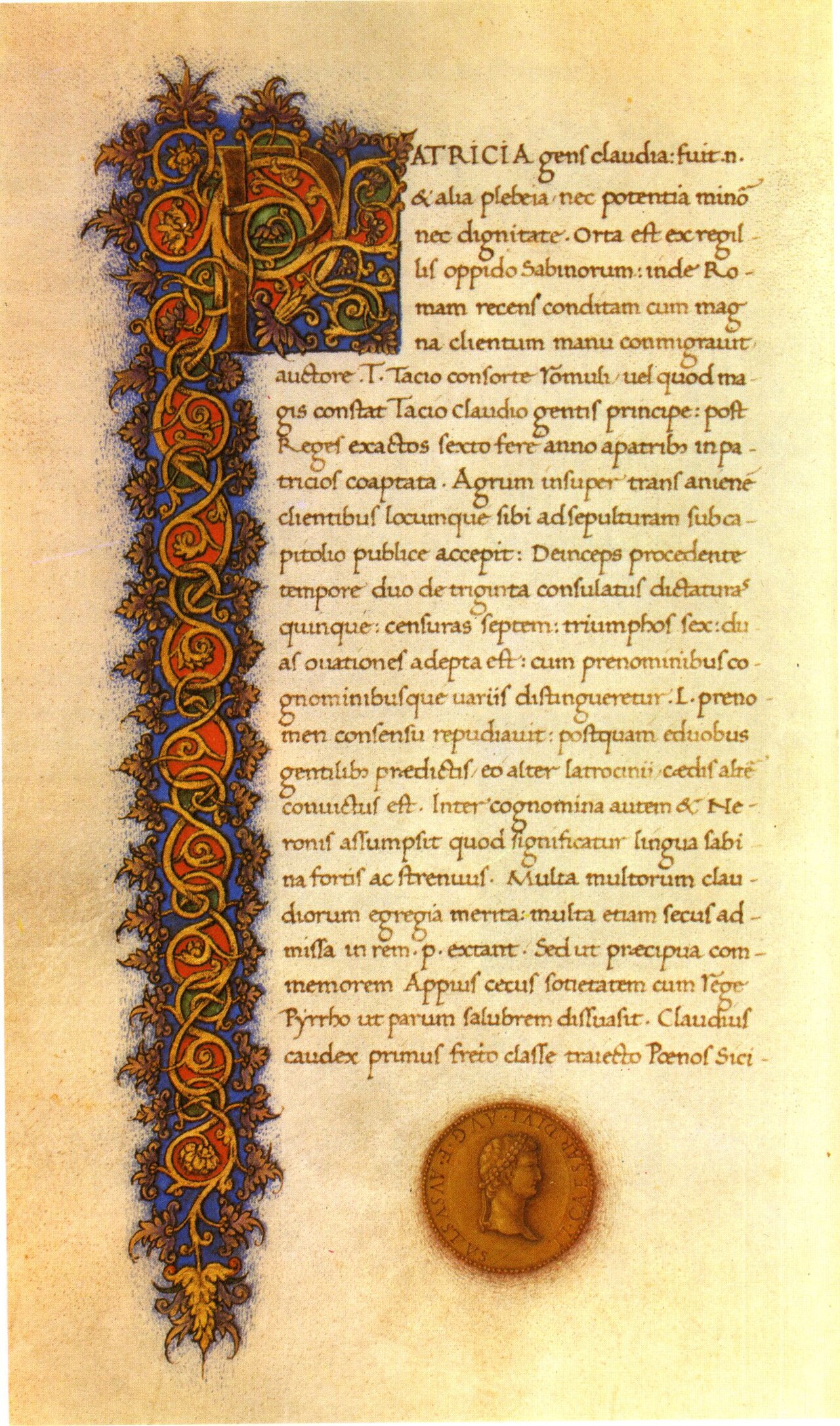
Life of Julius Caesar
Plutarch
 Book
Secondary source
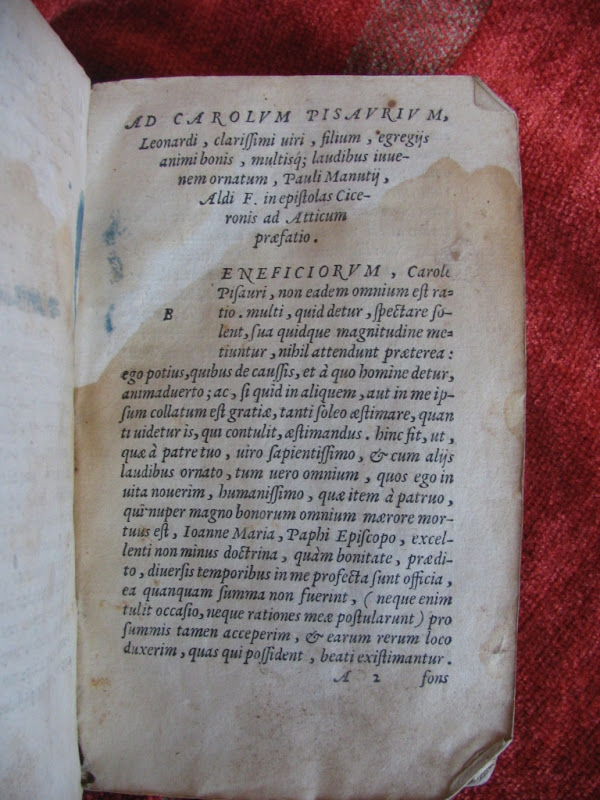
The Twelve Caesars
Suetonius · 121 AD
Free account
Read every Marcus Licinius Crassus source
Sign up free →
Ready when you are
Start chatting with Marcus Licinius Crassus now.
20 messages free · No credit card · Available in 50+ languages.