


Primary sourceArtifact220 (burial); excavated 2008-2009
Cao Cao Mausoleum
220 (burial); excavated 2008-2009
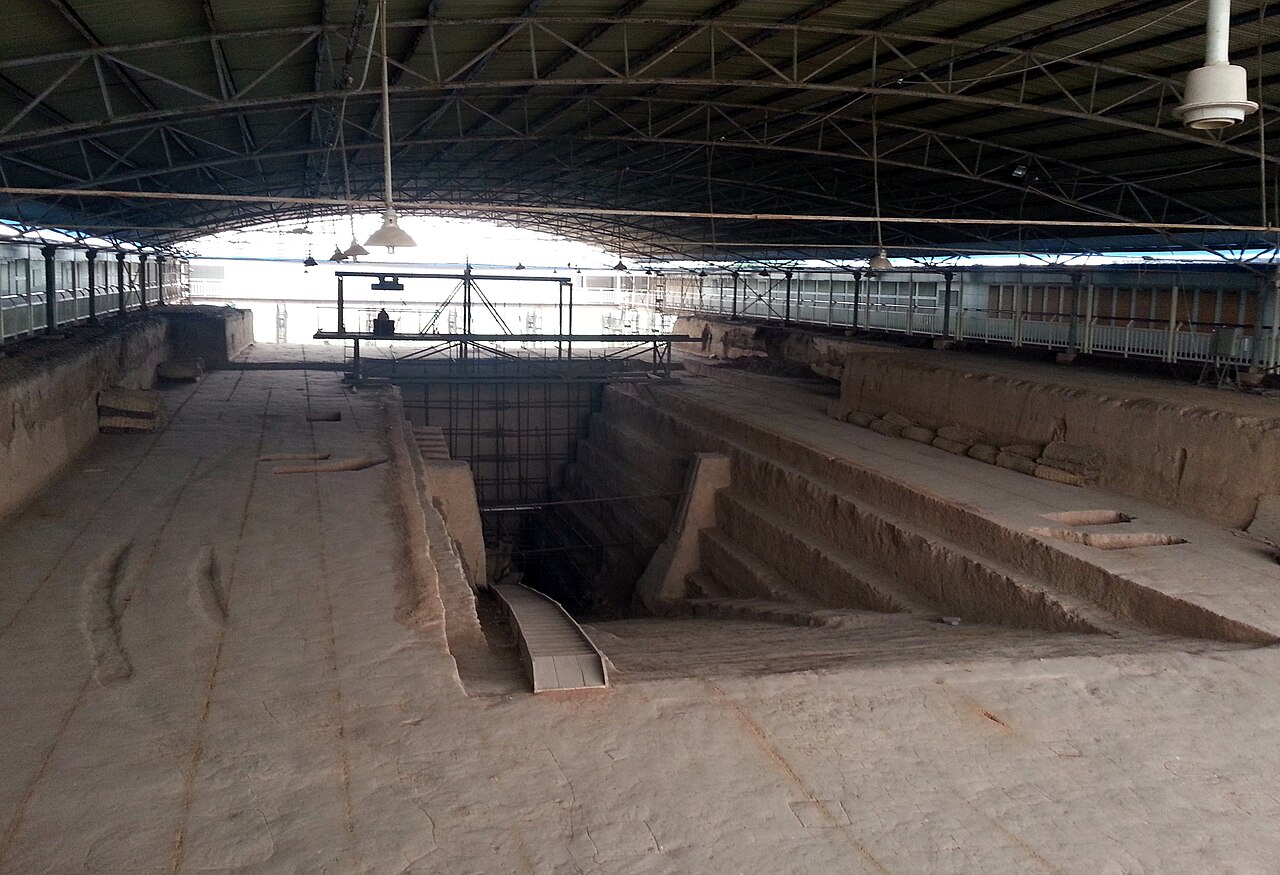
The excavated tomb identified as Cao Cao's own burial place, discovered in Anyang in 2009, matching his wish for a modest burial.
This is Cao Cao's own tomb, built according to his wishes for a simple burial.
Free Humy account · No credit card · 120,912 sources to read
About this source
What it is
This is the Gaoling tomb at Xigaoxue village in Anyang, Henan, identified as the burial place of Cao Cao. He was buried there in 220, and the site was formally reported as discovered by Chinese heritage authorities in December 2009. It is now cared for as the Cao Cao Gaoling Mausoleum Museum.
Why it matters
The tomb is large but was built without lavish luxury, which matches Cao Cao's own instructions for a simple burial. Its discovery, confirmed partly through a stolen stone tablet bearing his posthumous title, gives historians physical evidence to set alongside written accounts of his life and his son Cao Pi's founding of the state of Wei.
Look closer
- Why would archaeologists be excited to find a tomb that was deliberately plain rather than grand?
- What does the involvement of grave robbers tell you about how this discovery came to light?
- What might a tomb's construction reveal about the person buried there, even without written records?
This artifact is part of the curated material that grounds the AI version of Cao Cao on Humy.ai — when students ask about related events, the AI can quote it and cite it.
More Cao Cao sources
Browse all 64 →Secondary source
Records of the Three Kingdoms
Chen Shou · 3rd century
 Book
Secondary source
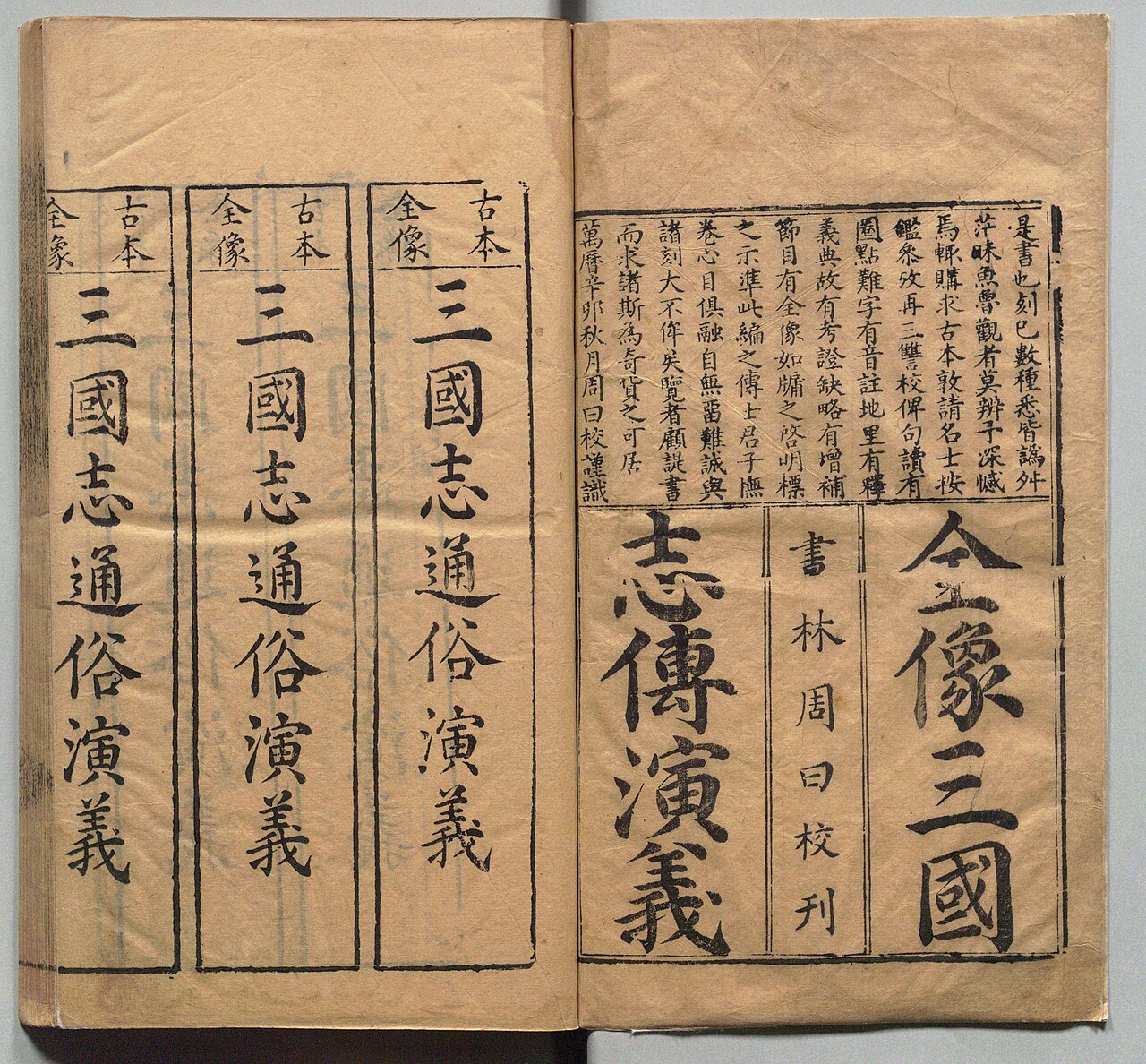
Romance of the Three Kingdoms
Luo Guanzhong · 14th century, printed 1522
 Book
Secondary source
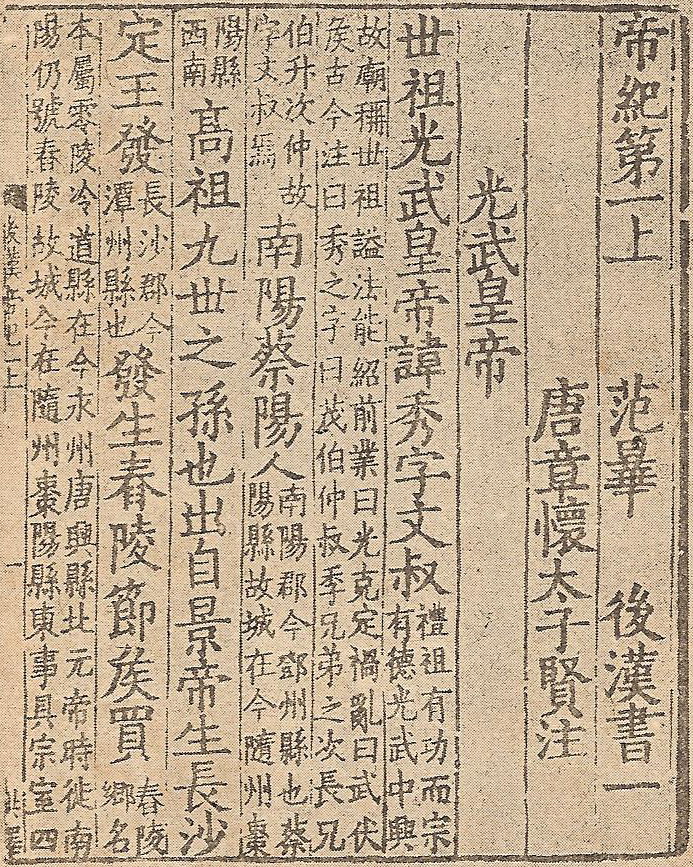
Book of the Later Han
Fan Ye · 5th century AD
Secondary source
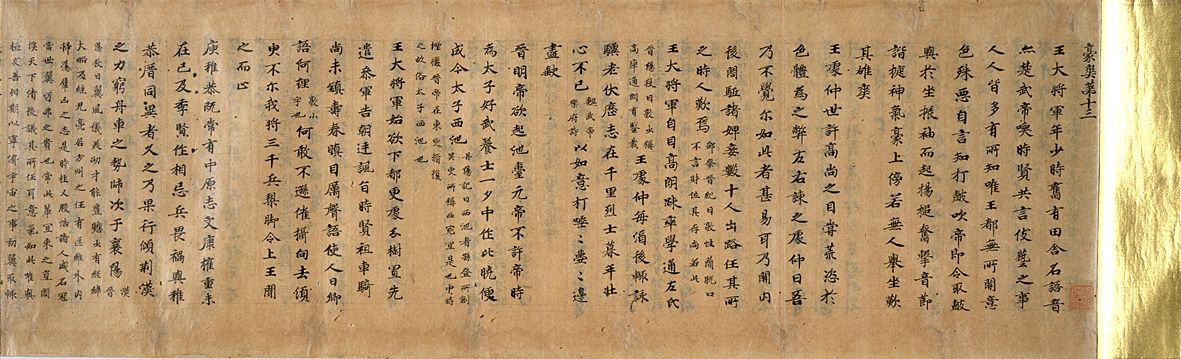
Weilüe
Yu Huan · 3rd century AD (between 239 and 265)

Free account
Read every Cao Cao source
Sign up free →
Ready when you are
Start chatting with Cao Cao now.
20 messages free · No credit card · Available in 50+ languages.