


Primary sourceSculpture1948 (bronze cast 1964)
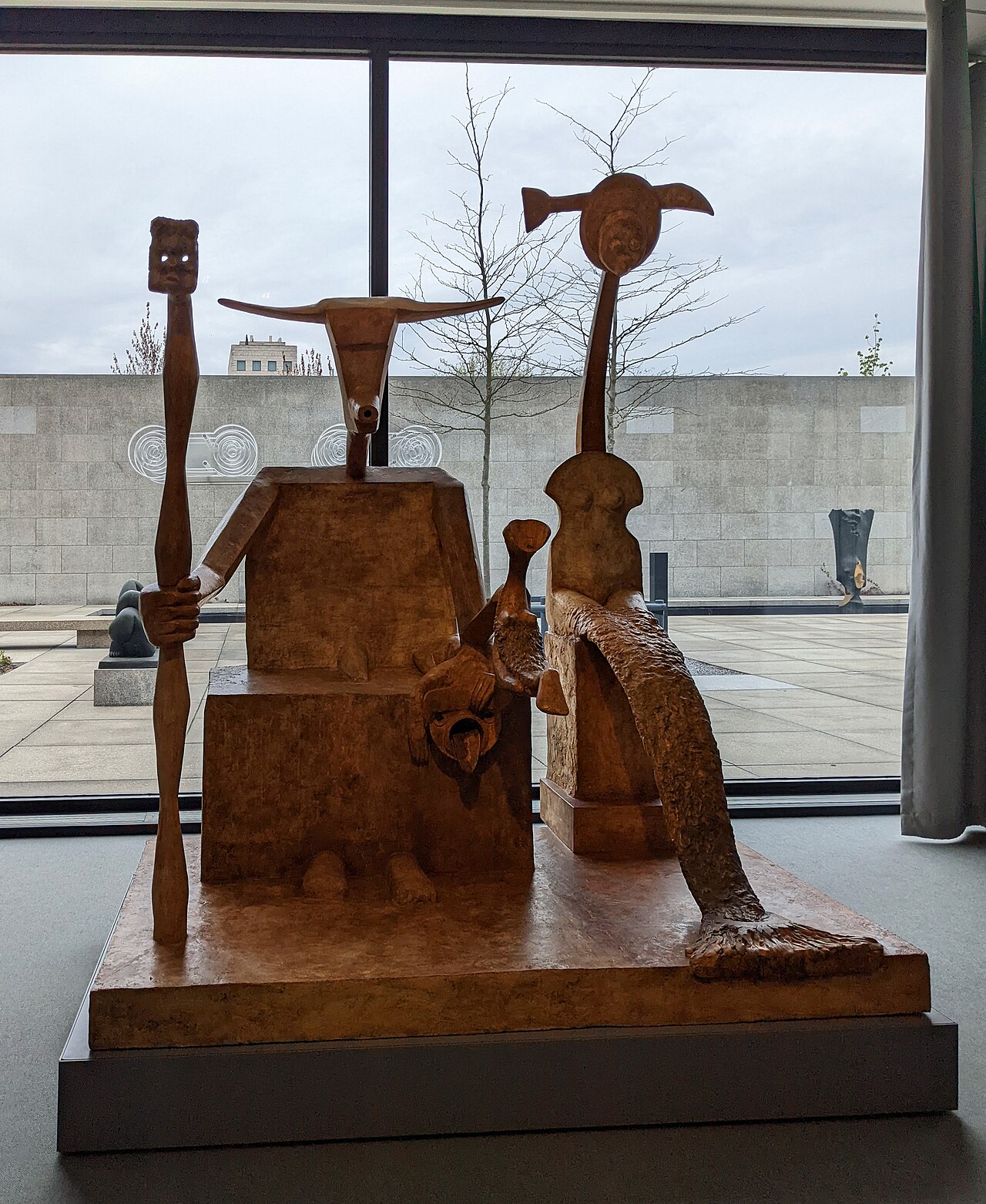
Capricorn
Max Ernst · 1948 (bronze cast 1964)
A monumental bronze sculpture by Max Ernst, originally made in cement at his self-built home in Sedona, Arizona, during his American exile.
This sculpture, made by Ernst himself in Arizona, reflects his years of American exile and his invented hybrid figures.
About this source
What it is
Capricorn is a sculpture by Max Ernst, first made in 1948 and later cast in bronze in 1964. The original version was built in cement at the home Ernst constructed himself in Sedona, Arizona. Casts are held today in museums including the Centre Pompidou in Paris.
Why it matters
Ernst made this piece during his years of exile in the United States, where Sedona's remote desert landscape became a source of inspiration and attracted other artists to the area. The sculpture's strange, mixed forms — part animal, part human, part architecture — show Ernst's continuing fascination with invented creatures and hybrid beings, a theme running through his Surrealist work.
Look closer
- What different shapes and body parts can you pick out in the sculpture?
- Why might Ernst have called this work a 'royal family'?
- How does the desert setting where it was made connect to its strange forms?
This sculpture is part of the curated material that grounds the AI version of Max Ernst on Humy.ai — when students ask about related events, the AI can quote it and cite it.
More Max Ernst sources
Browse all 57 →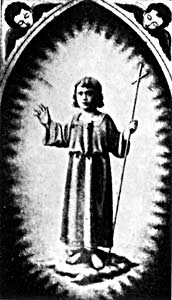 Painting
Primary source
Max Ernst als Jesusknabe
Philipp Ernst
 Photograph
Primary source
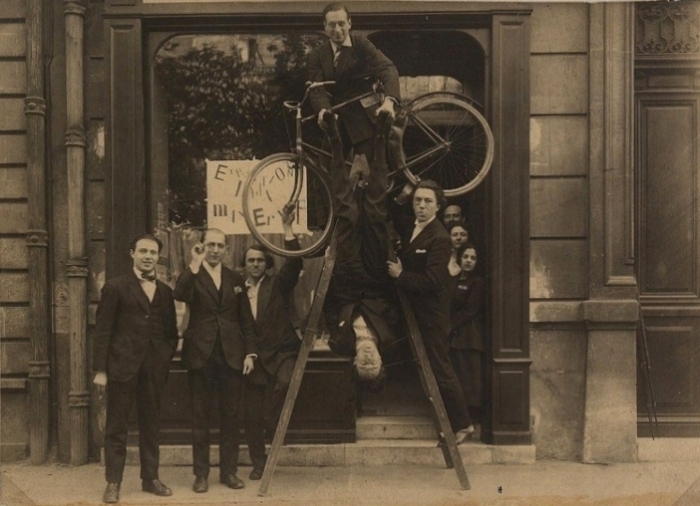
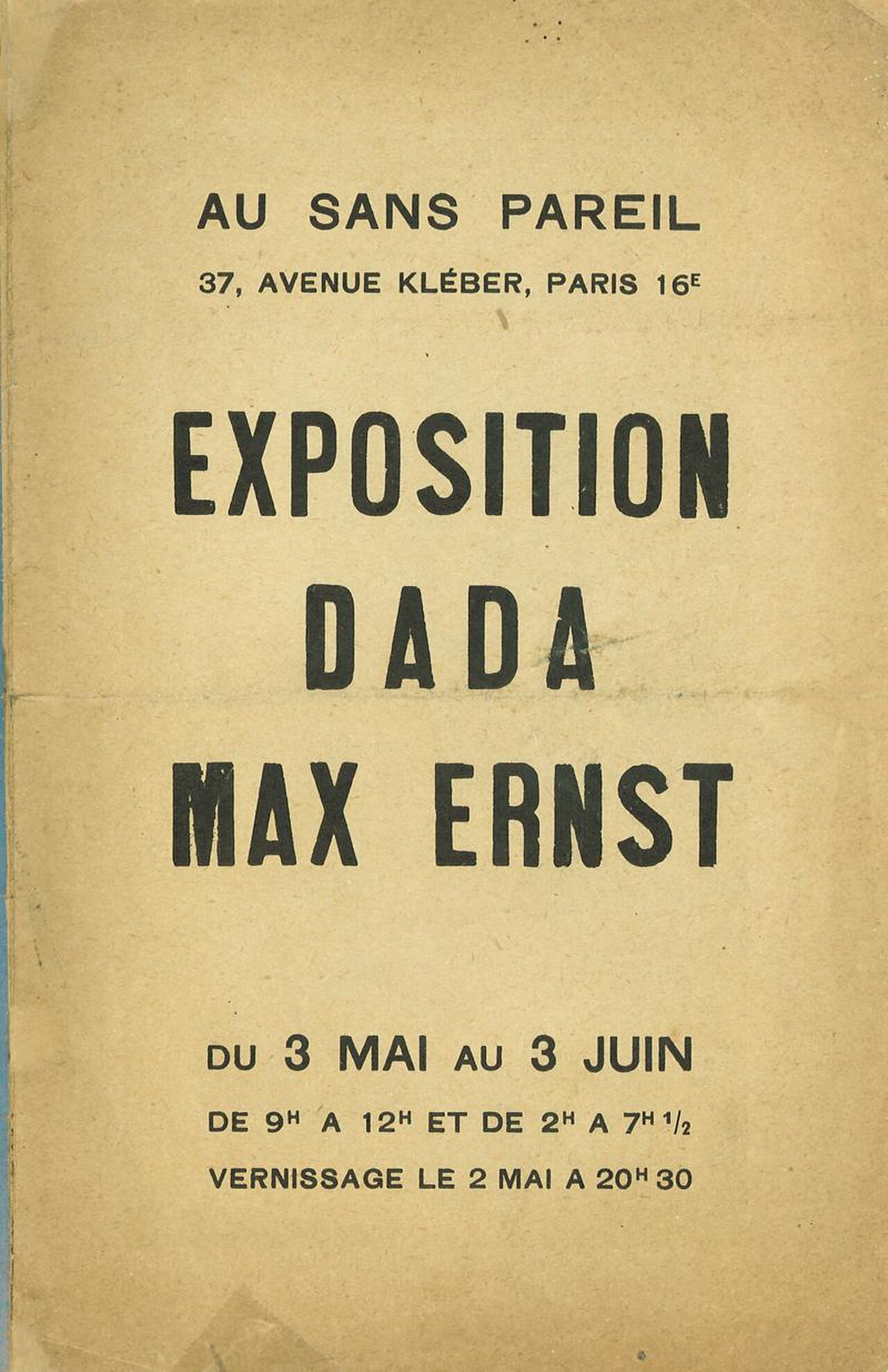
Exposition Max Ernst Paris 1921
2 May 1921
 Newspaper article
Primary source
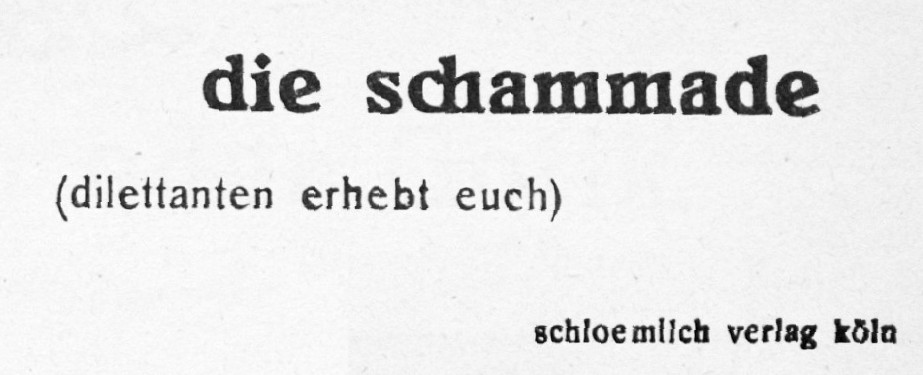
Die Schammade
Max Ernst · 1920
 Document
Primary source
Catalogue of the Max Ernst Exhibition, Paris 1921
May 1921
Free account
Read every Max Ernst source
Sign up free →
Ready when you are
Start chatting with Max Ernst now.
20 messages free · No credit card · Available in 50+ languages.