


Secondary sourcePainting1647
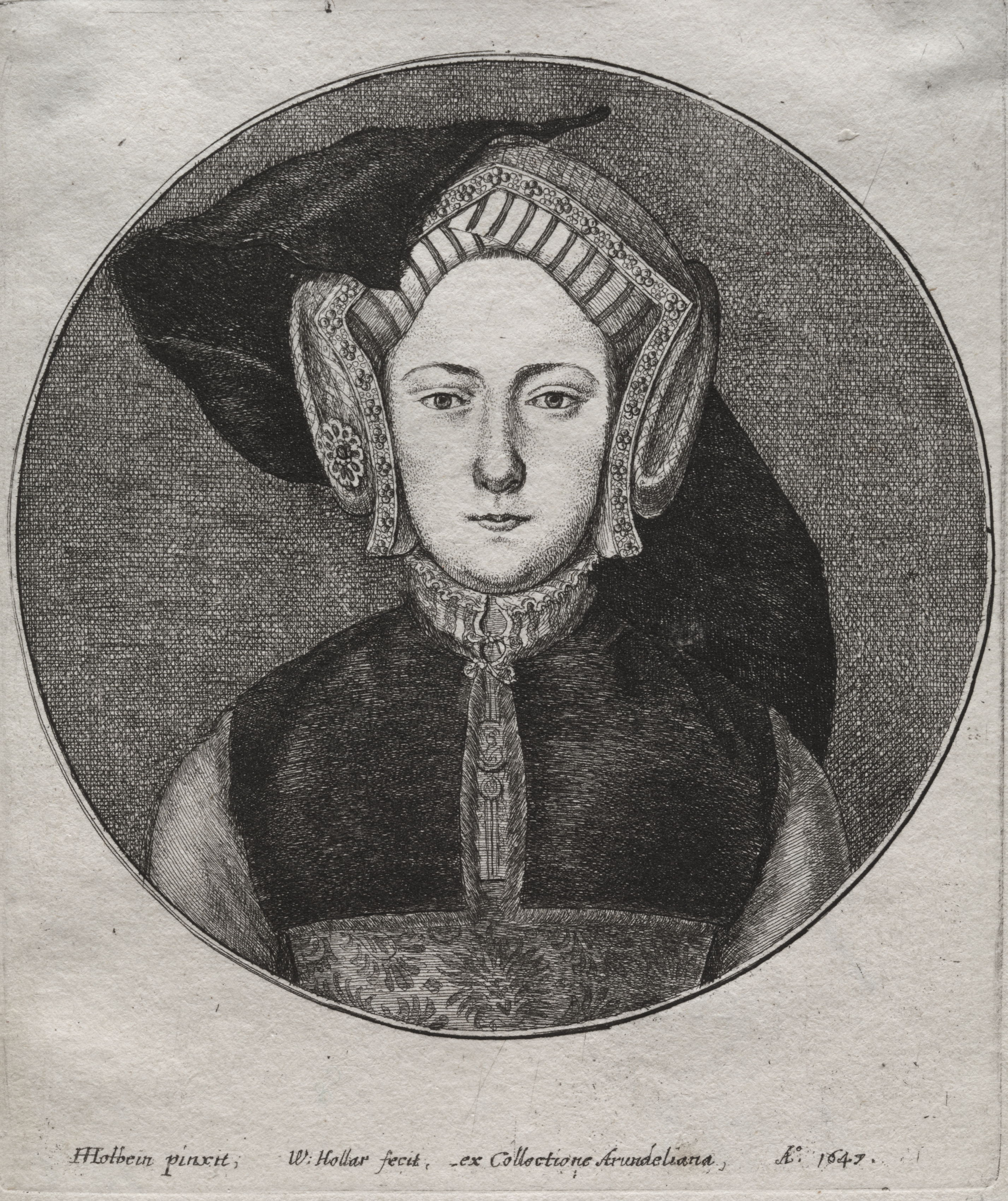
Catherine of Aragon, etching by Wenceslaus Hollar
Wenceslaus Hollar · 1647
A 1647 etched portrait of Catherine of Aragon, made about a century after her death and based on an earlier painting attributed to Holbein.
This etching keeps Catherine of Aragon's image alive long after her death, though it is an imagined likeness rather than one made from life.
About this source
What it is
This is a circular etching of Catherine of Aragon made in 1647 by the Bohemian artist Wenceslaus Hollar. The inscription credits the original design to Holbein. It is held by the Cleveland Museum of Art.
Why it matters
Because Hollar made this etching about a century after Catherine's death, it is not a true likeness drawn from life but an imagined or copied image. It shows how artists reproduced and reimagined royal portraits long after their subjects had died, keeping their image in circulation.
Look closer
- Why might an artist in 1647 choose to make a portrait of a queen who died over a hundred years earlier?
- What clues in the inscription tell you this is a copy of someone else's design?
- How might an image change when it is copied by a different artist decades later?
This painting is part of the curated material that grounds the AI version of Catherine of Aragon on Humy.ai — when students ask about related events, the AI can quote it and cite it.
More Catherine of Aragon sources
Meet the AI Catherine of Aragon →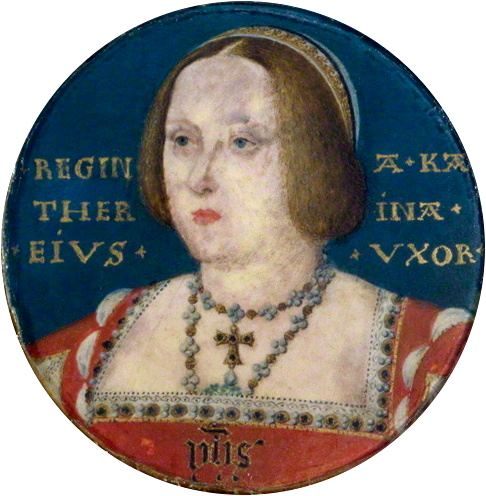 Painting
Primary source
Katherine of Aragon
Lucas Horenbout · c. 1525
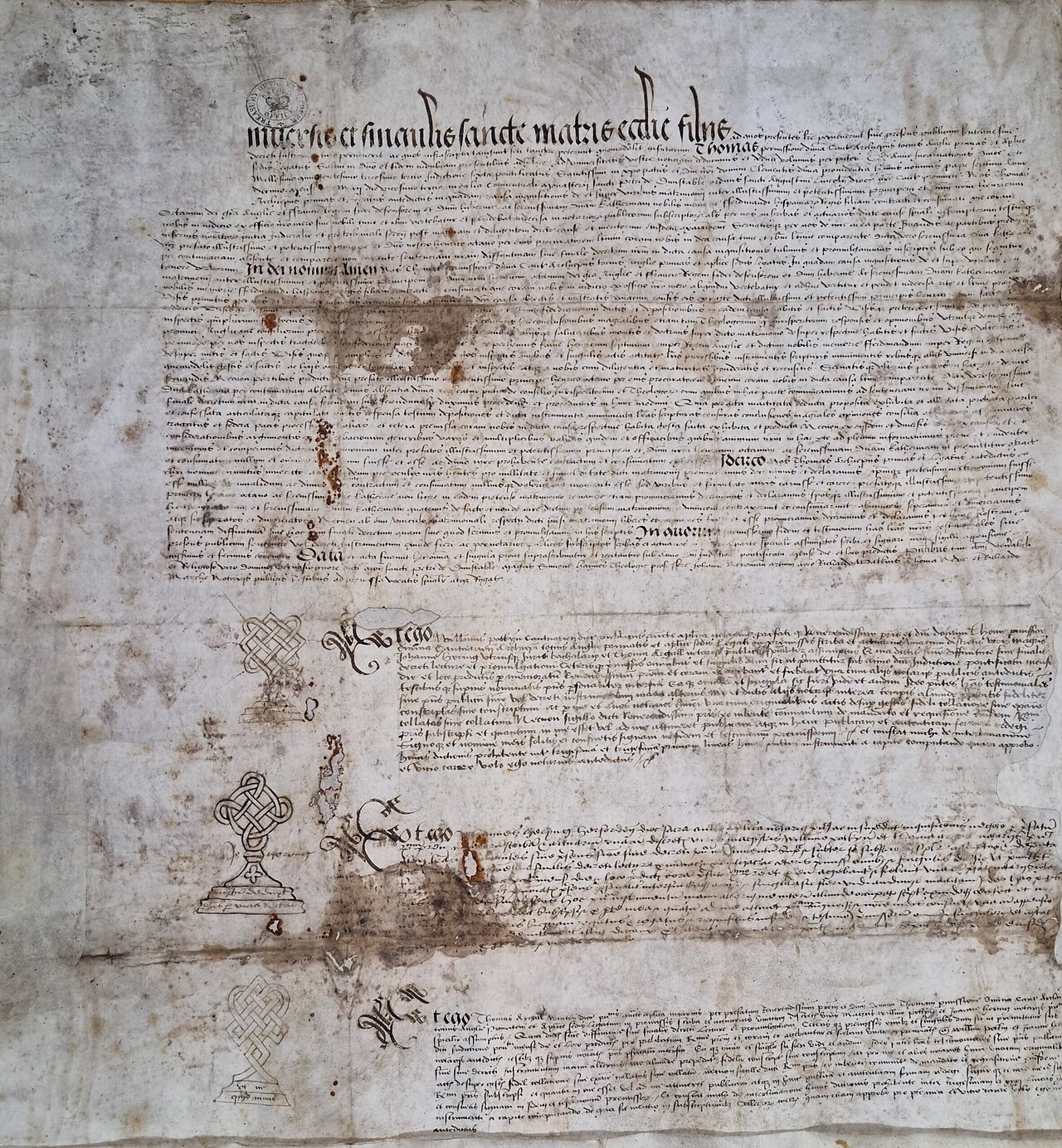 Document
Primary source
Verdict of Annulment of Henry VIII and Catherine of Aragon
1533
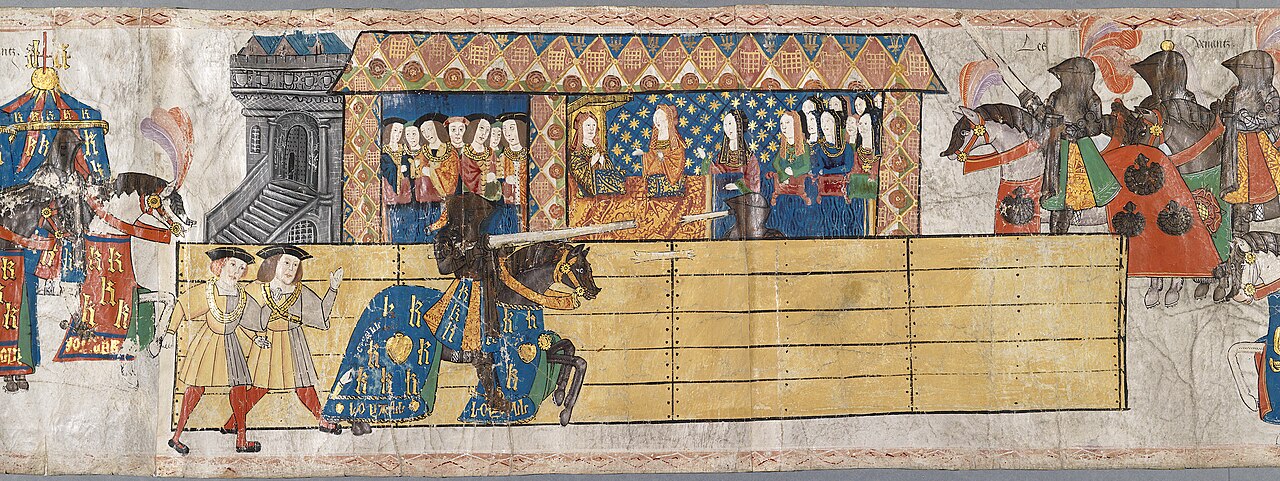 Painting
Primary source
1511 Westminster Tournament Roll
Thomas Wriothesley · 1511
 Painting
Primary source
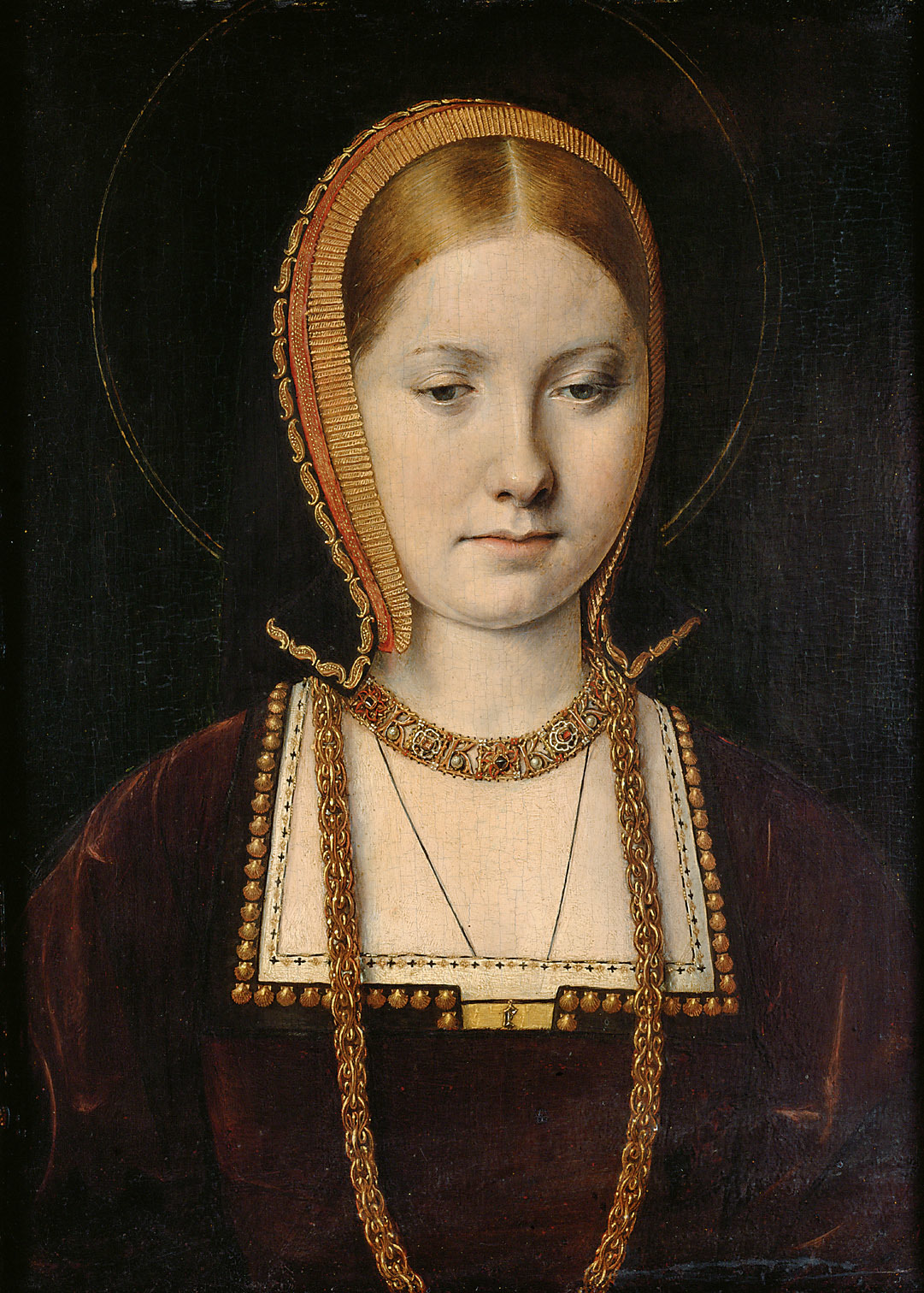
Portrait of a Young Woman, possibly Catherine of Aragon
Michael Sittow · c. 1502
Primary source
Anglica Historia
Polydore Vergil · drafted from 1505, printed 1534
Ready when you are
Start chatting with Catherine of Aragon now.
20 messages free · No credit card · Available in 50+ languages.