


Primary sourceDocument1894–1895
Cello Concerto in B minor
Antonín Dvořák · 1894–1895
Dvořák's last solo concerto, written in New York for cellist Hanuš Wihan, with a finale that mourns his dying sister-in-law.
Dvořák composed this concerto during his American years, weaving in grief for his dying sister-in-law.
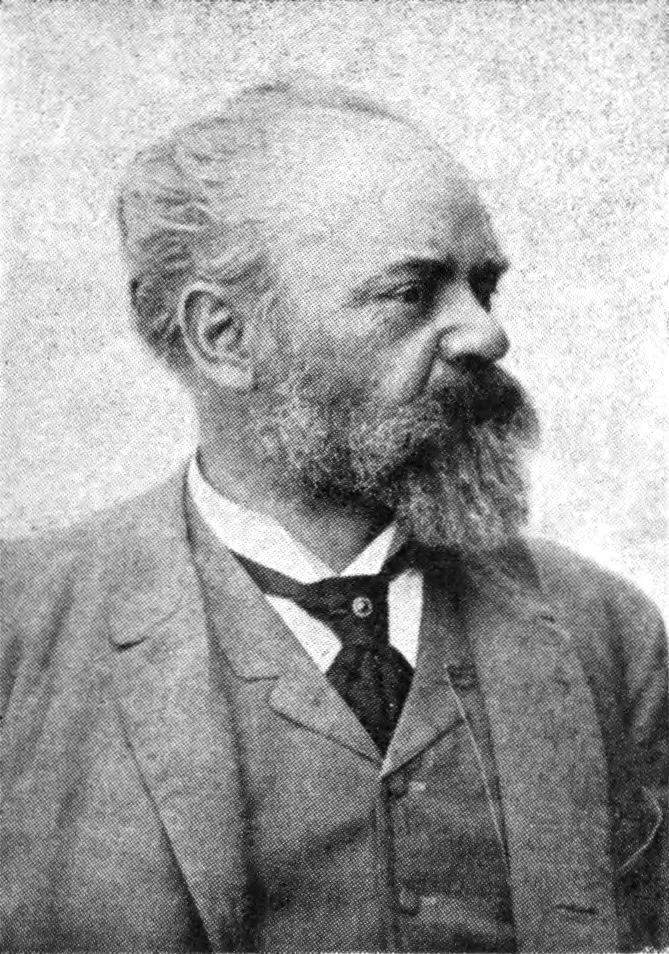
About this source
What it is
This is Antonín Dvořák's Cello Concerto in B minor, Op. 104, written in 1894–95 while he was in New York. It was composed for his friend, the cellist Hanuš Wihan, though it was premiered in London in 1896 by cellist Leo Stern.
Why it matters
Dvořák had long resisted writing a cello concerto, believing the instrument unsuited to solo work, until hearing a colleague's cello concerto changed his mind. The slow movement became a tribute to his sister-in-law Josefina Kaunitzova, who was gravely ill and died before the piece was finished; it quotes a song she loved. The concerto shows both Dvořák's personal grief during his years abroad and his firm insistence on controlling his own music, refusing changes proposed by Wihan.
Look closer
- Why might Dvořák have insisted so strongly that no one alter his score, even his friend Wihan?
- How can a piece of orchestral music carry a personal message, like a tribute to a dying relative?
- What does the story of who premiered the work tell you about the relationships between composers and performers?
This document is part of the curated material that grounds the AI version of Antonín Dvořák on Humy.ai — when students ask about related events, the AI can quote it and cite it.
More Antonín Dvořák sources
Browse all 96 →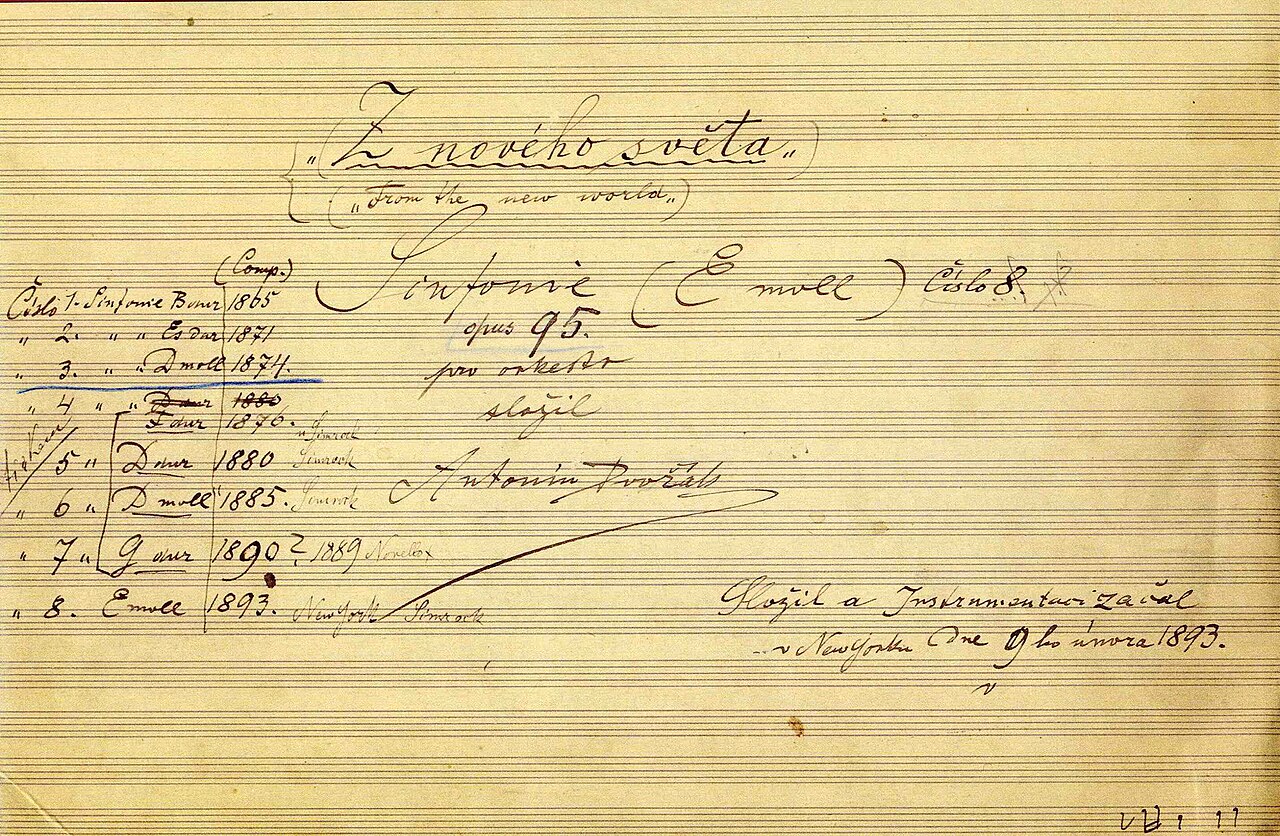 Document
Primary source
Symphony No. 9 'From the New World'
Antonín Dvořák · 1893
 Document
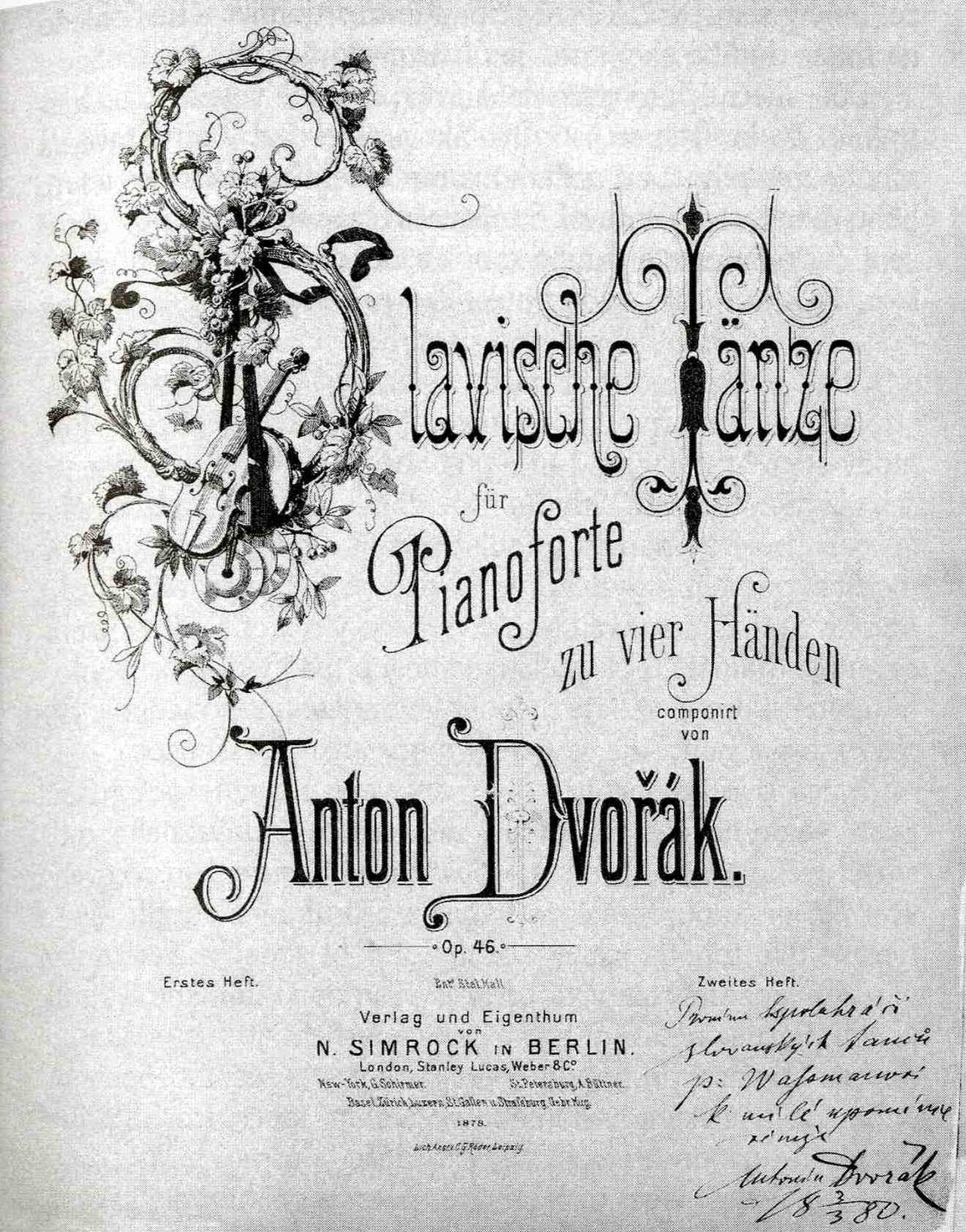
Primary source
Slavonic Dances
Antonín Dvořák · 1878–1886
 Document
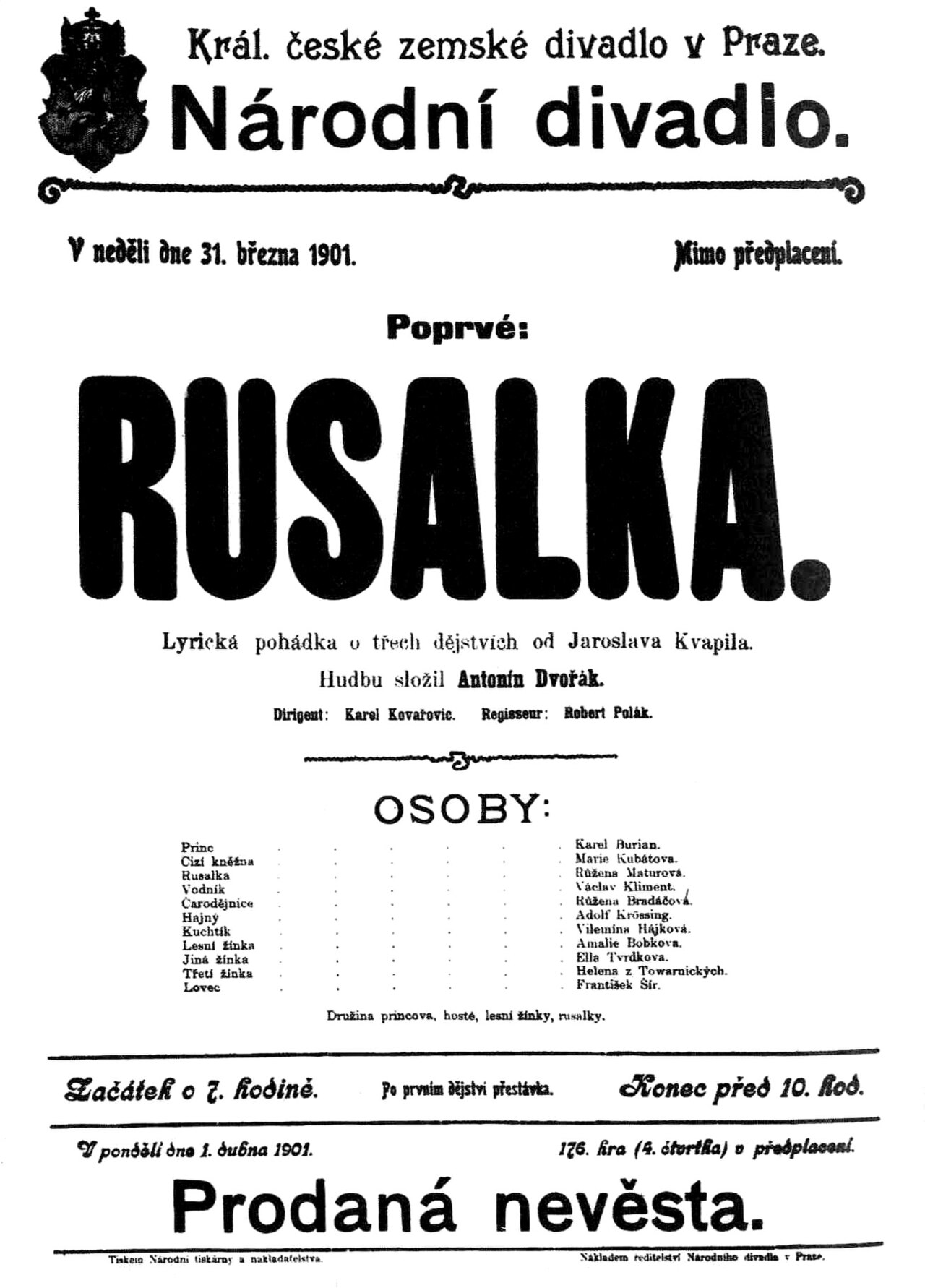
Primary source
Rusalka
Antonín Dvořák · 1900–1901
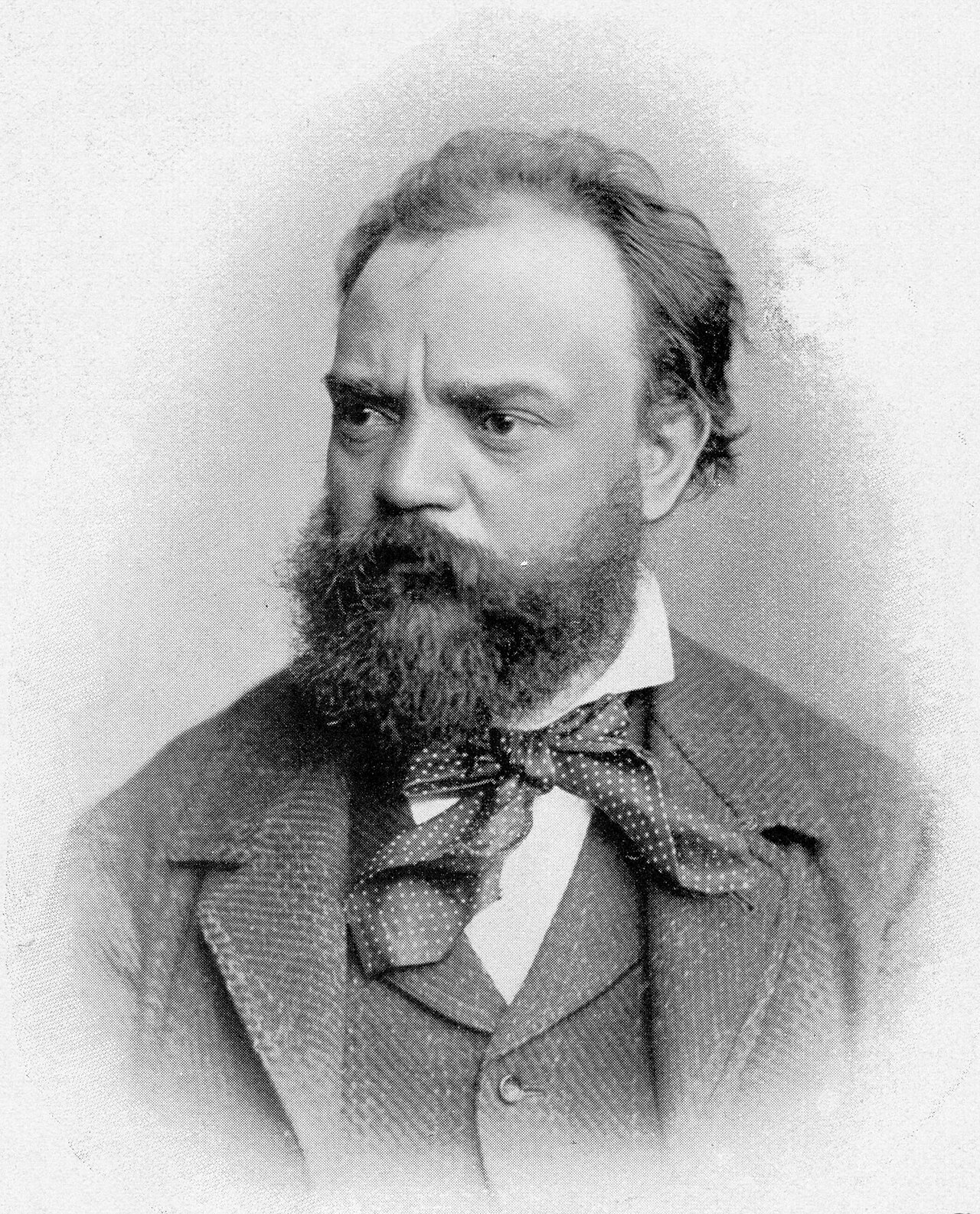 Photograph
Primary source
Portrait of Antonín Dvořák
Free account
Read every Antonín Dvořák source
Sign up free →
Ready when you are
Start chatting with Antonín Dvořák now.
20 messages free · No credit card · Available in 50+ languages.