


Primary sourceArtifactfrom 1923
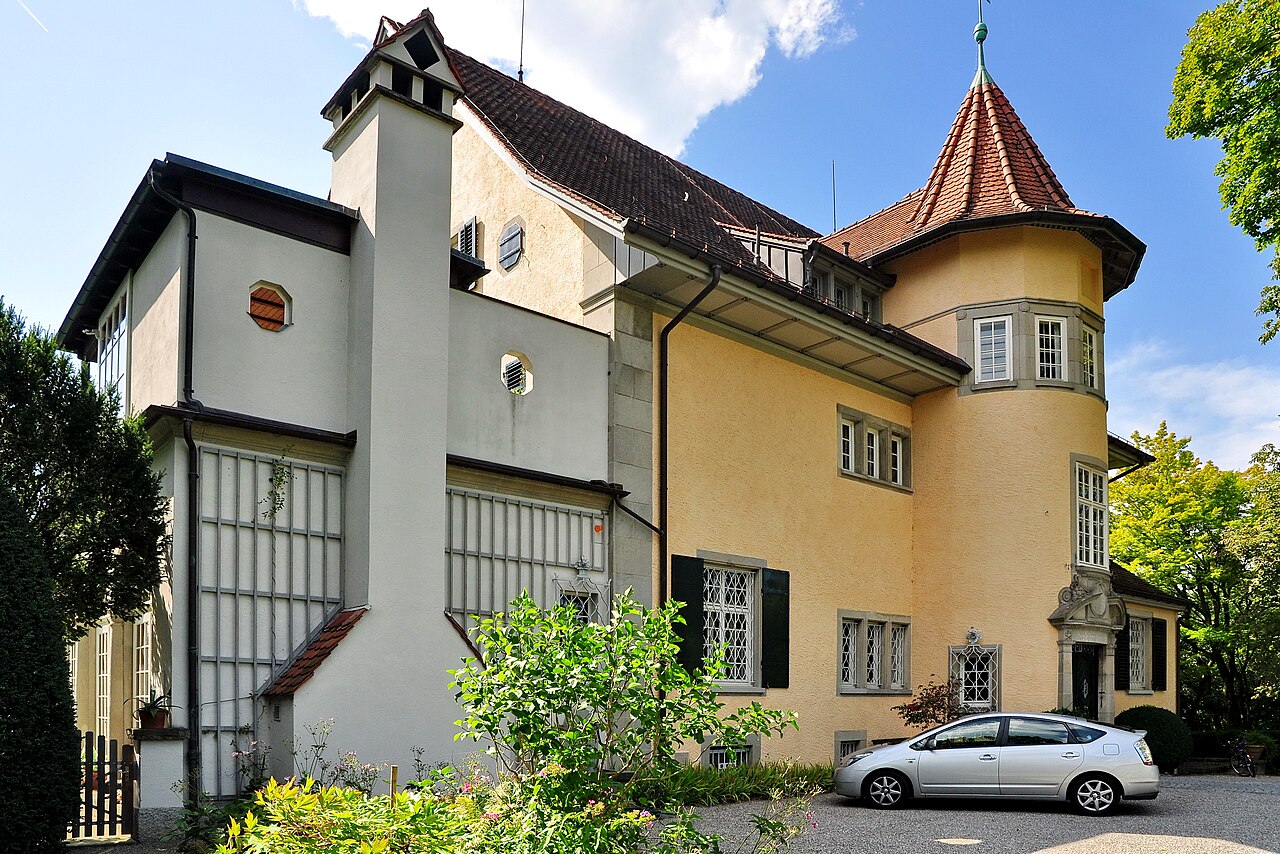
C.G. Jung Tower at Bollingen
Carl Jung · from 1923
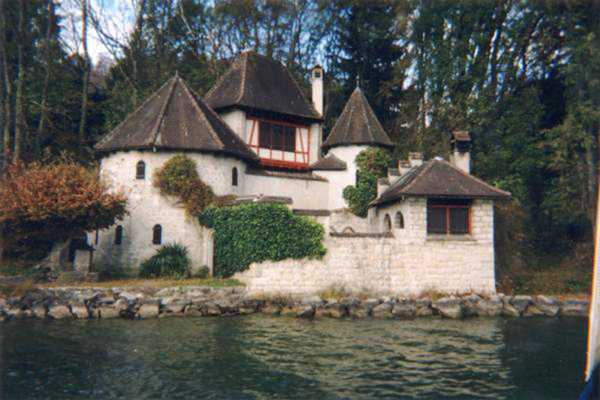
The lakeside stone tower that Jung built and expanded by hand from 1923 onward, calling it his 'confession of faith in stone'.
The tower Jung built and expanded himself over decades as what he called a 'confession of faith in stone'.
About this source
What it is
The Bollingen Tower is a stone building on the shore of Lake Zürich, begun by Carl Jung in 1923 after he bought the land following his mother's death. Jung added to the structure in 1927, 1931 and 1935, eventually creating a building of four connected parts. A second storey was added after his wife's death in 1955. Jung spent several months each year living there, and the tower is now owned by a family trust and is not open to the public.
Why it matters
Jung built much of the tower with his own hands, and he saw its construction as an expression of stages in his own psychological development. In 1950 he placed an inscribed stone cube near the tower, carved with quotations from alchemy, Heraclitus and the Odyssey, reflecting the ideas he was developing about symbols and the unconscious.
Look closer
- Why might Jung have chosen to build this himself rather than hire builders, and what might that reveal about his beliefs?
- What does it suggest that Jung kept adding to the building throughout his life?
- Why inscribe quotations from such different traditions — Greek philosophy, Homer and alchemy — on the same stone?
This artifact is part of the curated material that grounds the AI version of Carl Jung on Humy.ai — when students ask about related events, the AI can quote it and cite it.
More Carl Jung sources
Browse all 56 →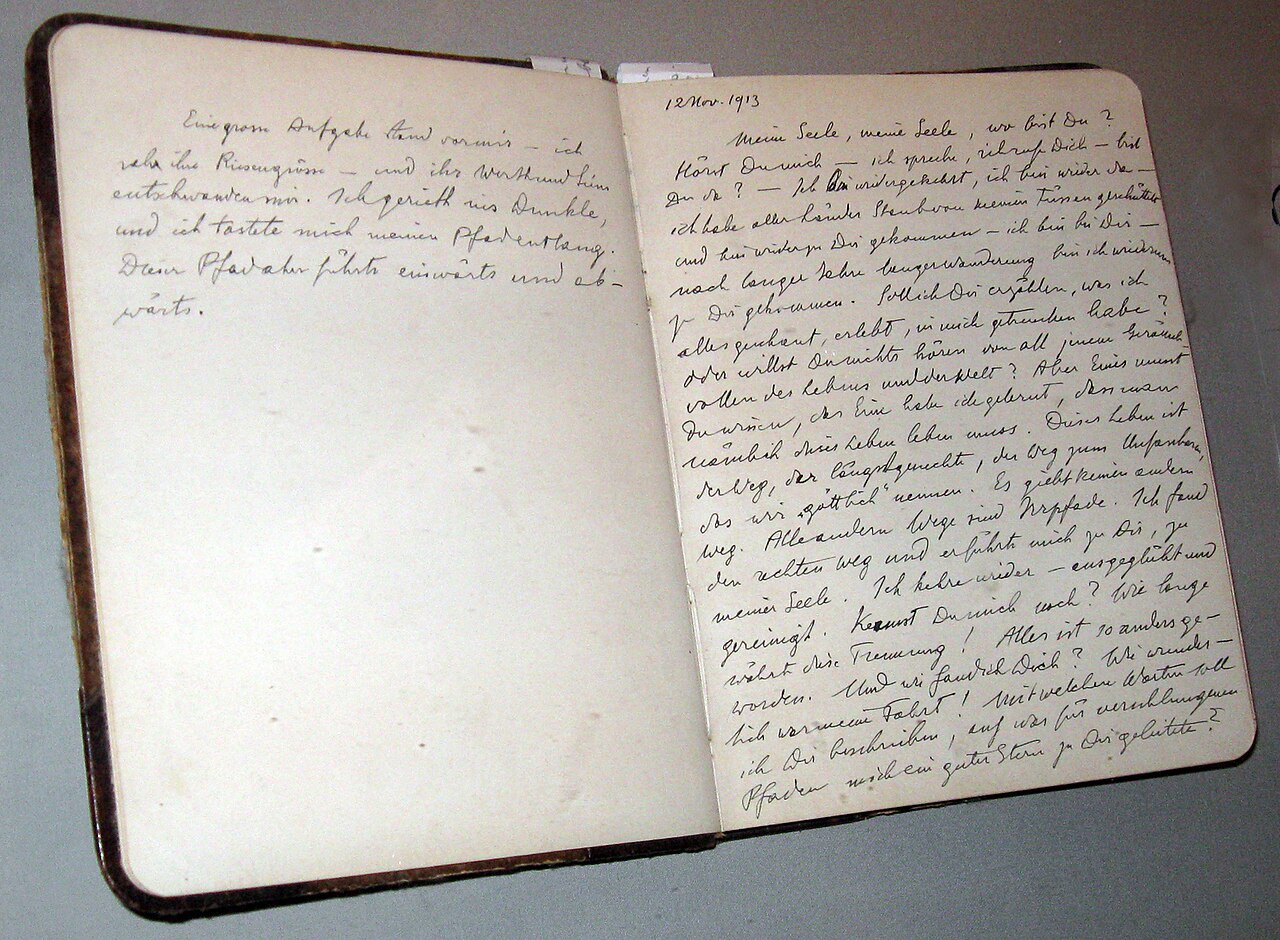 Diary entry
Primary source
Black Books
Carl Jung · 1913–1932
 Photograph
Primary source
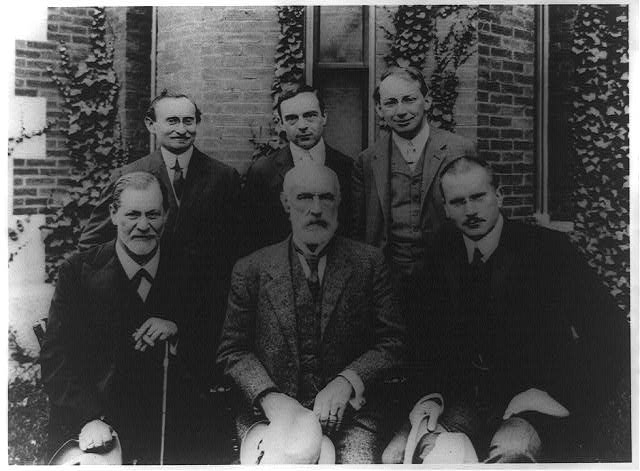
Group Photograph at Clark University
Unknown photographer · September 1909
 Book
Primary source
The Psychology of Dementia Praecox
Carl Jung · 1907
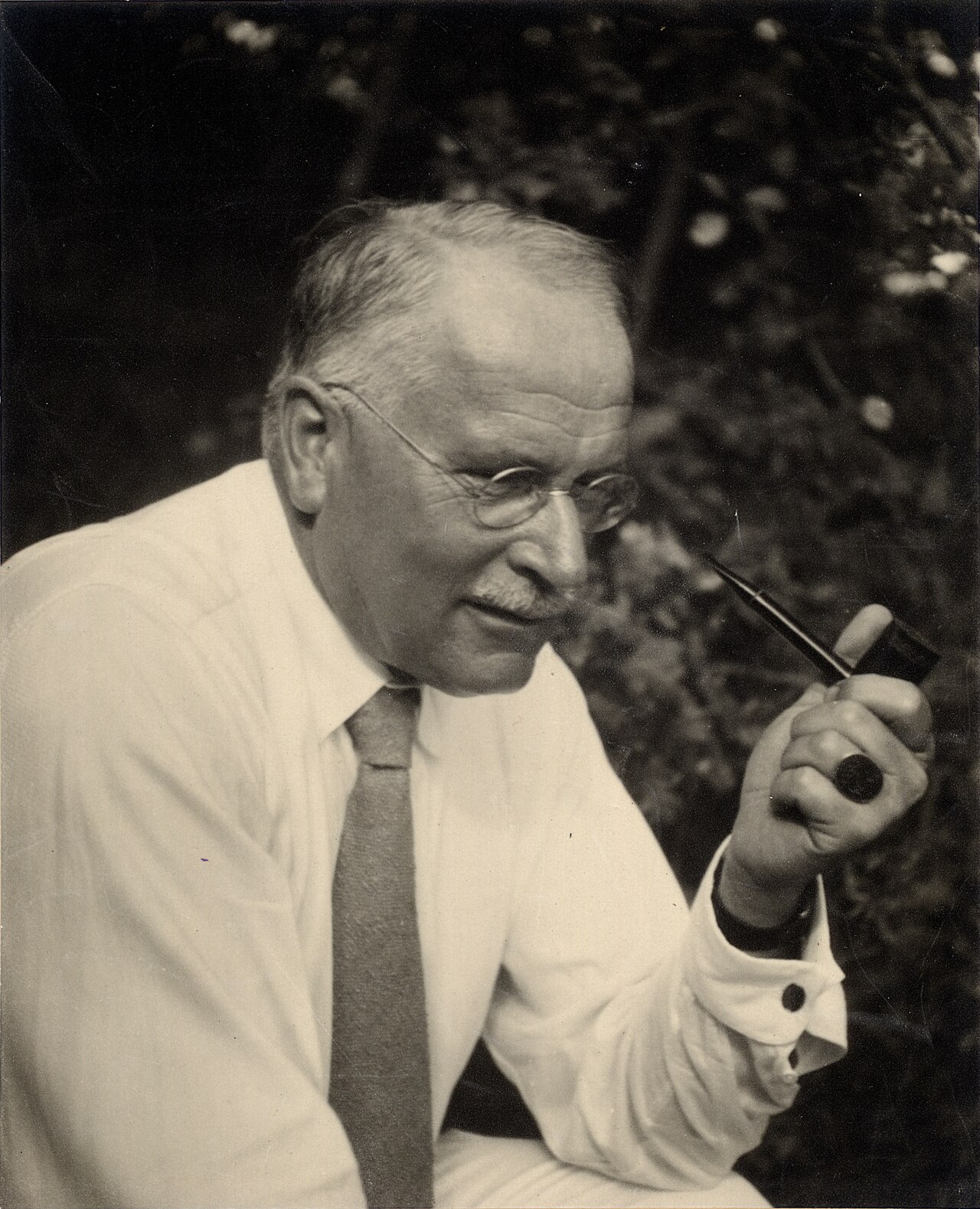 Photograph
Primary source
Portrait of Carl Jung
Free account
Read every Carl Jung source
Sign up free →
Ready when you are
Start chatting with Carl Jung now.
20 messages free · No credit card · Available in 50+ languages.