


Primary sourcePainting1783
Charles Cornwallis, 1st Marquess Cornwallis
Thomas Gainsborough · 1783
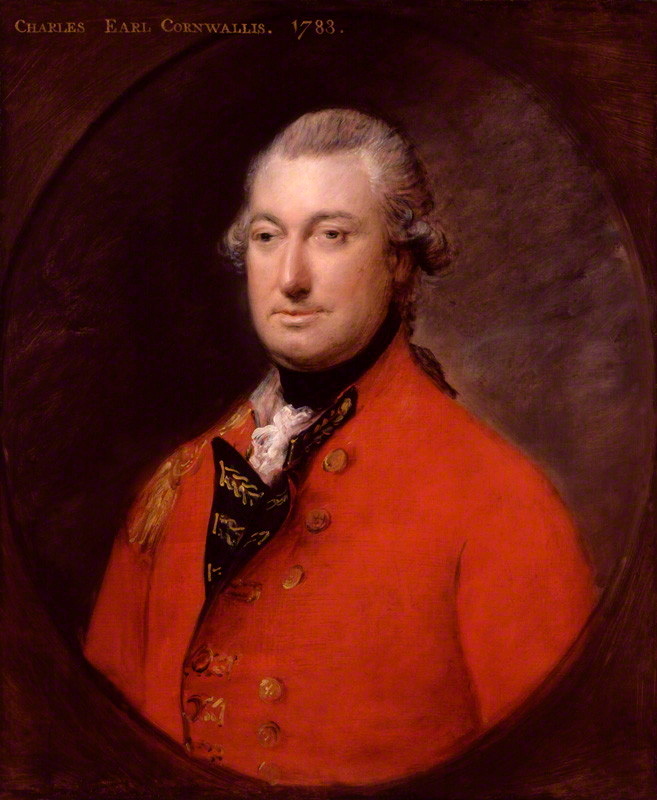
A 1783 portrait by Thomas Gainsborough showing Cornwallis in uniform shortly after his defeat and surrender at Yorktown.
This life portrait of Cornwallis was painted shortly after his surrender at Yorktown, showing his standing was not destroyed by defeat.
About this source
What it is
This oil portrait of Charles, Earl Cornwallis was painted by Thomas Gainsborough in 1783 and is held by the National Portrait Gallery in London. Cornwallis sat for it after returning to London following the Siege of Yorktown, and it was shown at the Royal Academy's Summer Exhibition that year.
Why it matters
Though Cornwallis had just presided over Britain's major defeat in America, the portrait shows his career and reputation were not destroyed by it. Gainsborough painted it the same year peace was formally agreed, and Cornwallis went on to further prominent service, including as Governor-General in India and as a negotiator in Europe. The painting was considered a good likeness at the time.
Look closer
- What does Cornwallis's confident pose and dress suggest about how he wanted to be seen after Yorktown?
- Why might a defeated general still be painted in such a formal, dignified way?
- What is left out of a portrait like this that a document or battle scene might show instead?
This painting is part of the curated material that grounds the AI version of Charles Cornwallis on Humy.ai — when students ask about related events, the AI can quote it and cite it.
More Charles Cornwallis sources
Meet the AI Charles Cornwallis →Primary source
Articles of Capitulation, Yorktown
Charles Cornwallis; George Washington; Comte de Rochambeau; Comte de Barras · 19 October 1781
 Painting
Secondary source
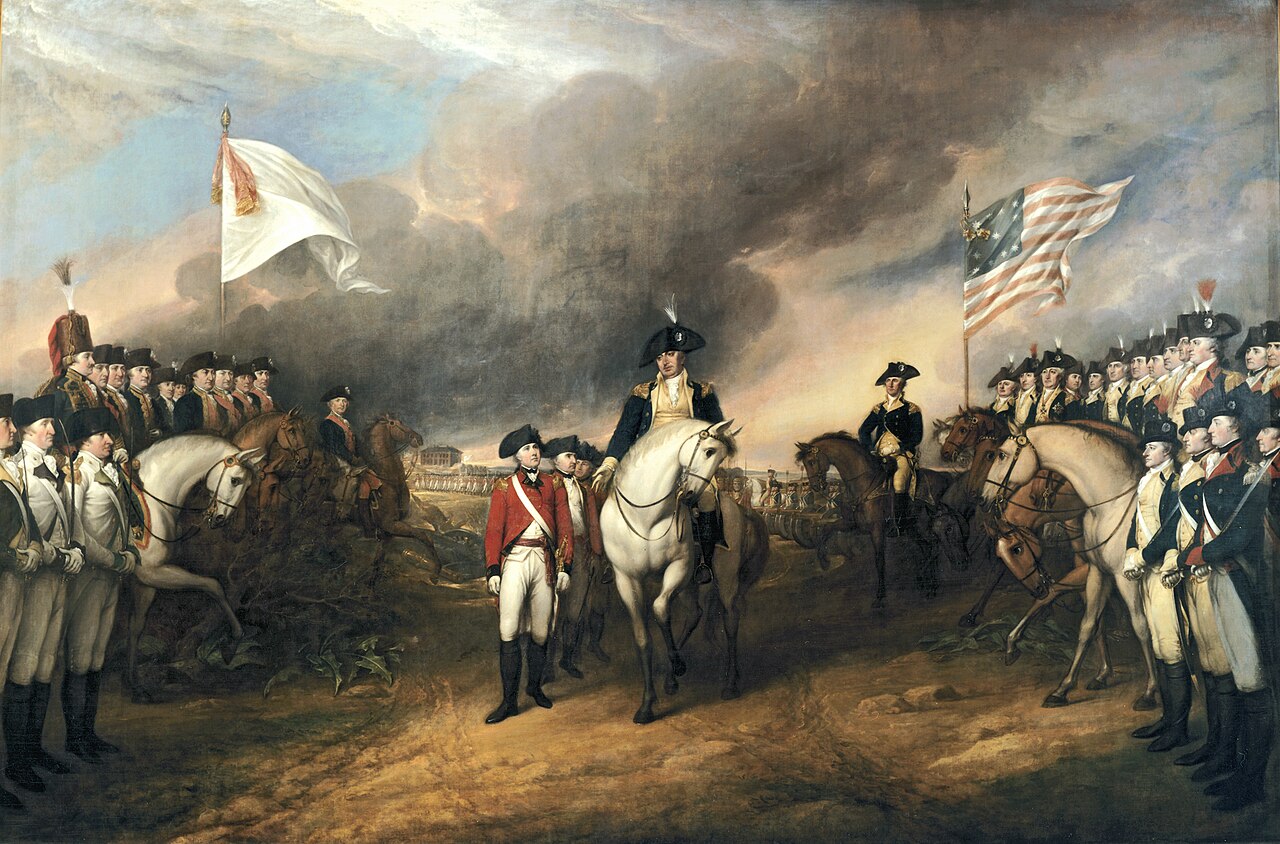
Surrender of Lord Cornwallis
John Trumbull · 1819
 Painting
Secondary source
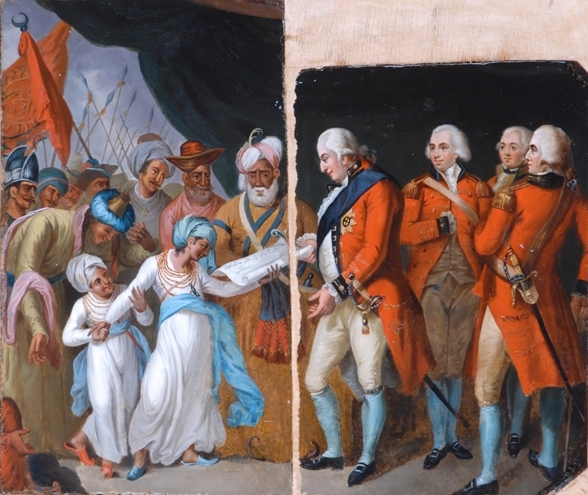
Lord Cornwallis receiving the Hostage Princes
Mather Brown · 1793
 Document
Primary source
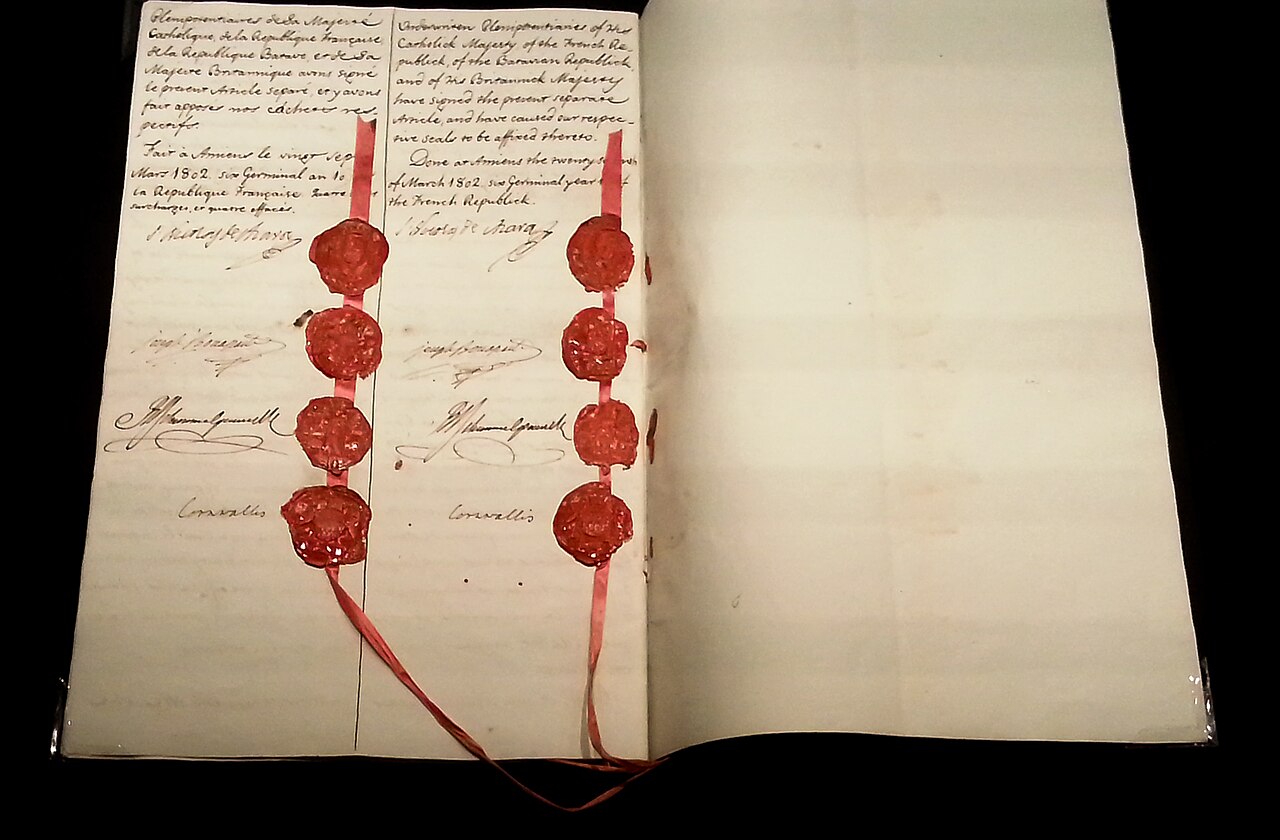
Treaty of Amiens
25 March 1802
 Document
Primary source
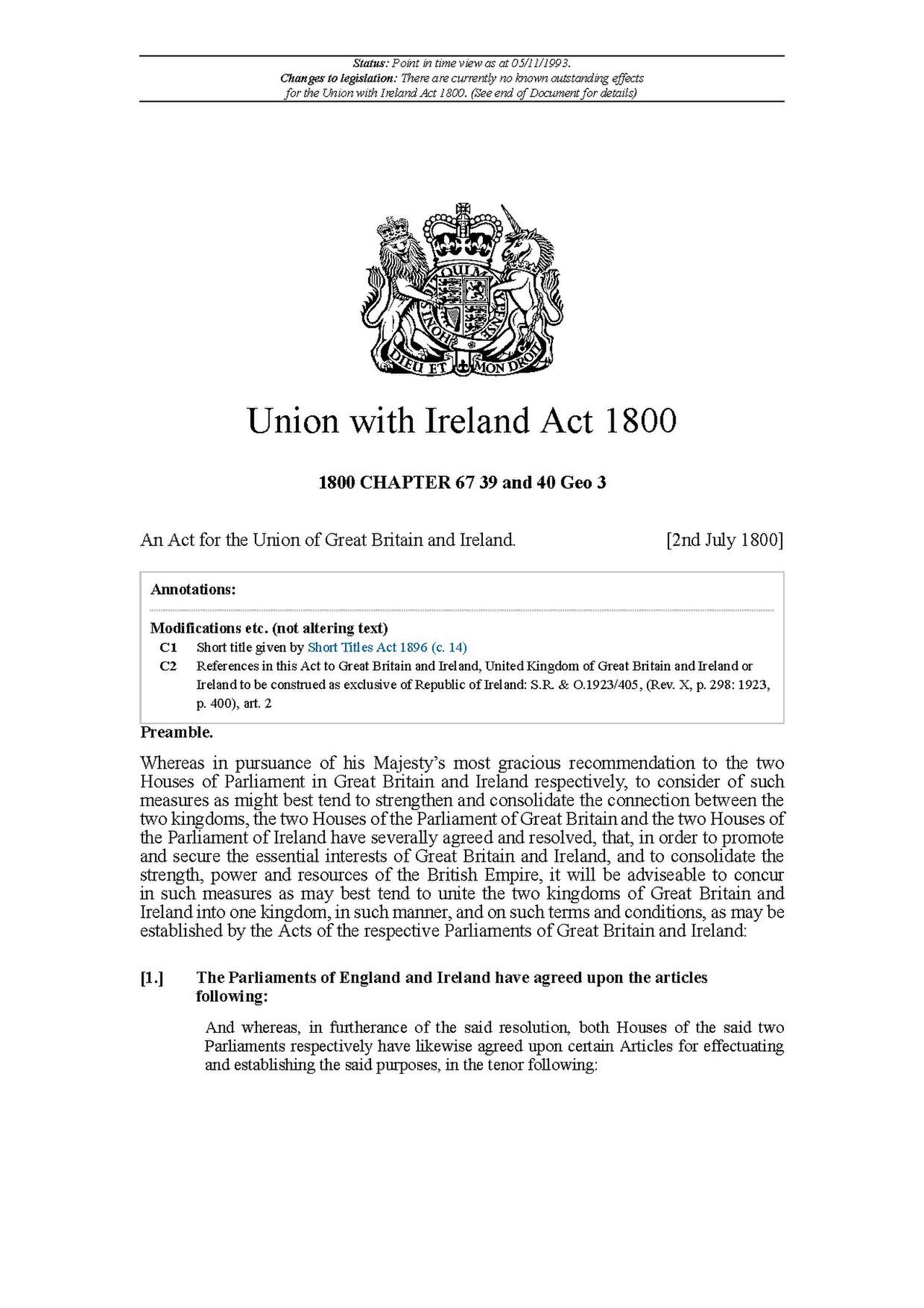
Acts of Union 1800
1800
Ready when you are
Start chatting with Charles Cornwallis now.
20 messages free · No credit card · Available in 50+ languages.