


Secondary sourceArtifact1852
Chepstow Railway Bridge
Isambard Kingdom Brunel · 1852
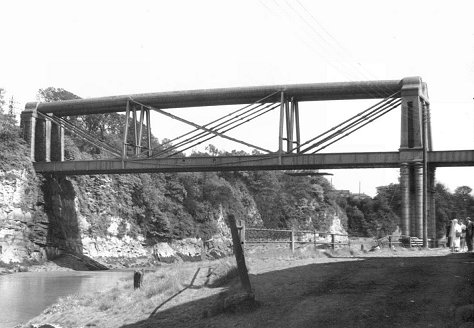
A tubular-truss railway bridge over the River Wye designed by Brunel, whose structure became the model for his later Royal Albert Bridge.
Brunel designed this bridge, an early version of engineering ideas he later used in the Royal Albert Bridge.
About this source
What it is
Chepstow Railway Bridge was designed by Isambard Kingdom Brunel and built in 1852 to carry the railway across the River Wye. It used a tubular-truss design with tall stone pillars supporting the span. The original superstructure was later replaced in 1962.
Why it matters
This bridge mattered as a working experiment: its structural approach became the prototype for Brunel's later and more famous Royal Albert Bridge. It shows how engineers like Brunel tested ideas on smaller projects before using them on bigger ones.
Look closer
- What parts of the bridge's design can you identify in the photograph — tubes, cables, pillars?
- Why might an engineer build a smaller bridge before attempting a larger one with similar ideas?
- What has changed about this bridge since Brunel's time, and why might that matter to historians?
This artifact is part of the curated material that grounds the AI version of Isambard Kingdom Brunel on Humy.ai — when students ask about related events, the AI can quote it and cite it.
More Isambard Kingdom Brunel sources
Meet the AI Isambard Kingdom Brunel →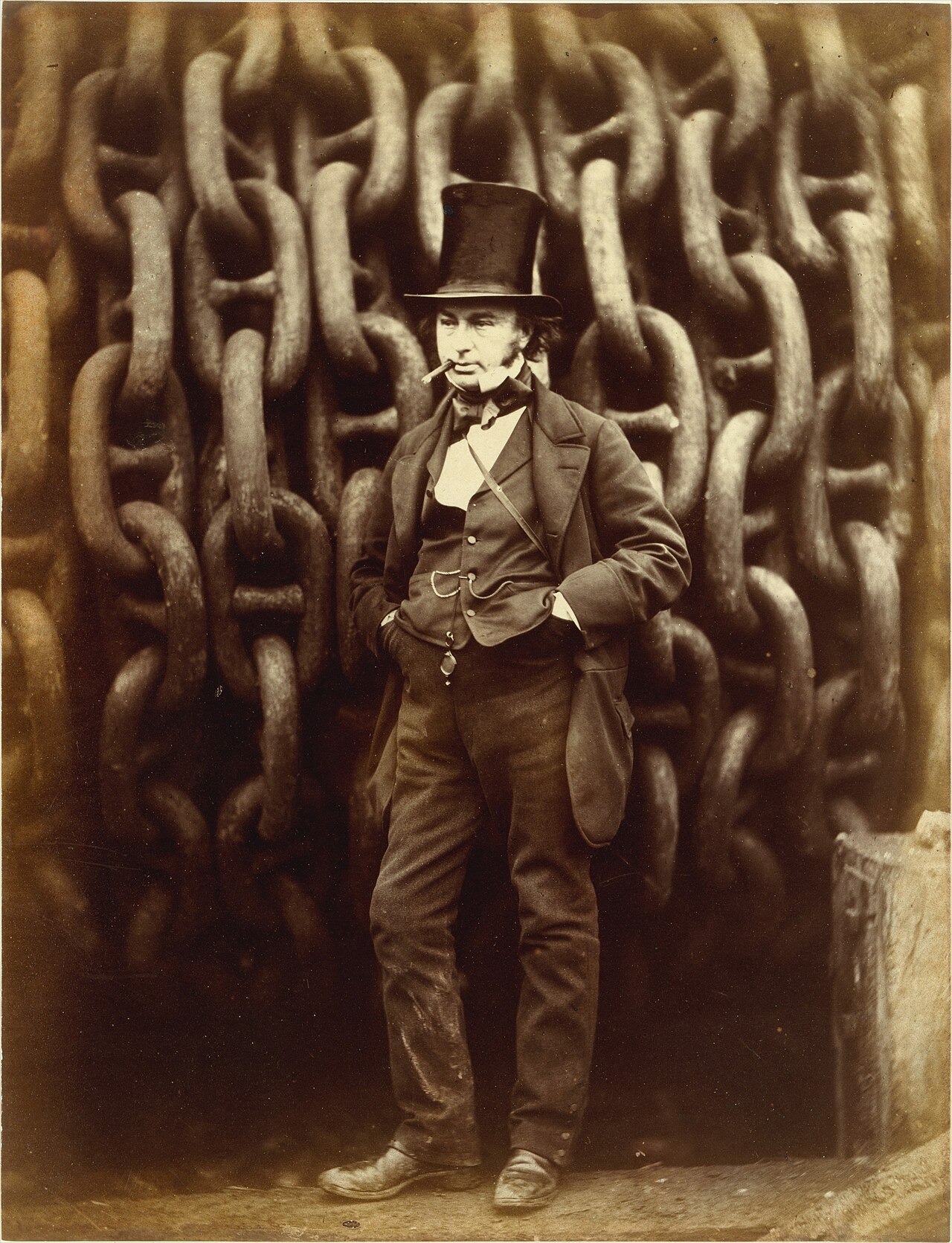 Photograph
Primary source
Isambard Kingdom Brunel Standing Before the Launching Chains of the Great Eastern
Robert Howlett · November 1857
 Artifact
Primary source
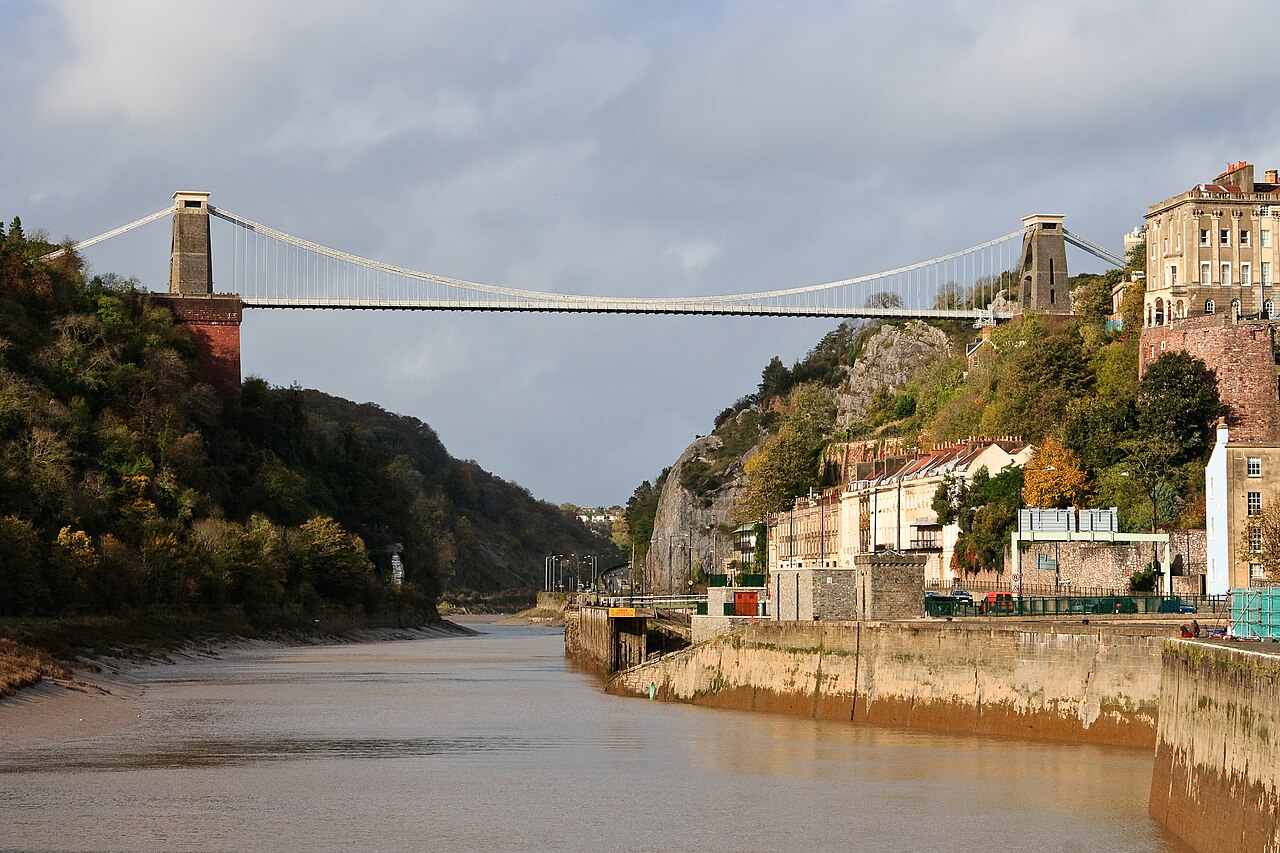
Clifton Suspension Bridge
William Henry Barlow and John Hawkshaw, after a design by Isambard Kingdom Brunel · 1864 (completed)
 Artifact
Primary source
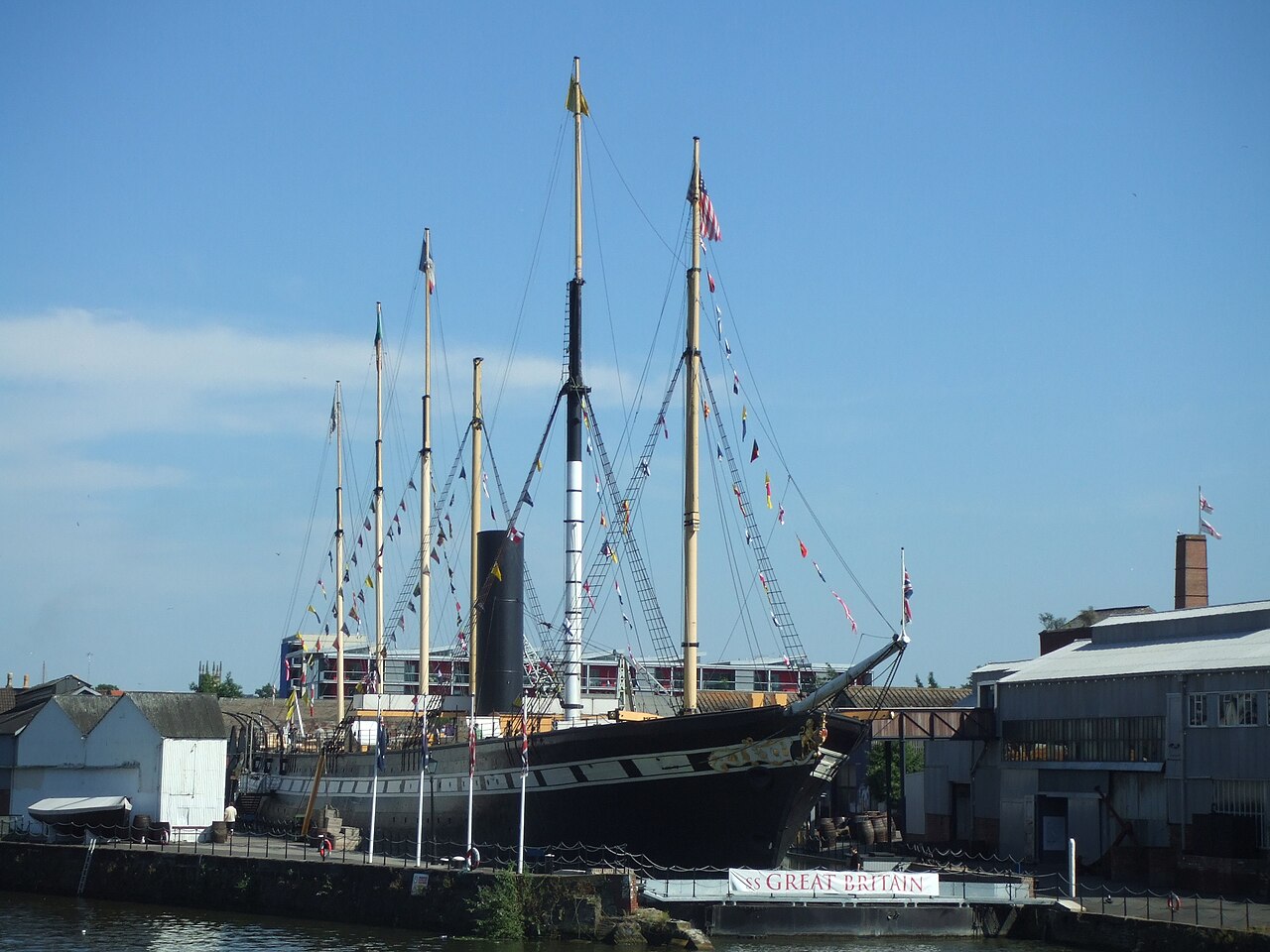
SS Great Britain
Isambard Kingdom Brunel · 1843 (launched)
 Artifact
Primary source
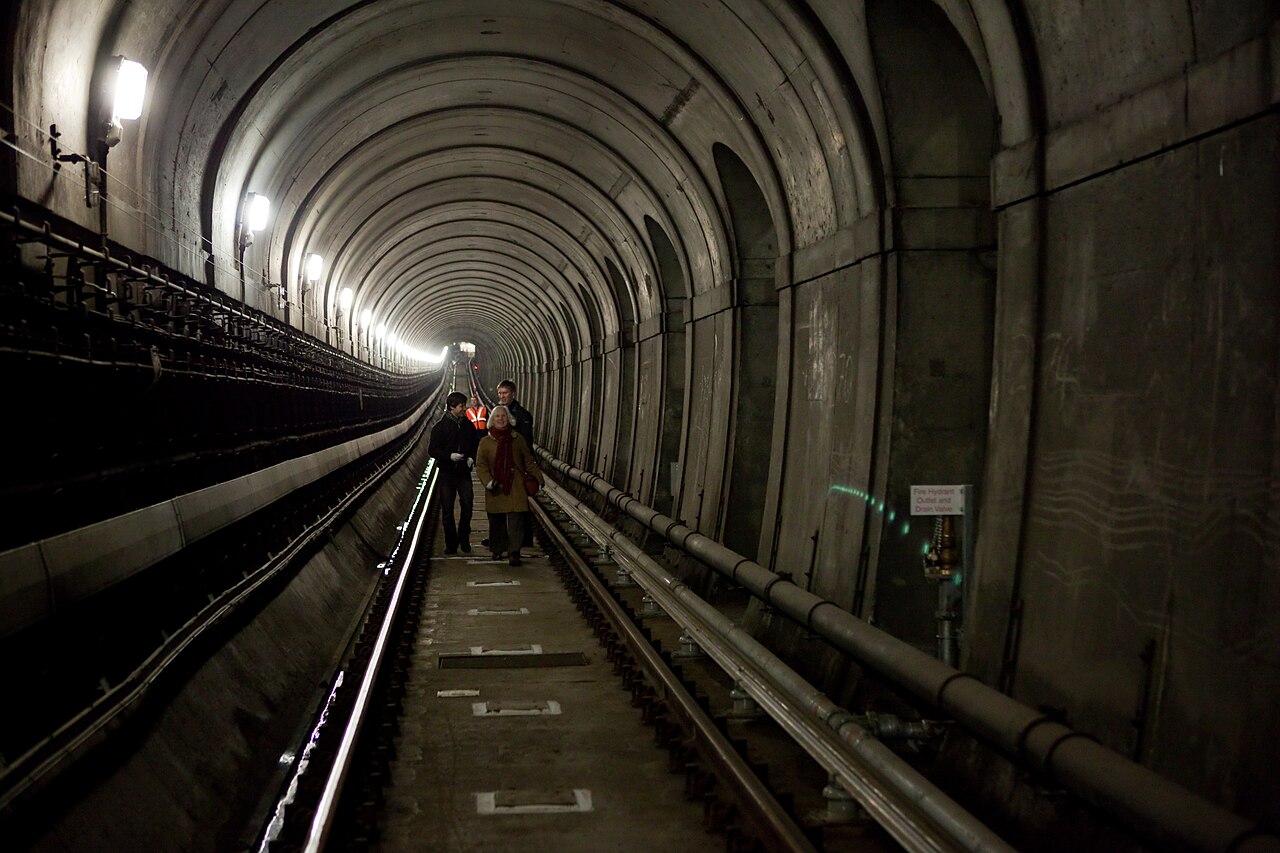
Thames Tunnel
Marc Brunel, with Isambard Kingdom Brunel as resident engineer · 1825-1843
 Artifact
Primary source
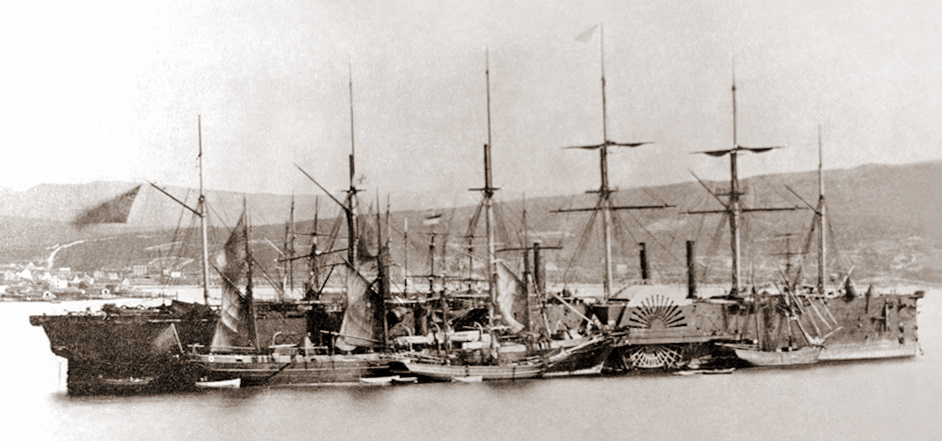
SS Great Eastern
Isambard Kingdom Brunel · 1858 (launched)
Ready when you are
Start chatting with Isambard Kingdom Brunel now.
20 messages free · No credit card · Available in 50+ languages.