


Primary sourceDiary entry1915–1972
Chiang Kai-shek diaries
Chiang Kai-shek · 1915–1972
A daily diary Chiang Kai-shek kept from 1915 to 1972, now the most detailed personal record of any modern Chinese leader.
This is Chiang's own daily diary, the most intimate surviving record of his private thoughts and decisions.
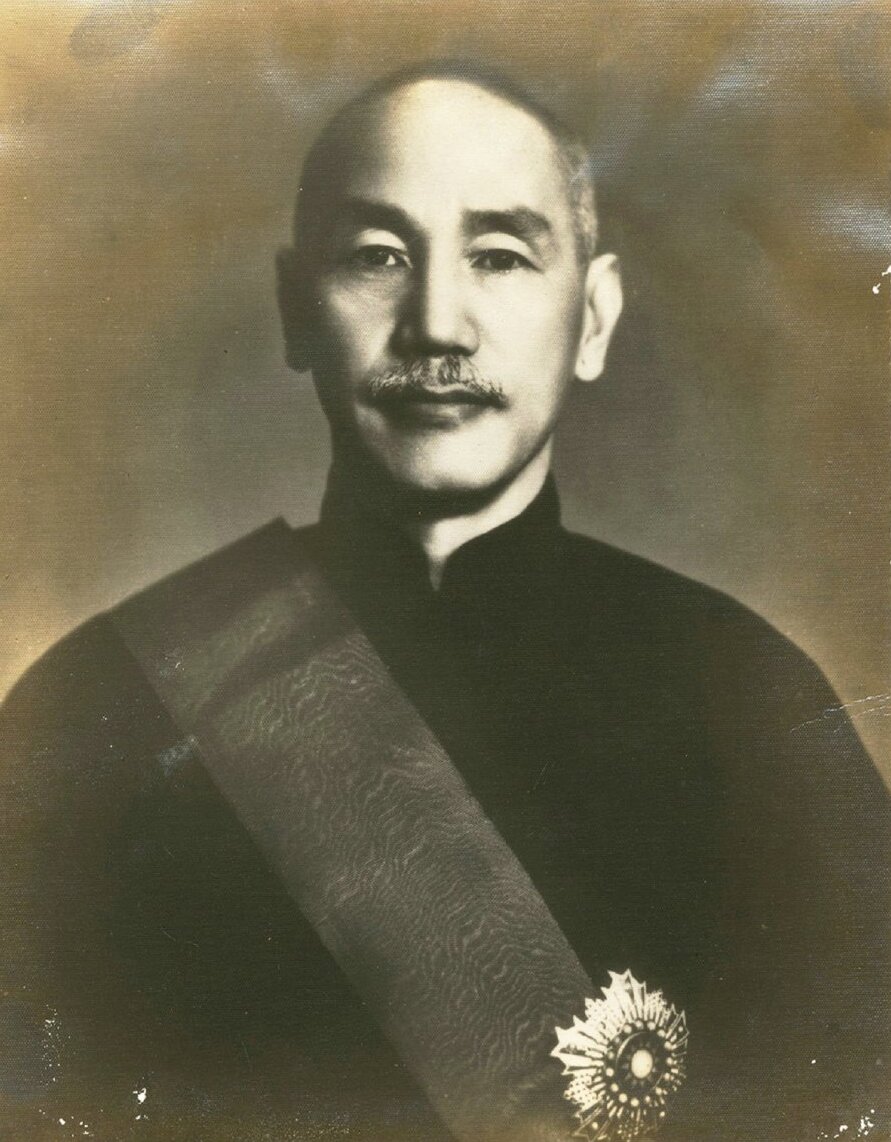
About this source
What it is
These are Chiang Kai-shek's private diaries, written by hand in ink brush almost daily from 1915 until illness stopped him in 1972. Some early years were lost. Copies and categorized excerpts were later made by aides and scholars. The originals were kept by the Hoover Institution at Stanford before being moved to Taiwan's National Museum of History.
Why it matters
The diary is considered an unusually authentic source on Chiang's own thinking, covering the 1927 purge of communists, the war against Japan, and his rule in Taiwan. Historians use it to test the official stories told by both the Kuomintang and the Chinese Communist Party.
Look closer
- Why might a diary written by a leader himself still not tell the whole truth?
- What does it mean that parts of the diary were hidden, copied, or edited by others before historians could read them?
- Why do scholars value a private diary differently from an official speech?
This diary entry is part of the curated material that grounds the AI version of Chiang Kai-shek and Soong Mei-ling on Humy.ai — when students ask about related events, the AI can quote it and cite it.
More Chiang Kai-shek sources
Browse all 96 →Primary source
Lushan Statement
Chiang Kai-shek · 17 July 1937
Primary source
Cairo Declaration
Chiang Kai-shek, Franklin D. Roosevelt and Winston Churchill · 27 November 1943 (released 1 December 1943)
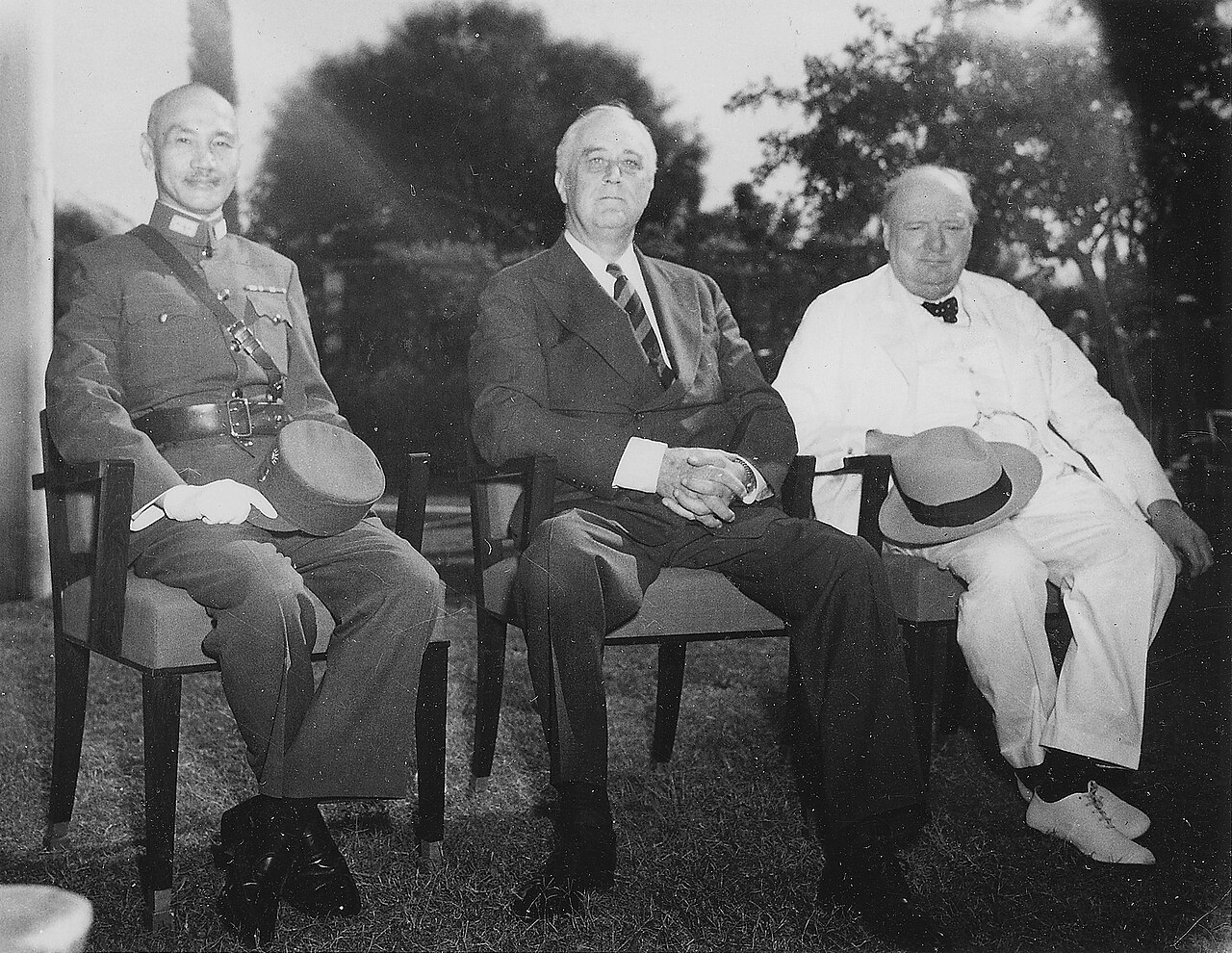 Photograph
Primary source
Photograph of Chiang Kai-shek, Franklin D. Roosevelt and Winston Churchill at the Cairo Conference
U.S. Army Signal Corps · 25 November 1943
Primary source
Chiang Kai-Shek's Victory Message
Chiang Kai-shek · 15 August 1945
Free account
Read every Chiang Kai-shek source
Sign up free →
Ready when you are
Start chatting with Chiang Kai-shek now.
20 messages free · No credit card · Available in 50+ languages.