


Primary sourceDocument1793
Chisholm v. Georgia
John Jay and other justices of the U.S. Supreme Court · 1793
The Supreme Court decision in which Chief Justice John Jay held that a state could be sued by a citizen of another state.
Jay wrote this opinion as Chief Justice, making it a direct record of his judicial reasoning.
About this source
What it is
This is the 1793 Supreme Court opinion in Chisholm v. Georgia, written by Chief Justice John Jay and other justices and held at the U.S. National Archives.
The case asked whether a state could be sued by a citizen of another state, and Jay's opinion argued that it could.
Why it matters
This was the most important case of the Jay Court, and its ruling was controversial enough that it provoked the Eleventh Amendment, which limited citizens' ability to sue states. It shows Jay working out, early in the nation's history, how power should be balanced between states and the federal government.
Look closer
- Why might states have objected strongly to being sued by citizens of other states?
- What does the fact that an amendment was needed to overturn this ruling tell you about its impact?
- How does Jay structure his argument into separate questions?
This document is part of the curated material that grounds the AI version of John Jay on Humy.ai — when students ask about related events, the AI can quote it and cite it.
More John Jay sources
Meet the AI John Jay →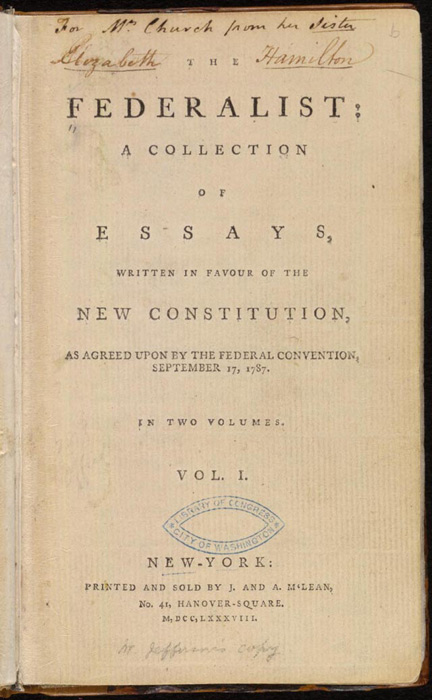 Book
Primary source
The Federalist Papers
Alexander Hamilton, James Madison, John Jay · 1788
 Document
Primary source
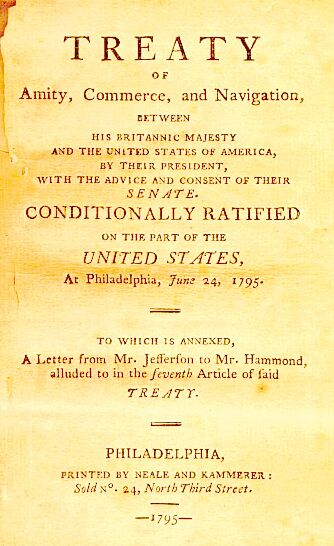
Jay's Treaty
John Jay · 1794
Primary source
Federalist No. 2
John Jay · 31 October 1787
 Painting
Primary source
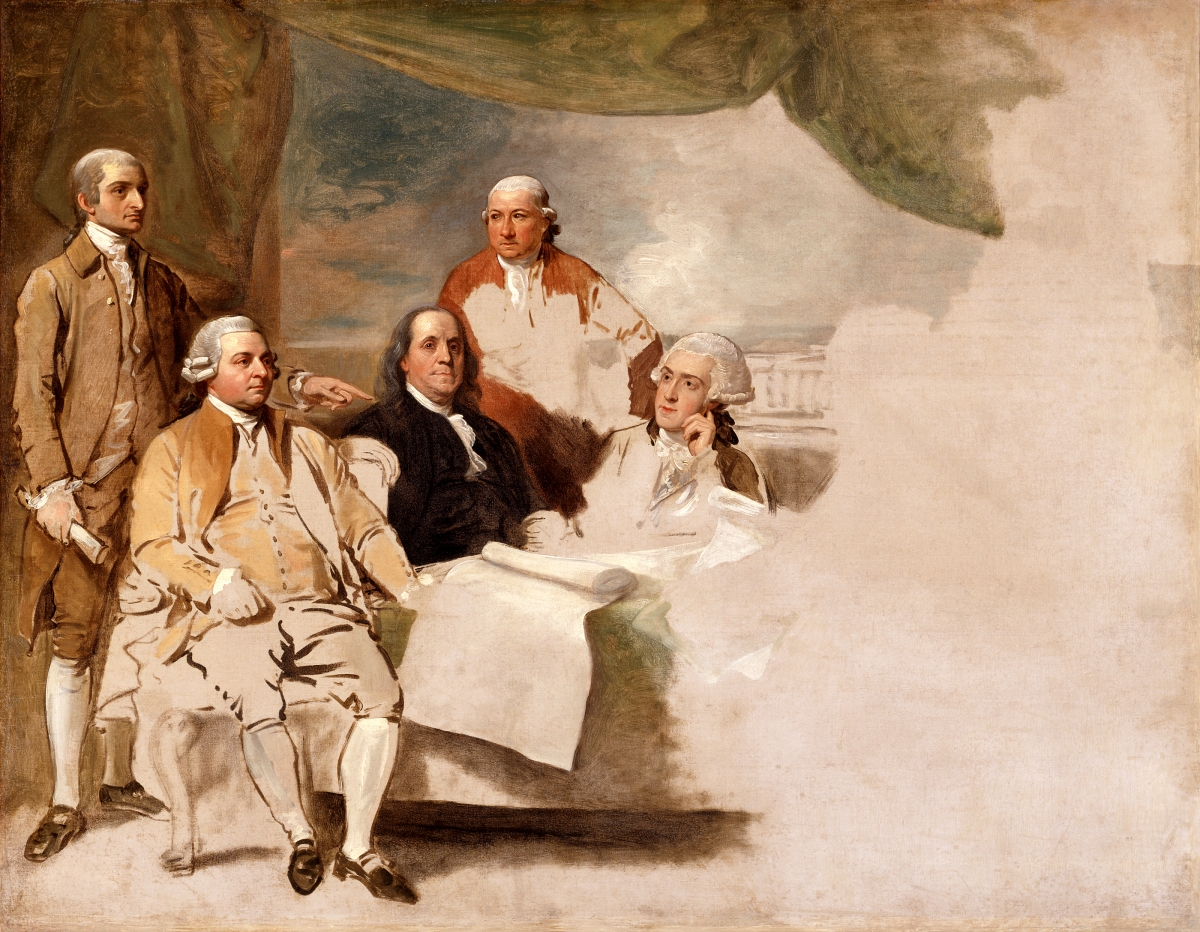
American Commissioners of the Preliminary Peace Negotiations with Great Britain
Benjamin West · 1783-1784
 Painting
Primary source
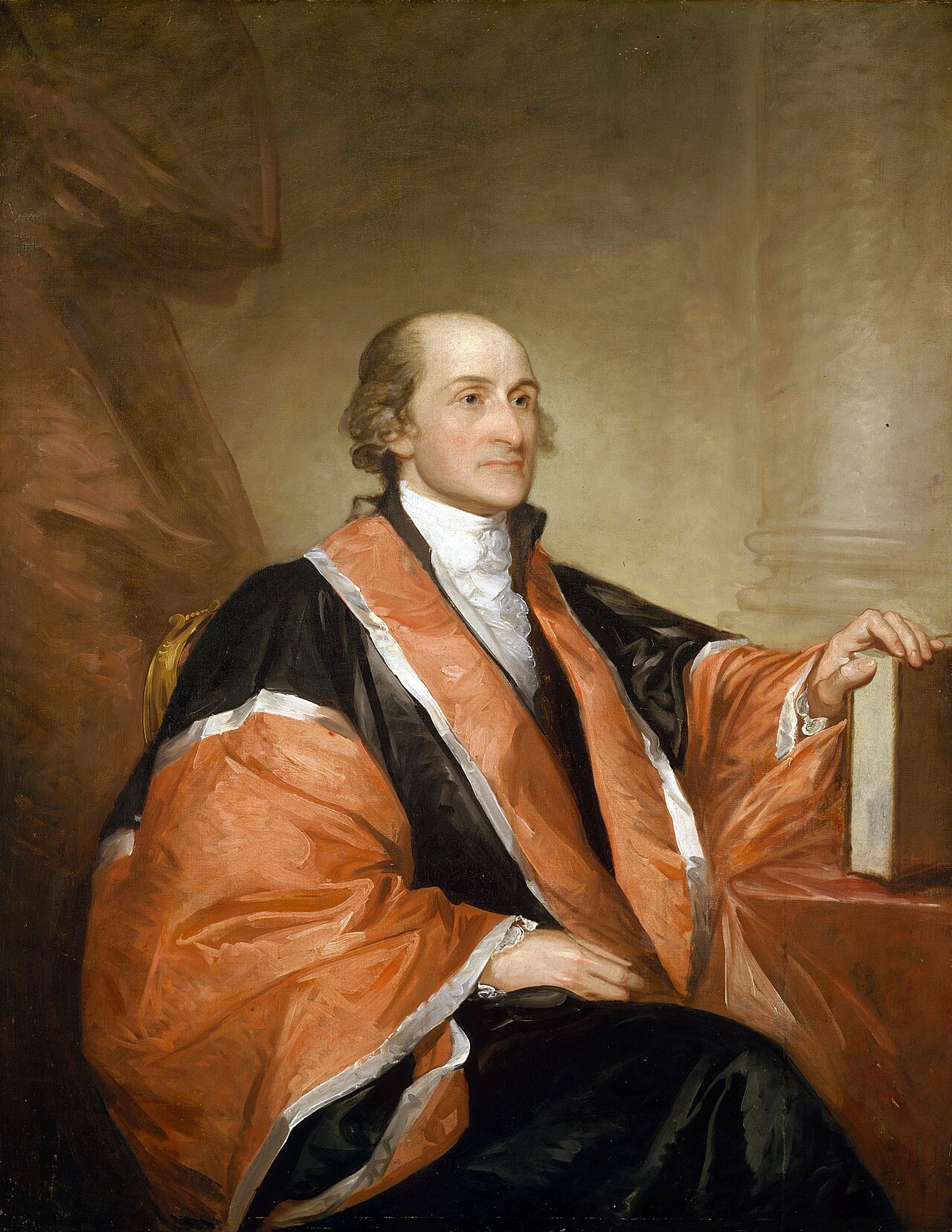
Portrait of John Jay
Gilbert Stuart · 1794
Ready when you are
Start chatting with John Jay now.
20 messages free · No credit card · Available in 50+ languages.