


Primary sourceArtifact7th–16th century
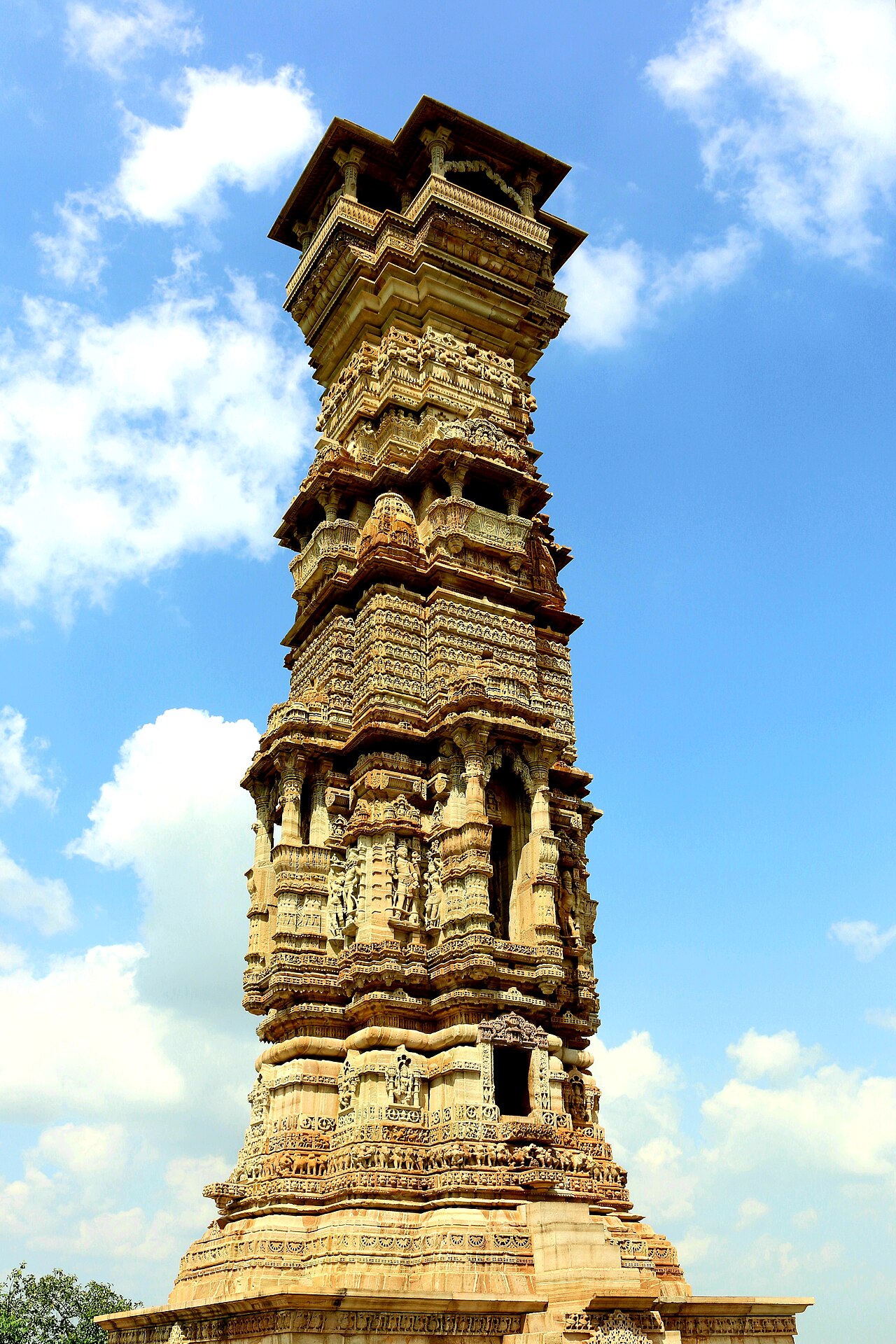
Chittorgarh Fort
7th–16th century
The ancestral capital of Pratap Singh's Sisodia dynasty, lost to Akbar in 1568 and never recovered despite being his lifelong goal.
The lost ancestral capital of Mewar that Pratap Singh spent his reign trying, unsuccessfully, to recover.
About this source
What it is
Chittorgarh Fort is a large hill fortress in Rajasthan that served for centuries as the capital of the Sisodia rulers of Mewar, with construction and additions spanning from the 7th to the 16th century.
Why it matters
Chittorgarh was the ancestral seat of Pratap Singh's family, but it fell to the Mughal emperor Akbar in 1568, before Pratap became ruler. Recovering Chittorgarh became the defining, unfulfilled ambition of his reign, and his refusal to submit to Akbar in order to pursue this goal is central to his historical reputation as a symbol of resistance.
Look closer
- Why might losing an ancestral capital matter so much to a ruler and his people?
- What does it mean that Pratap Singh never achieved this goal in his lifetime?
- How might a building like this be used today to tell stories about resistance and identity?
This artifact is part of the curated material that grounds the AI version of Maharana Pratap on Humy.ai — when students ask about related events, the AI can quote it and cite it.
More Maharana Pratap sources
Meet the AI Maharana Pratap →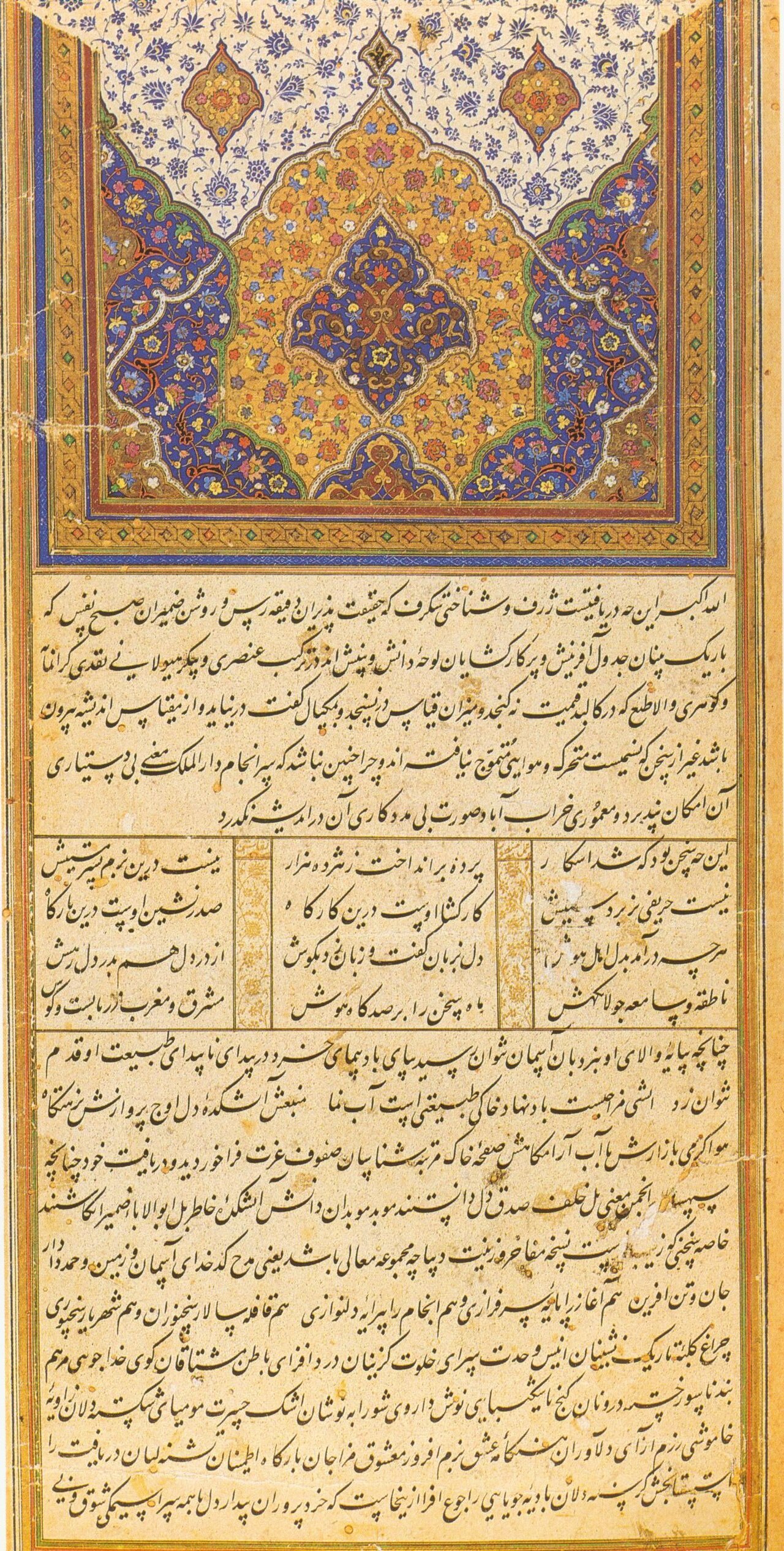 Book
Primary source
Akbarnama
Abu'l-Fazl ibn Mubarak · c. 1590
 Book
Primary source
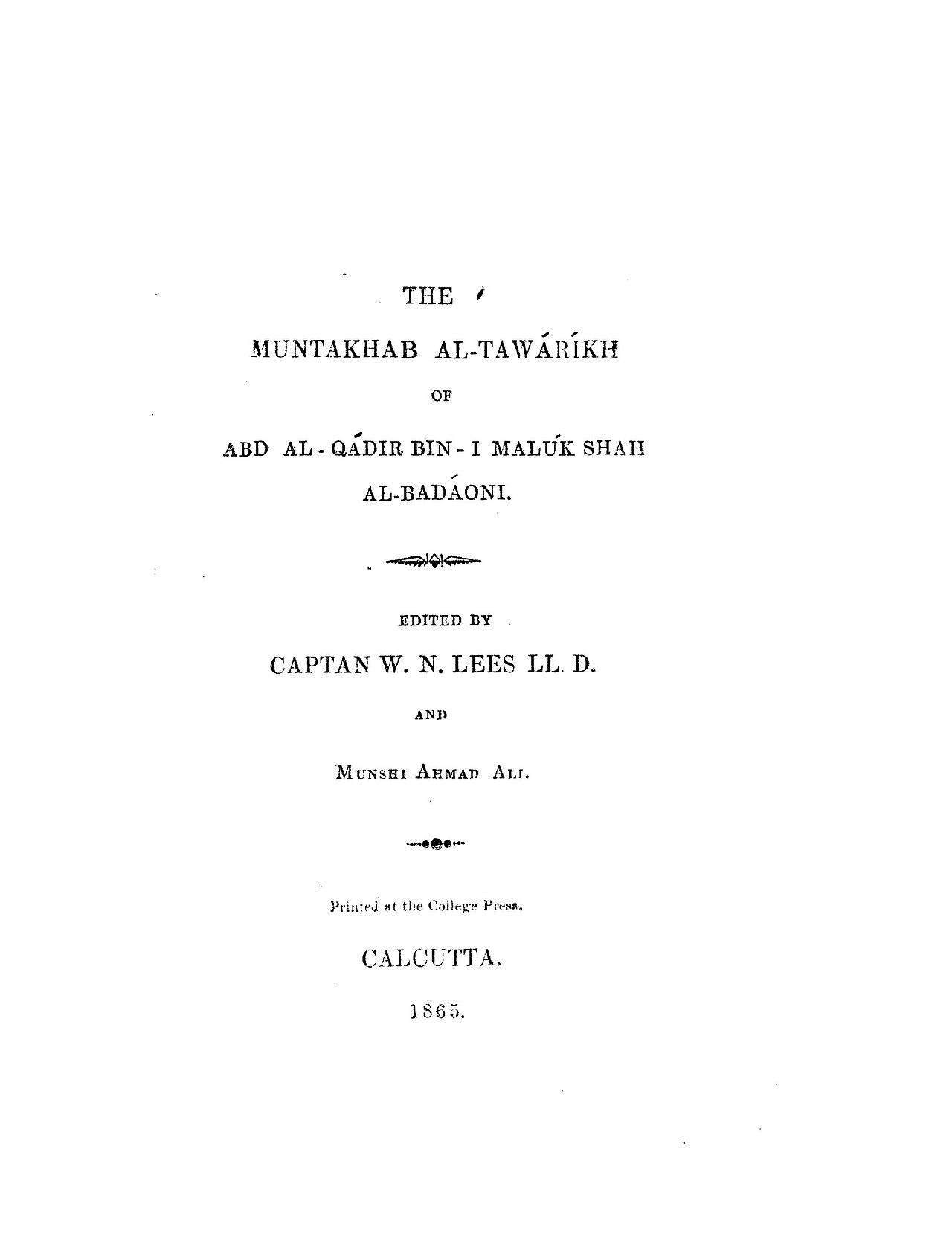
Muntakhab-ut-Tawarikh
Abd al-Qadir Bada'uni · 1595
 Artifact
Primary source
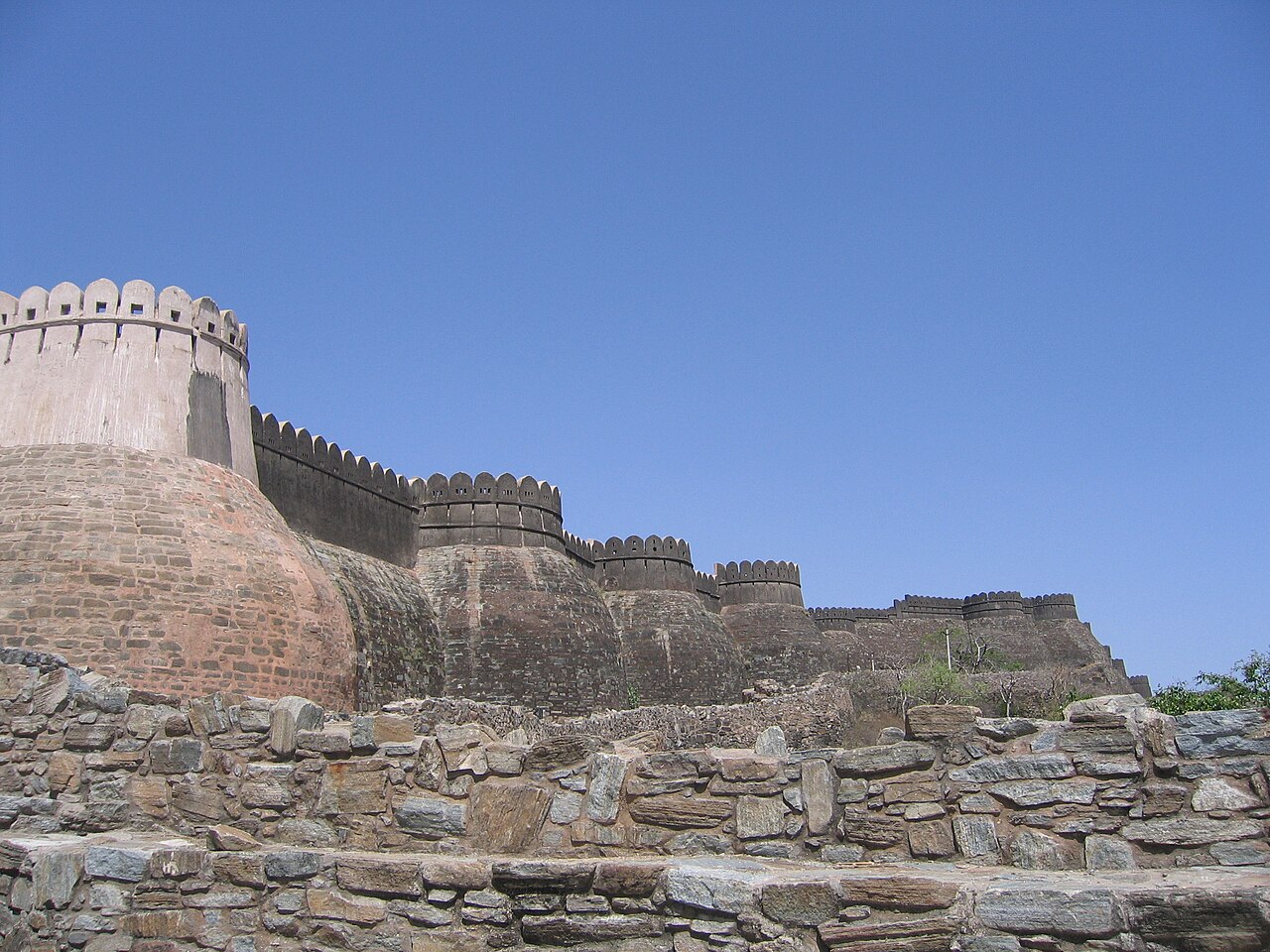
Kumbhalgarh
1592
 Book
Secondary source
Annals and Antiquities of Rajasthan
James Tod · 1829–1832
 Painting
Secondary source
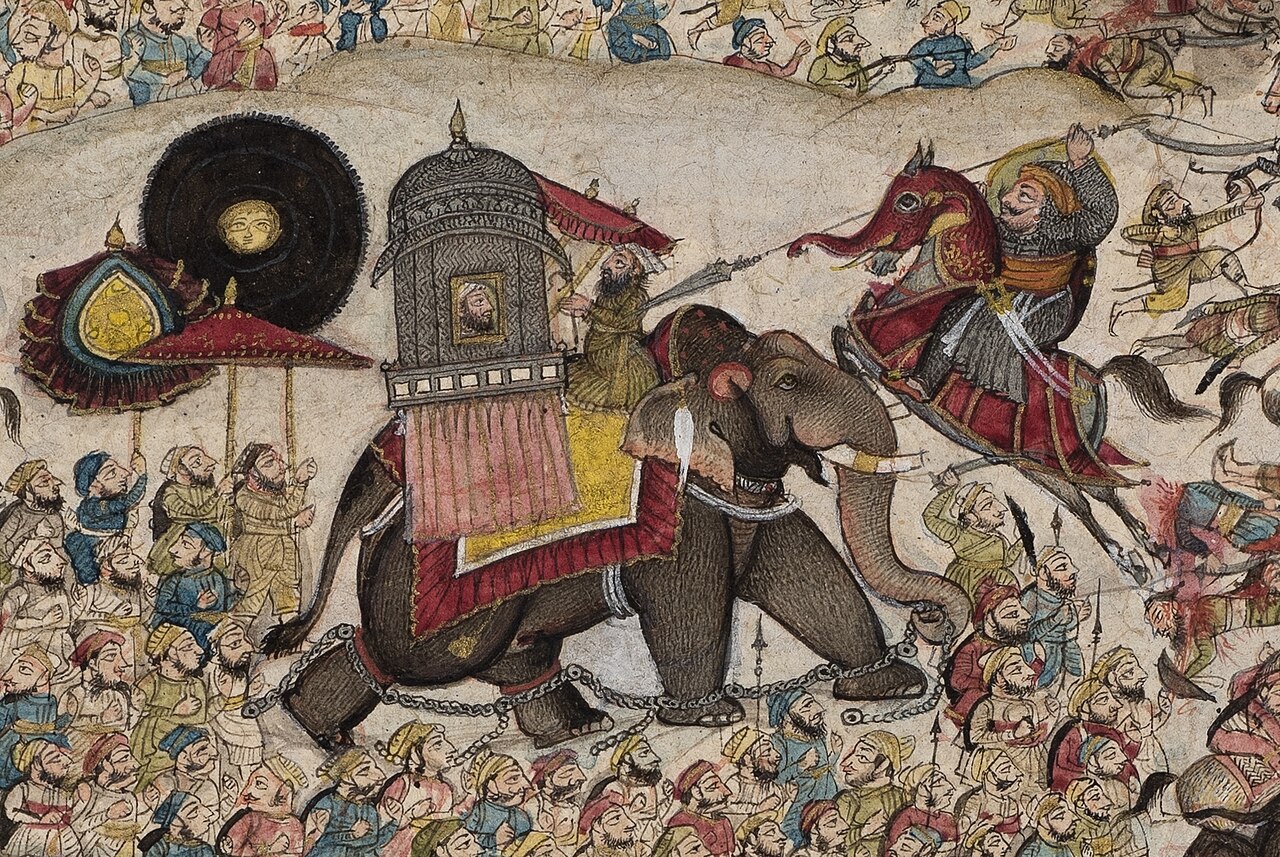
Maharana Pratap Singh Attacking Man Singh at the Battle of Haldighati
Chokha · c. 1810–1820
Ready when you are
Start chatting with Maharana Pratap now.
20 messages free · No credit card · Available in 50+ languages.