


Primary sourceBookc. 1437–1461
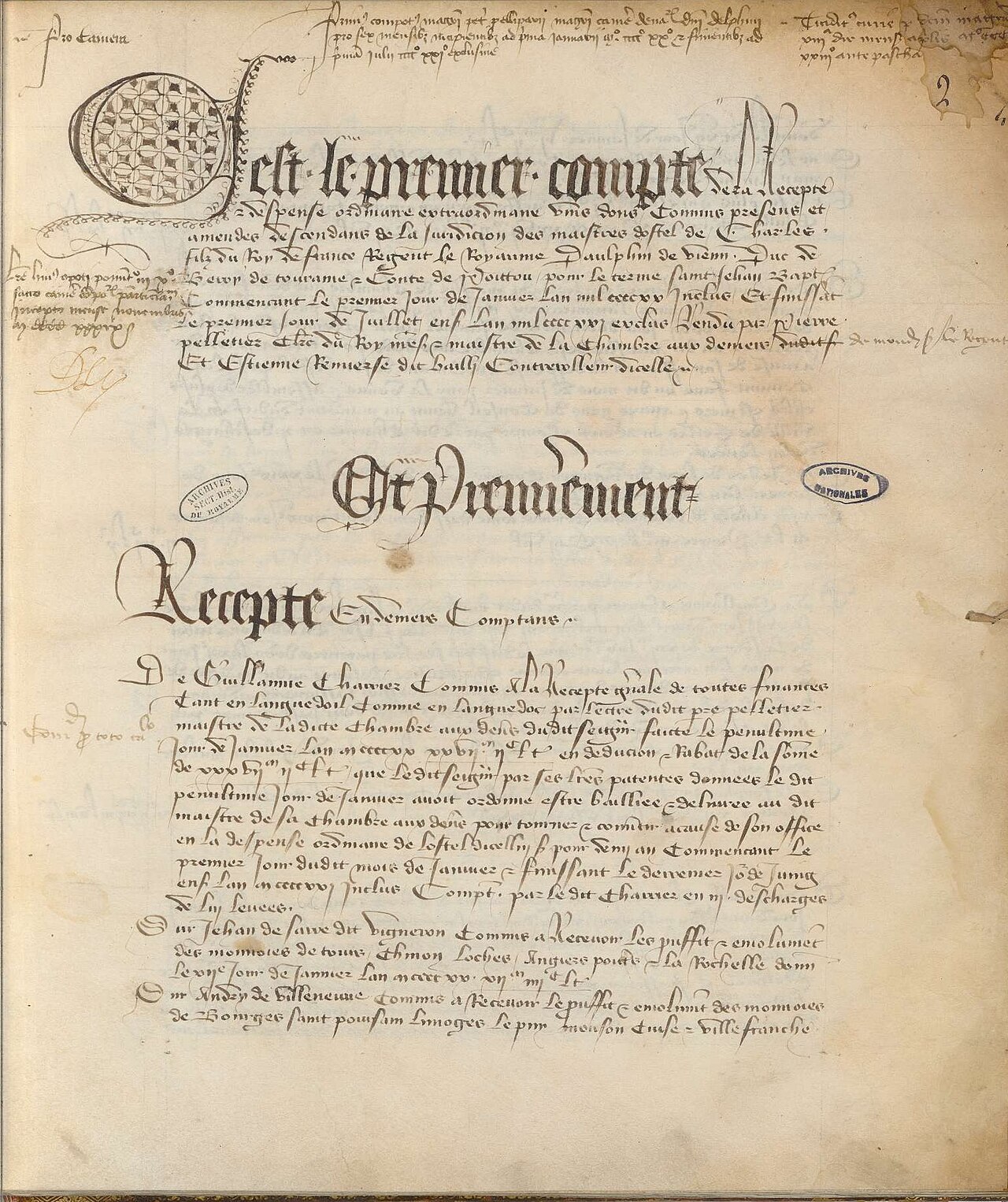
Chronique de Charles VII
Jean Chartier · c. 1437–1461
The official chronicle of Charles VII's reign, written by Jean Chartier, the king's appointed royal historiographer.
Jean Chartier served as Charles VII's official royal chronicler, making this the court's own narrative of his reign.
Free Humy account · No credit card · 120,912 sources to read

About this source
What it is
This chronicle of the reign of Charles VII was written by Jean Chartier, a monk of the Abbey of Saint-Denis who was made official chronicler of the king in 1437. It covers events across the reign and is held at the Bibliothèque nationale de France.
Why it matters
As the court's own account, the chronicle reflects how Charles VII's government wanted his reign to be remembered. Jean Chartier had earlier assisted with chronicling the reign of Charles VI, and his appointment shows how French kings used official historians to shape their public image. The surviving text also records darker episodes of the period, including trials and executions carried out under royal justice.
Look closer
- Why would a king appoint an official chronicler rather than rely on independent accounts?
- What might an official chronicle leave out or soften compared to other sources?
- How does reading a court-approved history change the way we should trust it?
This book is part of the curated material that grounds the AI version of Charles VII of France on Humy.ai — when students ask about related events, the AI can quote it and cite it.
More Charles VII of France sources
Browse all 97 → Painting
Secondary source
Charles VII, King of France
Jean Fouquet · 1444
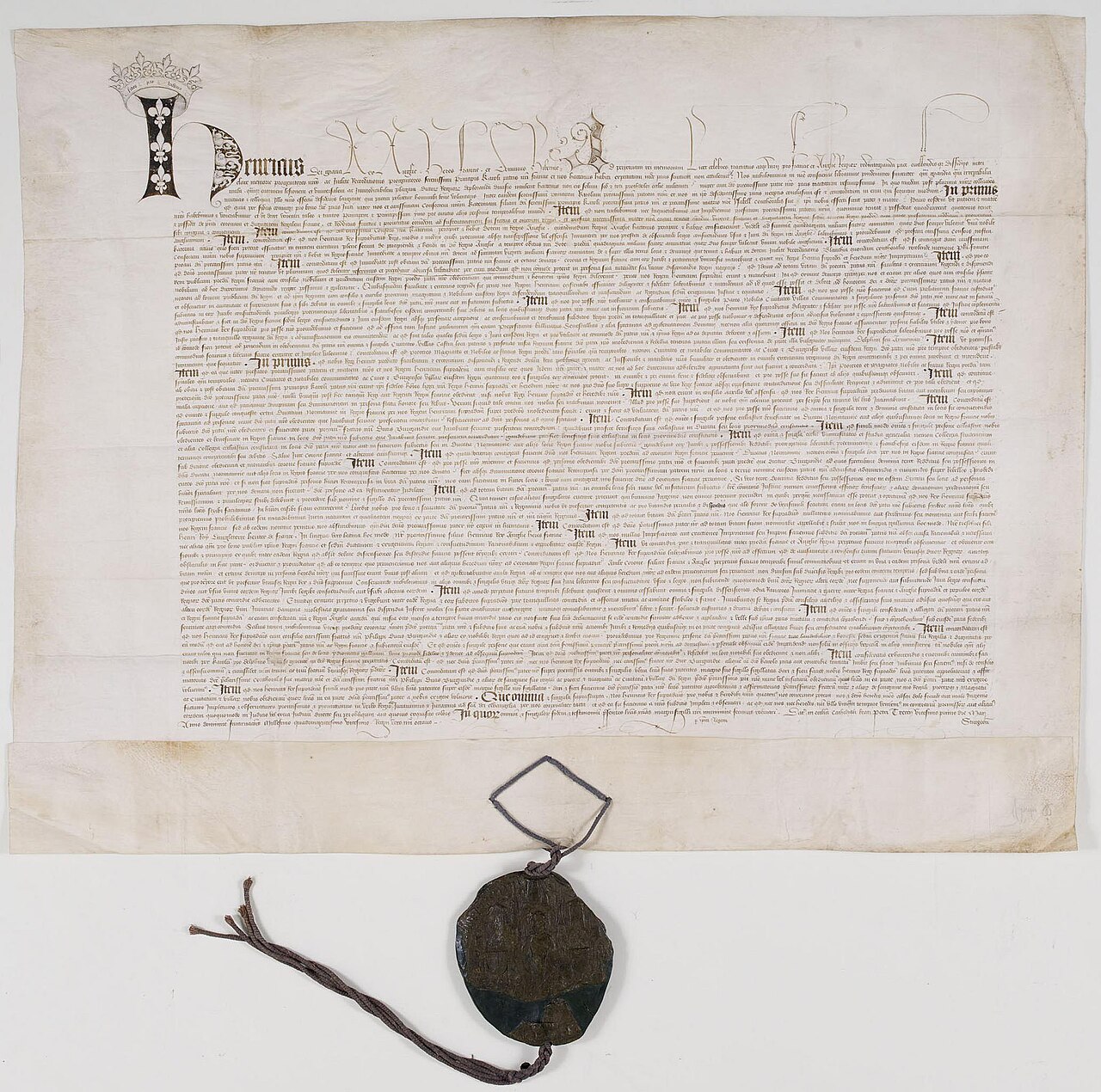 Document
Primary source
Treaty of Troyes
21 May 1420
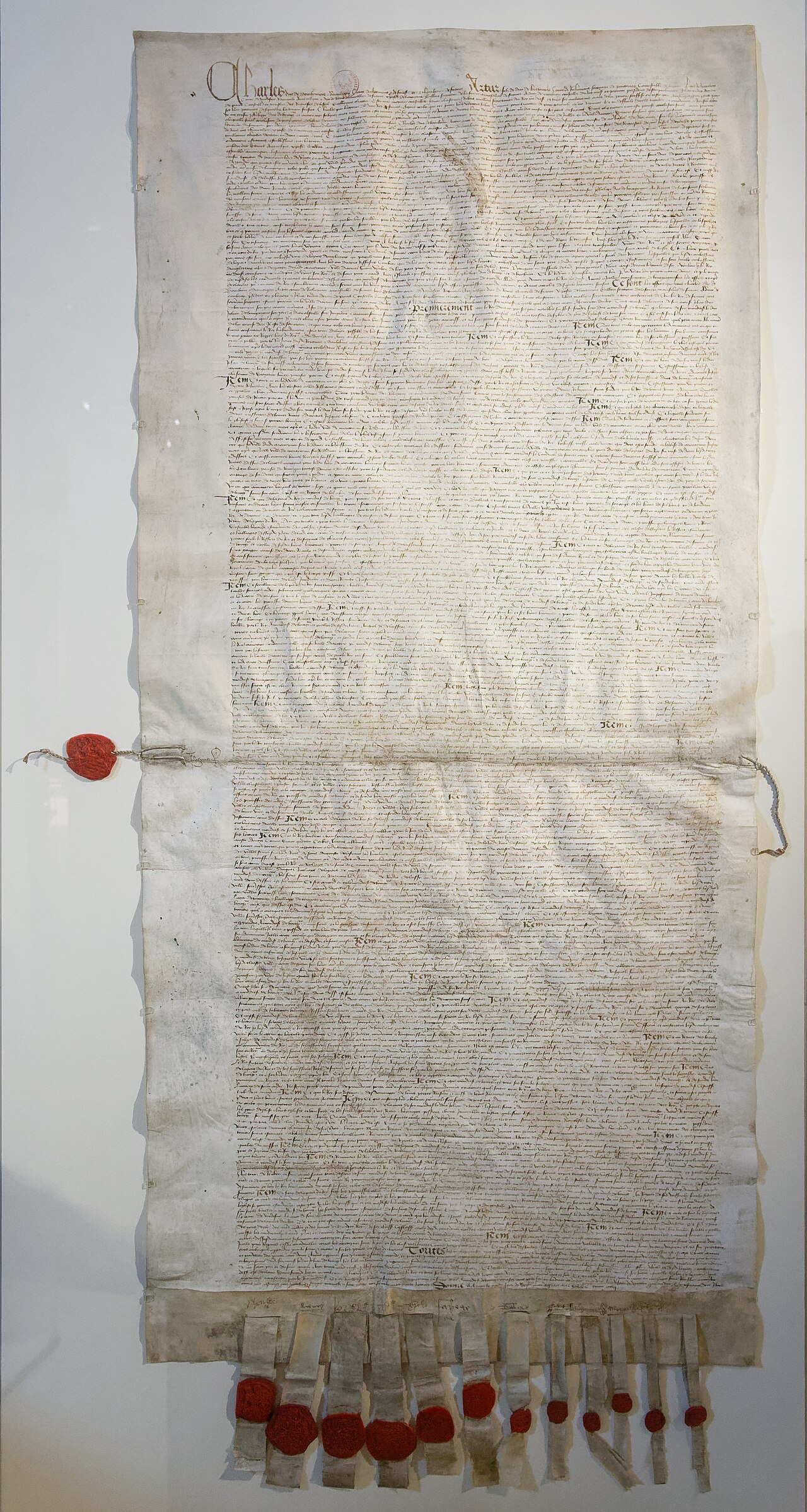 Document
Primary source
Peace Treaty between Charles VII and Philip the Good
21 September 1435
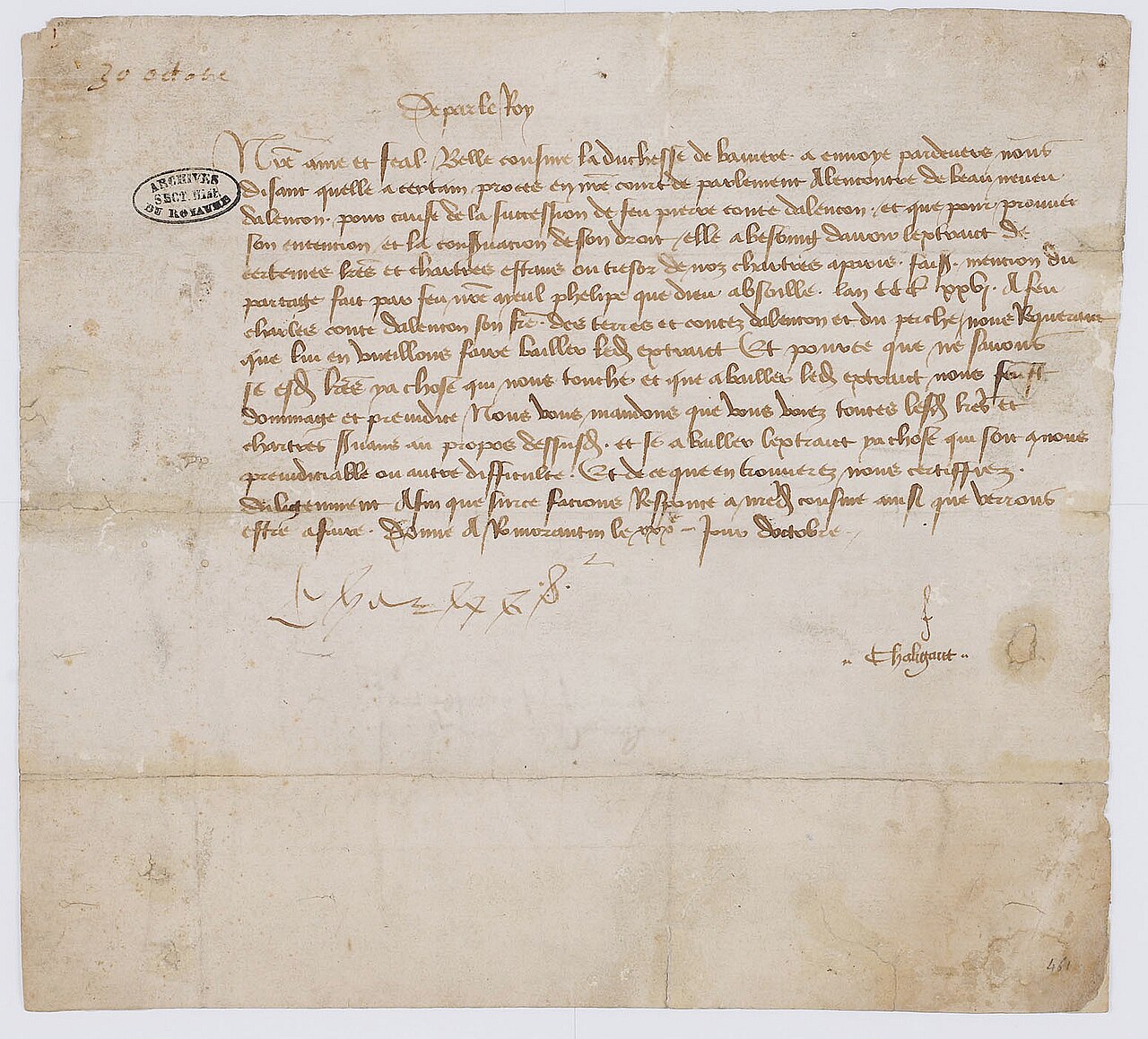 Letter
Primary source
Letter of Charles VII
Charles VII of France


Free account
Read every Charles VII of France source
Sign up free →
Ready when you are
Start chatting with Charles VII of France now.
20 messages free · No credit card · Available in 50+ languages.