


Secondary sourceBook14th century
Church Slavonic Vita of Saint Wenceslaus and Ludmila
14th century
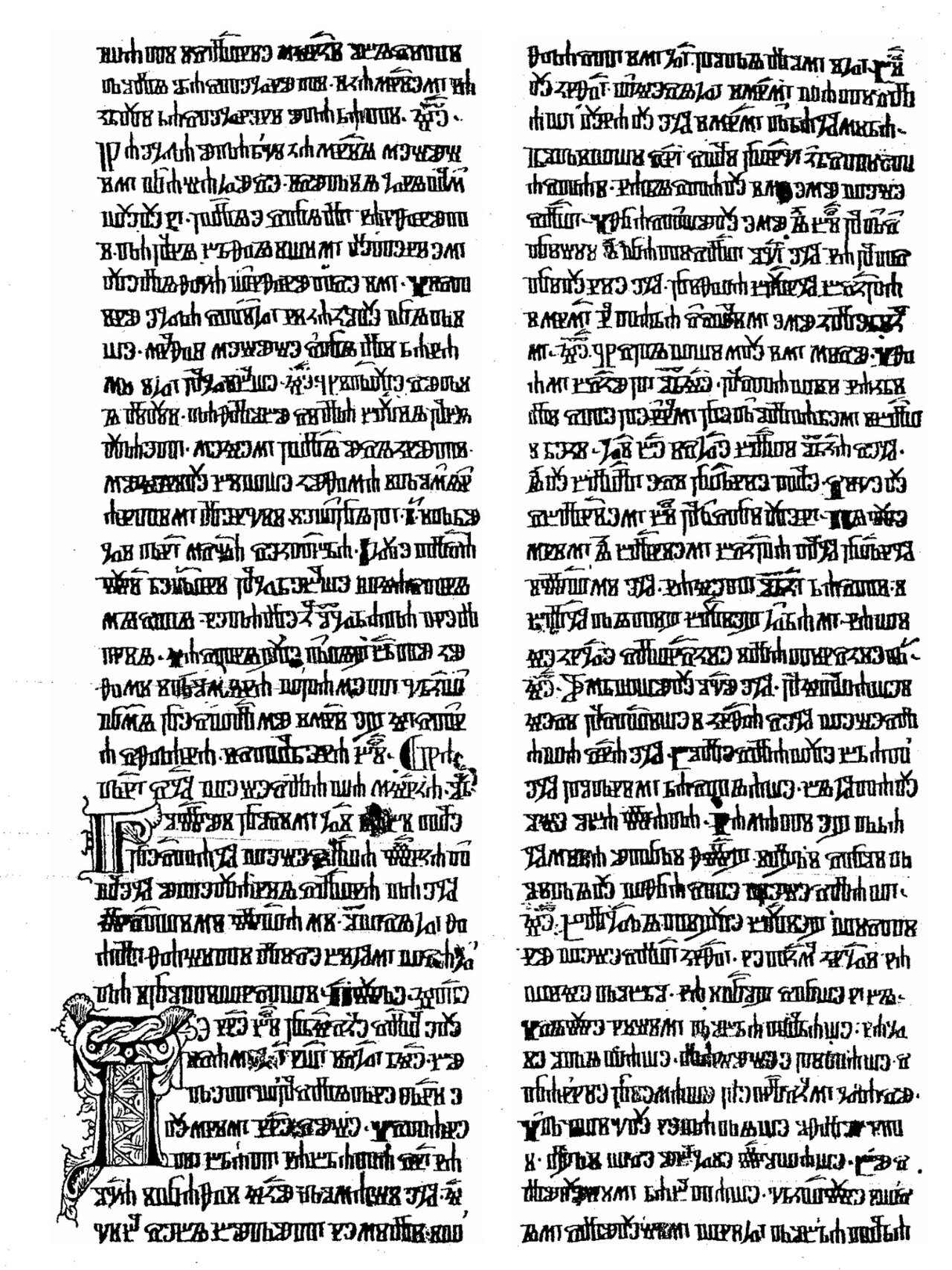
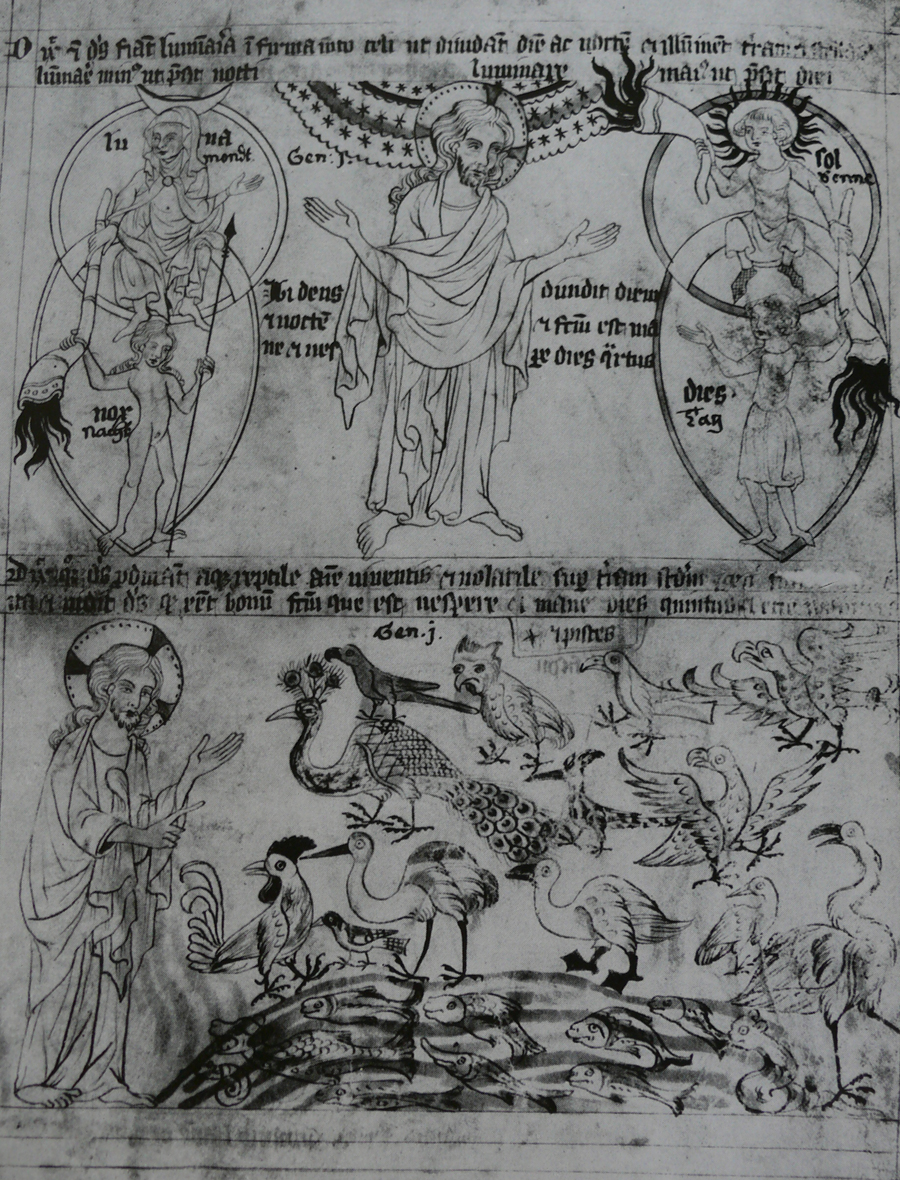
A Glagolitic manuscript preserving the Old Church Slavonic legend of Wenceslaus, showing how his cult spread to Slavic Orthodox lands.
This manuscript shows how the legend of Wenceslaus spread into Slavic Orthodox lands through Old Church Slavonic tradition.
About this source
What it is
This page comes from a 14th-century Croatian Glagolitic breviary held in the Vatican Library, containing an Old Church Slavonic version of the legend of Saint Wenceslaus and his grandmother, Saint Ludmila.
Why it matters
These Slavonic versions of the Wenceslaus legend preserved the Slavonic-rite tradition of his cult and carried his story far beyond Bohemia, reaching Orthodox Slavic lands as far as Russia, alongside the separate Latin legends written in the west.
Look closer
- Why might the same legend be written in both Glagolitic and Latin versions across different regions?
- What does the spread of this legend to distant Slavic lands tell us about the importance of Wenceslaus's cult?
- How might telling his story alongside his grandmother Ludmila change the meaning of the legend?
This book is part of the curated material that grounds the AI version of Wenceslaus I, Duke of Bohemia on Humy.ai — when students ask about related events, the AI can quote it and cite it.
More Wenceslaus I, Duke of Bohemia sources
Browse all 92 → Book
Secondary source
Life of Saint Wenceslaus
c. 930
 Artifact
Primary source
Crown of Saint Wenceslas
1347
 Artifact
Primary source
Helmet of Saint Wenceslaus
early medieval period
Primary source
Res gestae saxonicae sive annalium libri tres
Widukind of Corvey · c. 960-973
Free account
Read every Wenceslaus I, Duke of Bohemia source
Sign up free →
Ready when you are
Start chatting with Wenceslaus I, Duke of Bohemia now.
20 messages free · No credit card · Available in 50+ languages.