


Primary sourceDocument3 March 1819
Civilization Fund Act
United States Congress · 3 March 1819
An 1819 law signed by Monroe that funded missionary schools meant to assimilate Native Americans into Anglo-American culture.
Monroe signed this act as president, making it a key part of his administration's assimilationist Native American policy.
About this source
What it is
The Civilization Fund Act, also known as the Indian Civilization Act, was passed by Congress on 3 March 1819. It provided federal money to support schools, mostly run by Christian missionary groups, intended to teach Native Americans English literacy and Anglo-American farming methods. Thomas L. McKenney lobbied for the law.
Why it matters
James Monroe signed this act into law as president, making it part of his administration's policy toward Native nations. It set up a system that combined government funding with religious missions, aiming to change Native ways of life rather than respect them, and it later led to the creation of the Bureau of Indian Affairs in 1824. The law's effects lasted long after Monroe, eventually shaping the harsher boarding school system of the later 19th century.
Look closer
- Why might the government have described its goal as "civilizing" rather than working with Native nations as equals?
- What does the involvement of religious missions suggest about who decided what counted as "civilized"?
- Whose perspective is missing from a law written entirely by the U.S. government about Native peoples' futures?
This document is part of the curated material that grounds the AI version of James Monroe on Humy.ai — when students ask about related events, the AI can quote it and cite it.
More James Monroe sources
Meet the AI James Monroe →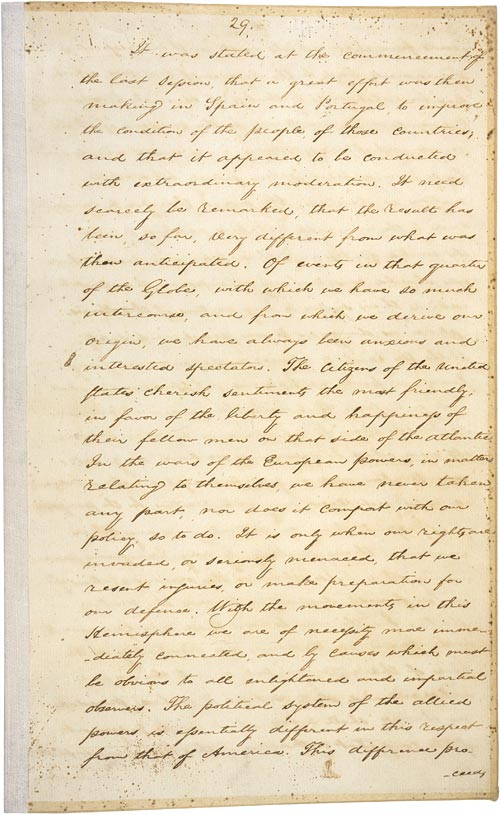 Speech
Primary source
Monroe Doctrine
James Monroe · 2 December 1823
Primary source
Louisiana Purchase Treaty
30 April 1803
 Document
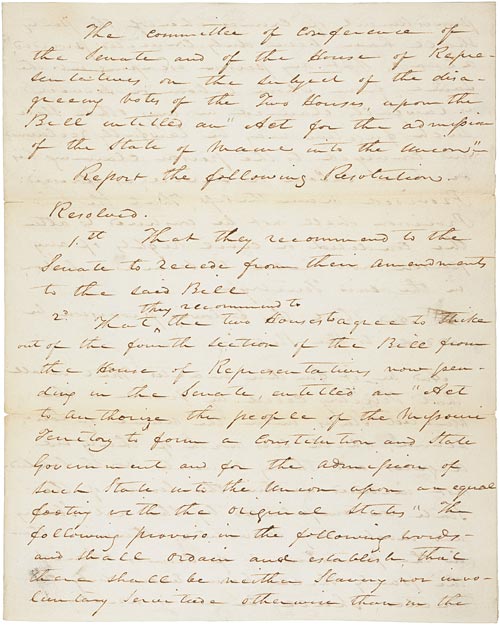
Primary source
Missouri Compromise Conference Committee Report
1 March 1820
 Document
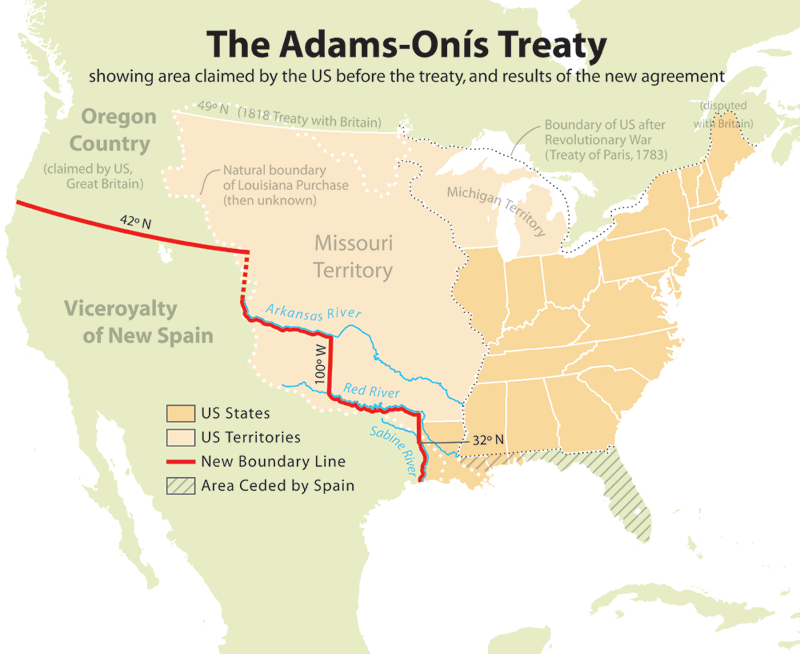
Primary source
Adams–Onís Treaty
1819 (effective 1821)
 Painting
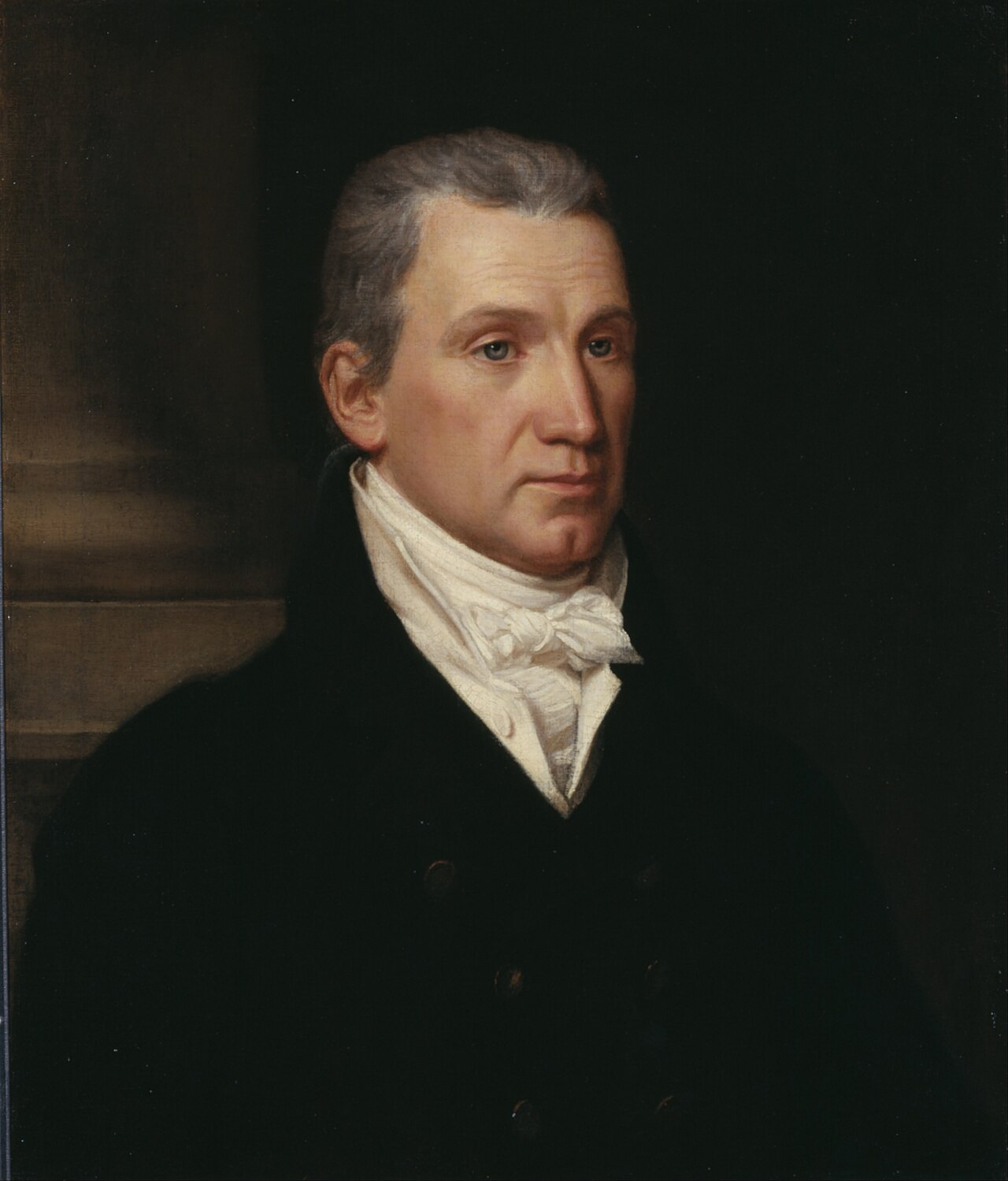
Primary source
James Monroe
John Vanderlyn · 1816
Ready when you are
Start chatting with James Monroe now.
20 messages free · No credit card · Available in 50+ languages.