


Primary sourceDocumentc. 1890, revised 1905
Clair de lune
Claude Debussy · c. 1890, revised 1905
The famous third movement of Debussy's Suite bergamasque for piano, inspired by a Verlaine poem.
Debussy's best-known piano piece, showing his early lyrical style inspired by Verlaine's poetry.
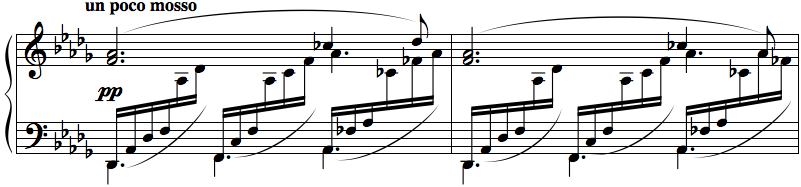
About this source
What it is
Clair de lune is the third movement of the Suite bergamasque, a piano suite by Claude Debussy begun around 1890 and revised before its 1905 publication. Its title comes from a poem by Paul Verlaine, and the piece was originally called Promenade sentimentale.
Why it matters
Clair de lune became one of Debussy's most famous works, and one of the best-known piano pieces ever written. It shows his early lyrical style, written years before he accepted the piece for publication because he felt it no longer matched his mature musical voice. Its lasting popularity, including later arrangements and uses in film and other media, shows how Debussy's early music continued to shape his public image long after he moved on from it.
Look closer
- What mood do the soft dynamics and expressive marking in this score excerpt suggest?
- Why might Debussy have hesitated to publish a piece written fifteen years earlier?
- How does a poem's title shape the way listeners imagine a piece of instrumental music?
This document is part of the curated material that grounds the AI version of Claude Debussy on Humy.ai — when students ask about related events, the AI can quote it and cite it.
More Claude Debussy sources
Browse all 98 →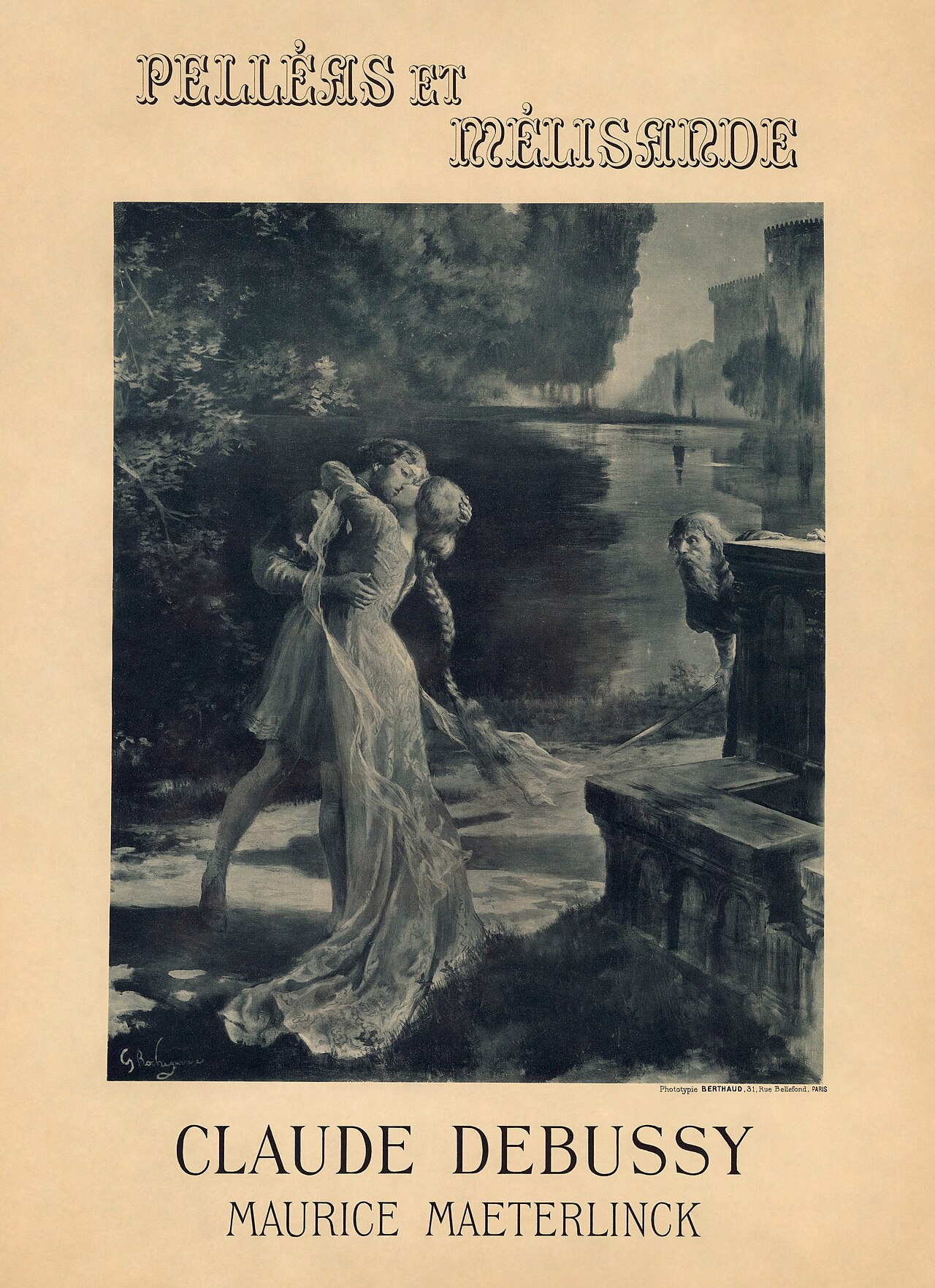 Document
Primary source
Pelléas et Mélisande
Claude Debussy · 1902
 Document
Primary source
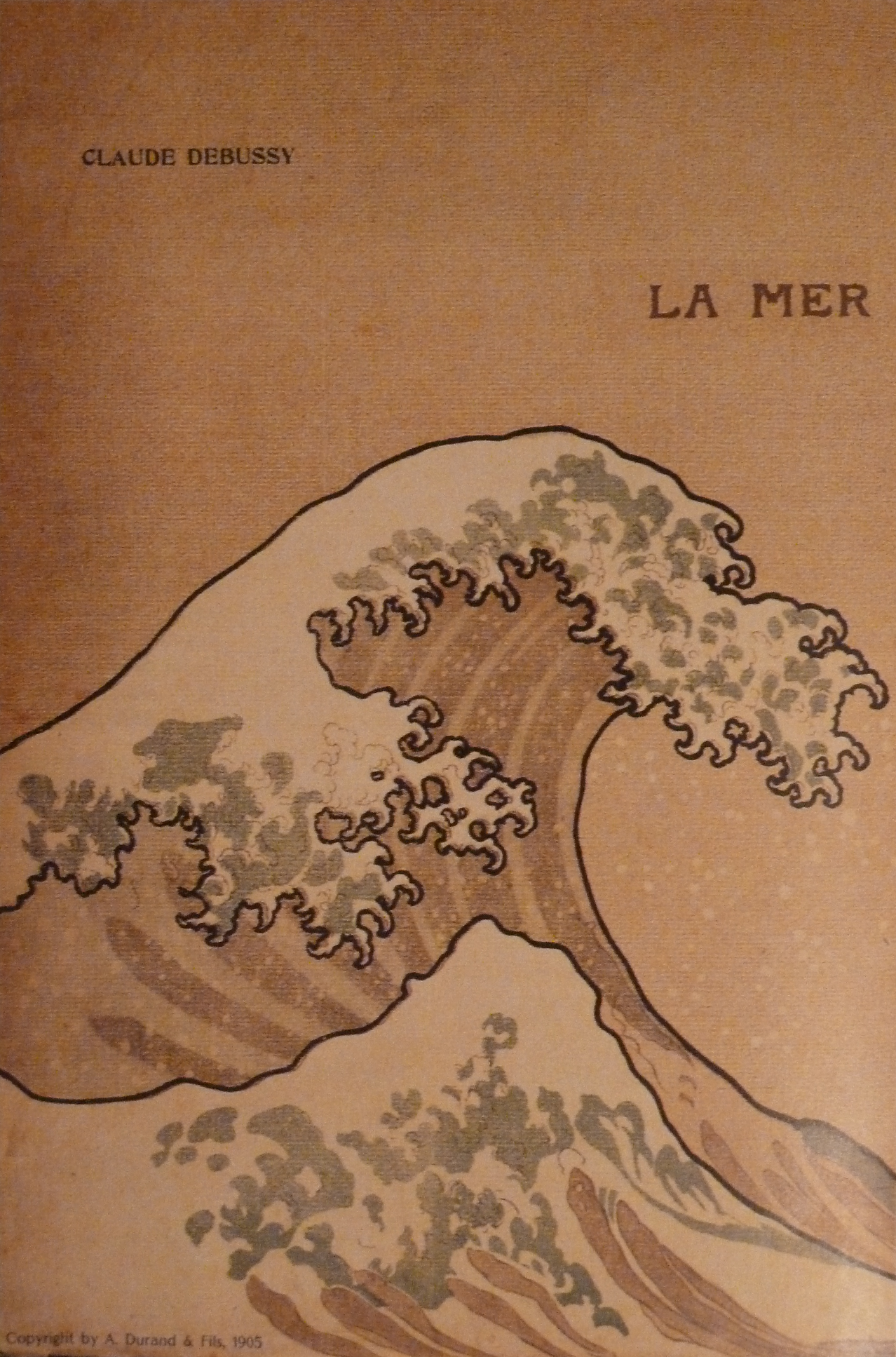
La mer
Claude Debussy · 1905
 Document
Primary source
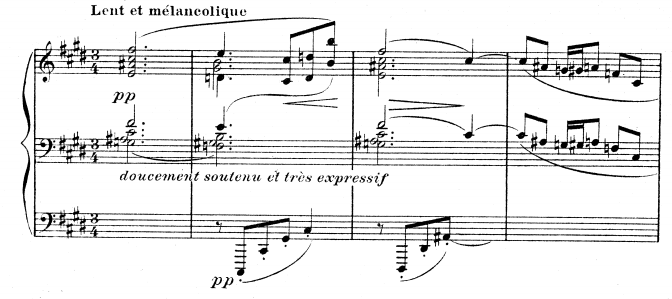
Préludes
Claude Debussy · 1909-1913
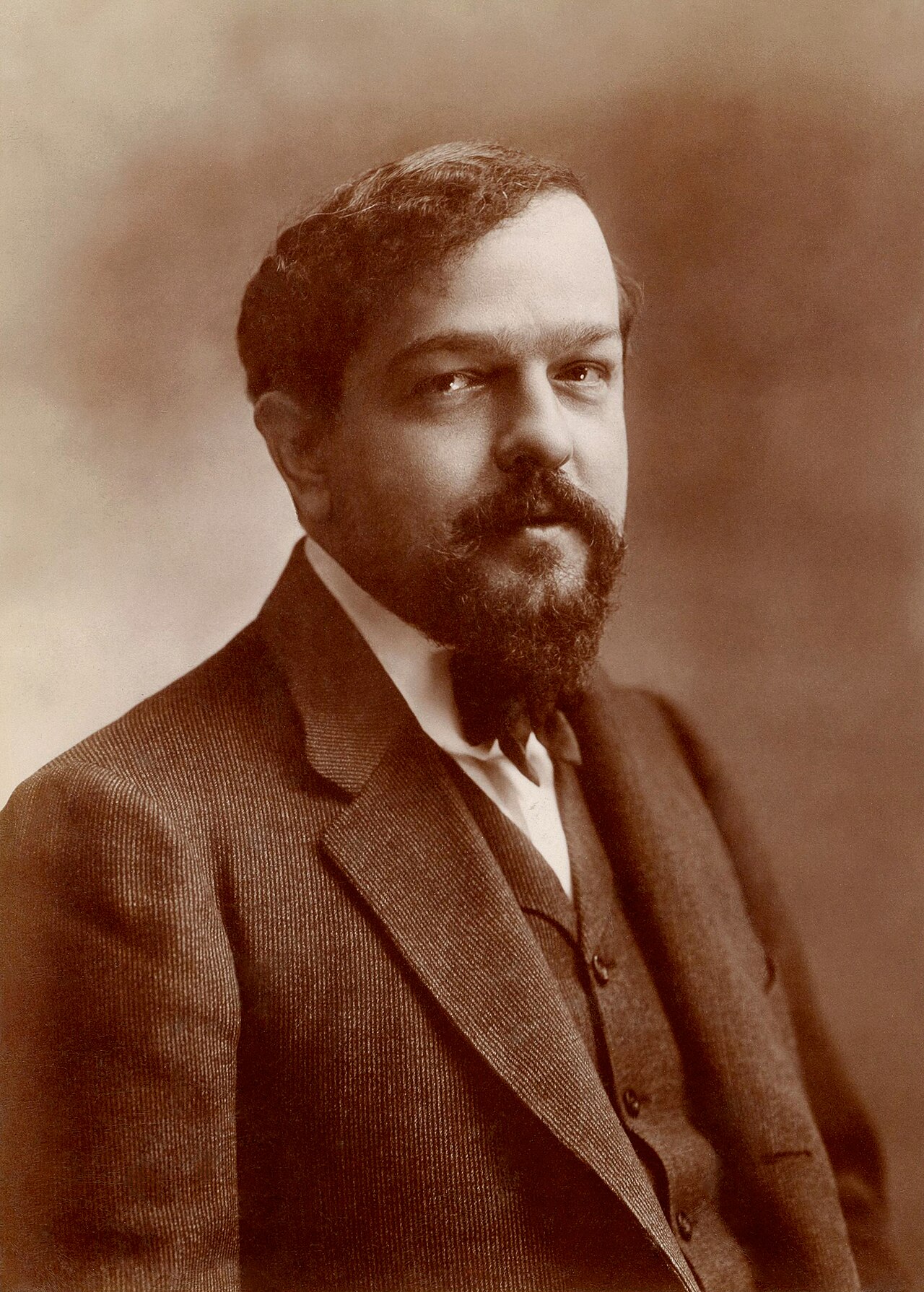 Photograph
Primary source
Portrait of Claude Debussy
Atelier Nadar · 1908
Free account
Read every Claude Debussy source
Sign up free →
Ready when you are
Start chatting with Claude Debussy now.
20 messages free · No credit card · Available in 50+ languages.