


Primary sourceDocument1971
Clay v. United States
United States Supreme Court · 1971
The unanimous 1971 Supreme Court ruling that overturned Ali's conviction for refusing induction into the armed forces.
This ruling overturned Ali's draft-evasion conviction, legally vindicating the religious objection that cost him his boxing title.
Free Humy account · No credit card · 65,431 sources to read
About this source
What it is
This is the United States Supreme Court's 1971 decision in Clay v. United States, the appeal of Muhammad Ali's 1967 conviction for refusing to report for induction during the Vietnam War. The Court ruled 8–0 to reverse the conviction.
Why it matters
Ali had refused the draft on religious grounds tied to his Muslim beliefs, and his local draft board gave no clear reason for rejecting his conscientious objector claim. The Supreme Court found this failure meant the conviction could not stand. The case shows how Ali's personal stand against the war became a test of religious freedom and due process that reached the highest court in the country.
Look closer
- Why might a court decision matter as much as a protest or a speech?
- What does the case reveal about how the government treated conscientious objector claims at the time?
- Why do you think it took years for Ali's case to be resolved?
This document is part of the curated material that grounds the AI version of Muhammad Ali on Humy.ai — when students ask about related events, the AI can quote it and cite it.
More Muhammad Ali sources
Browse all 94 →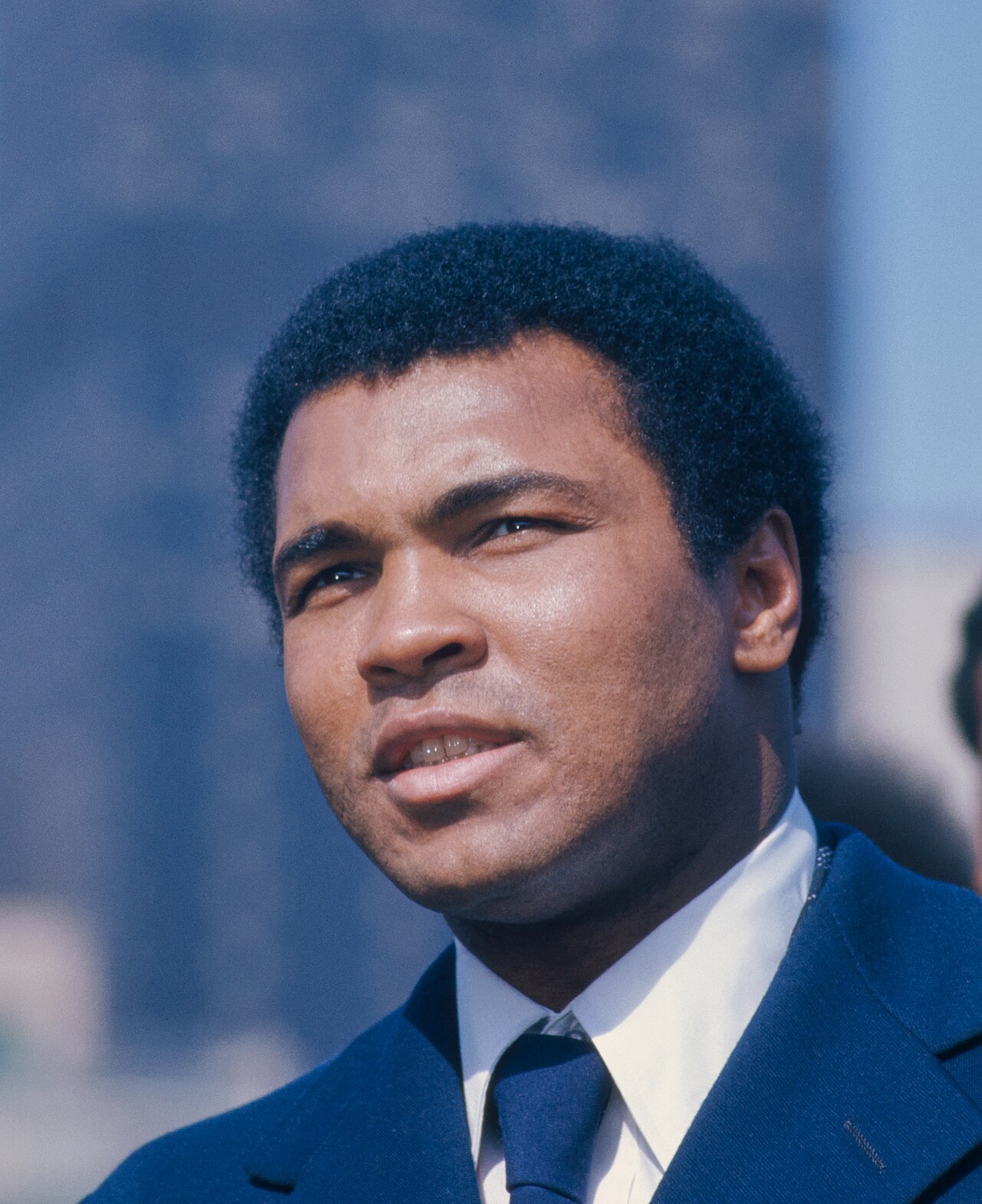 Photograph
Primary source
Portrait of Muhammad Ali
Bernard Gotfryd · c. 1975
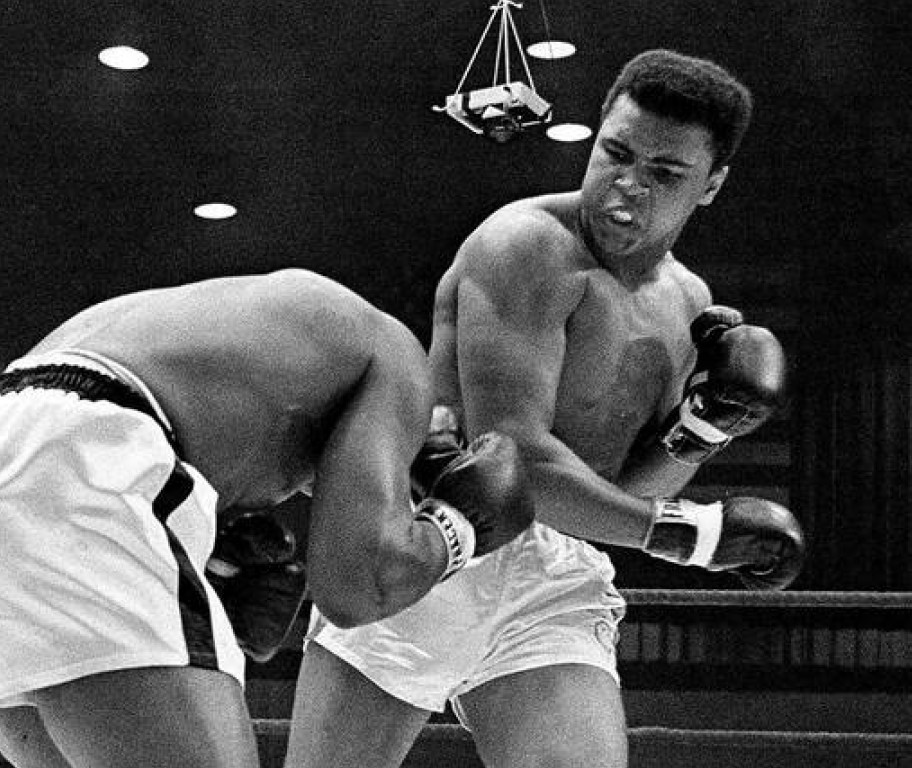 Photograph
Primary source
Sonny Liston vs. Cassius Clay
25 February 1964
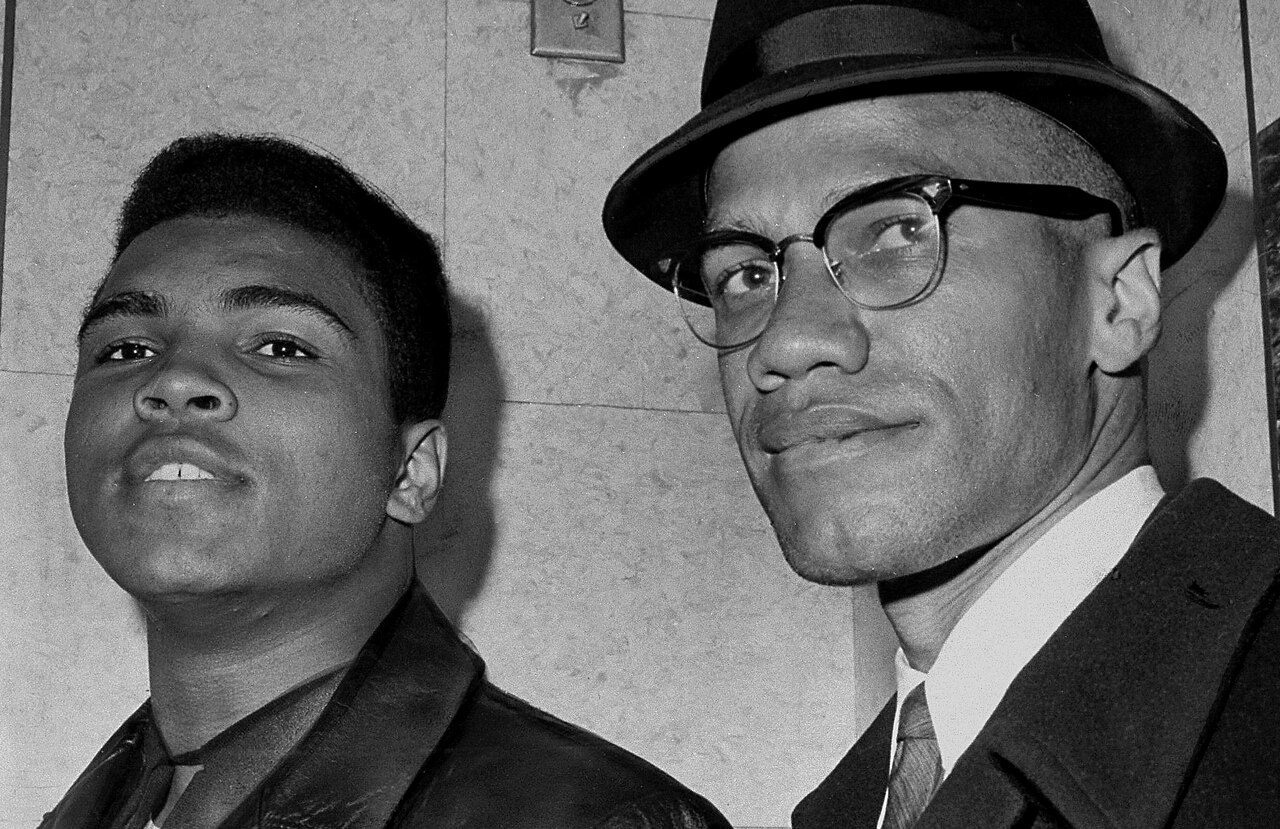 Photograph
Primary source
Photograph of Cassius Clay and Malcolm X
Bob Gomel · 1964
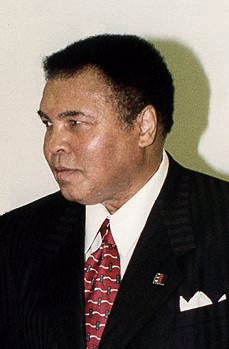 Photograph
Primary source
Ali
1967

Free account
Read every Muhammad Ali source
Sign up free →
Ready when you are
Start chatting with Muhammad Ali now.
20 messages free · No credit card · Available in 50+ languages.