


Primary sourceArtifact1493
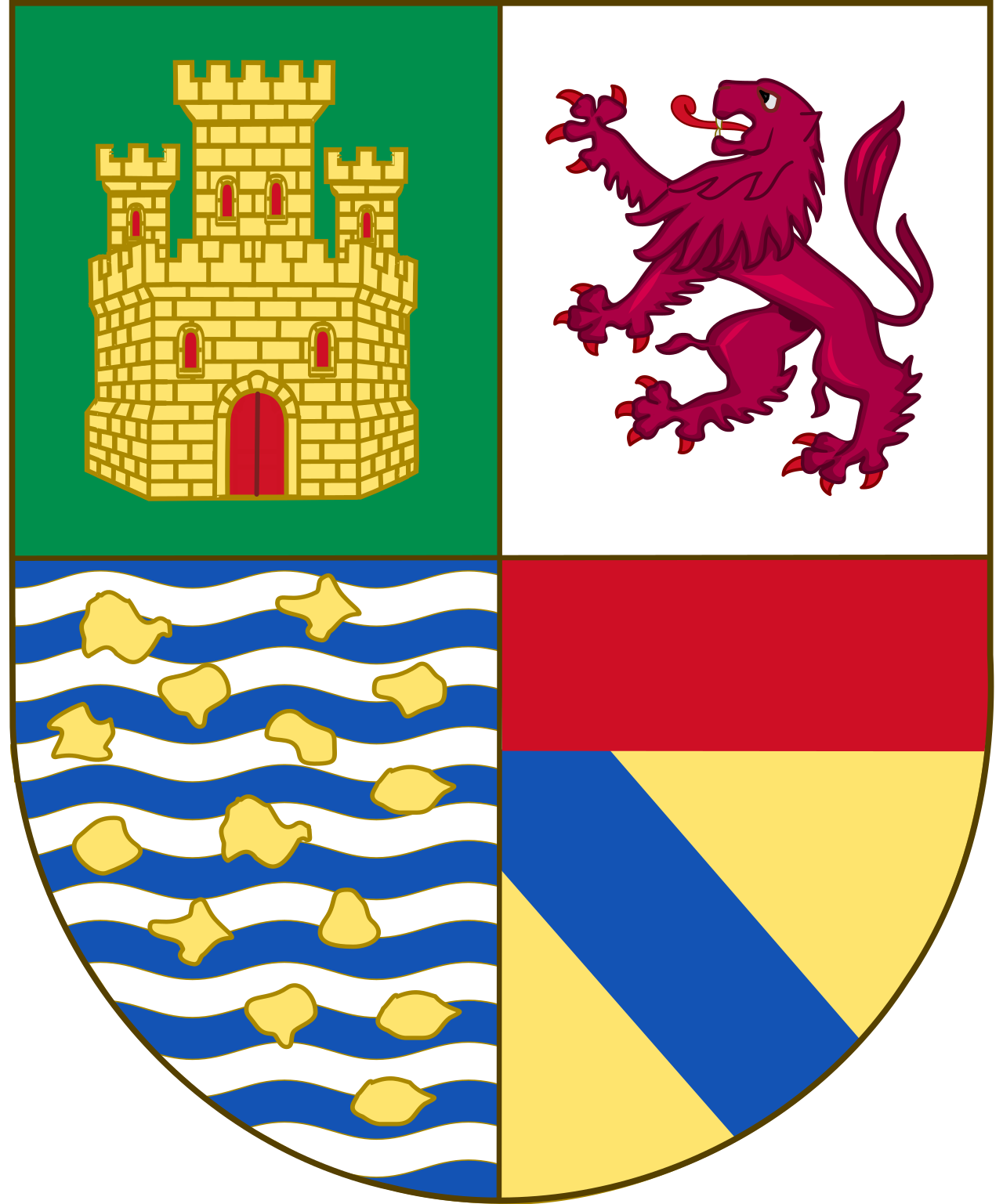
Coat of Arms of Christopher Columbus
1493
The heraldic coat of arms granted to Columbus by the Spanish monarchs in 1493, marking his rise to nobility after his first voyage.
Granted to Columbus in 1493, this coat of arms marks his elevation to nobility after his first voyage.
About this source
What it is
This is the heraldic coat of arms granted to Christopher Columbus by the Spanish monarchs in 1493. The shield is divided into four quarters, combining symbols of Castile and León with islands set in wavy blue and white sea.
Why it matters
Being granted a coat of arms was a mark of nobility in this period. Columbus's arms combined royal symbols with imagery of the islands he had reached, showing how his voyage transformed his social status and linked his personal identity to the new lands claimed for Spain.
Look closer
- Why do you think the monarchs allowed Columbus to use symbols normally reserved for royalty, like the castle and lion?
- What do the wavy blue and white bars with scattered islands represent?
- What does receiving a coat of arms tell you about how Columbus's voyage changed his position in society?
This artifact is part of the curated material that grounds the AI version of Christopher Columbus on Humy.ai — when students ask about related events, the AI can quote it and cite it.
More Christopher Columbus sources
Meet the AI Christopher Columbus →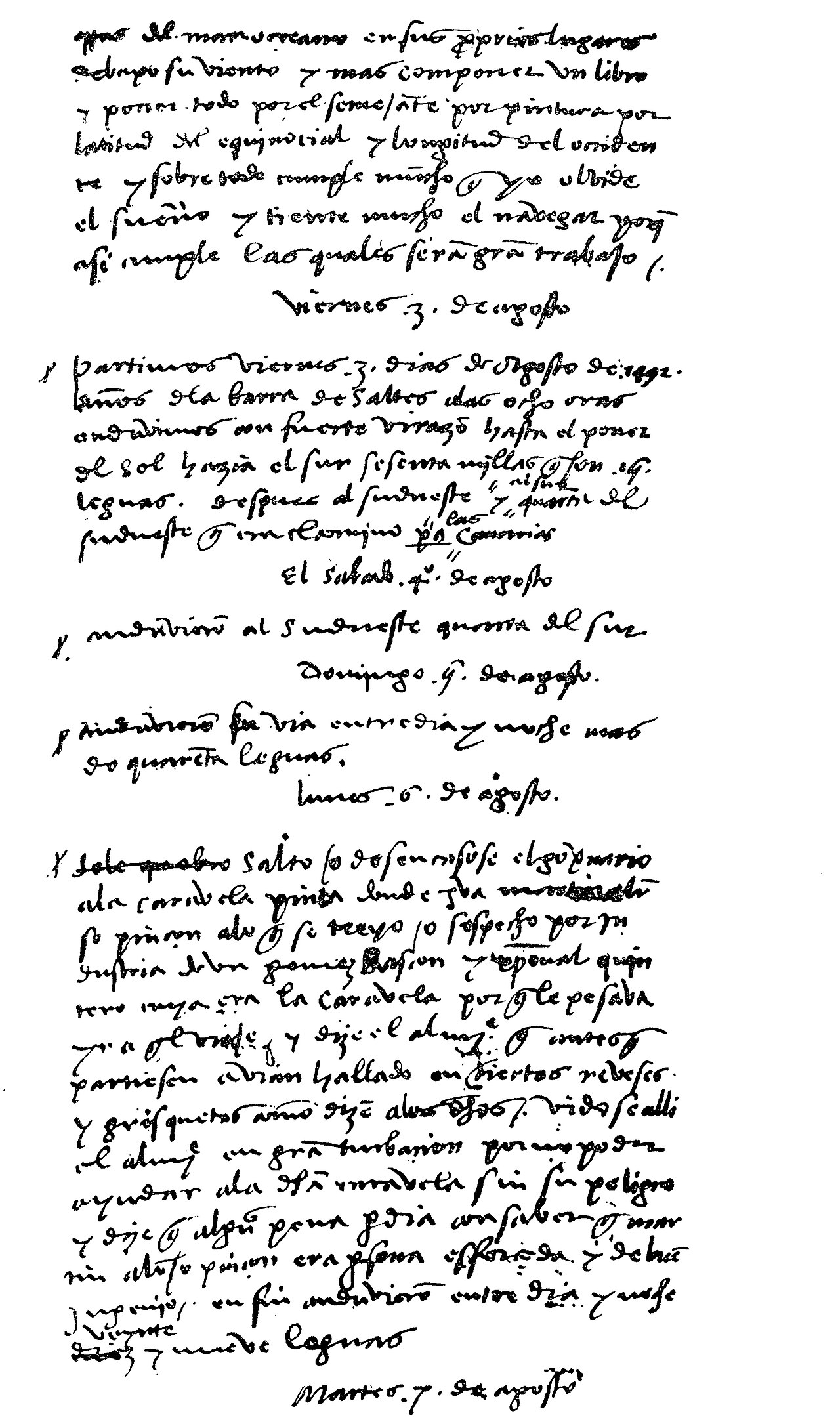 Diary entry
Primary source
Christopher Columbus' Journal
Christopher Columbus · 3 August 1492 – 15 March 1493
 Painting
Secondary source
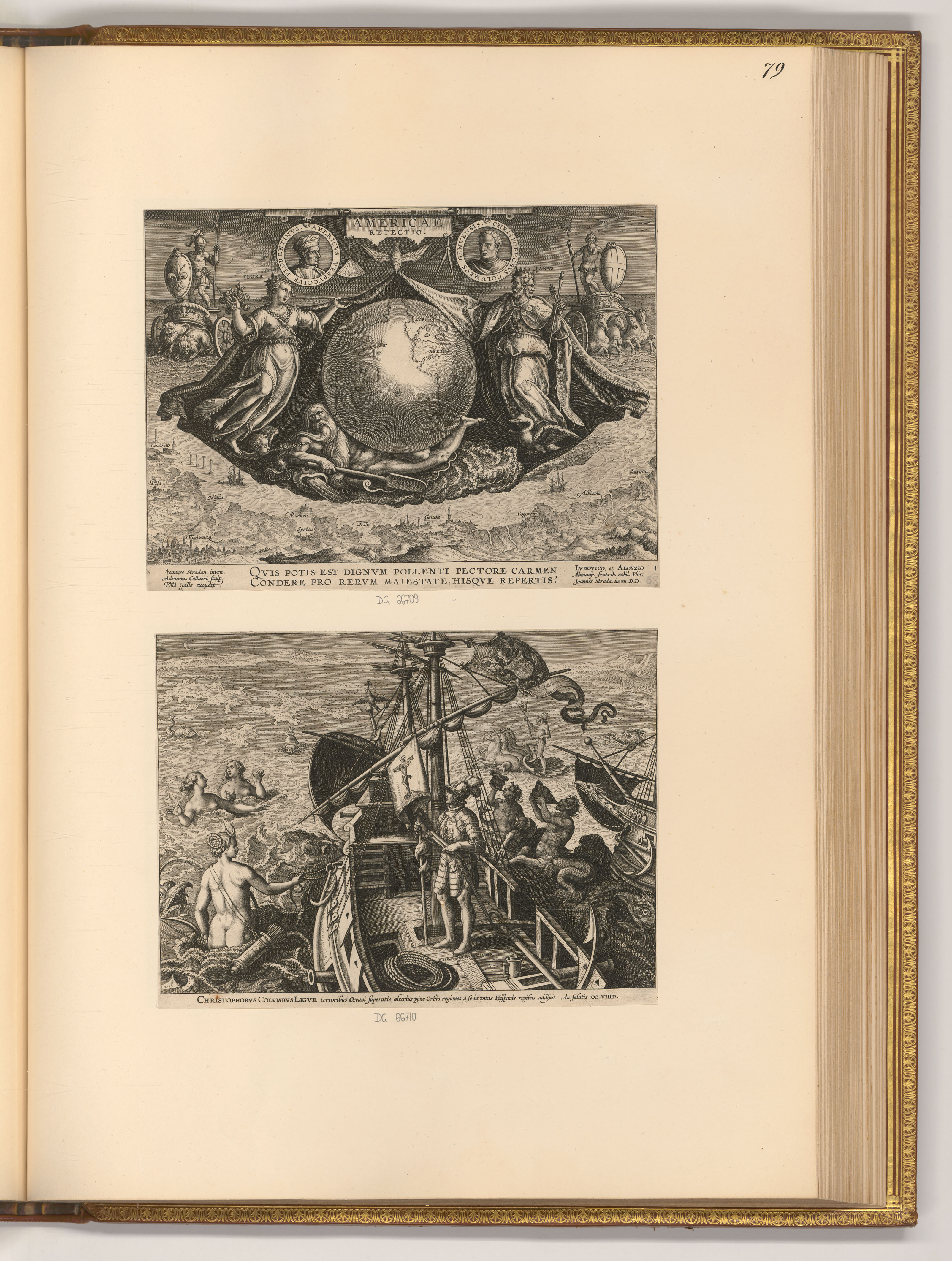
Americae Retectio Title Page with Columbus on His Ship
 Letter
Primary source
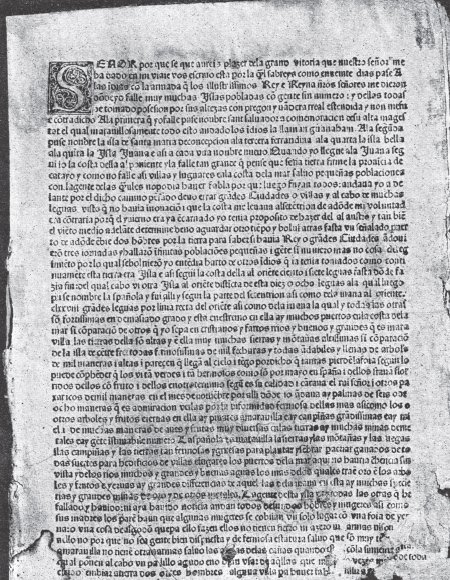
Columbus Letter on the First Voyage
Christopher Columbus · 15 February 1493
 Painting
Secondary source
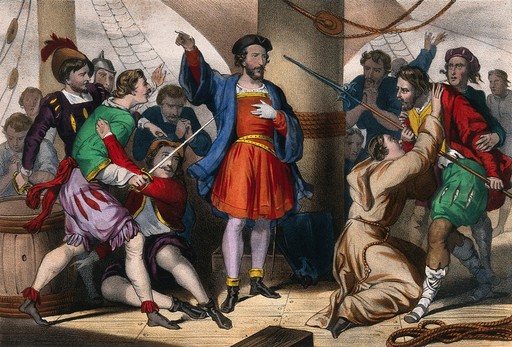
Columbus Admonishes His Men
Cassé
 Document
Primary source
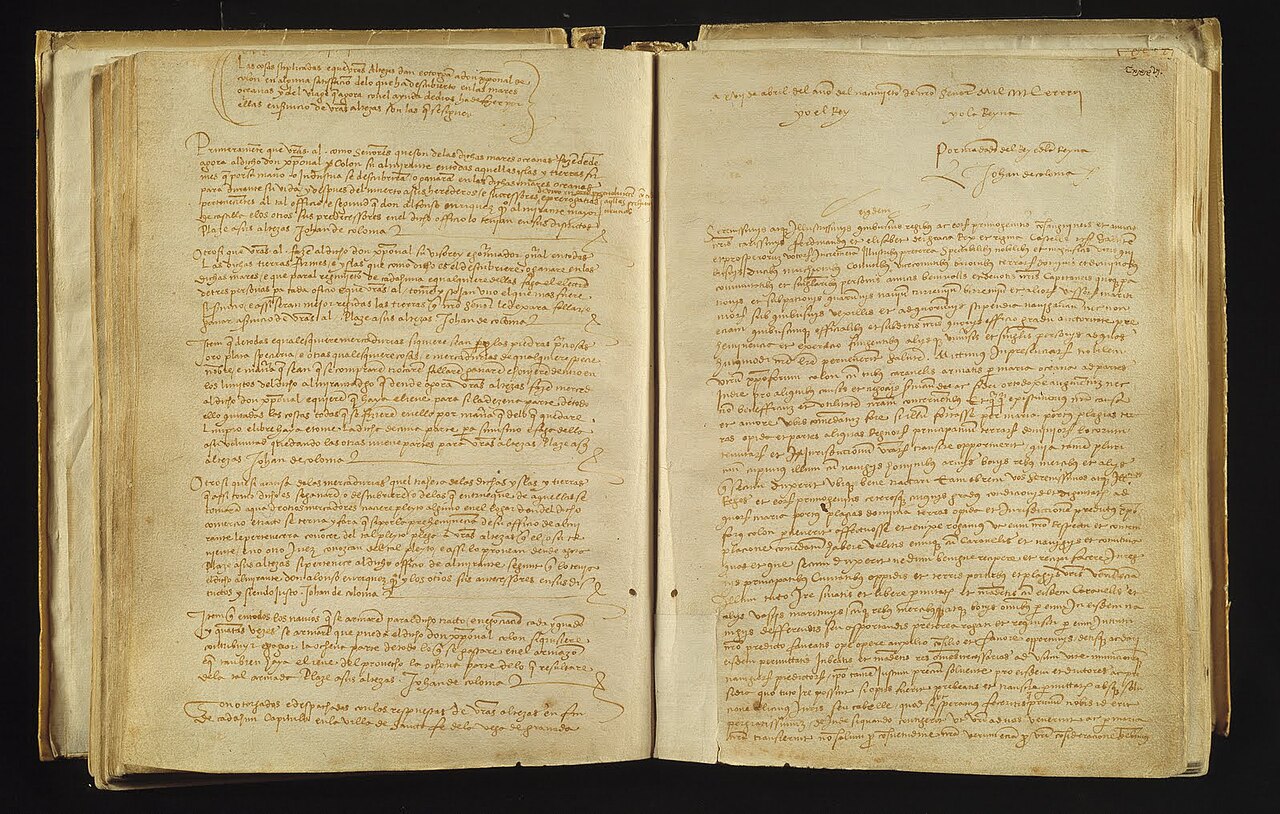
Capitulations of Santa Fe
Catholic Monarchs · 17 April 1492
Ready when you are
Start chatting with Christopher Columbus now.
20 messages free · No credit card · Available in 50+ languages.