


Primary sourceDocument1675
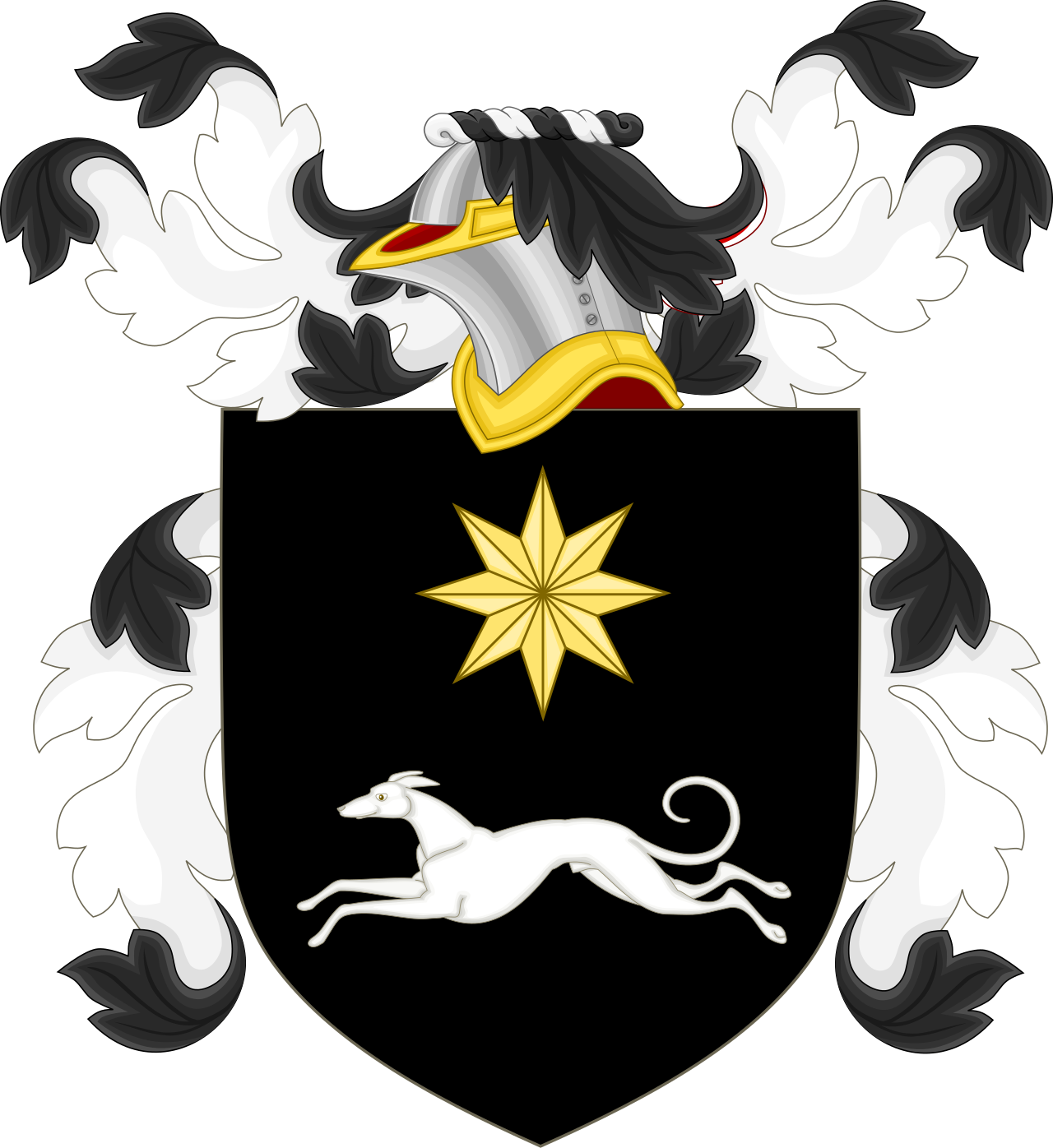
Coat of Arms of René-Robert Cavelier, Sieur de La Salle
1675
The heraldic arms granted to La Salle with his 1675 letters of nobility, marking his rise to seigneur.
These are La Salle's own arms, granted when he was ennobled, marking his rise in French colonial society.
About this source
What it is
This is the heraldic coat of arms granted to René-Robert Cavelier, Sieur de La Salle, as part of the letters of nobility he received in 1675. It shows a black shield with a gold eight-pointed star above a leaping white greyhound, topped by a silver helmet with mantling and leafy ornaments.
Why it matters
Coats of arms marked a person's official rank in 17th-century France. This one shows how La Salle, who had started out as a former Jesuit and colonist in Canada, was formally recognized as nobility by the French crown. It reflects the social climbing that was possible through exploration and service to the king.
Look closer
- What animals and symbols appear on the shield, and what might they have meant to represent?
- Why would an explorer want or need a coat of arms?
- What does the granting of noble status tell you about how France rewarded colonial ventures?
This document is part of the curated material that grounds the AI version of Robert de La Salle on Humy.ai — when students ask about related events, the AI can quote it and cite it.
More Robert de La Salle sources
Meet the AI Robert de La Salle →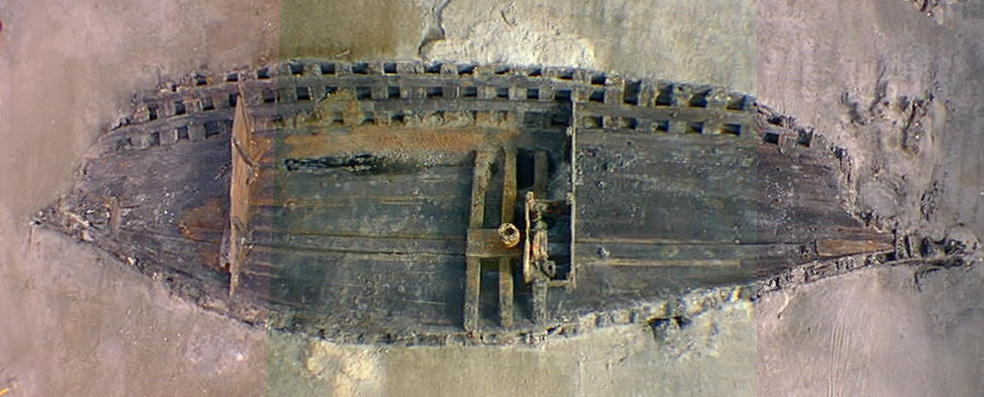 Artifact
Primary source
La Belle Shipwreck and Recovered Hull
French royal navy (built at Rochefort) · 1684 (built); sunk 1686; excavated 1995-97
 Book
Primary source
Description de la Louisiane
Louis Hennepin · 1683
 Document
Primary source
Signature of René-Robert Cavelier, Sieur de La Salle
René-Robert Cavelier, Sieur de La Salle
 Document
Primary source
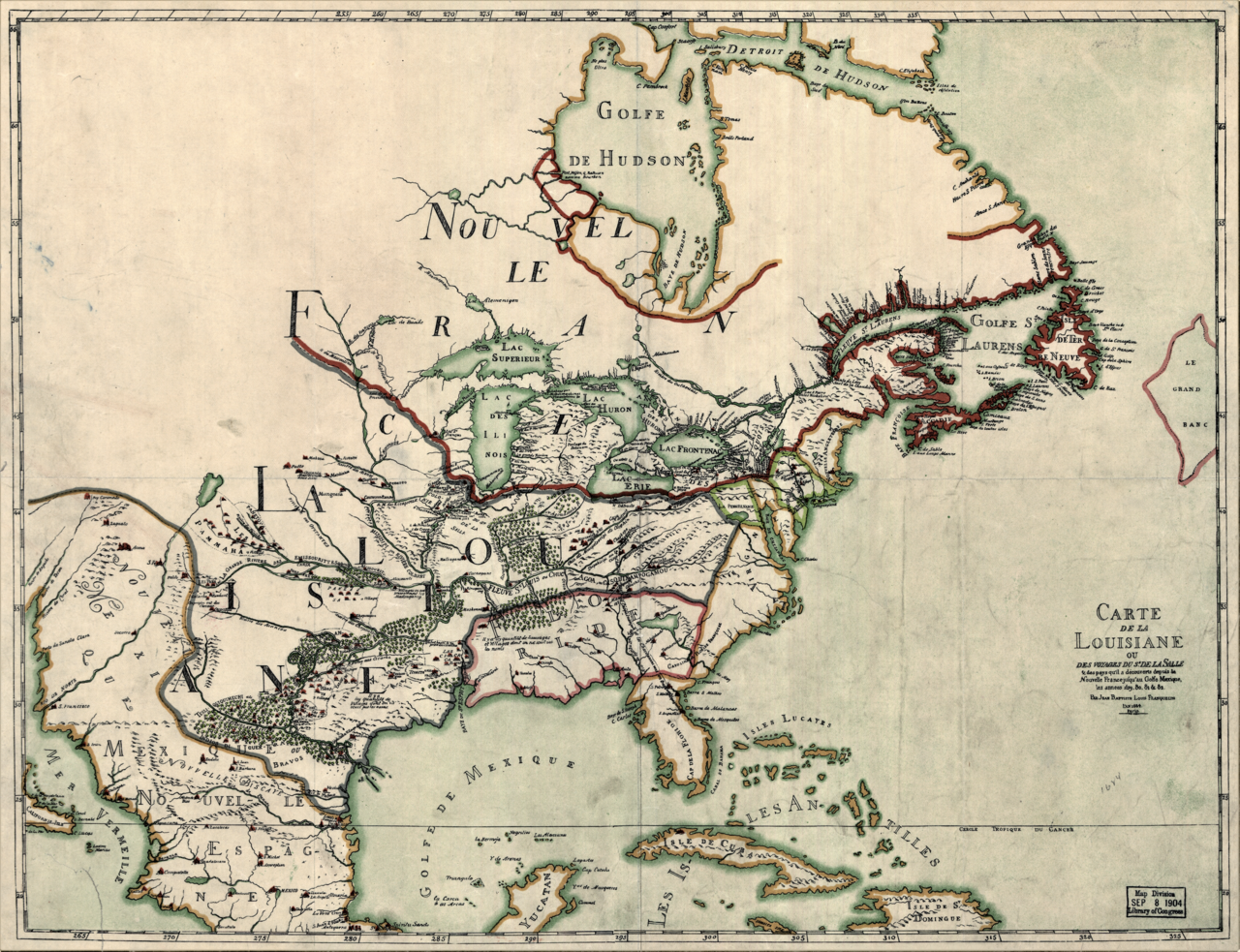
Carte de la Louisiane ou des voyages du Sr. de La Salle
Jean-Baptiste-Louis Franquelin · 1684
 Document
Primary source
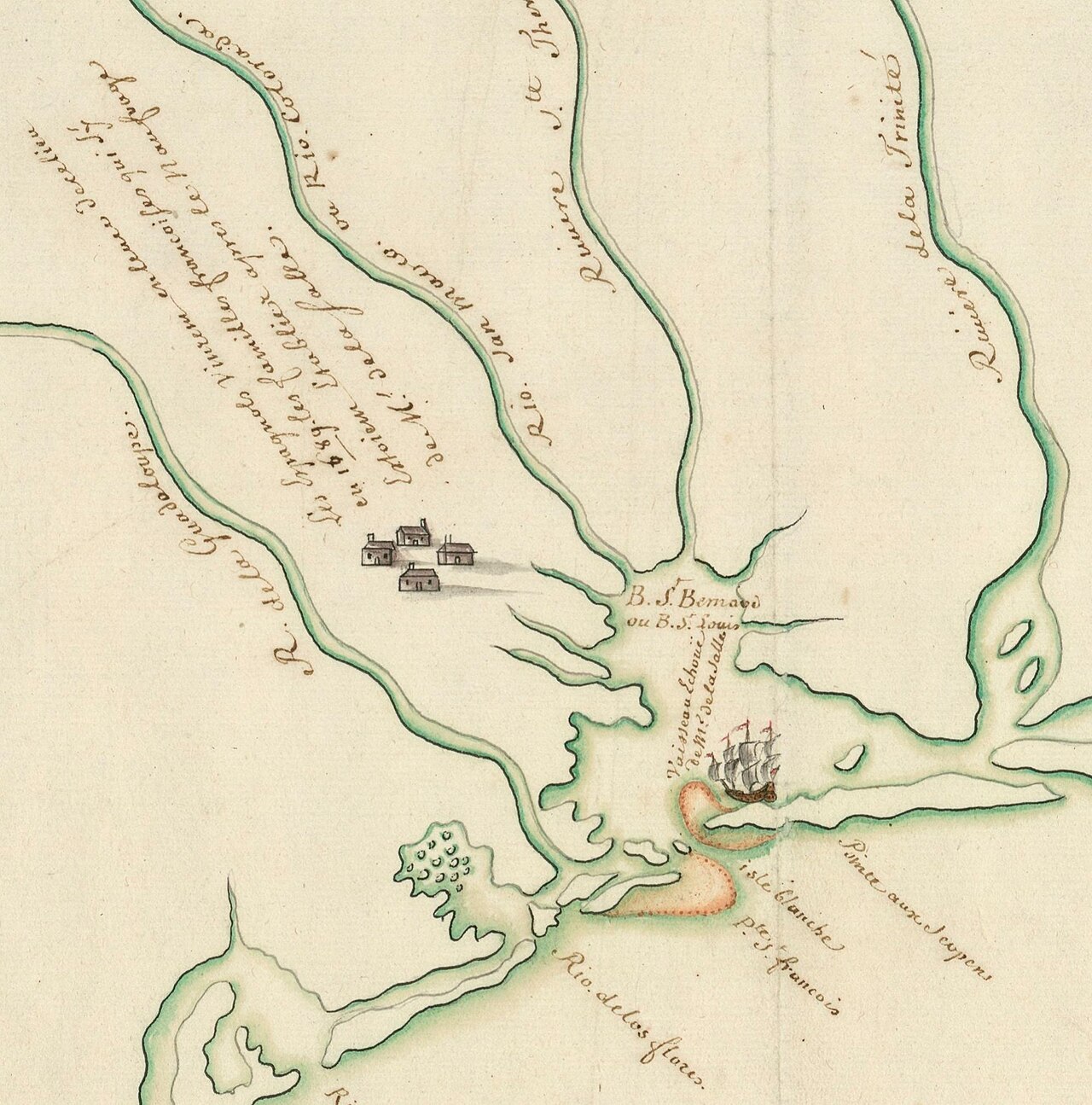
Plan présentant le naufrage d'un navire de Cavelier de La Salle en 1686
Unknown, possibly François Le Maire · late 17th or early 18th century
Ready when you are
Start chatting with Robert de La Salle now.
20 messages free · No credit card · Available in 50+ languages.