


Secondary sourceArtifact
Coffin Cane of Joseph Smith
Epachamo
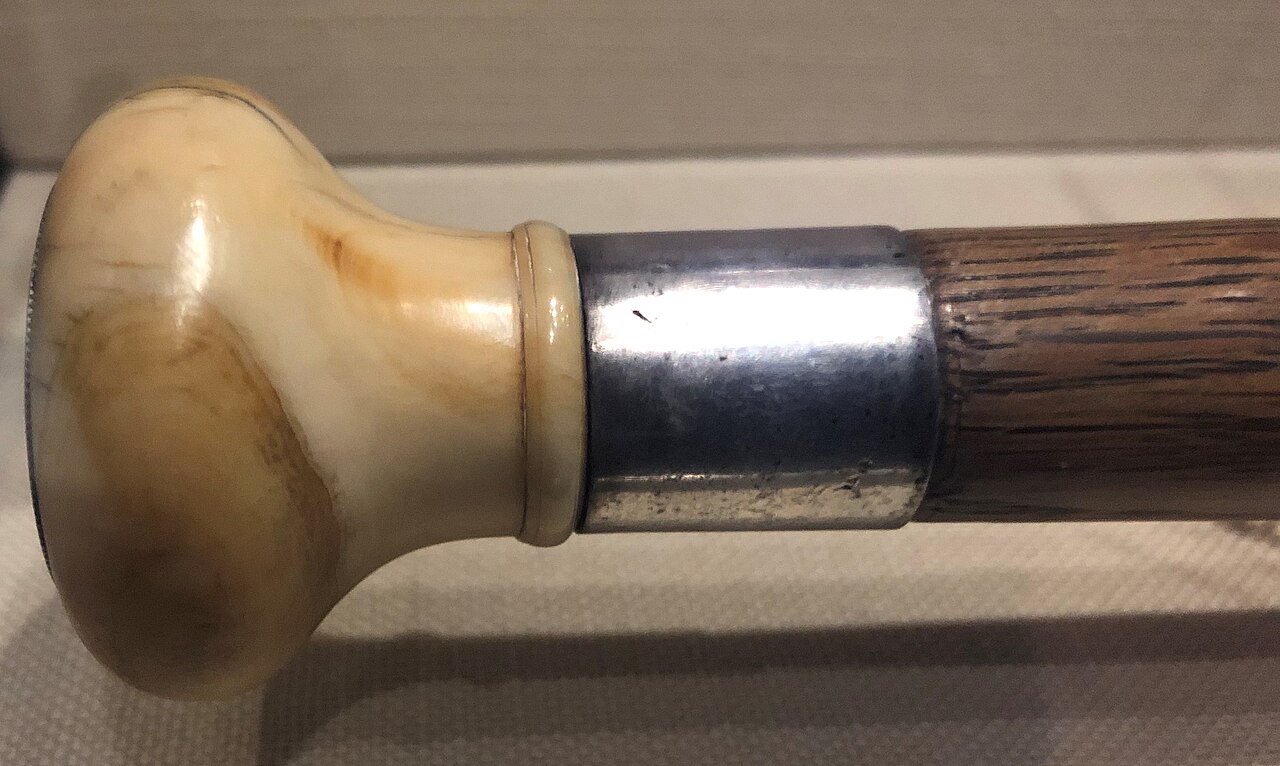
A walking cane said to be made from wood of the coffin that carried Smith's body, with an ivory knob holding locks of his hair.
Shows how followers venerated Smith after his death, using pieces of his coffin and hair.
About this source
What it is
This is a walking cane shown in a display case. Its handle is a bulbous cream-colored ivory knob with brownish staining, followed by a polished silver collar and a long reddish-brown wooden shaft with visible grain. According to its record, the ivory knob contains locks of Smith's hair, and the wood comes from the coffin used to carry Smith from Carthage to Nauvoo. The cane is held at the Church History Museum. The creator is listed as Epachamo.
Why it matters
After Smith was killed at Carthage Jail in 1844, followers kept objects connected to him as relics. A cane like this shows how some members honored him after his death. Students should note that the claims about the wood and hair come from the record of the museum and the object's description, not from a separate test of the materials.
Look closer
- What materials do you see, and why might a maker have chosen them?
- Why would people want to keep objects that belonged to or touched a dead leader?
- How can a museum object be used to learn about memory and devotion, and what can it not tell us?
This artifact is part of the curated material that grounds the AI version of Joseph Smith on Humy.ai — when students ask about related events, the AI can quote it and cite it.
More Joseph Smith sources
Meet the AI Joseph Smith →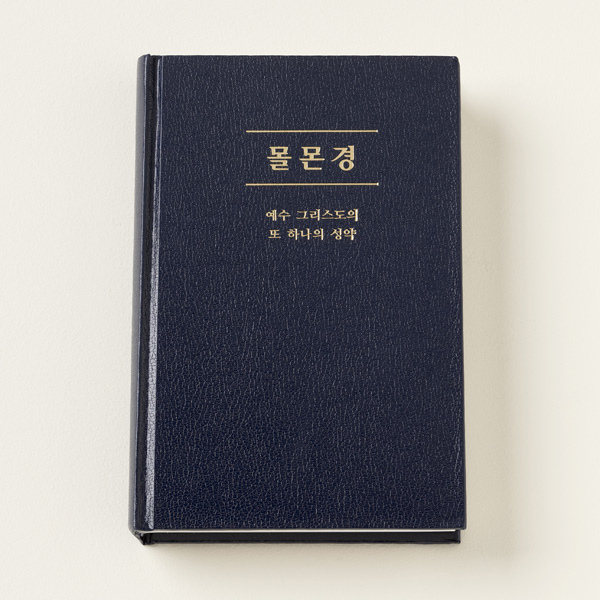 Book
Primary source
Book of Mormon
Joseph Smith · 1830
 Document
Primary source
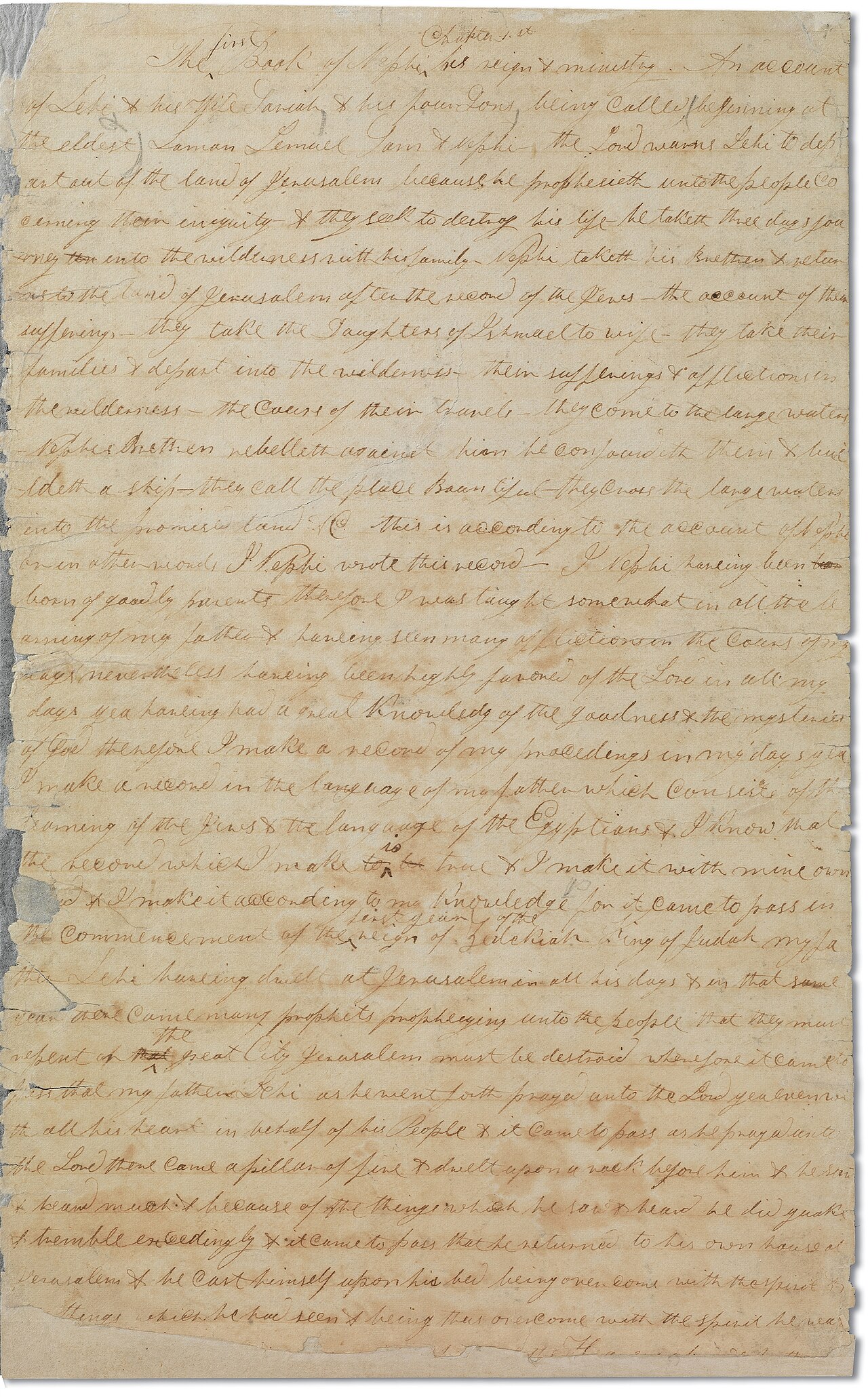
Printer's Manuscript of the Book of Mormon
Joseph Smith (dictated); Oliver Cowdery and other scribes · 1829–1830
 Book
Primary source
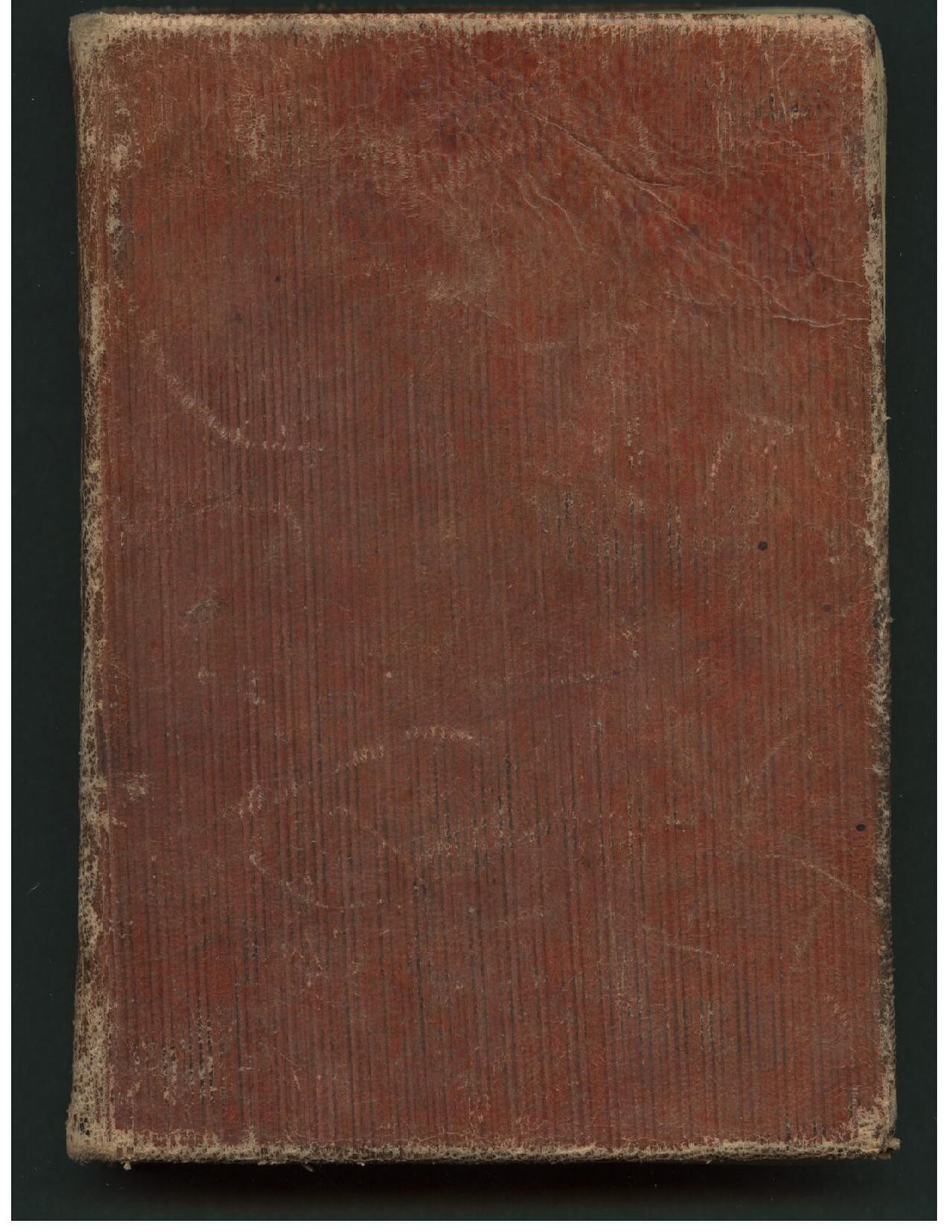
A Book of Commandments for the Government of the Church of Christ
Joseph Smith · 1833
 Document
Primary source
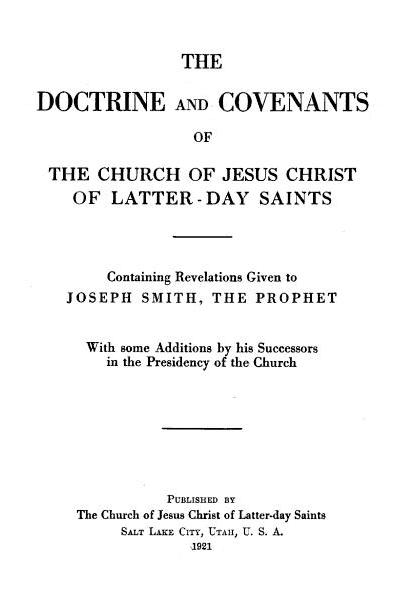
Doctrine and Covenants
Joseph Smith · 1835
Primary source
Wentworth Letter
Joseph Smith · 1842
Ready when you are
Start chatting with Joseph Smith now.
20 messages free · No credit card · Available in 50+ languages.