


Secondary sourcePainting1788
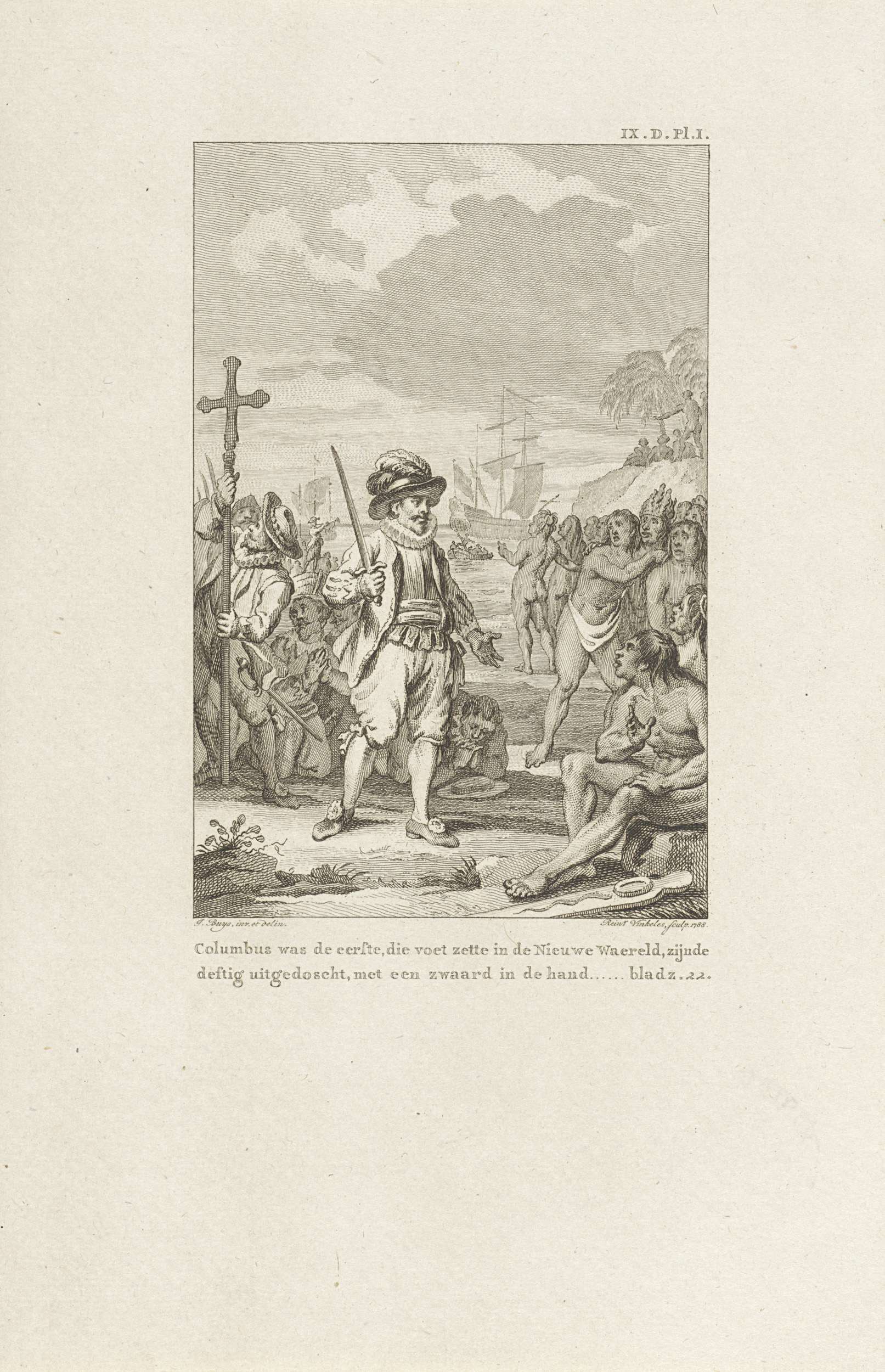
Columbus Arrives in America
1788
A 1788 Dutch engraving imagining Columbus landing in America with his crew, raising a cross as indigenous people watch.
This later print depicts Columbus landing in America, shaping how generations imagined his famous voyage.
About this source
What it is
This is an engraved print made in 1788, nearly three centuries after Columbus's voyages. It shows a man in 16th-century dress stepping ashore with a sword, while one of his men plants a cross in the ground. Indigenous people, some unclothed, watch from the right. The print is held by the Rijksmuseum in the Netherlands.
Why it matters
This image was not made by anyone who witnessed Columbus's landing. It reflects how Europeans imagined and retold the story of Columbus's arrival long after the event, emphasizing conquest, Christianity, and European dominance over the people already living there. It tells us more about 18th-century European attitudes than about the actual 1492 landing.
Look closer
- Who is shown as active and powerful in this image, and who is shown only watching?
- Why might the artist have included the cross being raised?
- What does this print leave out about the people who already lived in the Americas?
This painting is part of the curated material that grounds the AI version of Christopher Columbus on Humy.ai — when students ask about related events, the AI can quote it and cite it.
More Christopher Columbus sources
Meet the AI Christopher Columbus →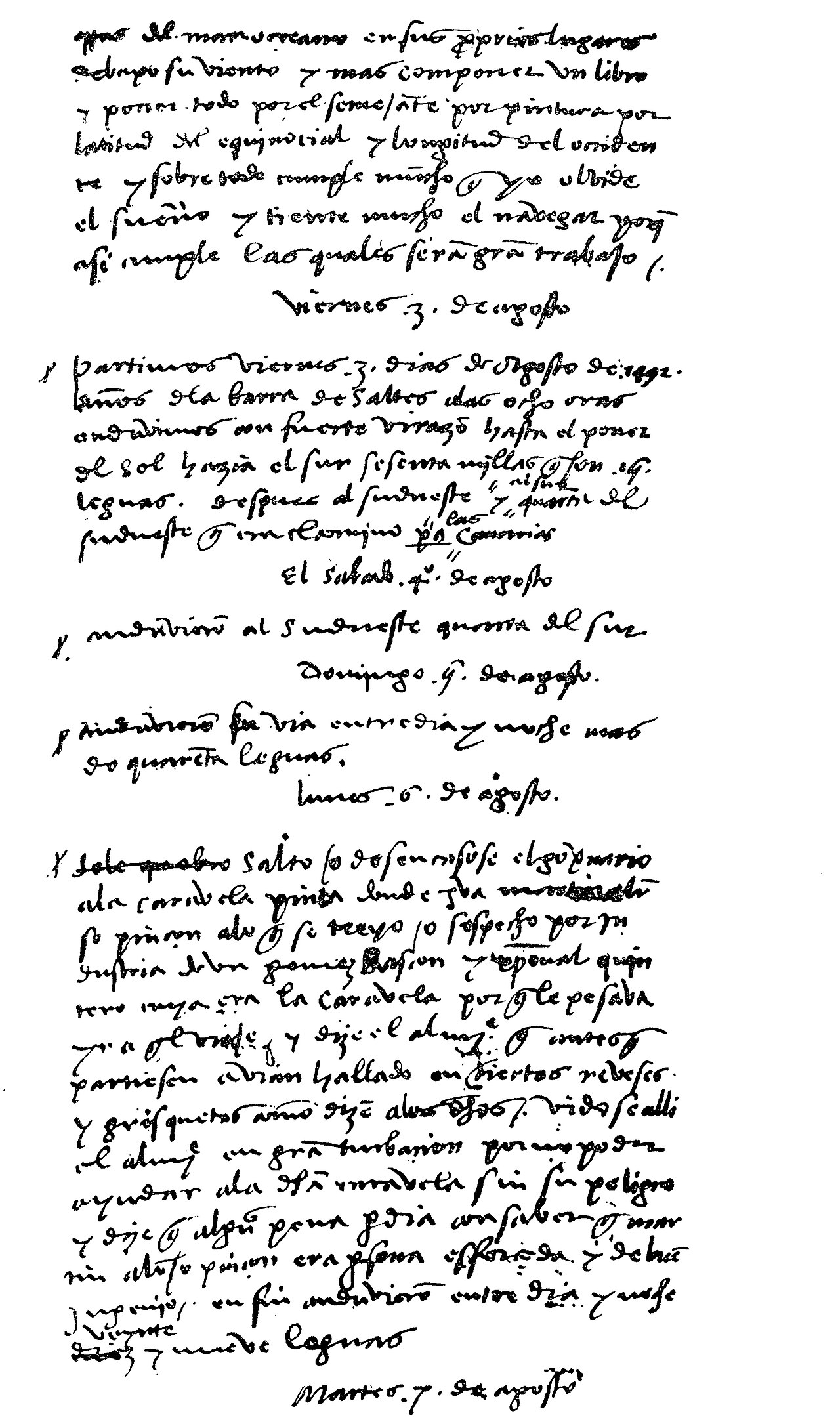 Diary entry
Primary source
Christopher Columbus' Journal
Christopher Columbus · 3 August 1492 – 15 March 1493
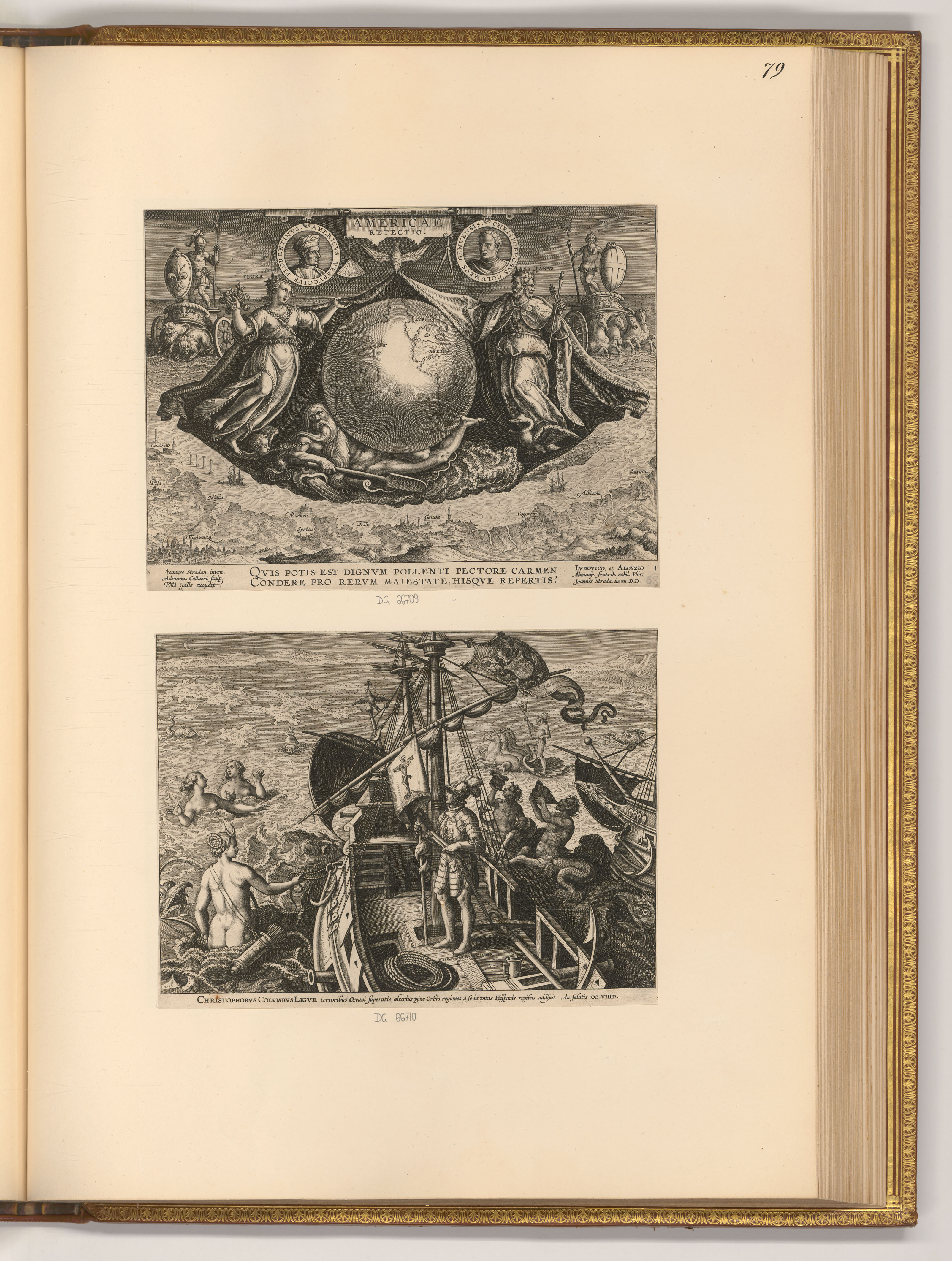 Painting
Secondary source
Americae Retectio Title Page with Columbus on His Ship
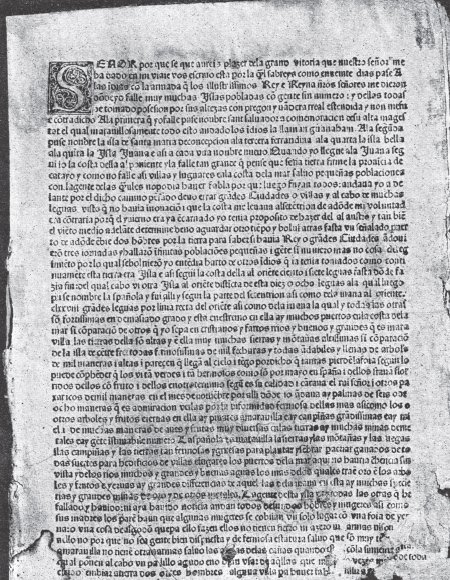 Letter
Primary source
Columbus Letter on the First Voyage
Christopher Columbus · 15 February 1493
 Painting
Secondary source
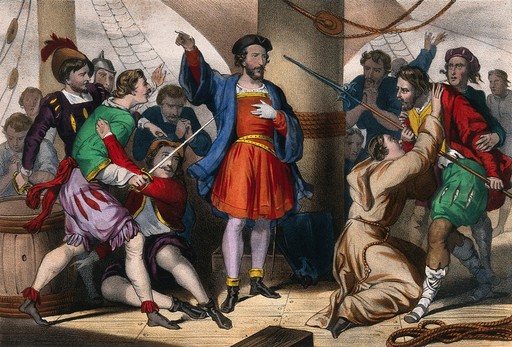
Columbus Admonishes His Men
Cassé
 Document
Primary source
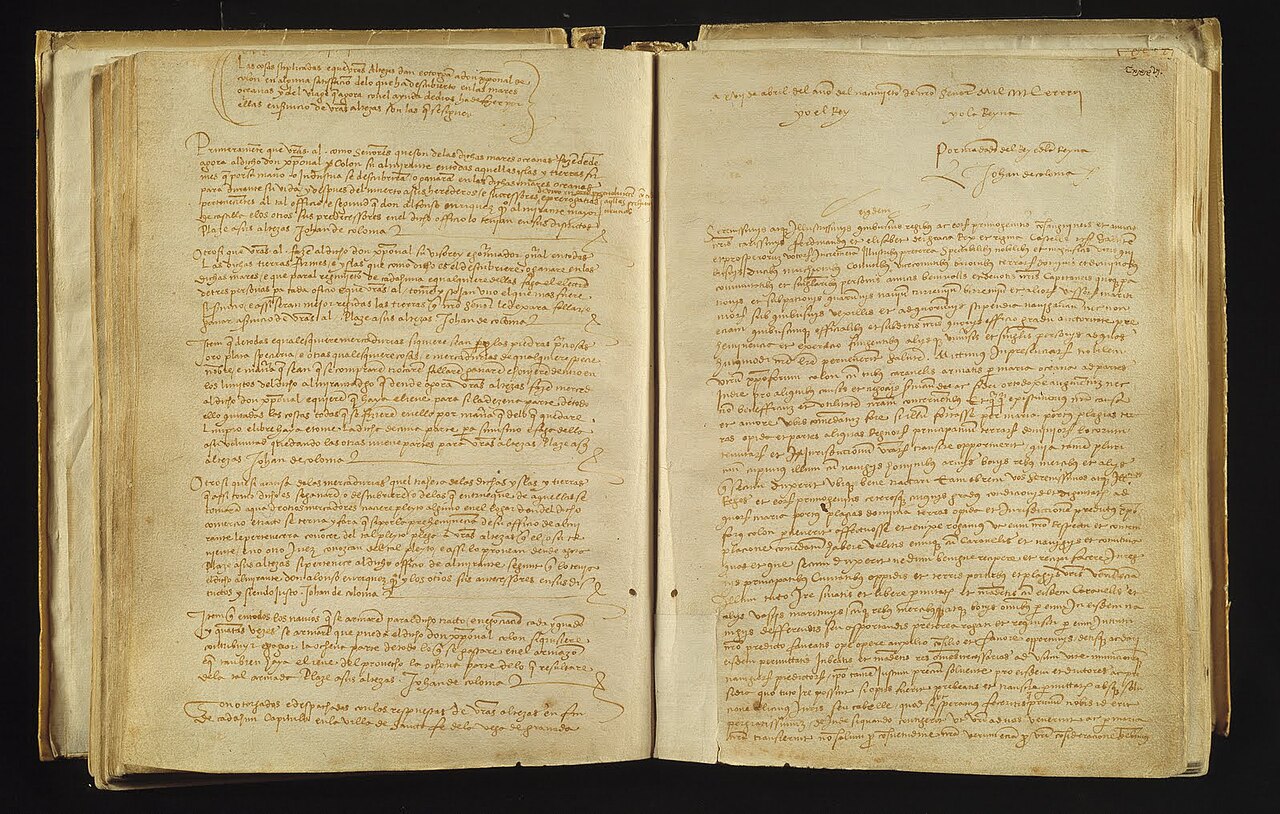
Capitulations of Santa Fe
Catholic Monarchs · 17 April 1492
Ready when you are
Start chatting with Christopher Columbus now.
20 messages free · No credit card · Available in 50+ languages.