


Secondary sourceArtifact1855–1861
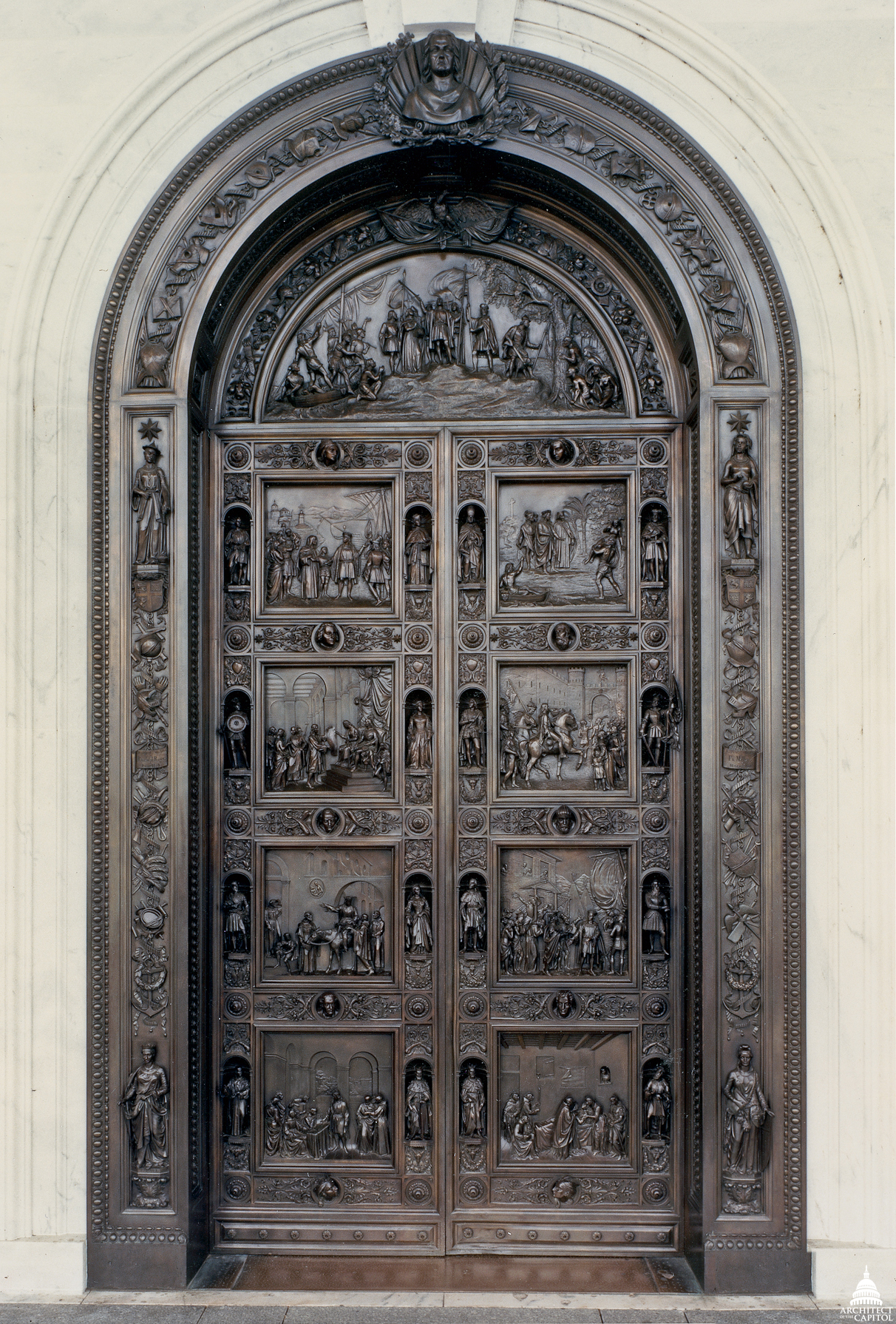
Columbus Doors
Randolph Rogers · 1855–1861
A pair of monumental bronze doors at the US Capitol, designed by Randolph Rogers, depicting scenes from Columbus's life in relief panels.
These doors commemorate Columbus's life through narrative bronze reliefs at the US Capitol.
About this source
What it is
These bronze doors, also called the Rogers Doors, were designed by sculptor Randolph Rogers and cast by Ferdinand von Miller between 1855 and 1861 for the East Front of the US Capitol in Washington, D.C. Each door has four relief panels showing key events in the life of Christopher Columbus, with a semicircular scene of his landing above and figures representing Asia, Africa, Europe and America around the border. They were installed in 1871 and moved to their current location in 1961.
Why it matters
At nearly 17 feet tall, the doors turned Columbus's life into a grand, patriotic narrative for the US Capitol, reflecting 19th-century America's embrace of Columbus as a national symbol. Rogers, an American sculptor working in Italy, had never worked at this scale in bronze before. The doors were damaged during the 2021 Capitol attack, adding a later layer to their history.
Look closer
- Why might the designers have chosen to tell Columbus's story through eight separate scenes?
- What do the continent figures around the border suggest about how Columbus's
This artifact is part of the curated material that grounds the AI version of Christopher Columbus on Humy.ai — when students ask about related events, the AI can quote it and cite it.
More Christopher Columbus sources
Meet the AI Christopher Columbus →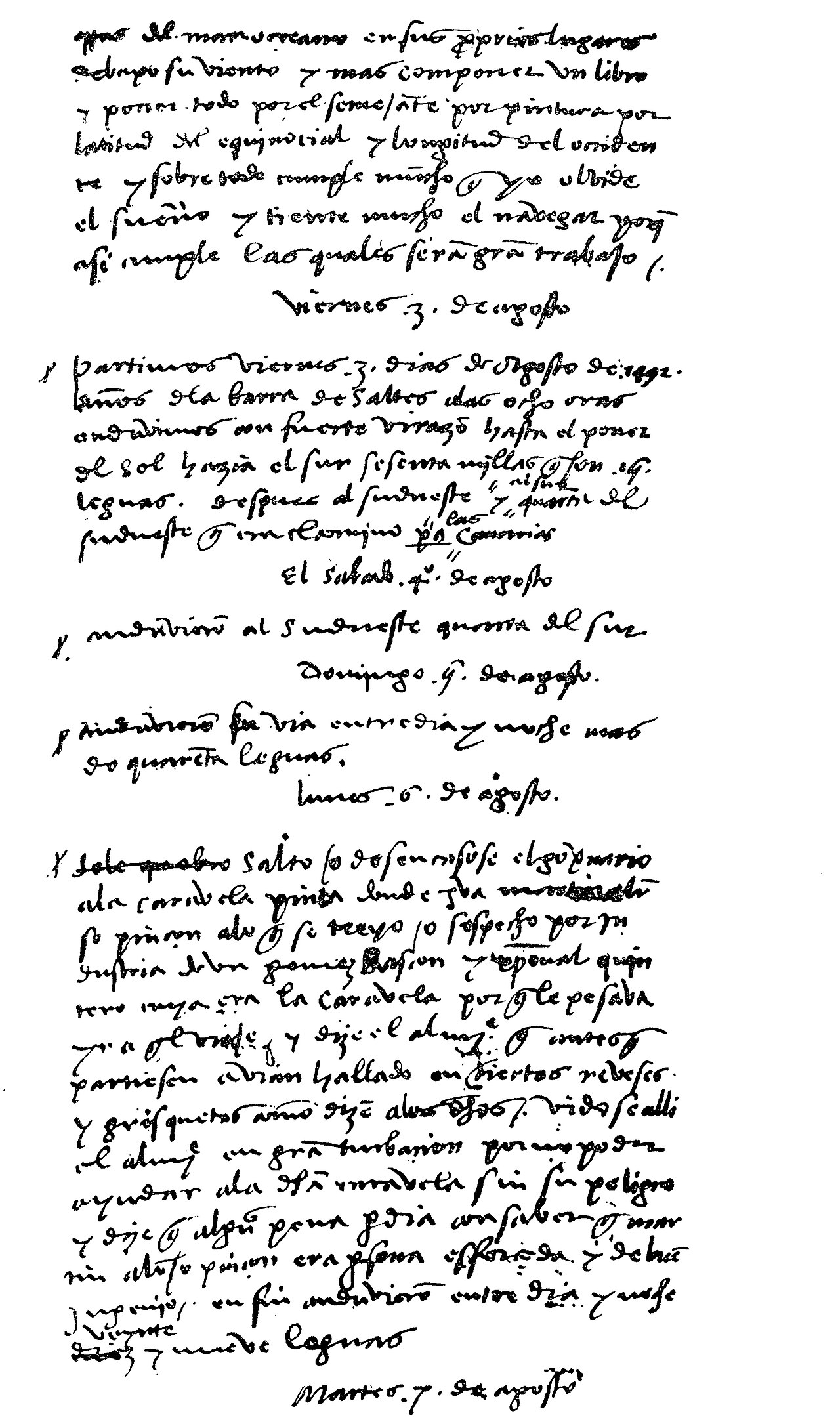 Diary entry
Primary source
Christopher Columbus' Journal
Christopher Columbus · 3 August 1492 – 15 March 1493
 Painting
Secondary source
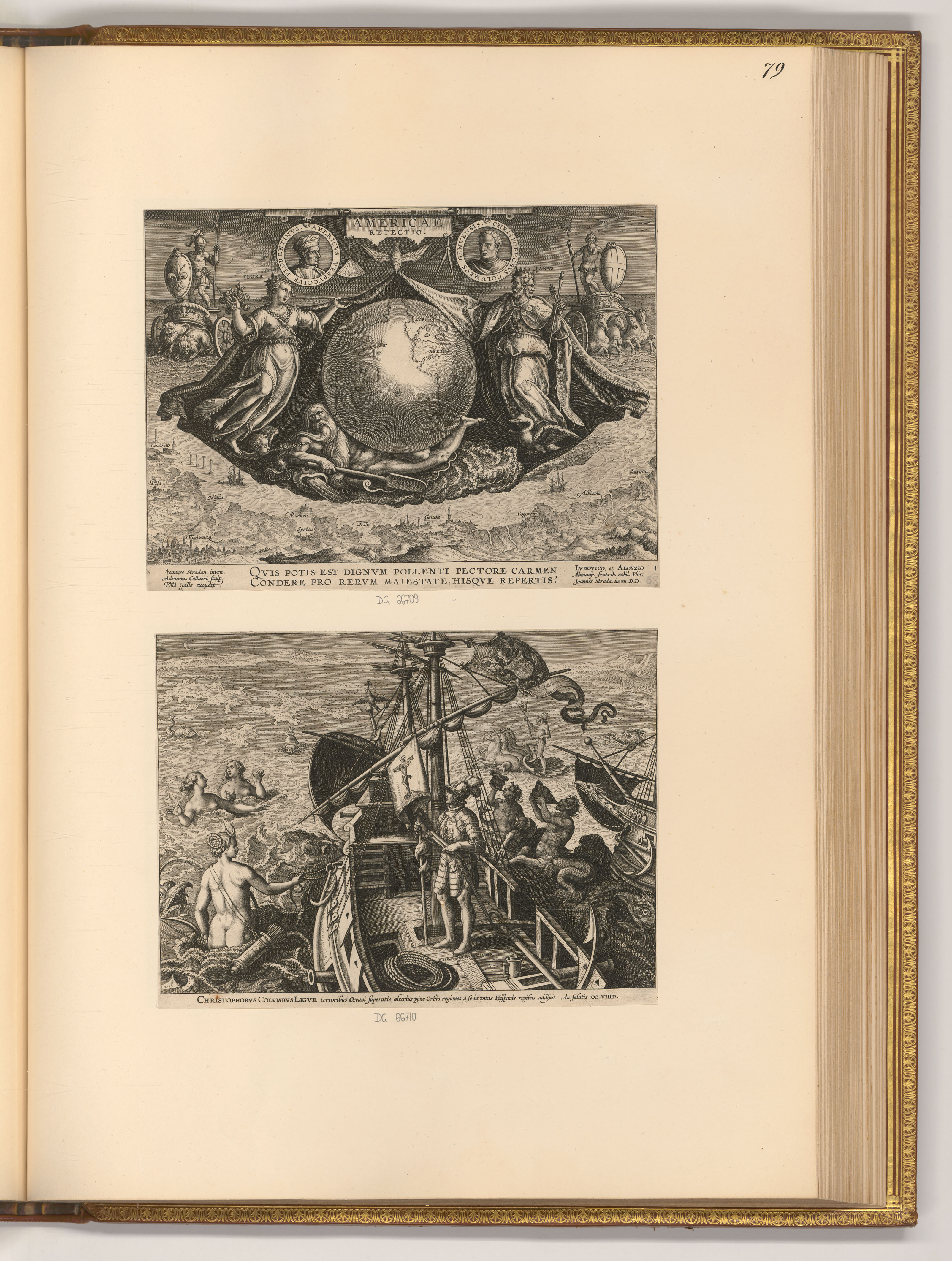
Americae Retectio Title Page with Columbus on His Ship
 Letter
Primary source
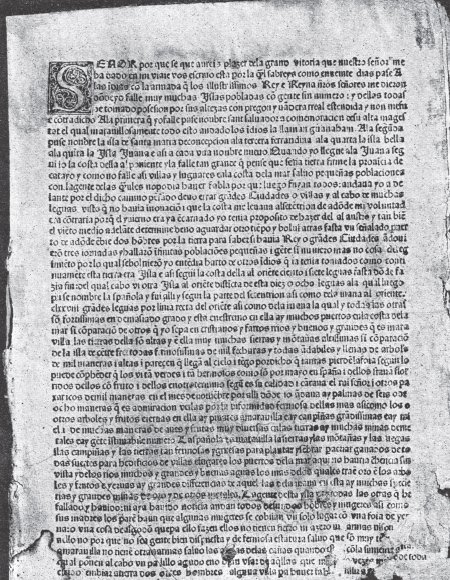
Columbus Letter on the First Voyage
Christopher Columbus · 15 February 1493
 Painting
Secondary source
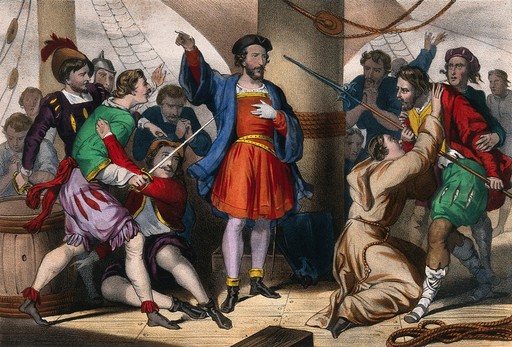
Columbus Admonishes His Men
Cassé
 Document
Primary source
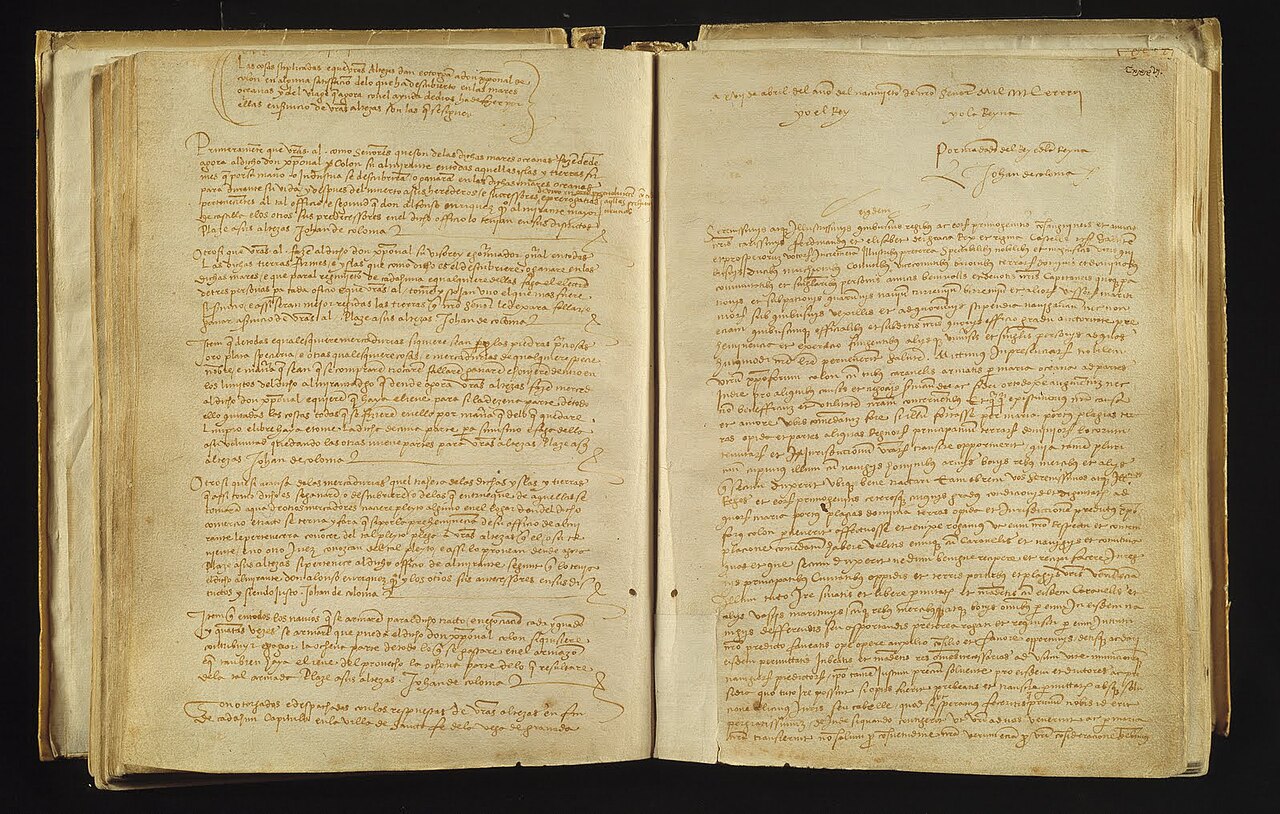
Capitulations of Santa Fe
Catholic Monarchs · 17 April 1492
Ready when you are
Start chatting with Christopher Columbus now.
20 messages free · No credit card · Available in 50+ languages.