


Secondary sourcePainting12 October 1492 (depicted event); engraving later
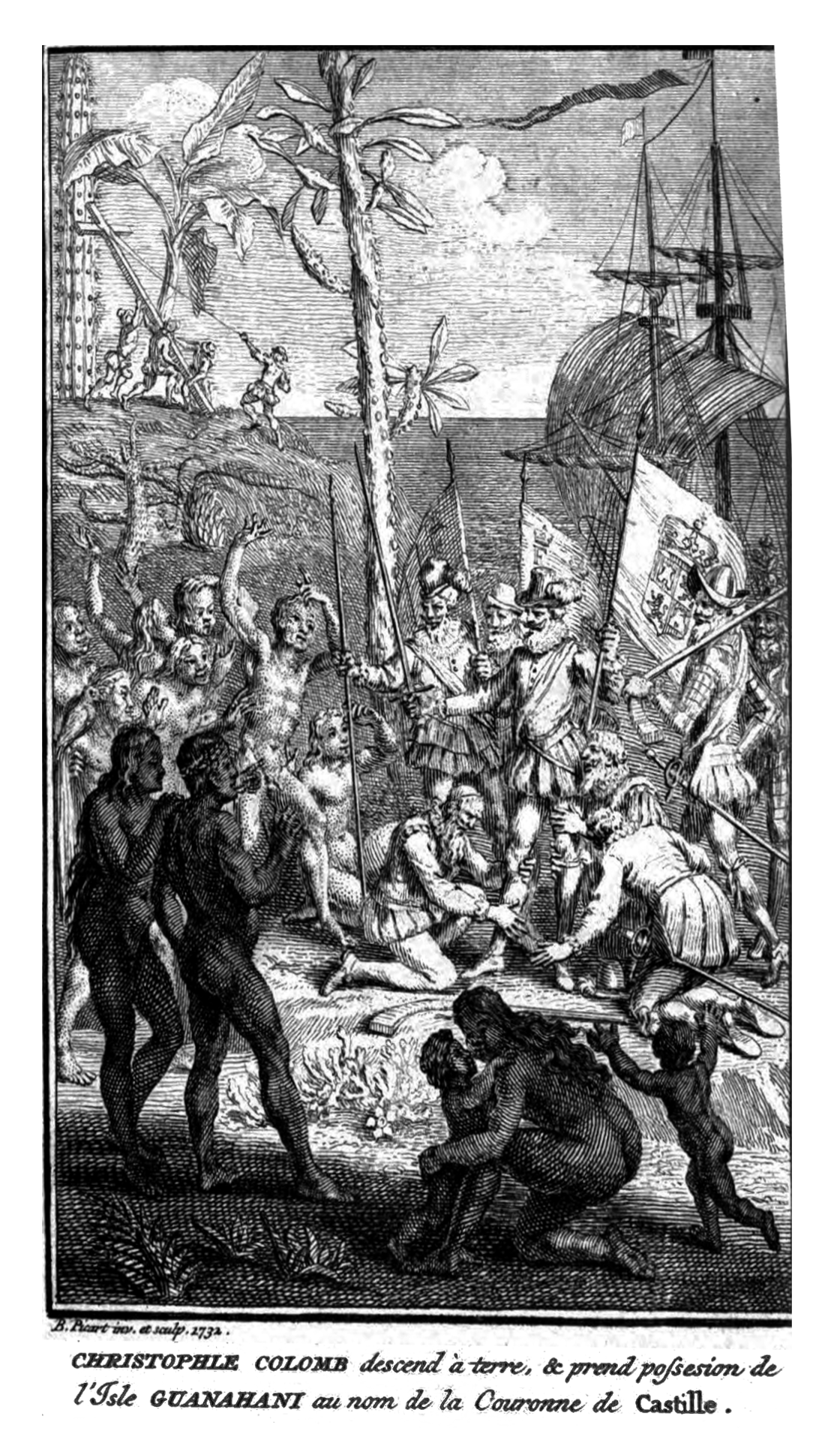
Columbus takes possession of Guanahani
Jean-Baptiste Le Pers · 12 October 1492 (depicted event); engraving later
An engraving from a later French history book showing Columbus landing on Guanahani and claiming it for the Crown of Castile in October 1492.
Depicts Columbus's act of claiming land for Castile, a central and controversial moment in his voyages.
About this source
What it is
This engraving comes from a history written by Pierre-François-Xavier de Charlevoix, with imagery by Jean-Baptiste Le Pers. It depicts Columbus kneeling on a beach and claiming the island of Guanahani for the Crown of Castile, with European men in armor, a ship, and Indigenous people watching from the shore.
Why it matters
This image reflects how later European writers portrayed Columbus's landing and claim of territory on 12 October 1492, a moment that marked the beginning of European colonization of the Americas. The scene reveals how European artists depicted both Columbus's authority and the Indigenous people he encountered, often in ways that reflect the attitudes of the colonizers rather than the people themselves.
Look closer
- Who created this image, and how long after the event did they make it?
- How are the Europeans and the Indigenous people shown differently in posture, clothing, and position?
- What does the image suggest about whose perspective the artist prioritized, and what story might the Indigenous people have told instead?
This painting is part of the curated material that grounds the AI version of Christopher Columbus on Humy.ai — when students ask about related events, the AI can quote it and cite it.
More Christopher Columbus sources
Meet the AI Christopher Columbus →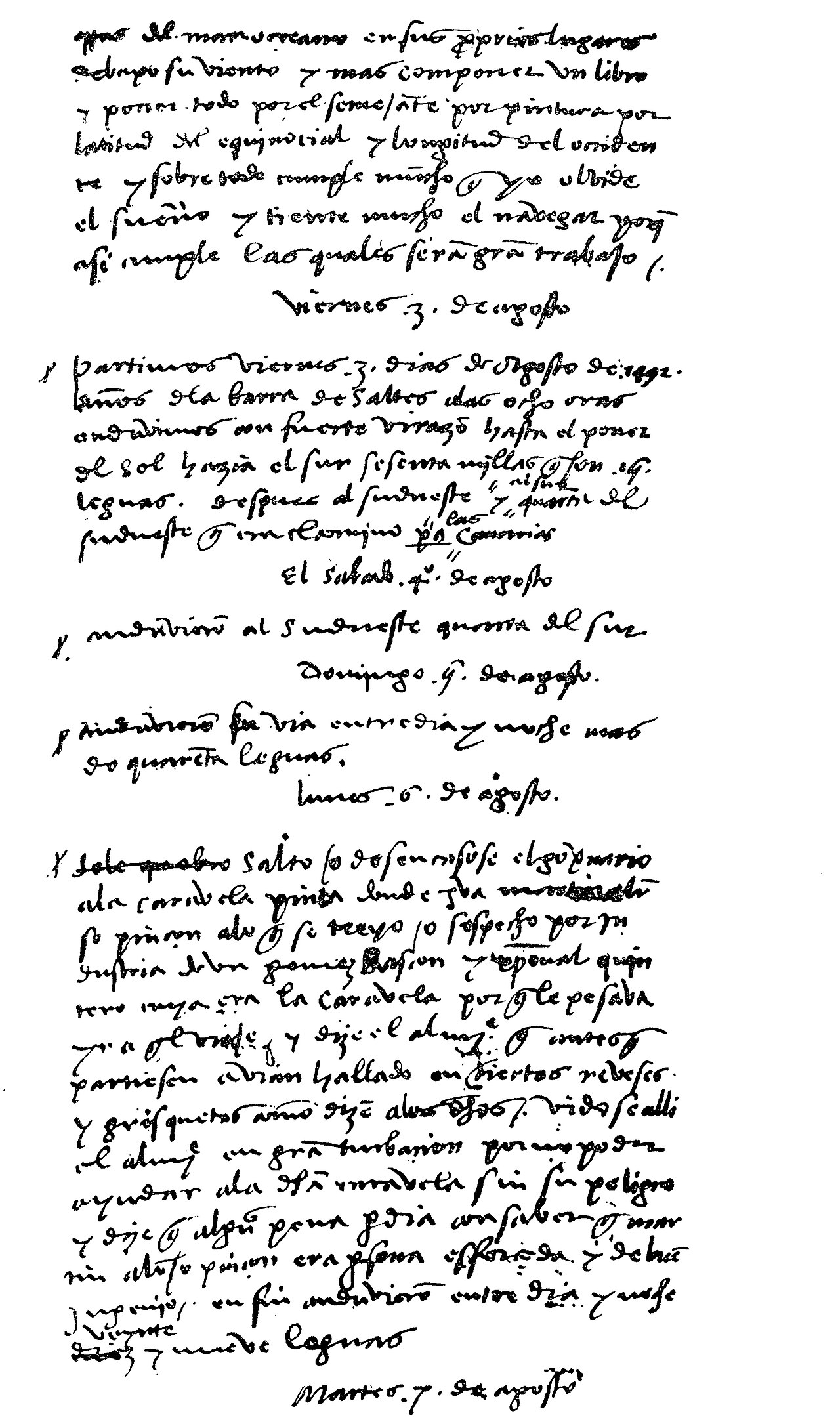 Diary entry
Primary source
Christopher Columbus' Journal
Christopher Columbus · 3 August 1492 – 15 March 1493
 Painting
Secondary source
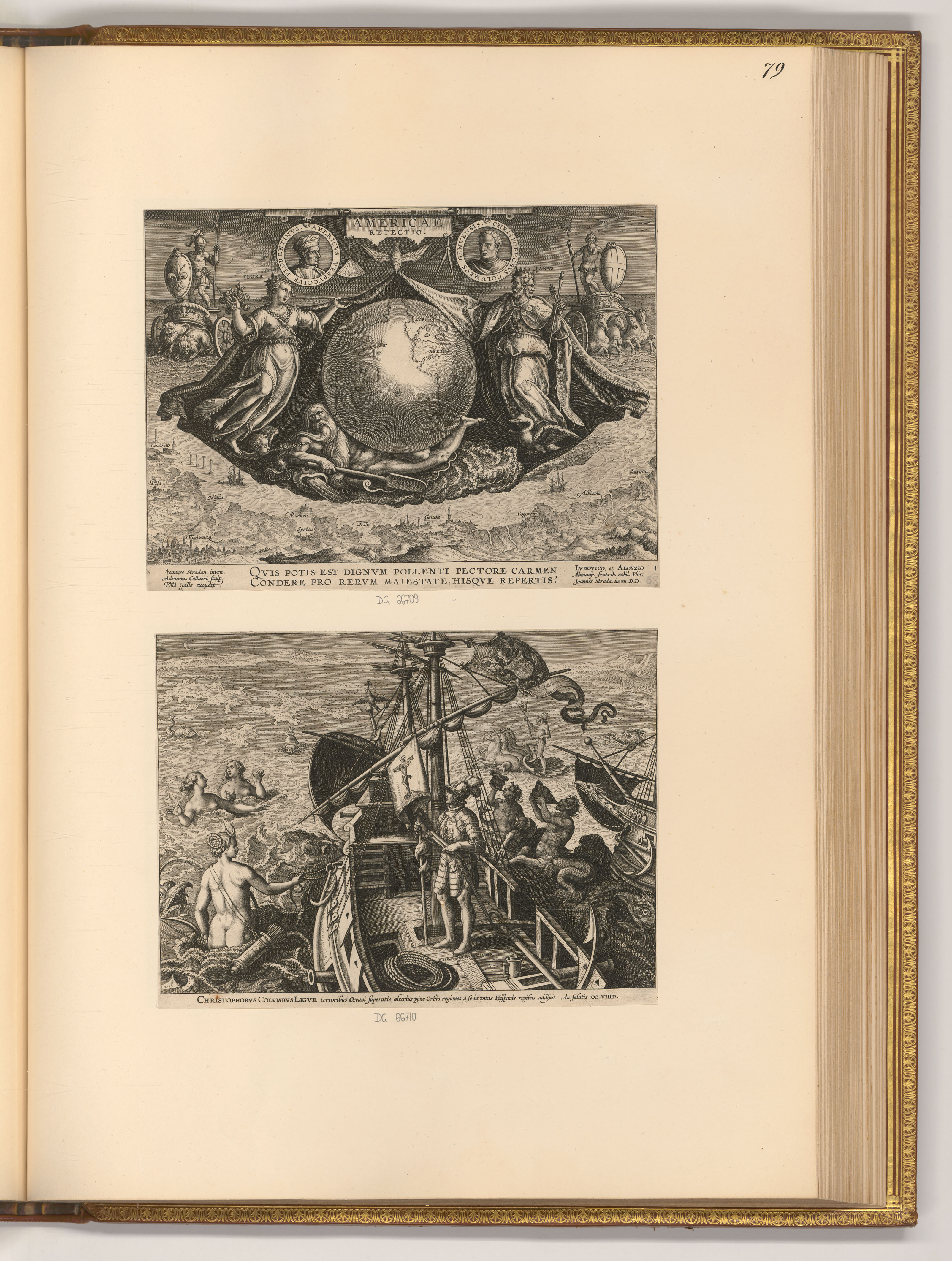
Americae Retectio Title Page with Columbus on His Ship
 Letter
Primary source
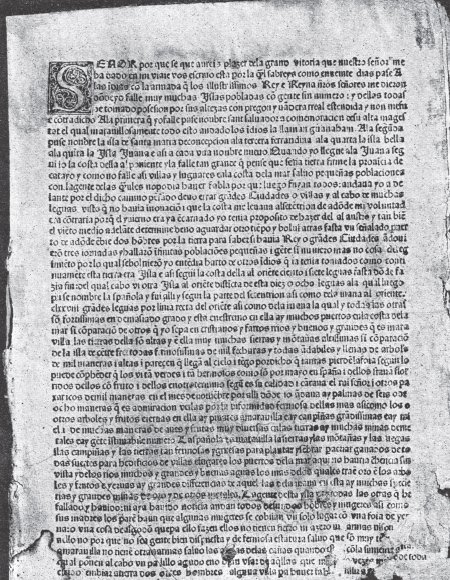
Columbus Letter on the First Voyage
Christopher Columbus · 15 February 1493
 Painting
Secondary source
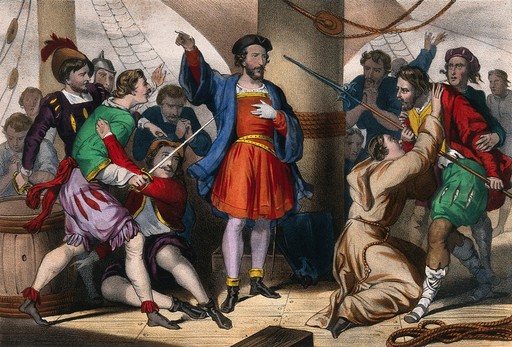
Columbus Admonishes His Men
Cassé
 Document
Primary source
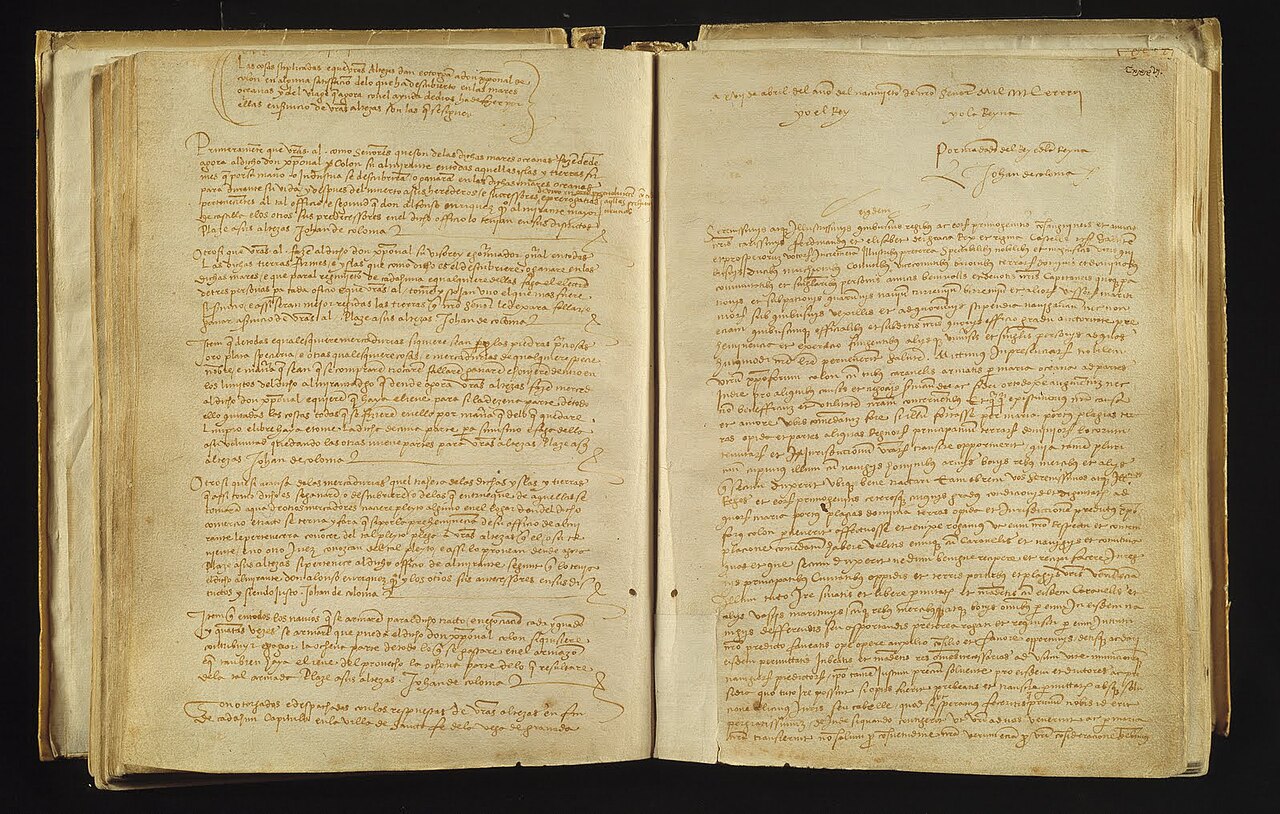
Capitulations of Santa Fe
Catholic Monarchs · 17 April 1492
Ready when you are
Start chatting with Christopher Columbus now.
20 messages free · No credit card · Available in 50+ languages.