


Primary sourcePainting1834
Communal Bath House in Japan
Hokusai Katsushika · 1834
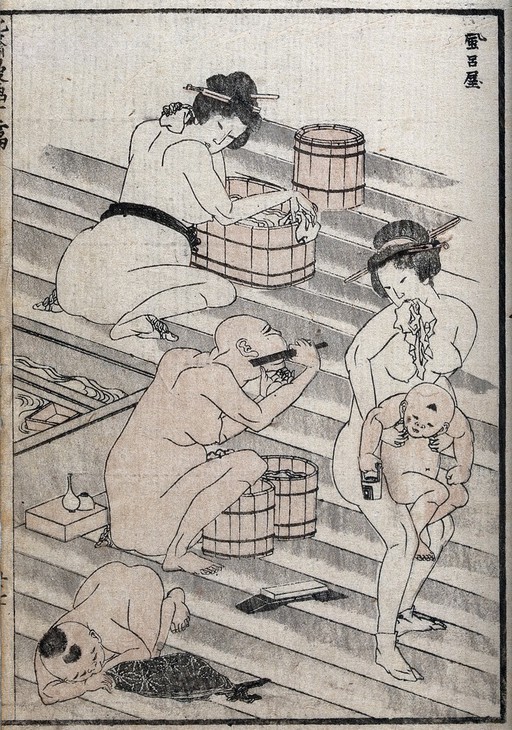
A coloured 1834 woodcut by Hokusai showing everyday bathhouse life in Edo-period Japan, including nude bathers.
This coloured woodcut was designed and printed by Hokusai, showing his depiction of everyday life.
About this source
What it is
This is a coloured woodcut made by Hokusai in 1834. It shows a communal bathhouse scene with women and children washing, and a Buddhist nun shaving her head. It is held by the Wellcome Collection in the United Kingdom.
Why it matters
Hokusai's prints often captured ordinary daily life in Edo-period Japan, including scenes like public bathing that reveal everyday customs and social habits rarely recorded elsewhere. This print offers a window into domestic and religious practices of the time, shown with Hokusai's characteristic attention to detail and gentle humour.
Look closer
- What different activities are happening in this bathhouse scene?
- Why might Hokusai have included a nun shaving her head in this setting?
- What does this print suggest about daily routines and community life in Edo-period Japan?
This painting is part of the curated material that grounds the AI version of Hokusai on Humy.ai — when students ask about related events, the AI can quote it and cite it.
More Hokusai sources
Meet the AI Hokusai →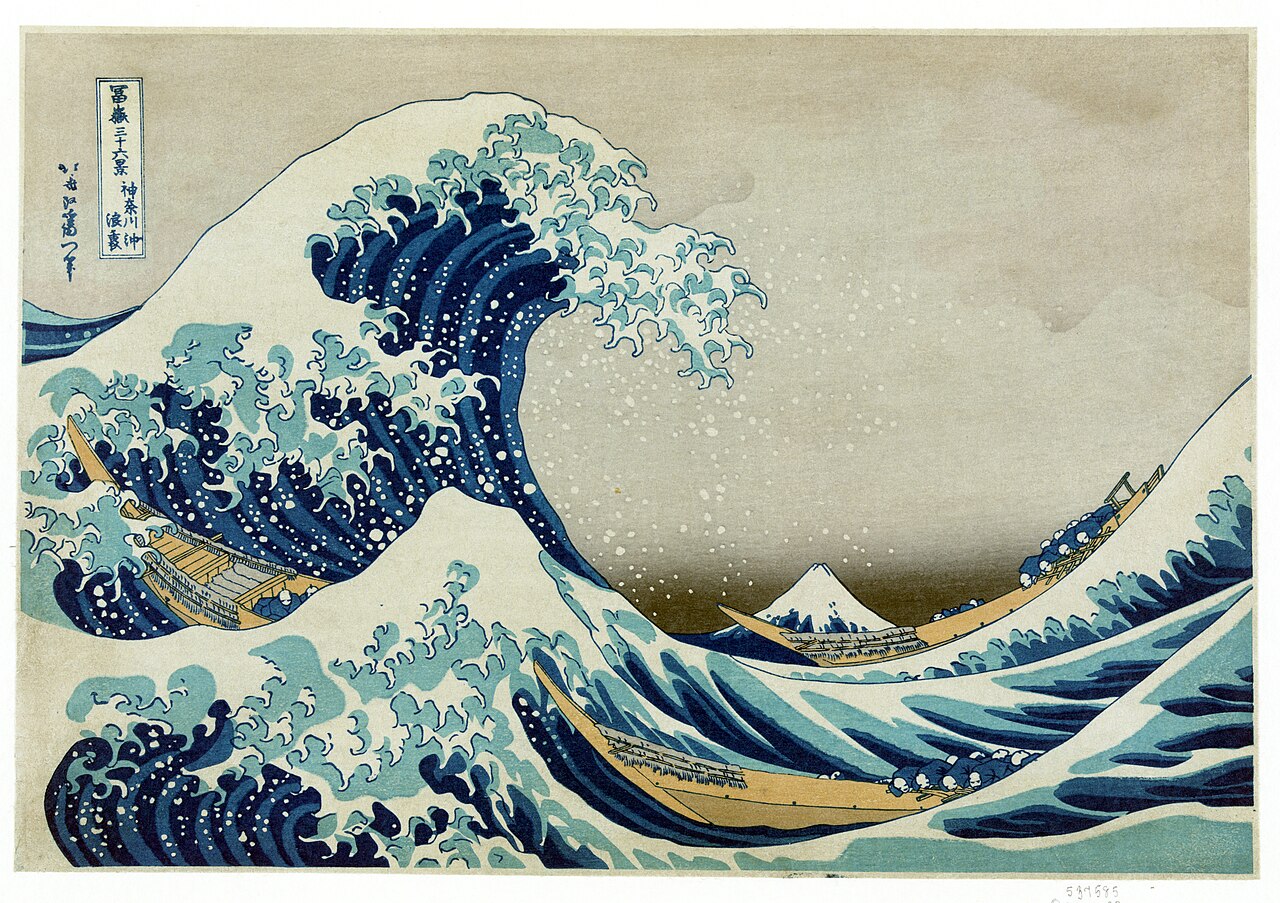 Painting
Primary source
The Great Wave off Kanagawa
Katsushika Hokusai · 1830
 Painting
Primary source
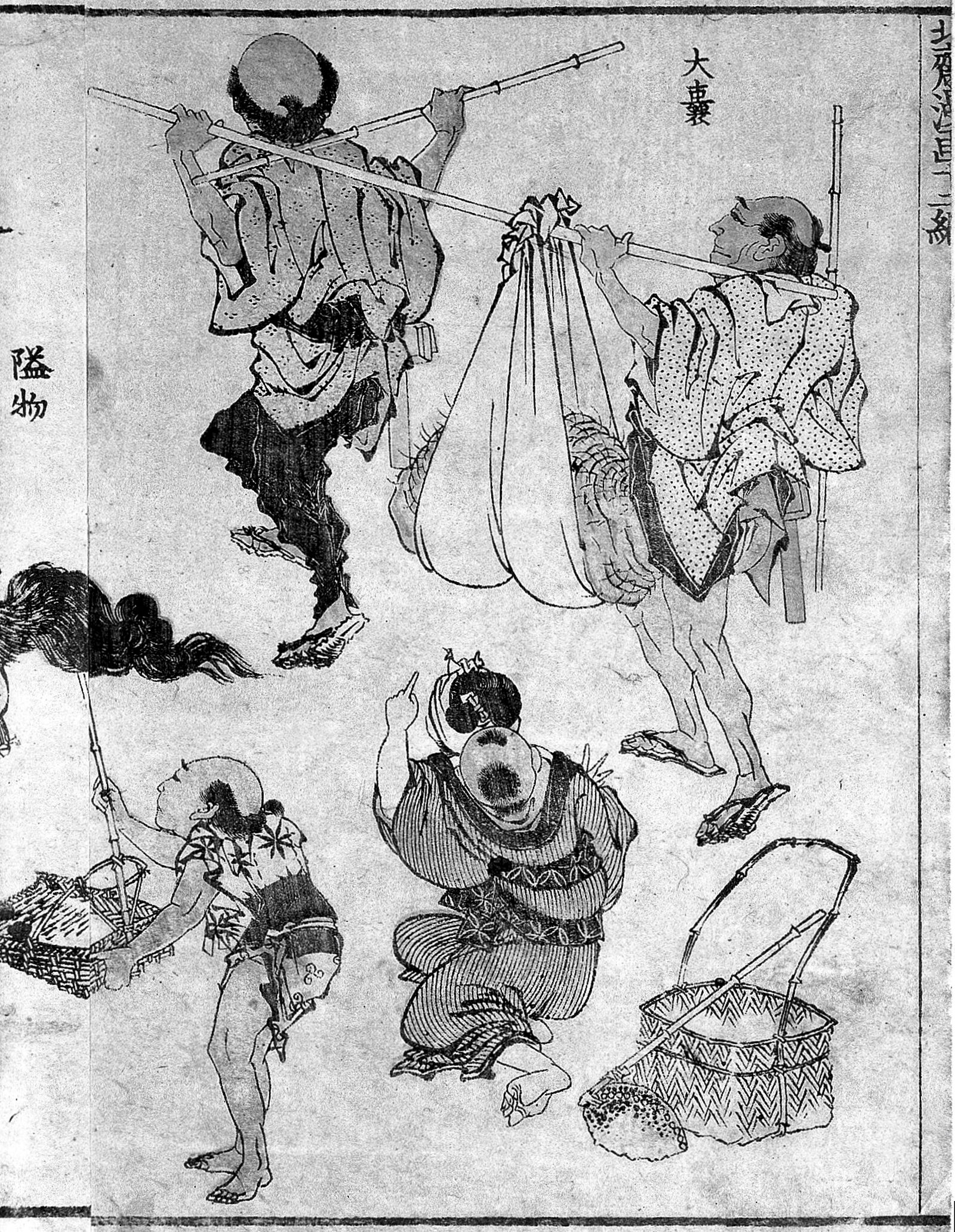
Man with Filarial Elephantiasis
Katsushika Hokusai · 1834
 Painting
Primary source
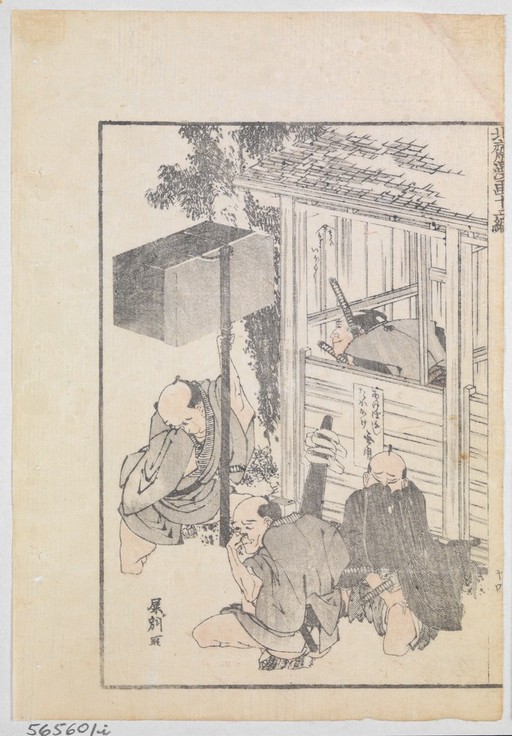
Samurai Visiting a Latrine
Hokusai Katsushika · 1834
 Painting
Primary source
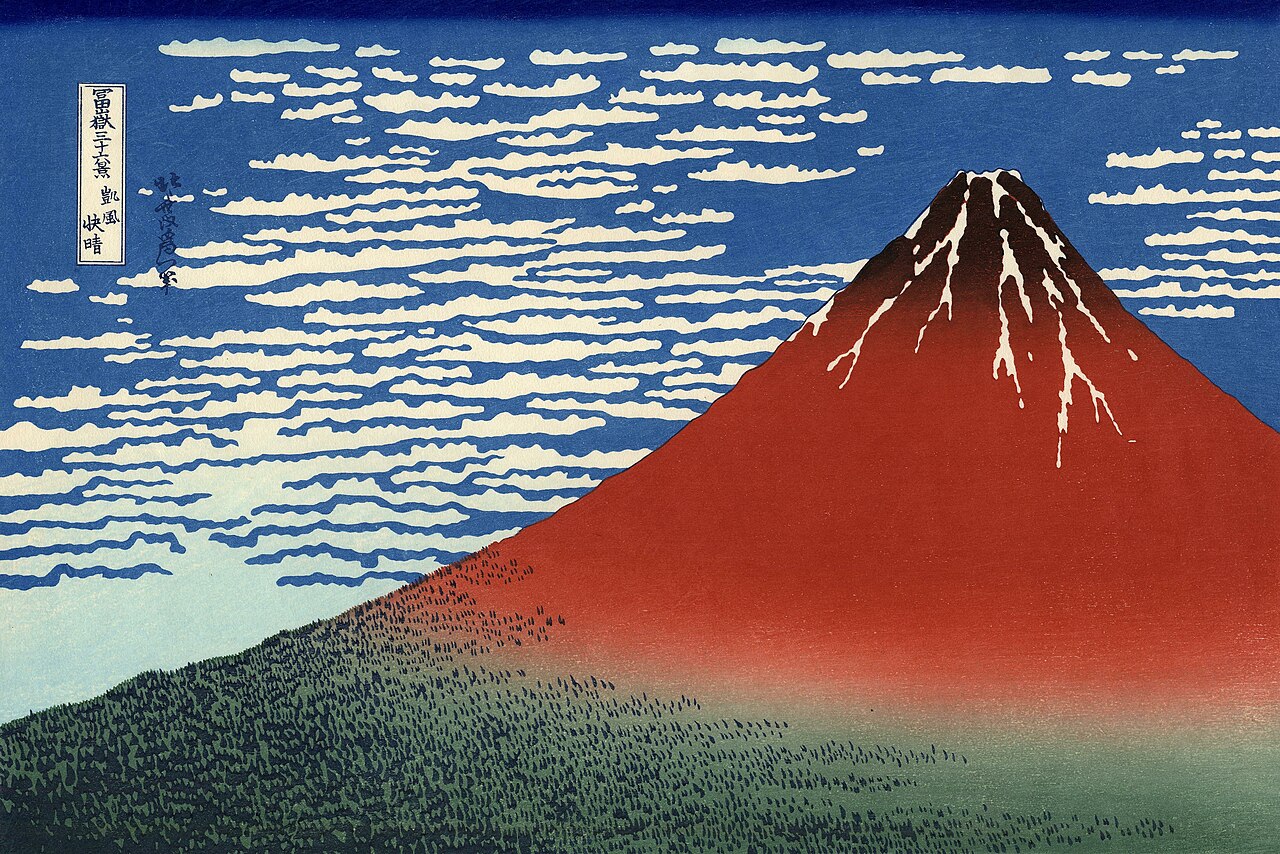
Thirty-six Views of Mount Fuji
Katsushika Hokusai · c. 1830-1832
 Painting
Primary source
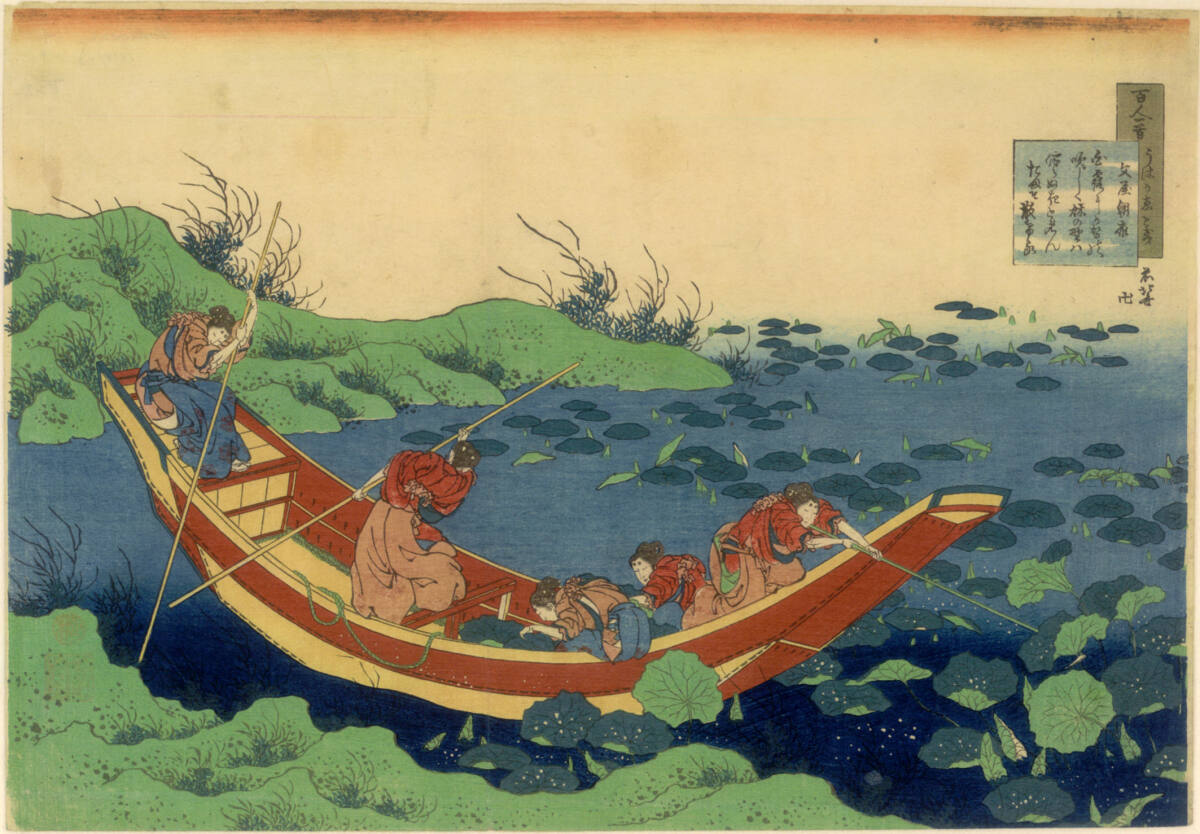
Women in a Rowing Boat on a Lotus Pond
Hokusai Katsushika
Ready when you are
Start chatting with Hokusai now.
20 messages free · No credit card · Available in 50+ languages.