


Primary sourceDocument1730
Conditions
Supreme Privy Council · 1730
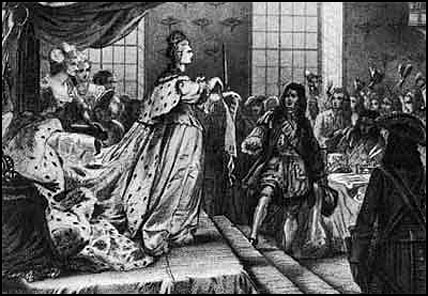
A 1730 document by Russia's Supreme Privy Council limiting the new empress's power, drafted right after Peter II's death left no clear succession plan.
Drafted immediately after Peter II's death, this document reveals the power struggle his unplanned succession triggered.
About this source
What it is
The Conditions were a legal document written by the Supreme Privy Council just after Peter II died. The council had Empress Anna of Russia sign them, agreeing to share her power with the council.
Why it matters
Some historians call this the first constitutional project in the Russian Empire. It shows how Peter II's sudden death without an heir created a power vacuum that nobles tried to fill by limiting the next monarch's authority. Anna later tore up the agreement once in power, dissolving the council and punishing its members.
Look closer
- Why would nobles want to limit the ruler's power right after Peter II's death?
- What does Anna's later rejection of the Conditions tell you about the limits of written agreements?
- What does this episode reveal about the stability of Russia's succession system?
This document is part of the curated material that grounds the AI version of Peter II of Russia on Humy.ai — when students ask about related events, the AI can quote it and cite it.
More Peter II of Russia sources
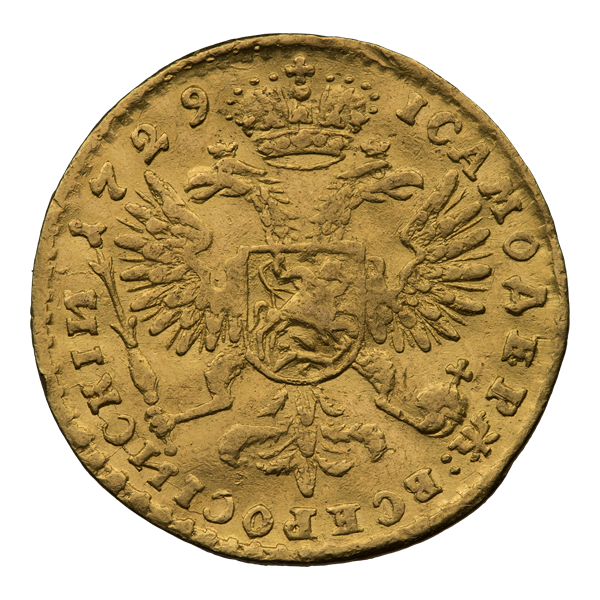
Browse all 47 →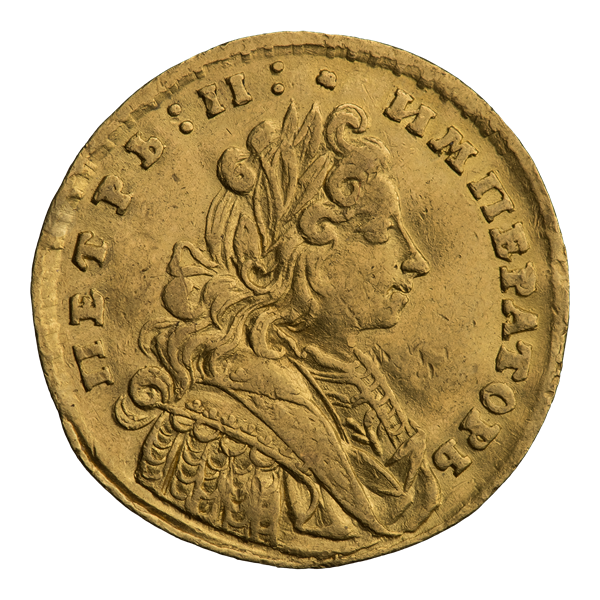 Artifact
Primary source
Chervonets of 1729 (obverse)
1729
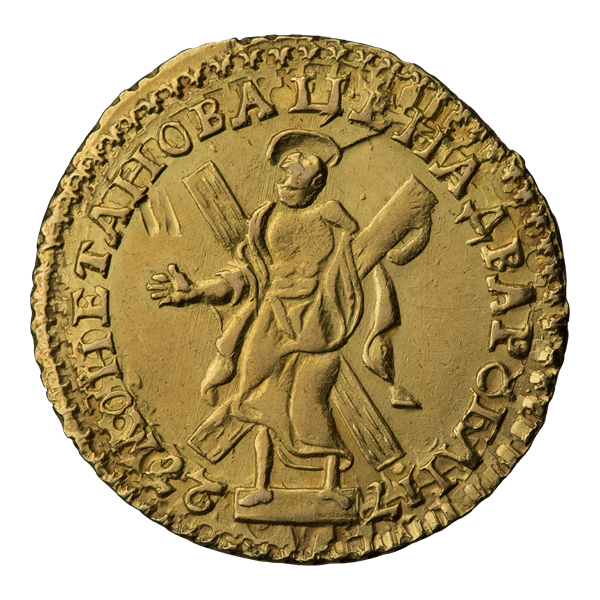
 Artifact
Primary source
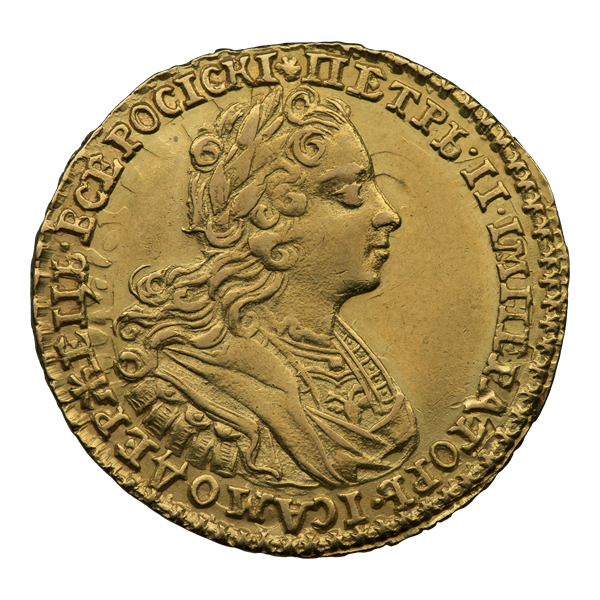
Two Roubles of 1727 (obverse)
1727
 Document
Primary source
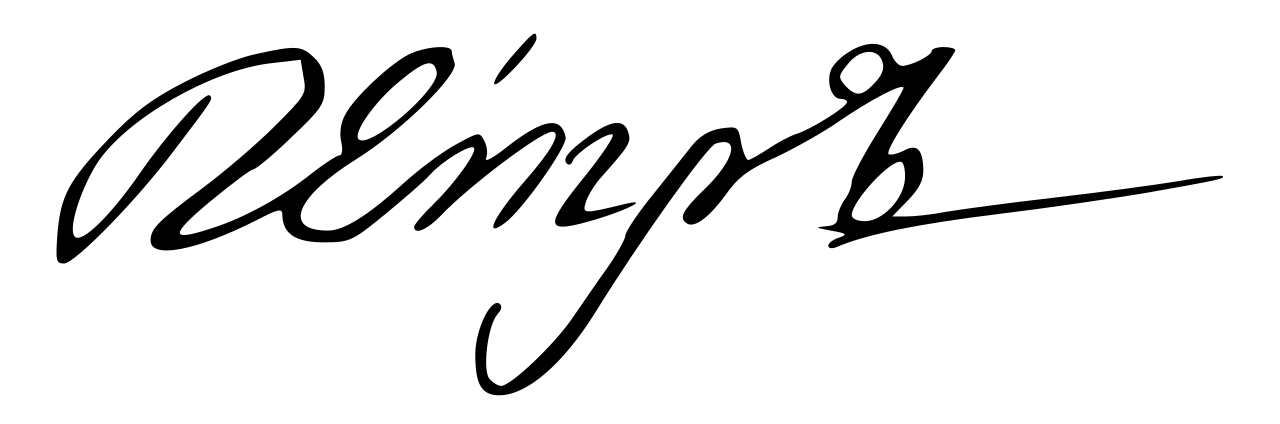
Signature of Peter II of Russia
Peter II of Russia
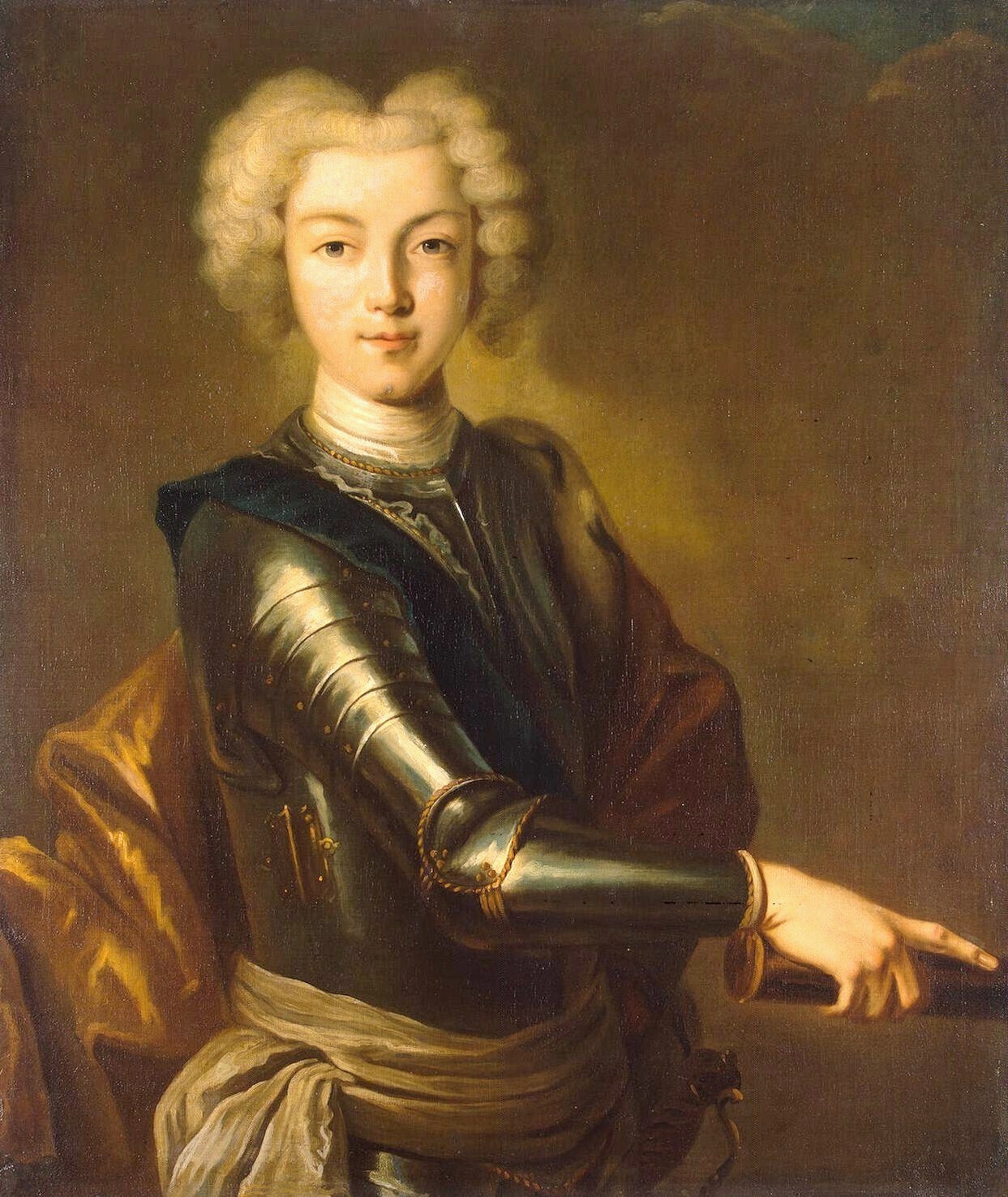 Painting
Secondary source
Portrait of Peter II
Unknown painter · 1755
Free account
Read every Peter II of Russia source
Sign up free →
Ready when you are
Start chatting with Peter II of Russia now.
20 messages free · No credit card · Available in 50+ languages.