


Primary sourceDocument212
Constitutio Antoniniana
Caracalla · 212
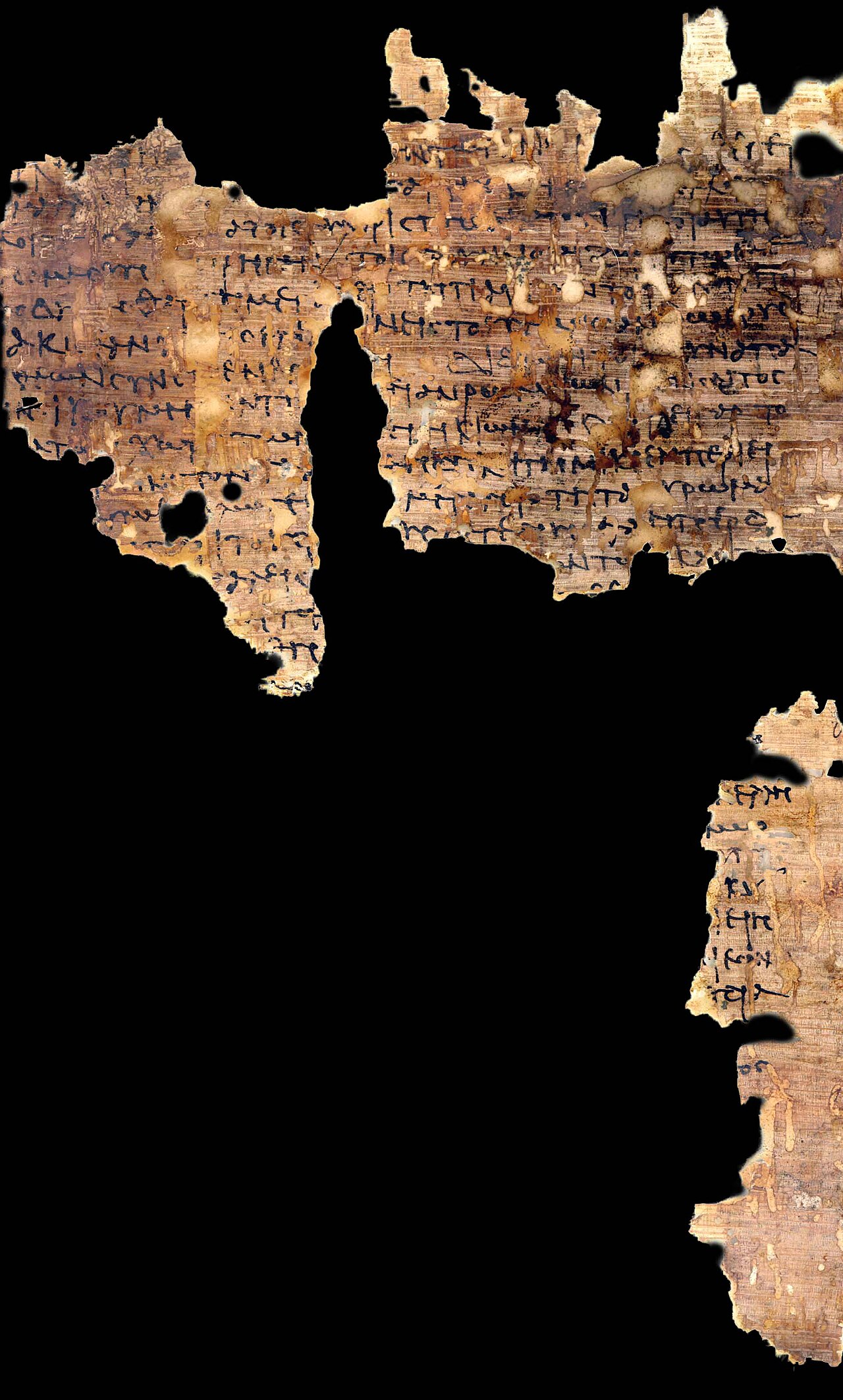
The only surviving text of Caracalla's 212 edict granting Roman citizenship to nearly all free people of the empire.
This edict, issued by Caracalla himself, is his most consequential legal act as emperor.
About this source
What it is
The Constitutio Antoniniana is an edict issued in AD 212 by the emperor Caracalla. It declared that almost all free men across the Roman Empire were to be given full Roman citizenship, extending rights to women too. A fragmentary papyrus copy of the text, dated to 215, survives today.
Why it matters
Before this edict, full citizenship was mostly limited to Italy and small groups elsewhere. The decree reshaped the legal and social structure of the whole empire. Ancient writers disagreed about Caracalla's motives: the senator Cassius Dio claimed he mainly wanted to widen the tax base, while others see it as a step in unifying Roman law across the provinces.
Look closer
- Why might a Roman emperor choose to extend citizenship to almost everyone at once?
- What does it mean that only a damaged fragment of this important text survives?
- How might someone's opinion of Caracalla affect how they describe his reasons for the edict?
This document is part of the curated material that grounds the AI version of Caracalla on Humy.ai — when students ask about related events, the AI can quote it and cite it.
More Caracalla sources
Browse all 81 →
Ready when you are
Start chatting with Caracalla now.
20 messages free · No credit card · Available in 50+ languages.