


Primary sourceDocument26 November 1949
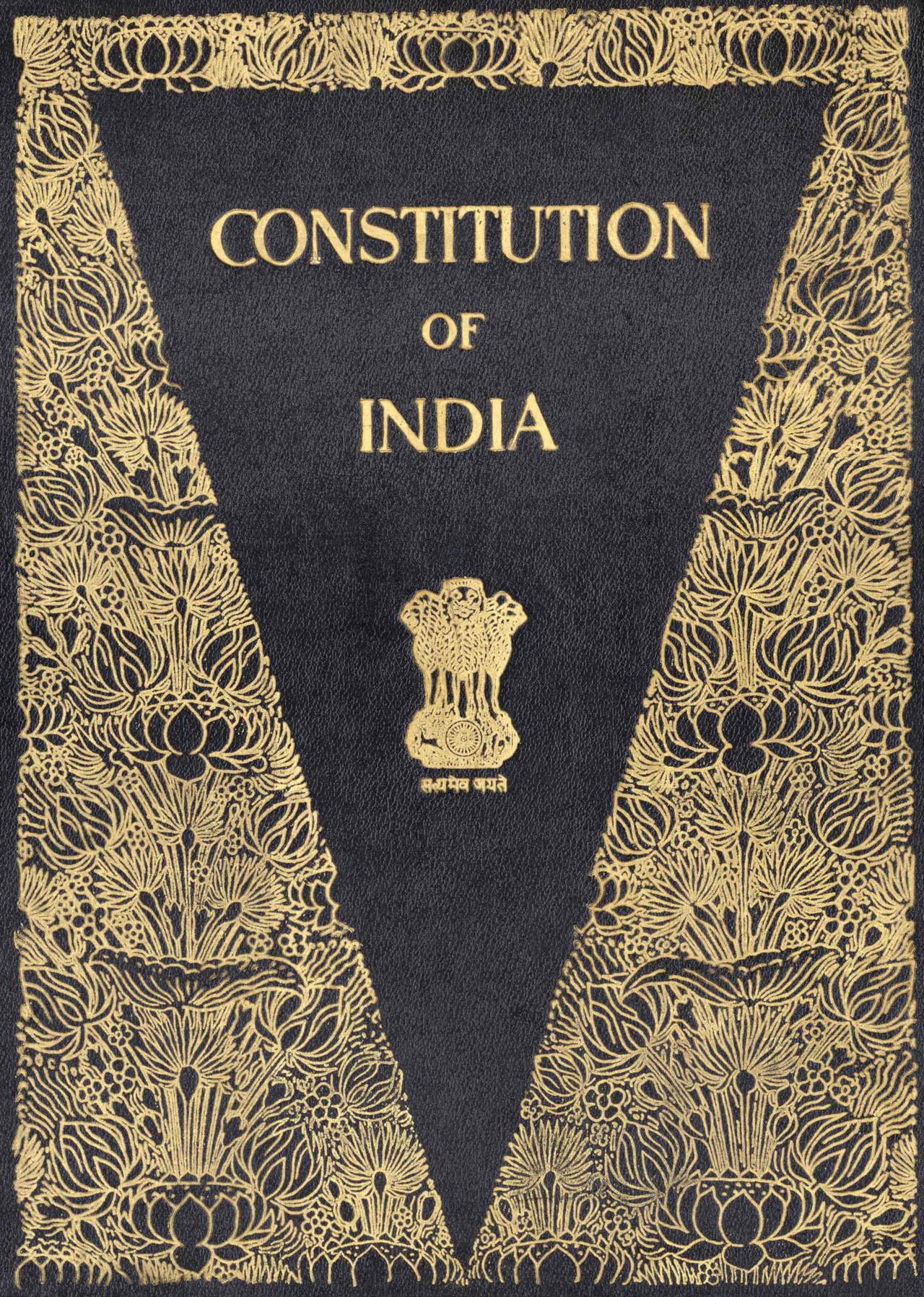
Constitution of India
Parliament of India · 26 November 1949
The founding legal document of India, adopted in 1949, which Nehru helped shape through the Objectives Resolution he moved in 1946.
Nehru signed the original manuscript and shaped its framework through the Objectives Resolution he had moved.
Free Humy account · No credit card · 120,912 sources to read
About this source
What it is
This is the Constitution of India, the supreme legal document of the country, adopted by the Constituent Assembly on 26 November 1949 and effective from 26 January 1950. It is the longest written national constitution in the world.
Drafting was led by a committee chaired by B. R. Ambedkar, but its framework grew out of the Objectives Resolution that Jawaharlal Nehru had introduced in 1946.
Why it matters
The Constitution lays out India's government structure, fundamental rights and duties, declaring the country a sovereign, democratic republic. It reflects the work of many figures — Ambedkar as chief drafter, Nehru as political leader shaping its early direction — and the long process of turning independence into a working democracy.
Look closer
- Why might a newly independent country spend nearly three years writing its constitution?
- What earlier laws and documents influenced its content, and why might that matter?
- What does it suggest that the original document is preserved in a nitrogen-filled case?
This document is part of the curated material that grounds the AI version of Jawaharlal Nehru, Dr Bhimaro Ambedkar and Vallabhbhai Patel on Humy.ai — when students ask about related events, the AI can quote it and cite it.
More Jawaharlal Nehru sources
Browse all 97 →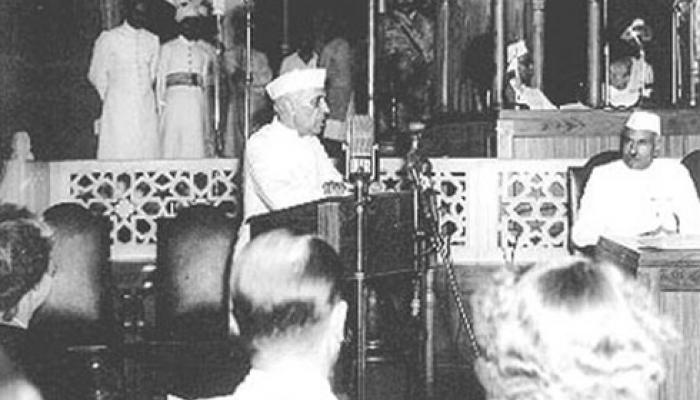 Speech
Primary source
Tryst with Destiny
Jawaharlal Nehru · 14–15 August 1947
 Document
Primary source
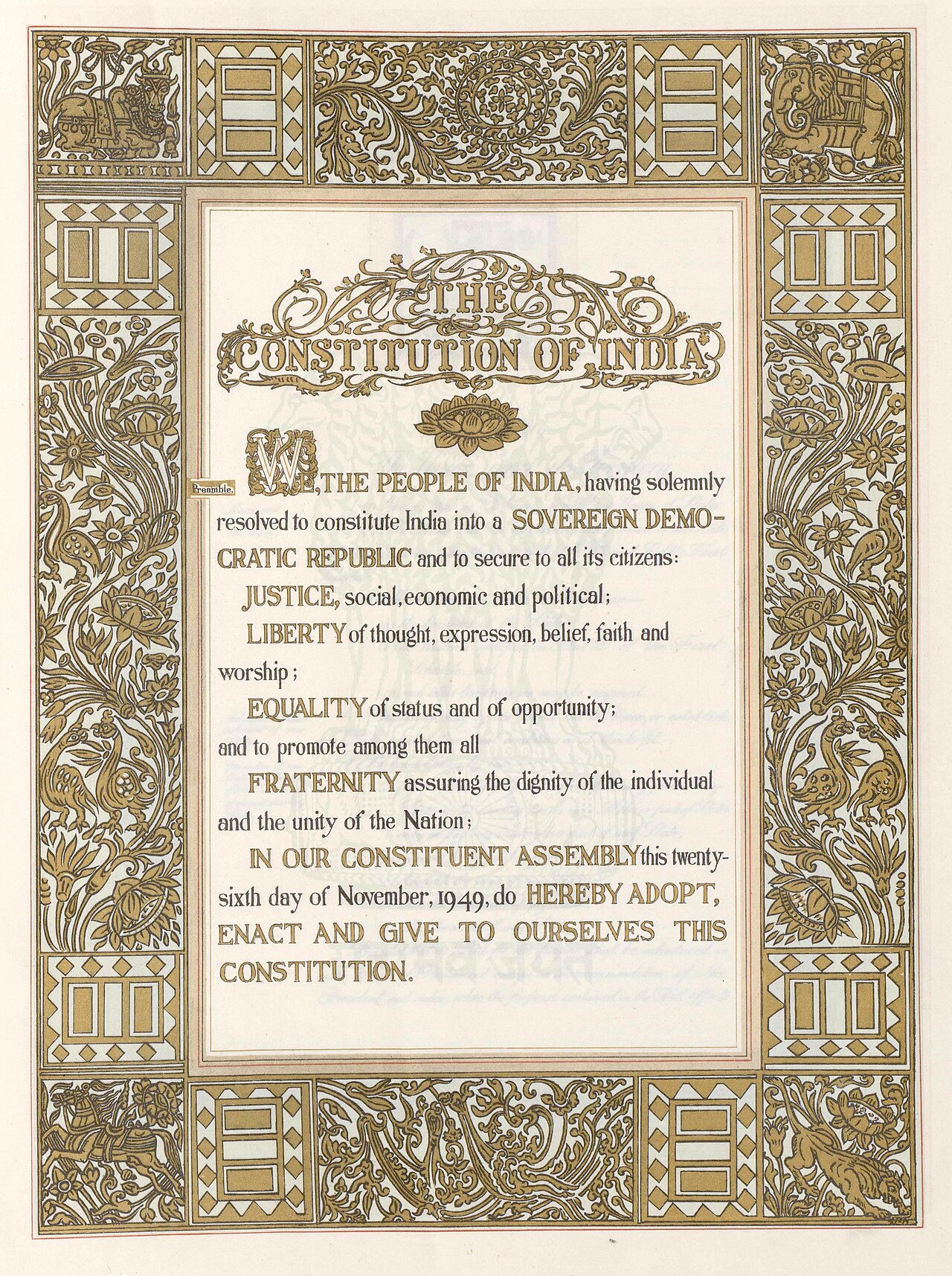
Preamble to the Constitution of India
Constituent Assembly of India · 26 November 1949
 Speech
Primary source
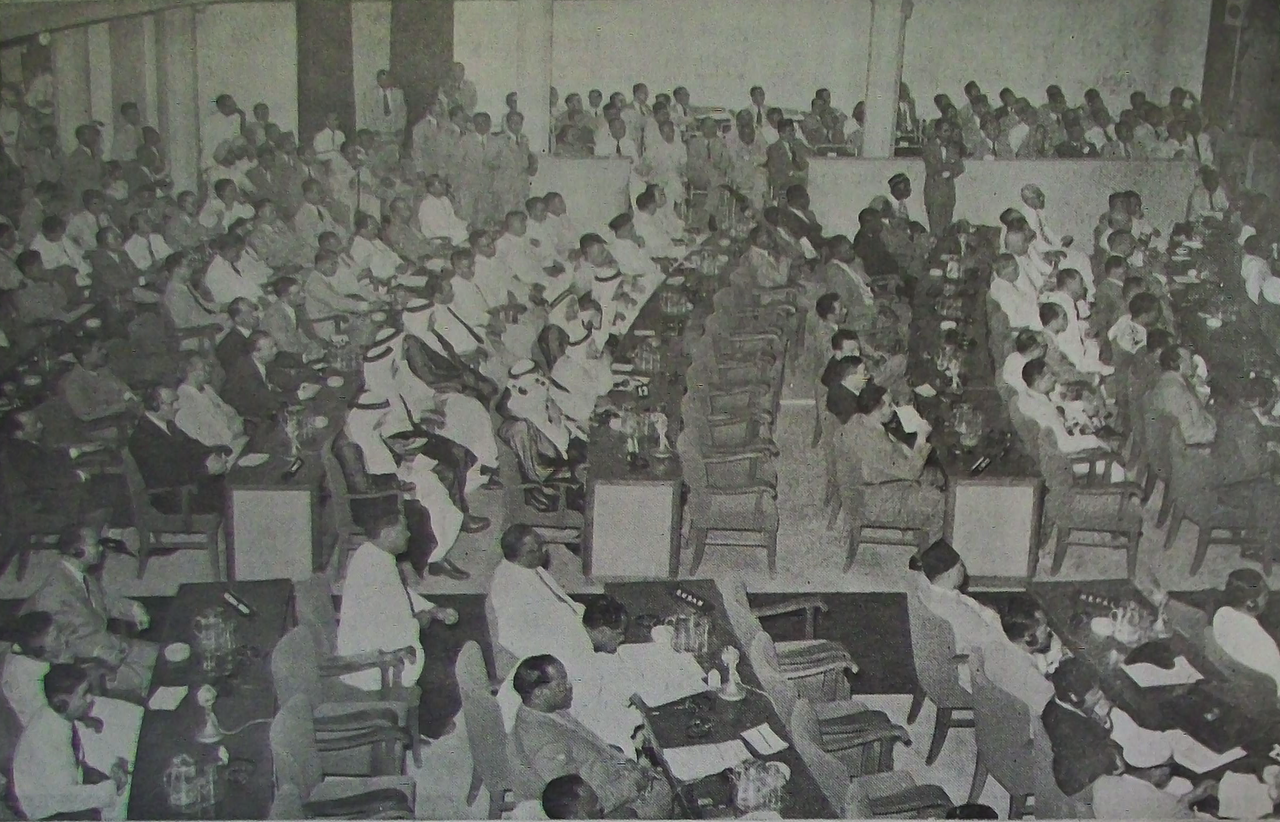
Speech at the Asian–African Conference
Jawaharlal Nehru · 18–24 April 1955
 Photograph
Primary source
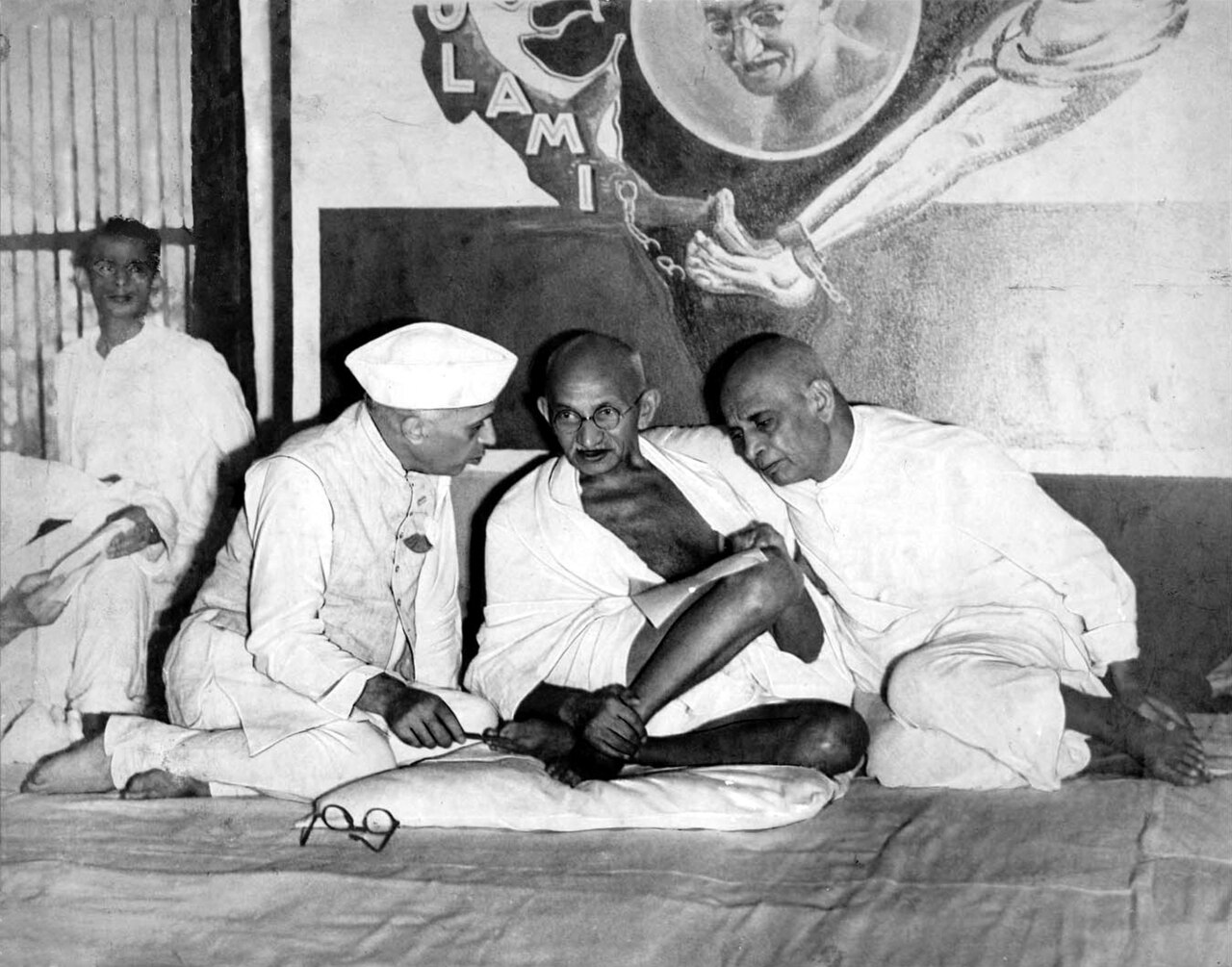
Photograph of Gandhi and Nehru at the AICC meeting, Bombay, 1946
Max Desfor · 6 July 1946
Free account
Read every Jawaharlal Nehru source
Sign up free →
Ready when you are
Start chatting with Jawaharlal Nehru now.
20 messages free · No credit card · Available in 50+ languages.