


Primary sourceDocument4 May 1871
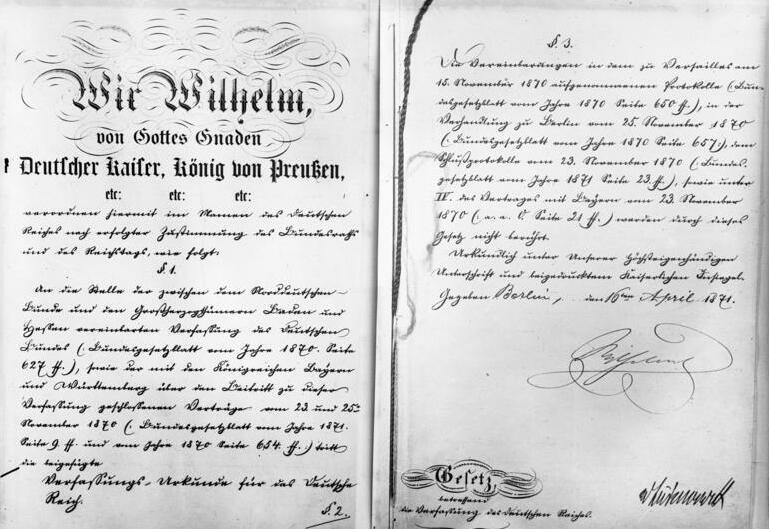
Constitution of the German Empire
4 May 1871
The 1871 basic law of the German Empire, shaped by Bismarck, which concentrated power in the emperor and chancellor.
Bismarck drafted the structure of this constitution, which defined his own powers as chancellor.
About this source
What it is
This document is the Constitution of the German Empire, which came into effect on 4 May 1871 and lasted until 1919. It was based on Bismarck's earlier draft for the North German Confederation and was signed by the king of Prussia and the rulers of Bavaria, Württemberg, Baden and Hesse.
Why it matters
The constitution created a federation led by Prussia, with the king as hereditary emperor and a chancellor he appointed as head of government. The elected Reichstag had limited power compared to the emperor and chancellor. Because Bismarck largely designed this structure, it reveals how he intended to govern Germany: unified, but firmly controlled from the top.
Look closer
- Who had real power under this constitution, and who had less?
- Why might Bismarck have wanted the Reichstag's authority limited?
- What does the list of signing states tell you about how Germany was unified?
This document is part of the curated material that grounds the AI version of Otto von Bismarck on Humy.ai — when students ask about related events, the AI can quote it and cite it.
More Otto von Bismarck sources
Meet the AI Otto von Bismarck →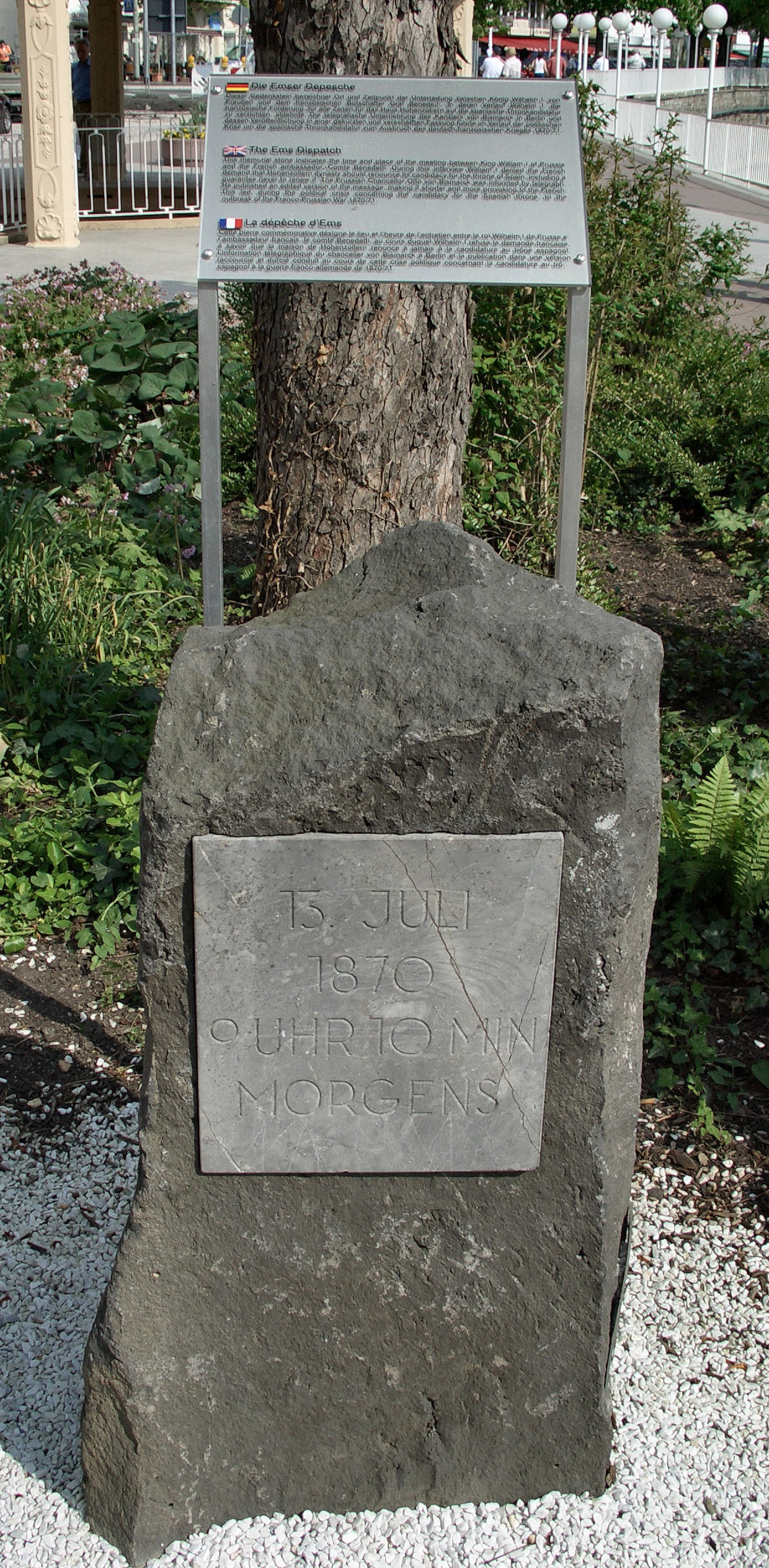 Document
Primary source
Ems Dispatch
Otto von Bismarck · 13 July 1870
 Painting
Secondary source
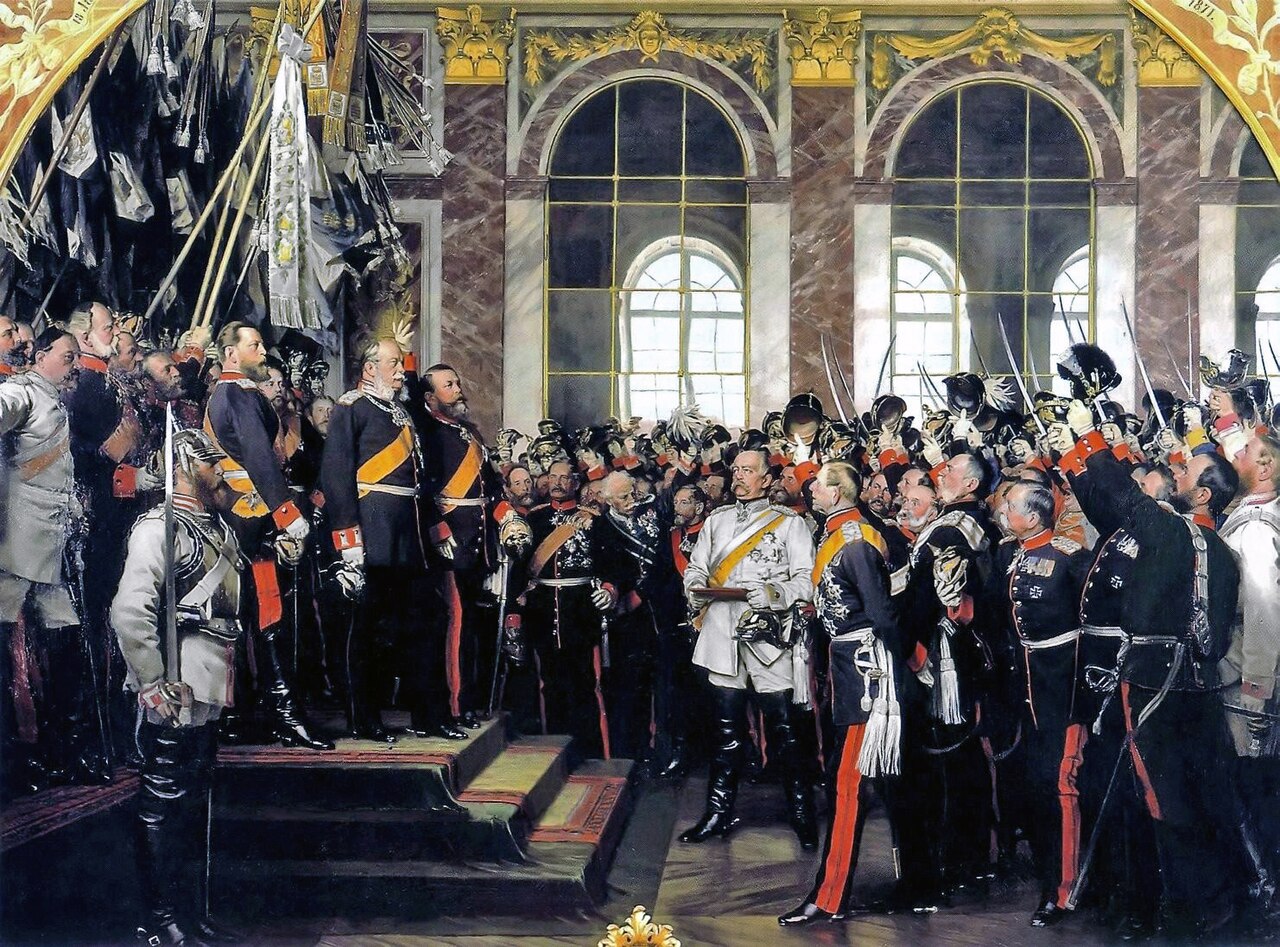
Proclamation of the German Empire at Versailles
Anton von Werner · 1885
 Painting
Secondary source
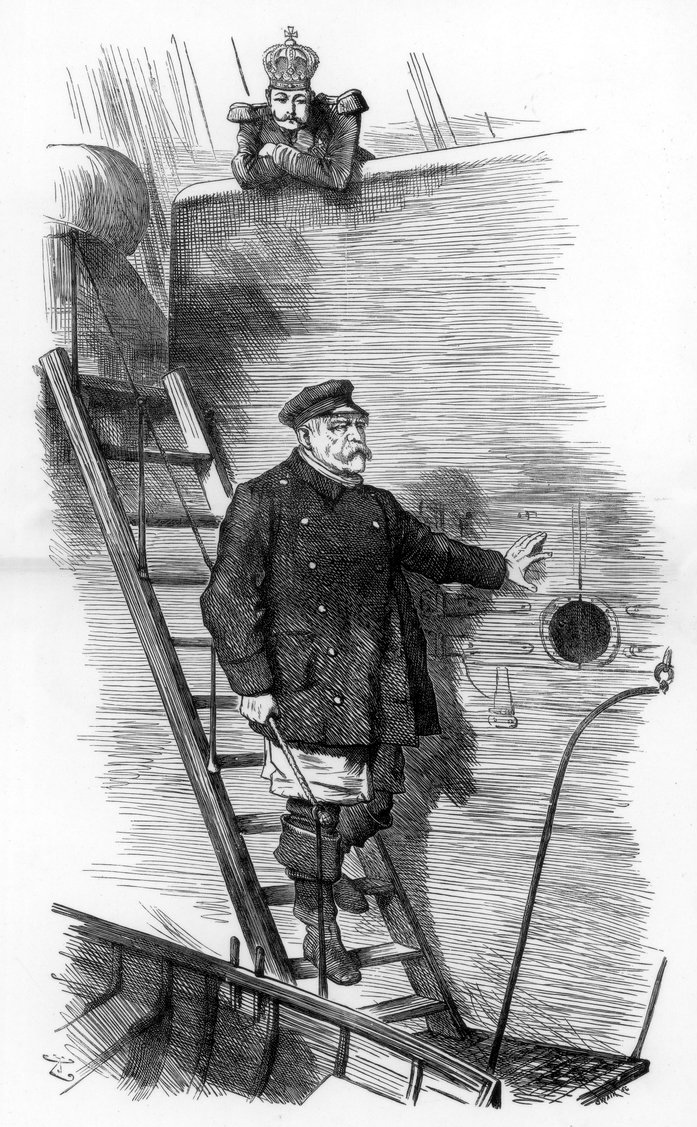
Dropping the Pilot
John Tenniel · 29 March 1890
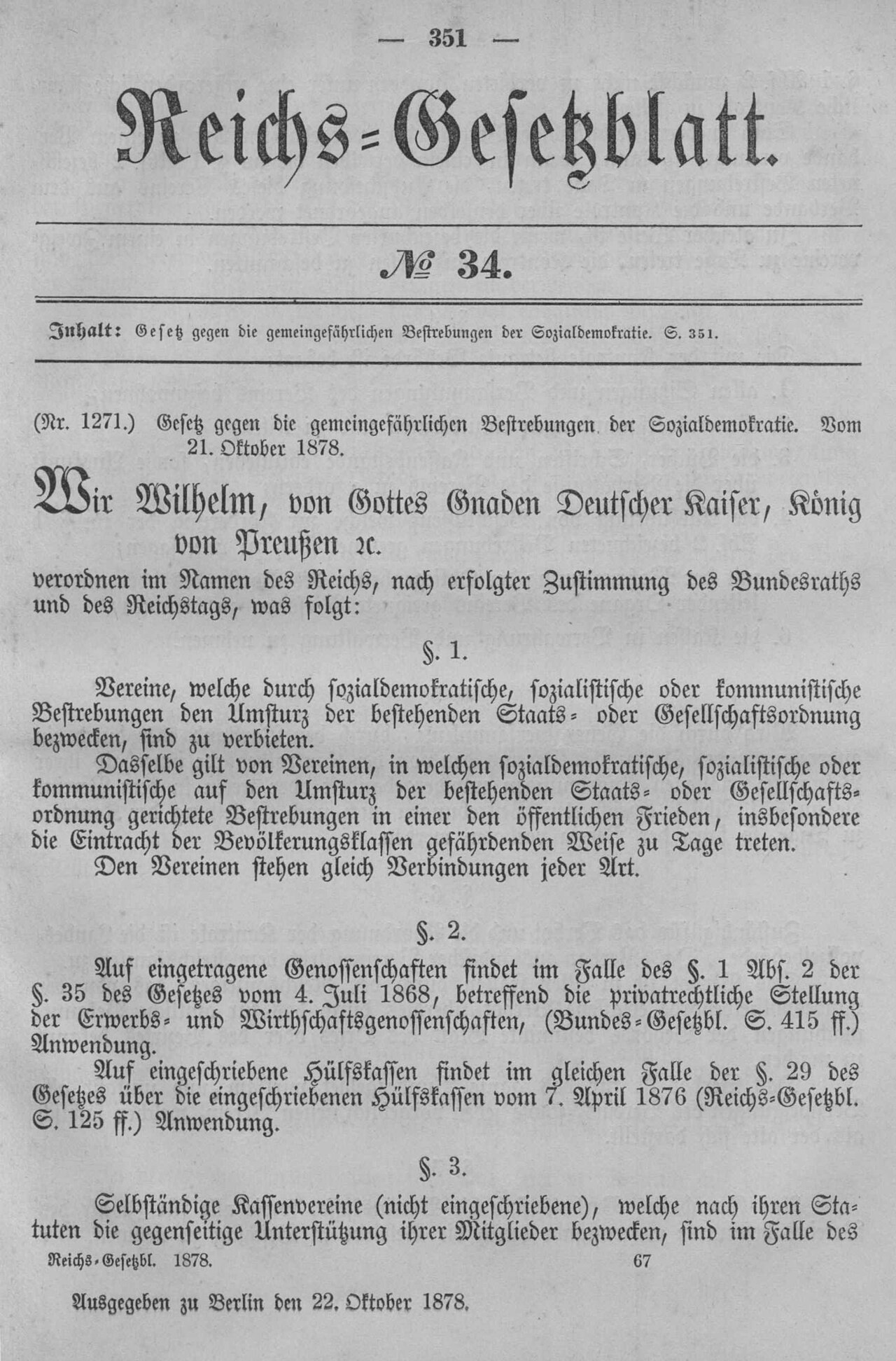 Document
Primary source
Anti-Socialist Law
21 October 1878
Primary source
Reinsurance Treaty
Otto von Bismarck; Herbert von Bismarck; Nikolay Girs · 1887
Ready when you are
Start chatting with Otto von Bismarck now.
20 messages free · No credit card · Available in 50+ languages.