


Primary sourceDocument18 December 1996
Constitution of the Republic of South Africa, 1996
18 December 1996
South Africa's post-apartheid constitution, signed into law by President Nelson Mandela in December 1996, the central legal achievement of his presidency.
Mandela signed this constitution into law as president, making it the central legal legacy of his time in office.
Free Humy account · No credit card · 53,307 sources to read
About this source
What it is
This is the Constitution of the Republic of South Africa, 1996, the supreme law of the country. It was drawn up by Parliament following the 1994 general election and sets out the rights of citizens and the structure of government. President Nelson Mandela signed it into law on 18 December 1996, and it came into effect in February 1997.
Why it matters
The constitution replaced earlier laws that had entrenched apartheid and white minority rule, establishing instead a state founded on human dignity, equality and non-racialism, with universal adult suffrage. Its creation followed years of negotiation between the African National Congress, led in part by Mandela, and the former governing National Party. As president, Mandela's promulgation of this document symbolised the legal transformation of South Africa from apartheid to democracy.
Why look closer
- Why do you think the founding values list human dignity and non-racialism first?
- What might explain why creating this constitution took years of negotiation between former enemies?
- How does a constitution differ from a speech or a law passed by an ordinary majority?
This document is part of the curated material that grounds the AI version of Nelson Mandela on Humy.ai — when students ask about related events, the AI can quote it and cite it.
More Nelson Mandela sources
Browse all 99 →Primary source
I Am Prepared to Die
Nelson Mandela · 20 April 1964
 Photograph
Primary source
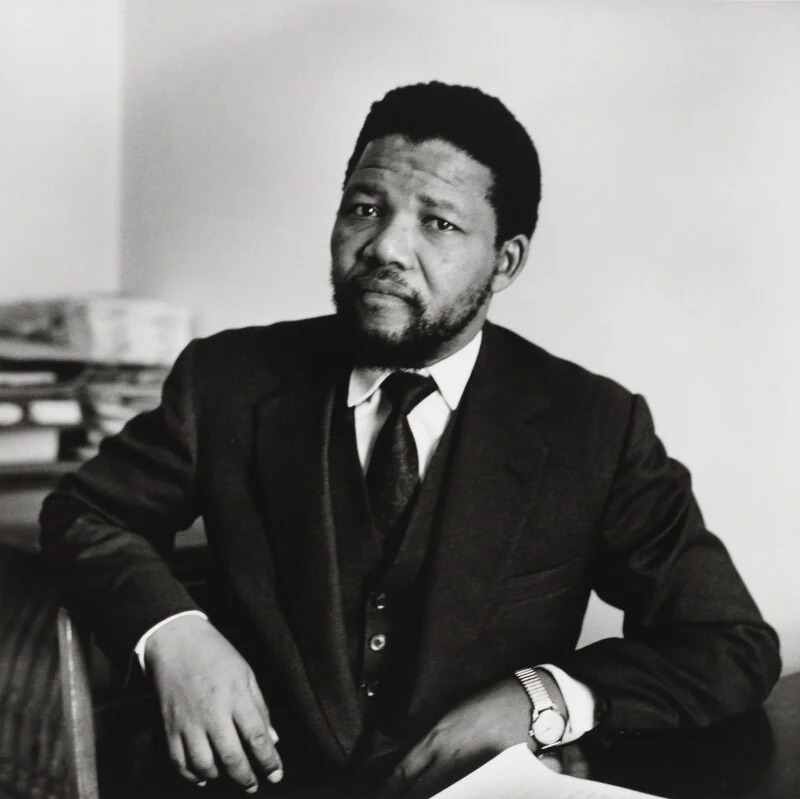
Nelson Mandela
Michael Peto · June 1962
 Photograph
Primary source
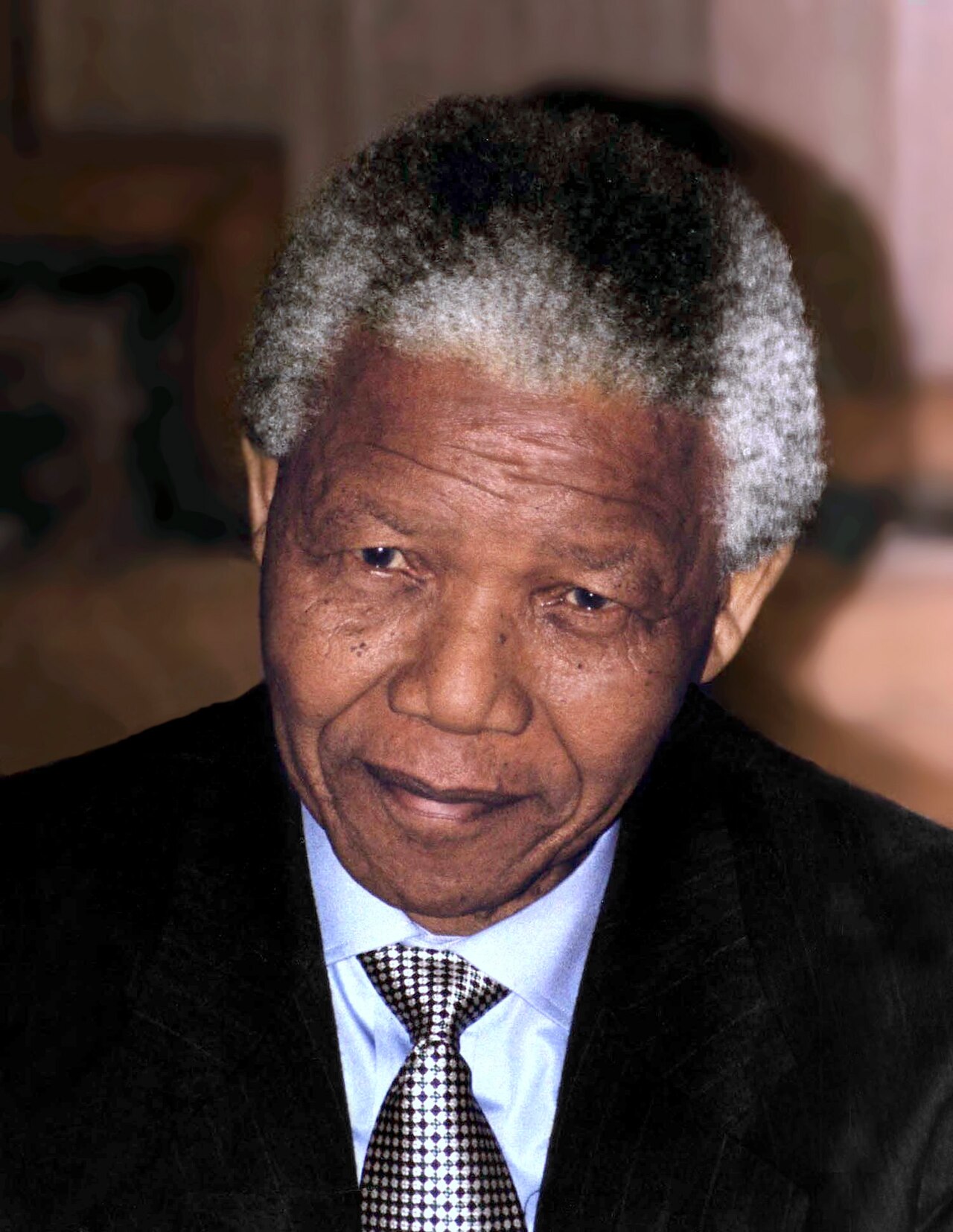
Portrait of Nelson Mandela
4 October 1994
 Photograph
Primary source
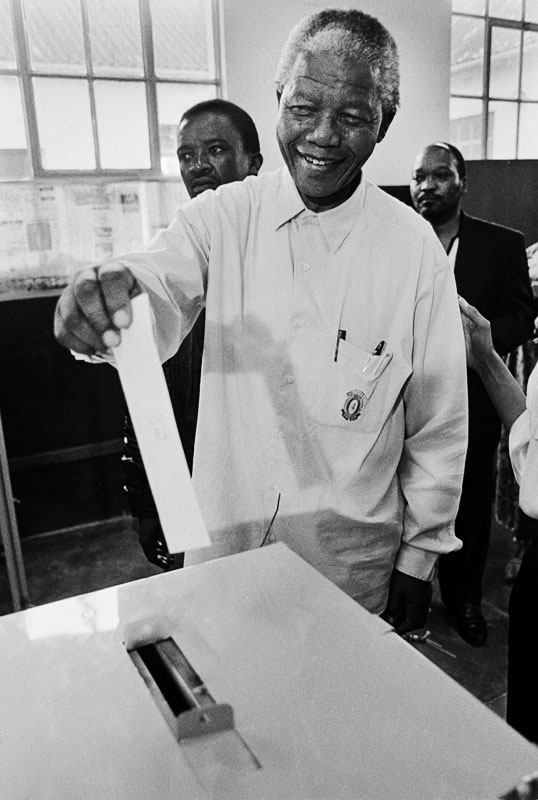
Photograph of Nelson Mandela Casting His Vote at Ohlange High School, Inanda
Paul Weinberg · 27 April 1994
Free account
Browse every Nelson Mandela source
Sign up free →
Ready when you are
Start chatting with Nelson Mandela now.
20 messages free · No credit card · Available in 50+ languages.