


Primary sourceDocument8 July 1777
Constitution of Vermont (1777)
Vermont Constitutional Convention · 8 July 1777
Vermont's 1777 constitution, which explicitly banned adult slavery, offering a contrast to the judicial path to freedom that Elizabeth Freeman's lawsuit opened in Massachusetts.
This founding document names Wentworth as the former governor whose land charters led to the disputes behind Vermont's formation.
About this source
What it is
This is the constitution adopted by Vermont's constitutional convention in 1777, held by the Vermont State Archives. It set out the structure and principles of the new state's government.
Why it matters
Unlike Massachusetts, where slavery ended through court cases such as Elizabeth Freeman's 1781 lawsuit, Vermont's constitution directly banned slavery for adults in its text. Comparing the two approaches shows students that abolition in early America happened through different paths in different places, some through legislation and some through the courts.
Look closer
- Why might one state choose to write a ban into its constitution while another relied on court rulings?
- What does this difference tell you about how slavery ended unevenly across the new United States?
- Whose voices are present or absent in a founding constitutional document like this?
This document is part of the curated material that grounds the AI version of Benning Wentworth and Elizabeth Freeman (Mum Bett) on Humy.ai — when students ask about related events, the AI can quote it and cite it.
More Benning Wentworth sources
Meet the AI Benning Wentworth →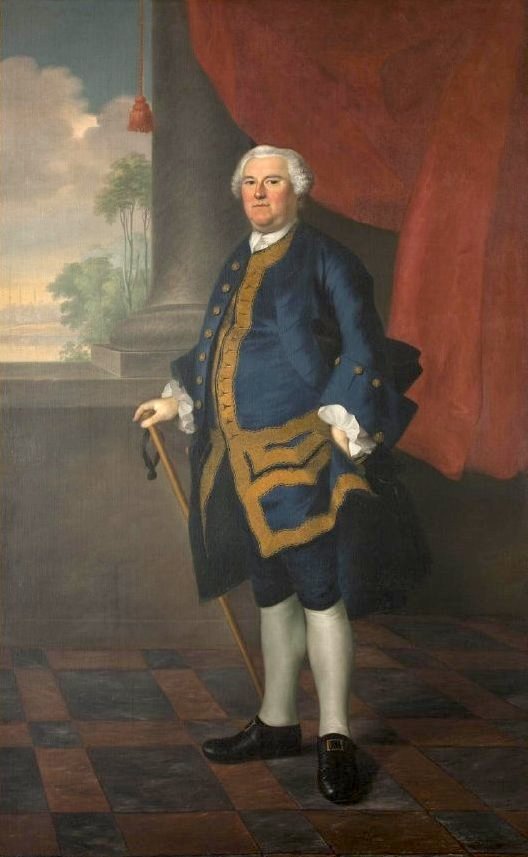 Painting
Primary source
Portrait of Benning Wentworth
Joseph Blackburn · 1760
 Artifact
Secondary source
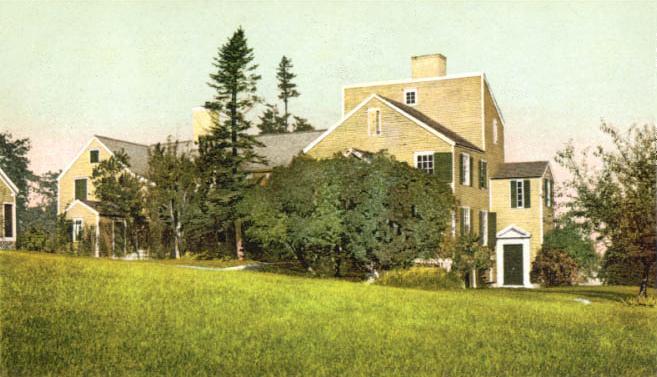
Wentworth-Coolidge Mansion
c. 1750
Primary source
A Brief Narrative of the Proceedings of the Government of New-York
Ethan Allen · 1774
 Document
Primary source
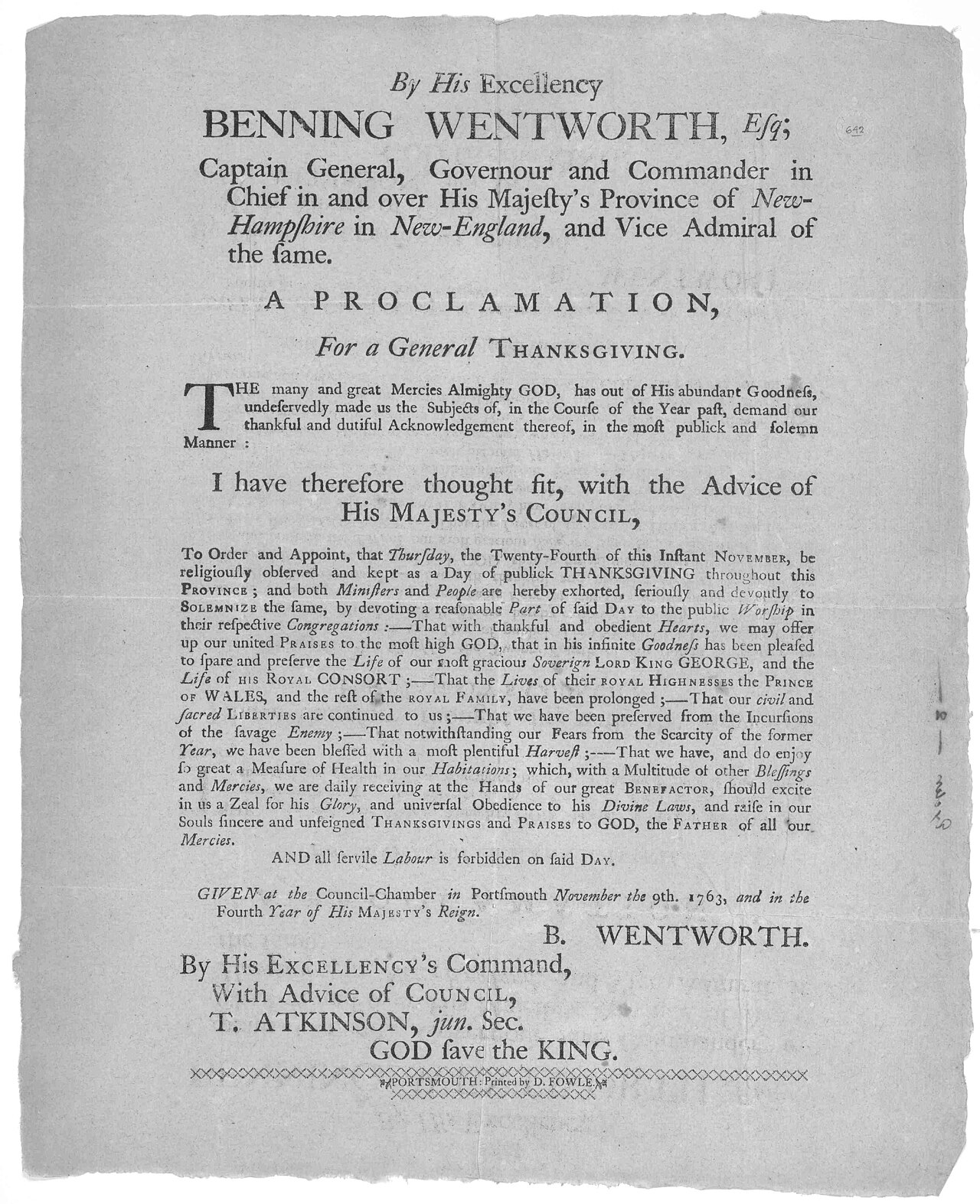
Thanksgiving Proclamation by Benning Wentworth
Benning Wentworth · 9 November 1763
 Book
Secondary source
History of New Hampshire from its first discovery to 1830
Edwin D. Sanborn · 1875
Ready when you are
Start chatting with Benning Wentworth now.
20 messages free · No credit card · Available in 50+ languages.