


Primary sourceDocument1164
Constitutions of Clarendon
Henry II of England · 1164
A 1164 statement by Henry II asserting royal control over Church courts, which Becket refused to accept, triggering their conflict.
Becket's refusal to seal this document over clerical trials began the breach that ended in his murder.
About this source
What it is
The Constitutions of Clarendon were a set of sixteen articles issued by King Henry II of England in 1164 at Clarendon Palace. They set out royal rights over the Church, particularly concerning the trial and punishment of clergy accused of crimes.
Why it matters
The Constitutions mark the start of the open quarrel between Henry II and his Archbishop of Canterbury, Thomas Becket. Becket objected strongly to the clause on "criminous clerks", arguing that punishing a clergyman twice—once by the Church, once by the Crown—was unjust. His resistance led to his trial, exile, and eventually his murder in 1170. The document shows how disputes over law and jurisdiction could become matters of life and death in medieval England, and reveals the deep tension between royal and religious authority.
Look closer
- Why might Henry II have wanted criminal clergy tried in royal rather than Church courts?
- What does Becket's objection tell us about his view of the Church's independence?
- Whose voices are missing from a document written entirely from the king's court?
This document is part of the curated material that grounds the AI version of Thomas Becket on Humy.ai — when students ask about related events, the AI can quote it and cite it.
More Thomas Becket sources
Meet the AI Thomas Becket → Artifact
Primary source
Canterbury Cathedral
founded 597
 Artifact
Secondary source
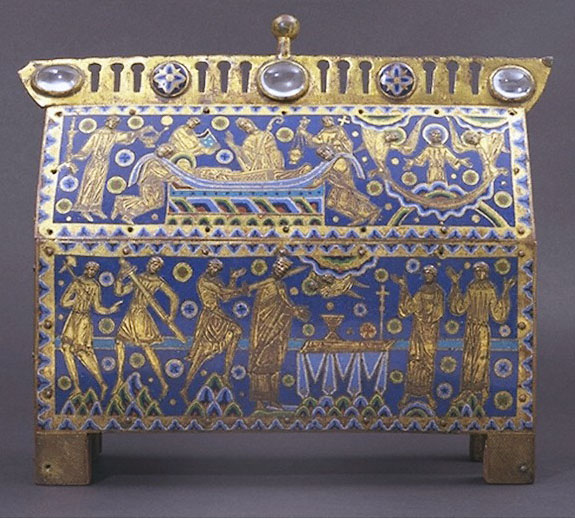
Becket Casket
c. 1180-1190
 Artifact
Secondary source
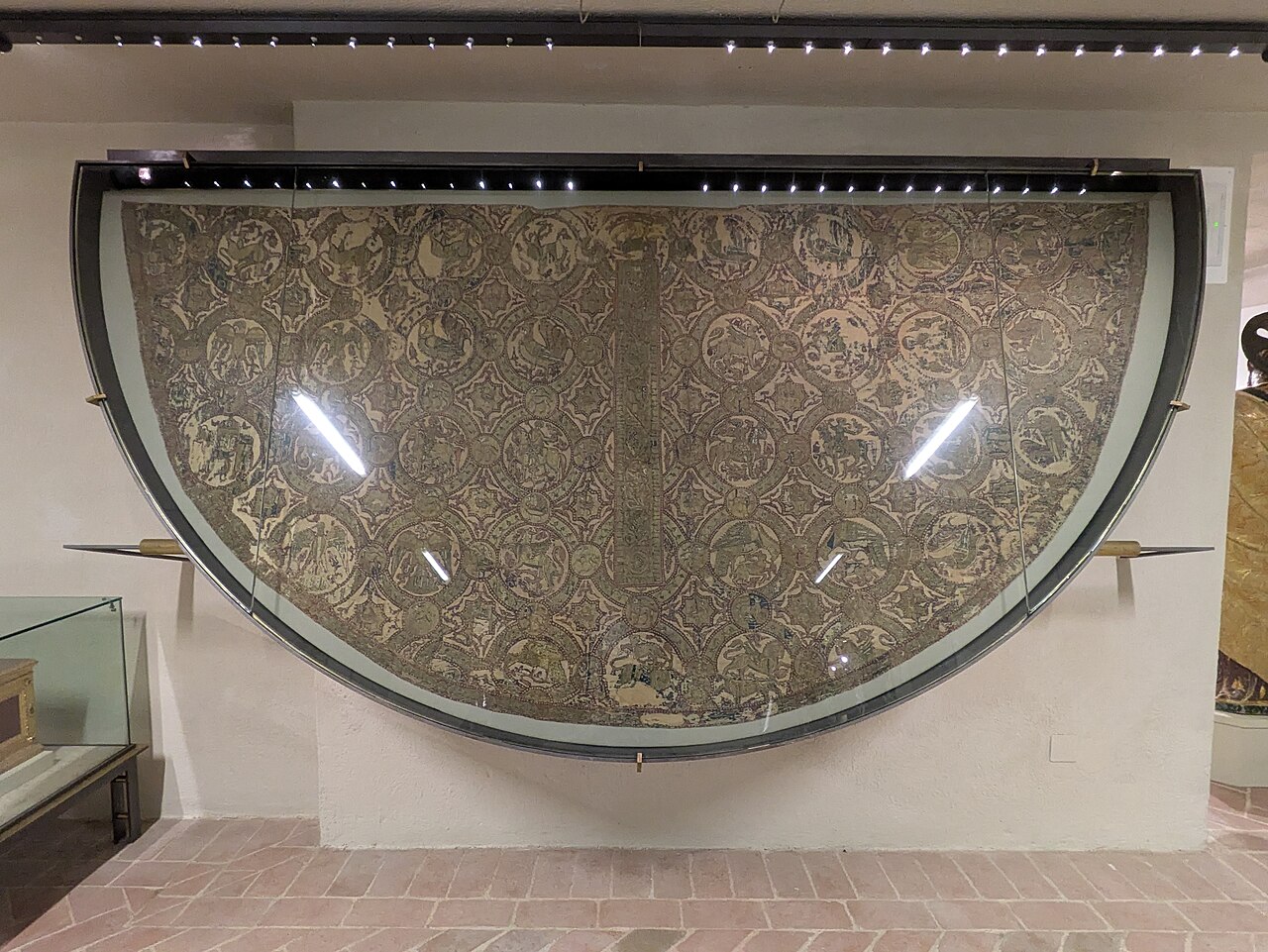
Fermo Chasuble of St. Thomas Becket
12th century
 Artifact
Secondary source
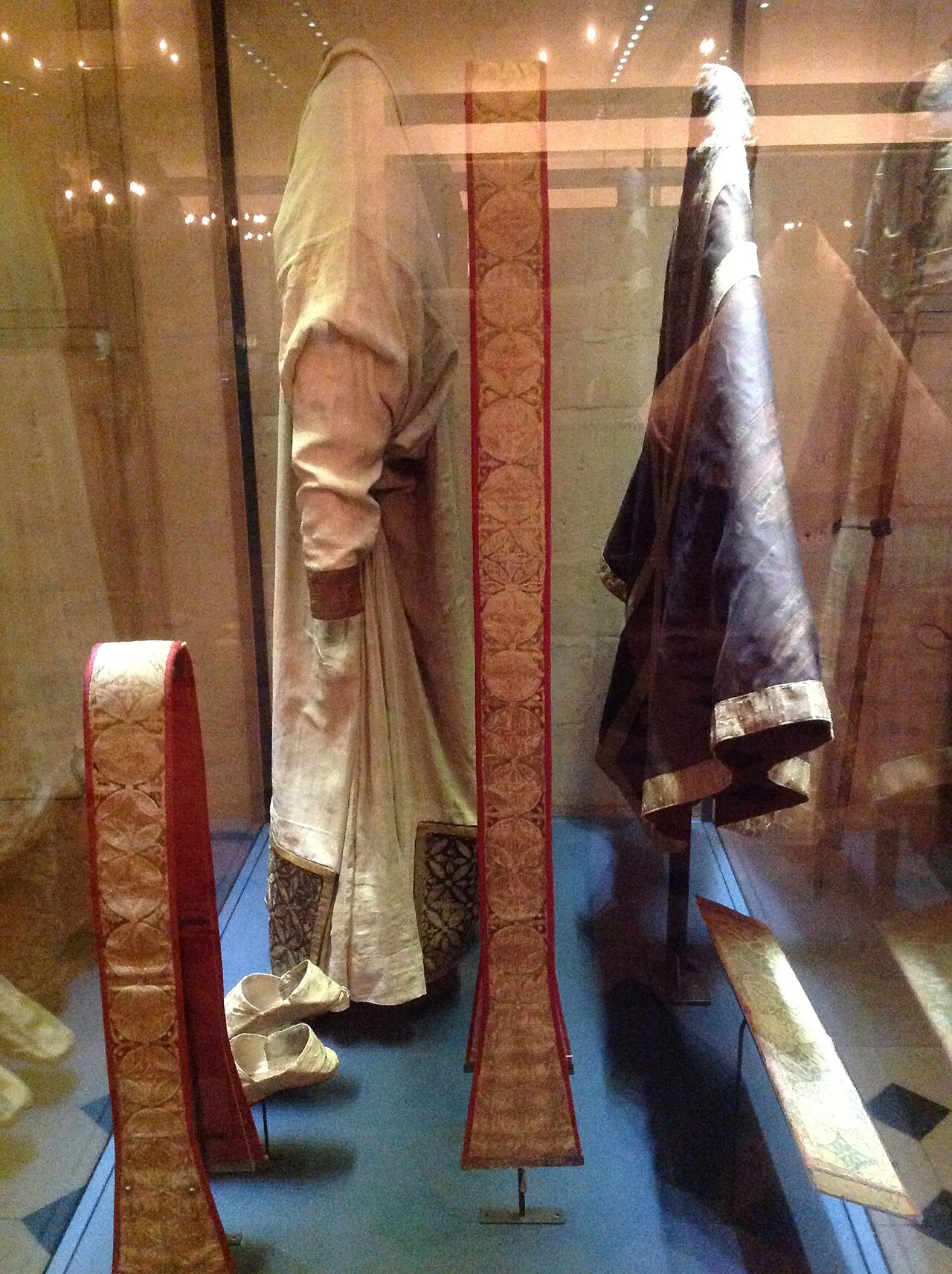
Becket Liturgical Garments, Sens Cathedral
12th century
 Book
Secondary source
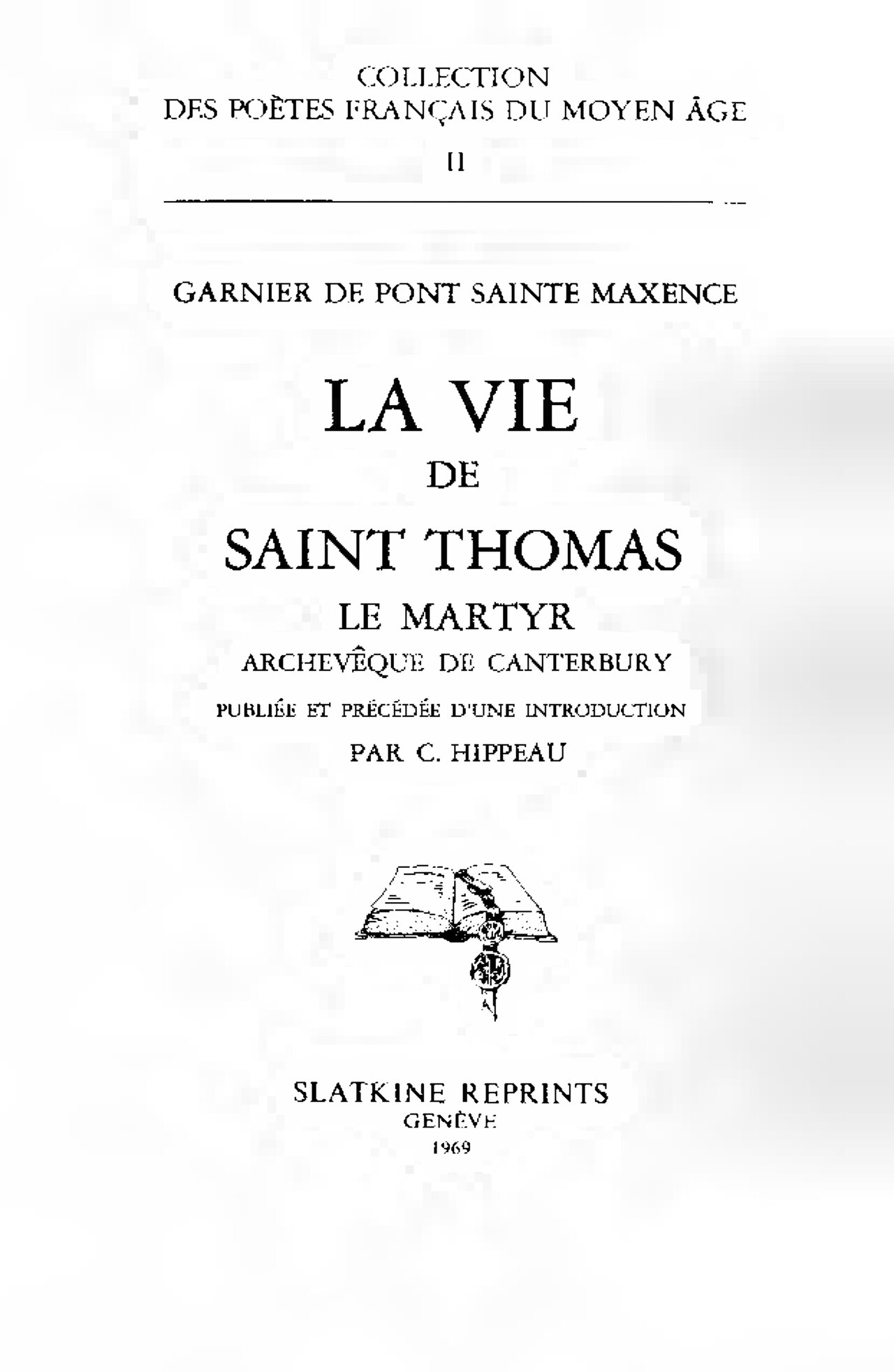
Vie de saint Thomas
Guernes de Pont-Sainte-Maxence · c. 1174
Ready when you are
Start chatting with Thomas Becket now.
20 messages free · No credit card · Available in 50+ languages.