


Primary sourcePhotograph27 February 1860
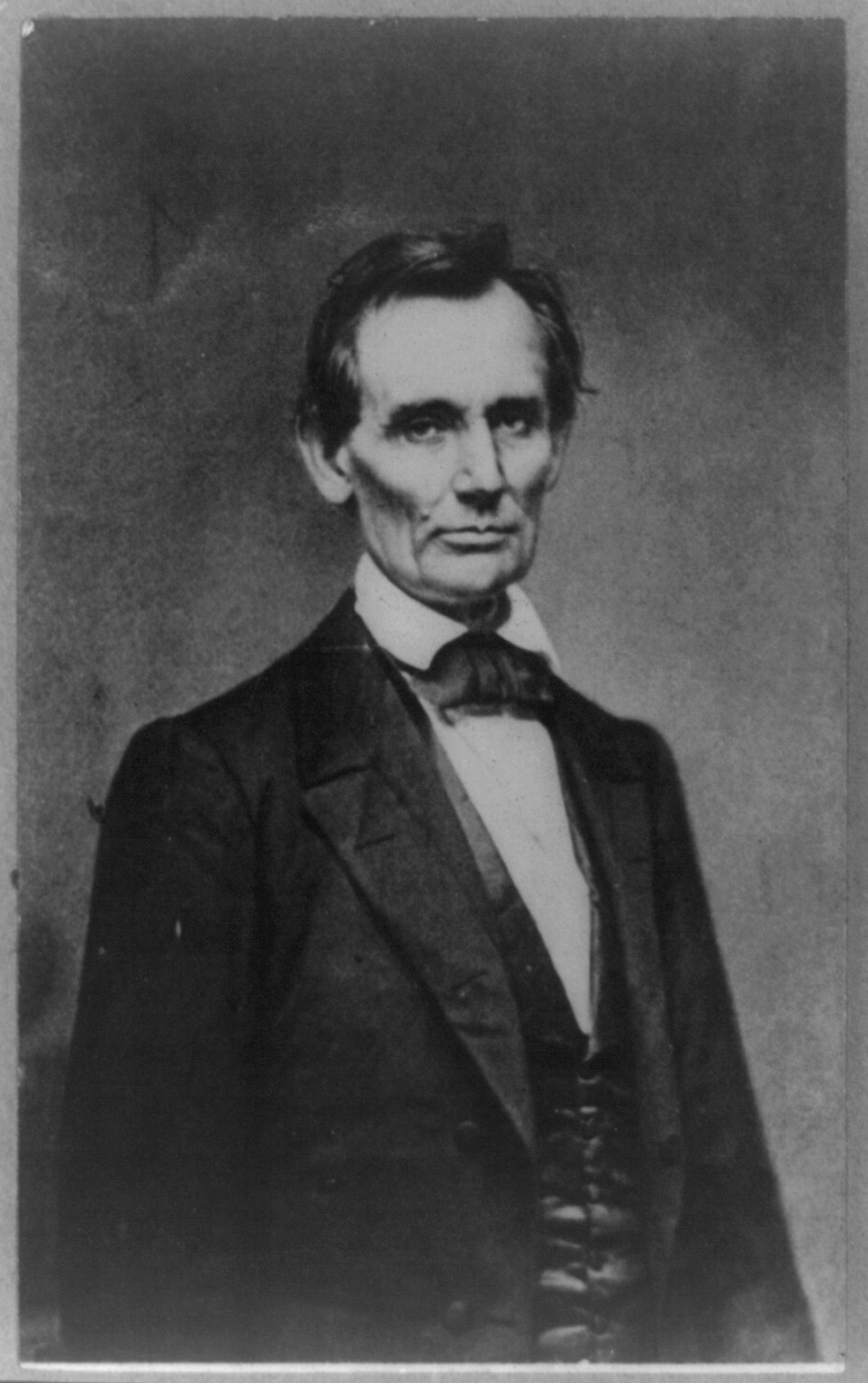
Cooper Union Portrait of Abraham Lincoln
Mathew Brady · 27 February 1860
A beardless photographic portrait of Lincoln taken by Mathew Brady on the day of his famous Cooper Union speech in February 1860.
Lincoln credited this photograph with helping make him president, showing his awareness of political image-making.
About this source
What it is
This photograph of Abraham Lincoln was taken by Mathew Brady on February 27, 1860, the same day Lincoln delivered his Cooper Union address in New York City. It is held by the Library of Congress and shows Lincoln before he grew his beard, as a presidential candidate.
Why it matters
Lincoln himself later said that this photograph and his speech at Cooper Union helped make him president, showing how important he thought images were to his political success. It is one of over a hundred known photographs of Lincoln, taken at a turning point in his rise to national prominence.
Look closer
- Why might Lincoln have credited a photograph, rather than just his speech, with helping him become president?
- What does his clothing and pose suggest about how he wanted to appear to voters?
- How is this beardless image different from later photographs of Lincoln as president?
This photograph is part of the curated material that grounds the AI version of Abraham Lincoln on Humy.ai — when students ask about related events, the AI can quote it and cite it.
More Abraham Lincoln sources
Meet the AI Abraham Lincoln →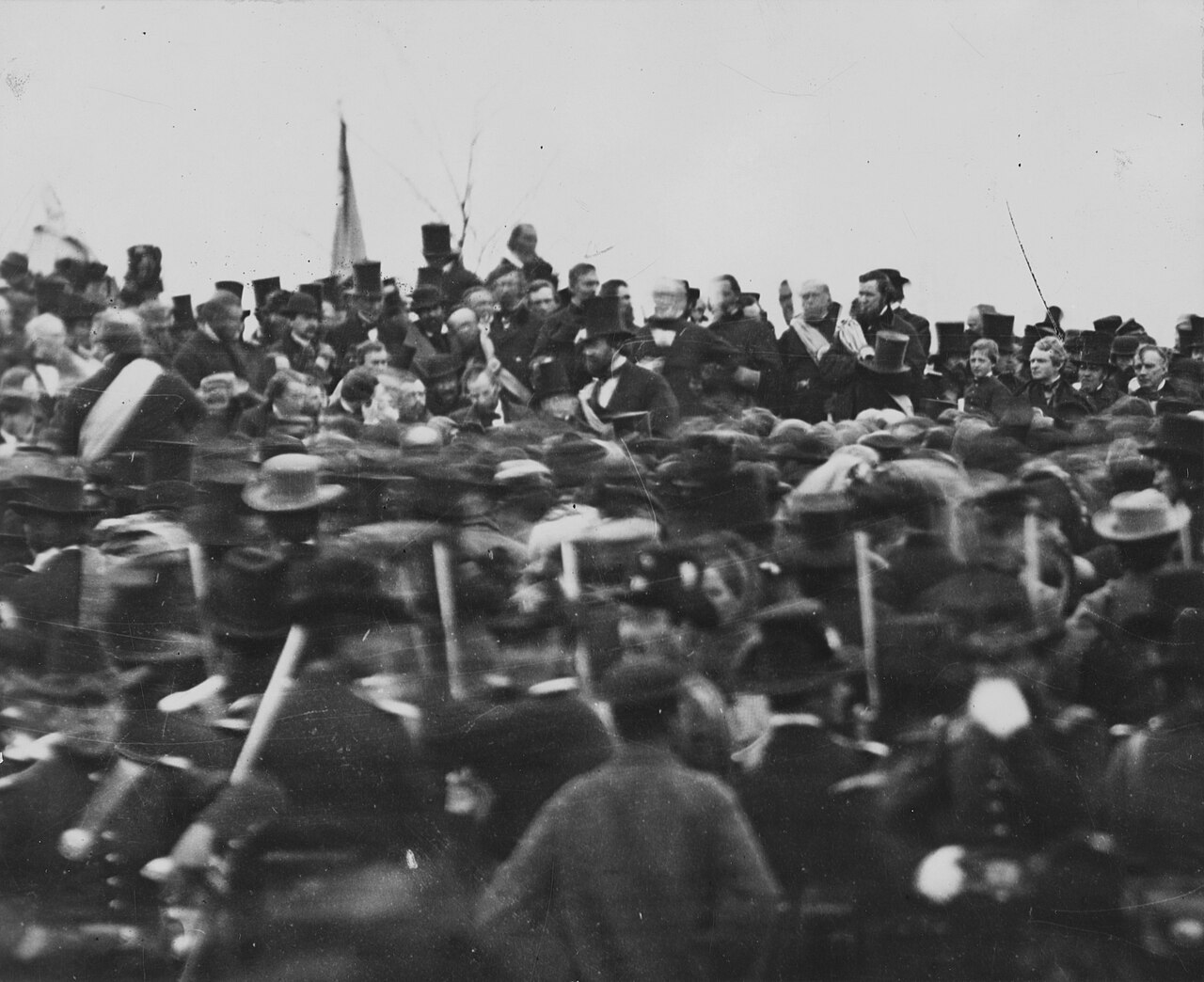 Speech
Primary source
Gettysburg Address
Abraham Lincoln · 19 November 1863
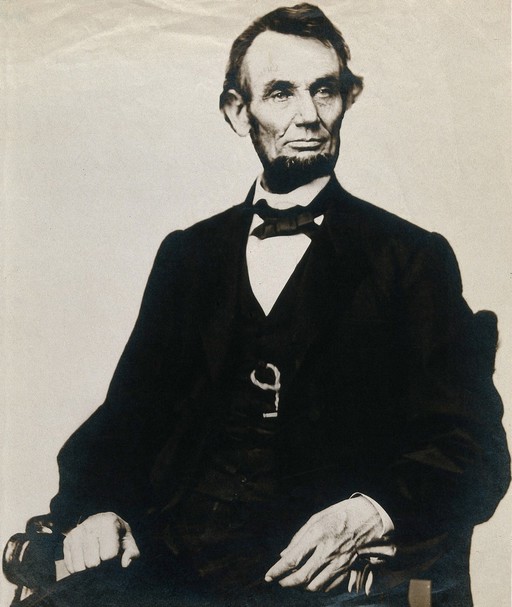 Photograph
Primary source
Abraham Lincoln Photograph after Mathew Brady
Mathew B. Brady · 1864
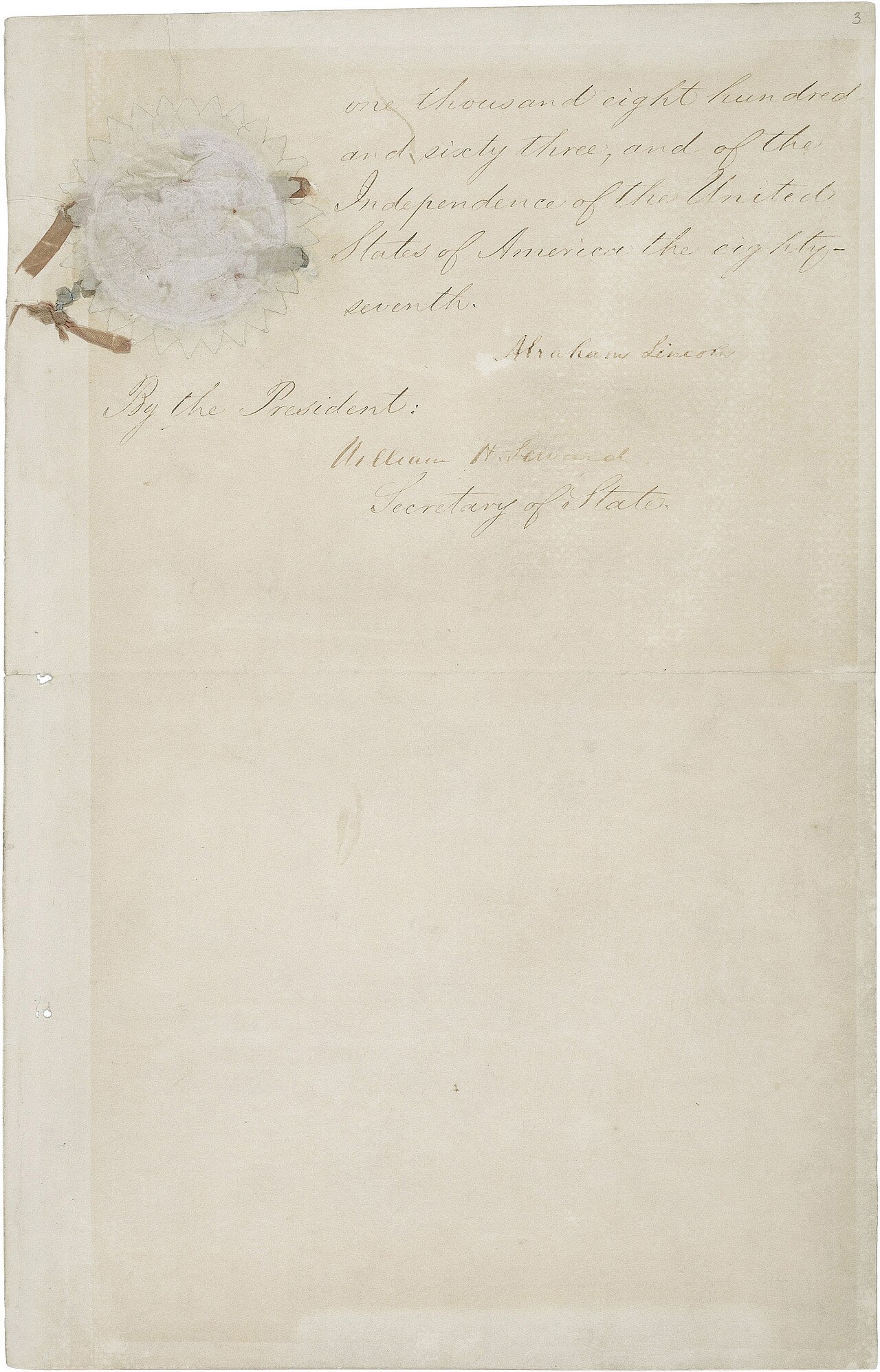 Document
Primary source
Emancipation Proclamation
Abraham Lincoln · 1 January 1863
 Photograph
Primary source
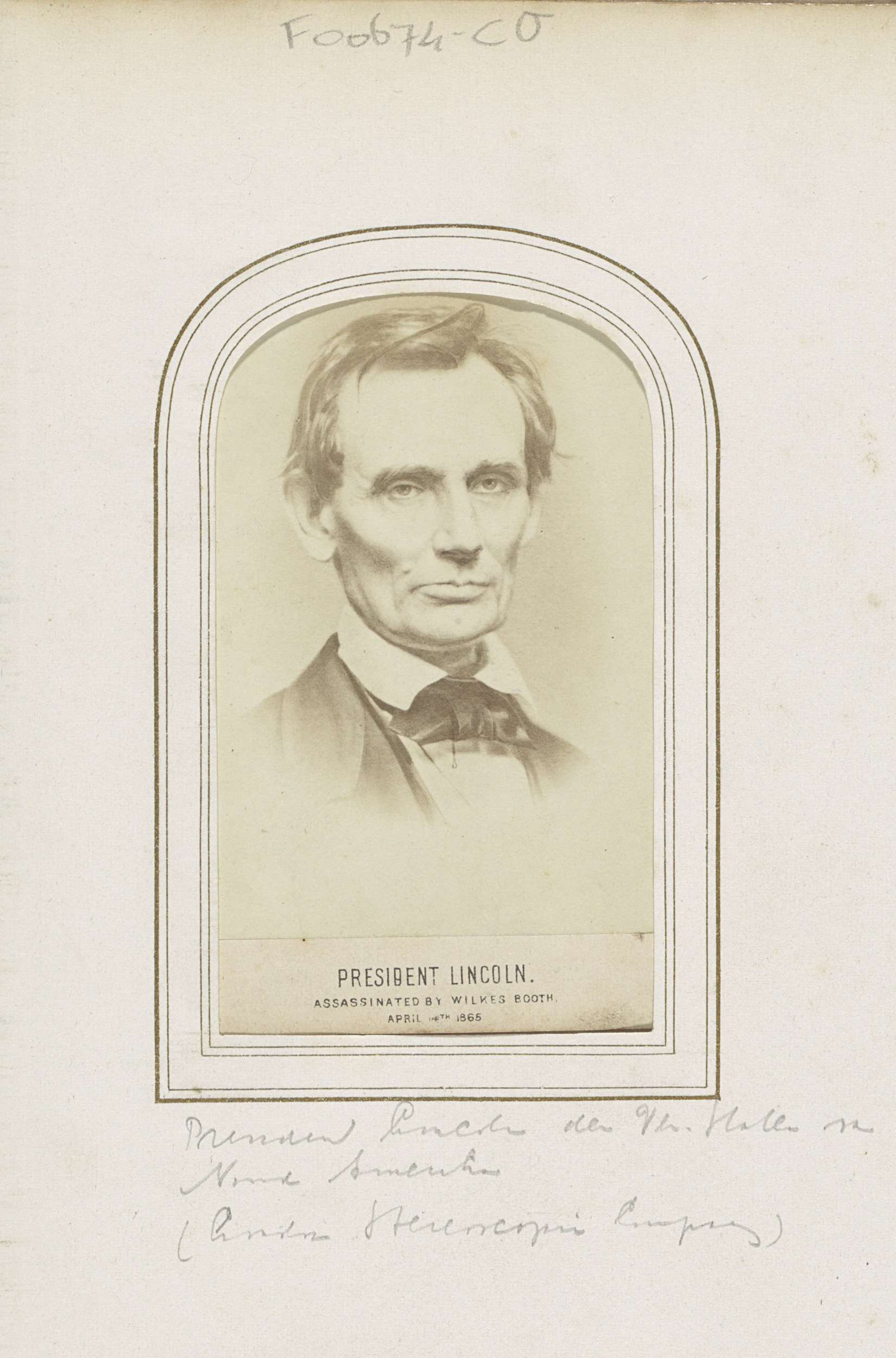
Carte-de-visite Portrait of Abraham Lincoln
19th century
 Speech
Primary source
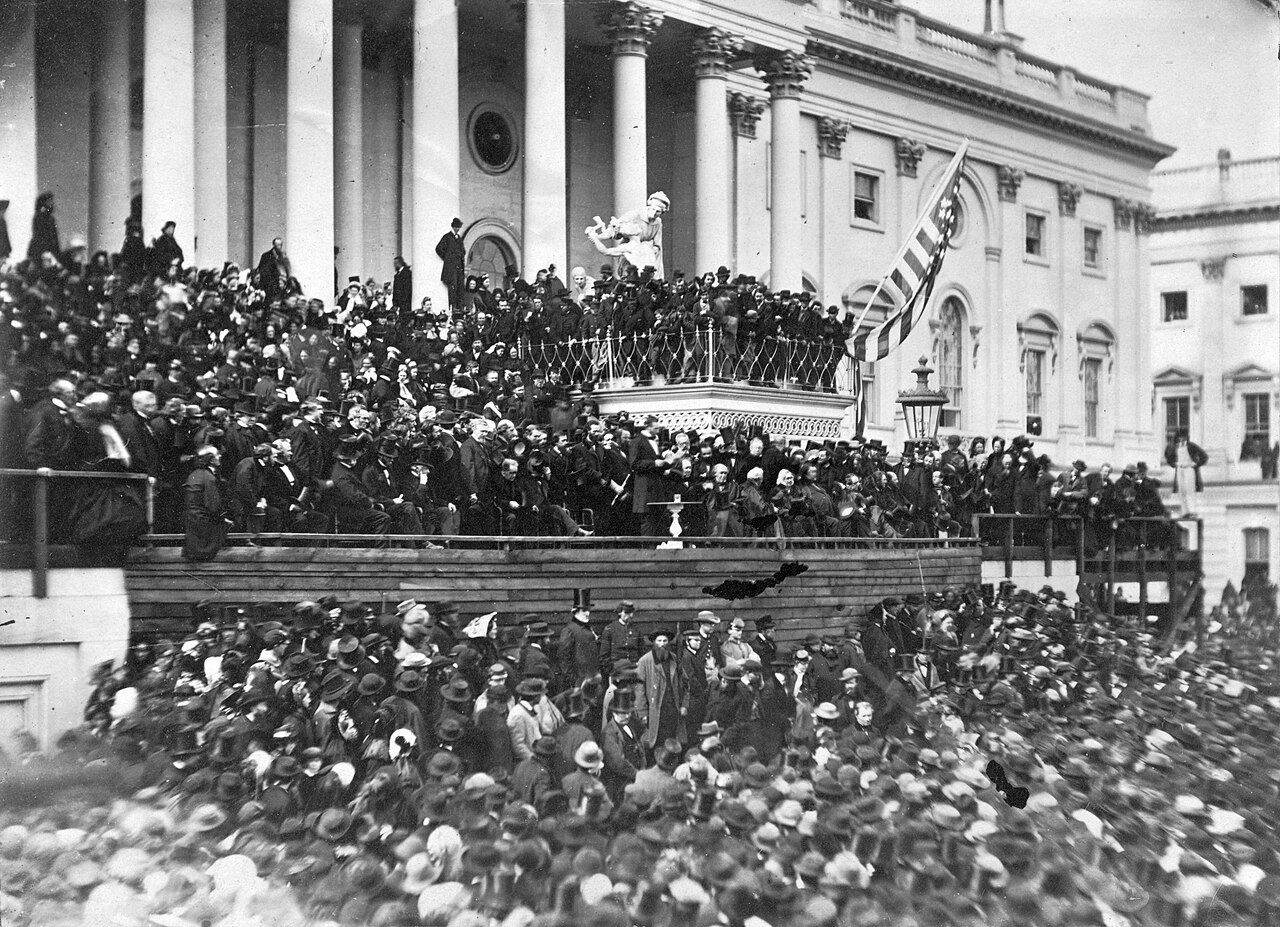
Abraham Lincoln's Second Inaugural Address
Abraham Lincoln · 4 March 1865
Ready when you are
Start chatting with Abraham Lincoln now.
20 messages free · No credit card · Available in 50+ languages.