


Secondary sourcePaintingc. 1600
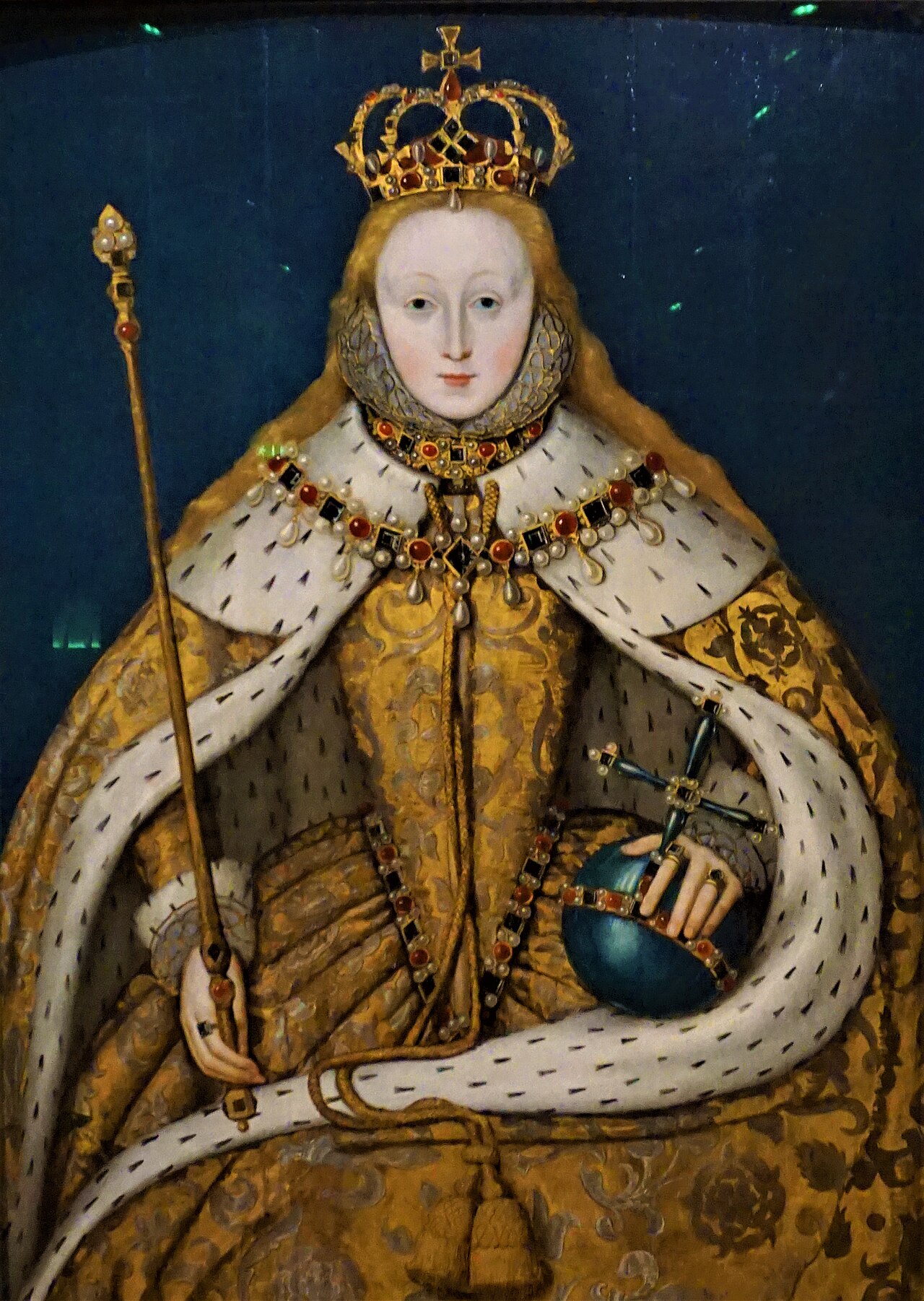
Coronation Portrait of Elizabeth I
Unknown English artist · c. 1600
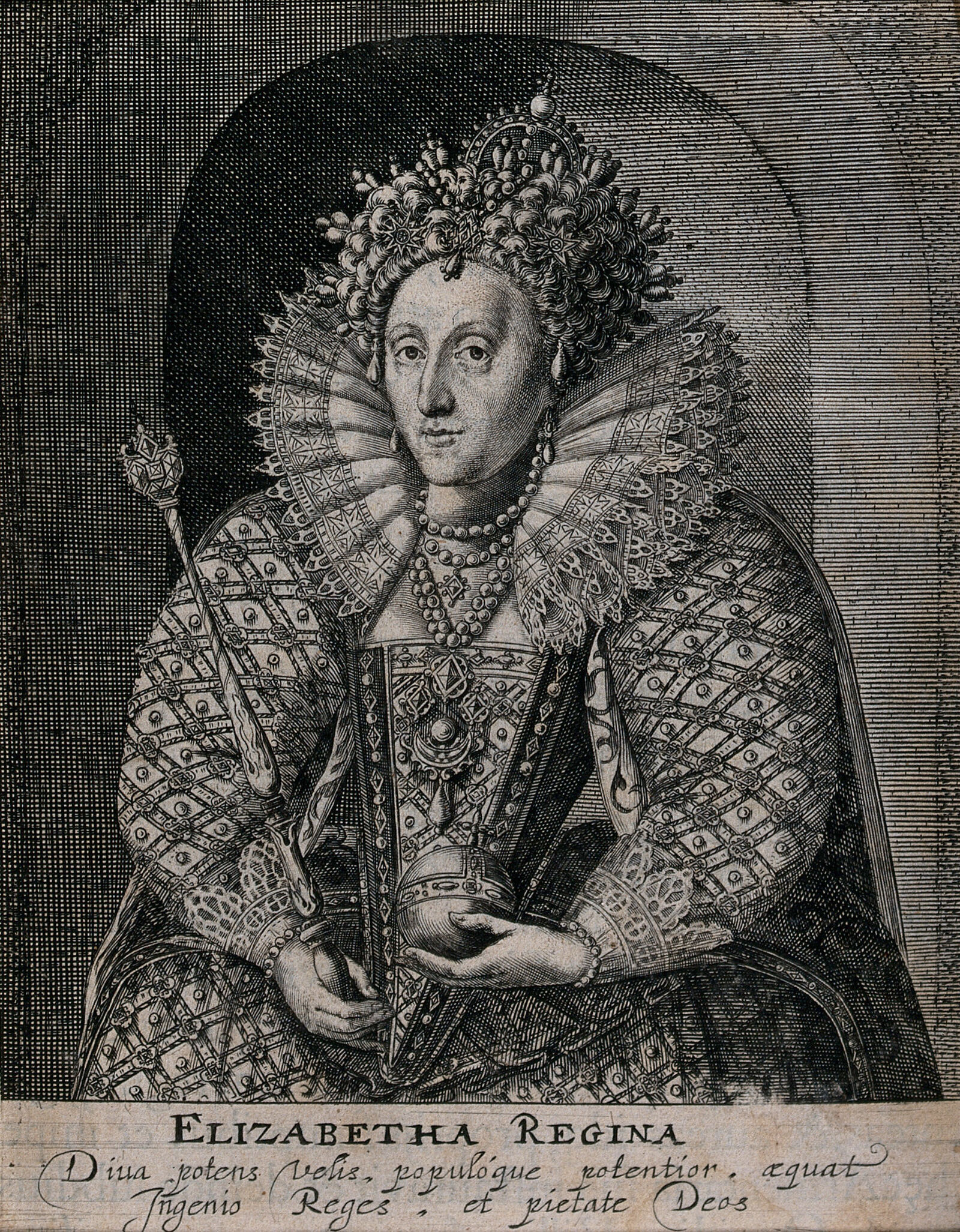
A painted portrait showing Elizabeth I in her coronation robes, holding the orb and sceptre, recalling her accession in 1559.
This later portrait recreates Elizabeth's coronation imagery, shaping how she was remembered as queen.
About this source
What it is
This is a painting of Elizabeth I in her coronation robes, holding the orb and sceptre, with loose golden hair and a jewelled crown. It was painted by an unknown English artist around 1600, based on an earlier lost original. It is held by the National Portrait Gallery.
Why it matters
The painting records the regalia and imagery associated with Elizabeth's accession in 1559, even though it was painted decades later, near the end of her long reign. Her loose hair was traditional for a queen's coronation and may also symbolise her unmarried, 'virgin' status, part of the careful image she and her court built around her rule.
Look closer
- Why might an image of a young queen's coronation be painted so many years after the event?
- What do the crown, orb, sceptre and ermine trim tell you about how Elizabeth wanted to be seen?
- What does this image leave out about the real political struggles of her reign?
This painting is part of the curated material that grounds the AI version of Elizabeth I on Humy.ai — when students ask about related events, the AI can quote it and cite it.
More Elizabeth I sources
Meet the AI Elizabeth I →Primary source
Speech to the Troops at Tilbury
Elizabeth I of England · 1588
 Painting
Secondary source
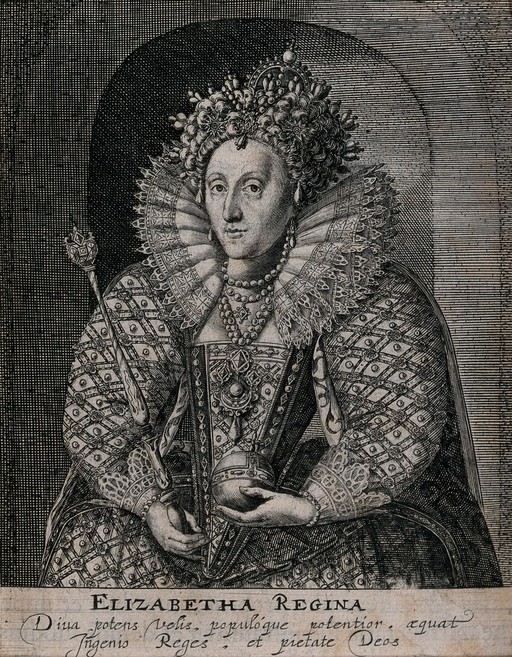
Queen Elizabeth I of England by Isaac Oliver
Isaac Oliver · 1620
 Painting
Primary source
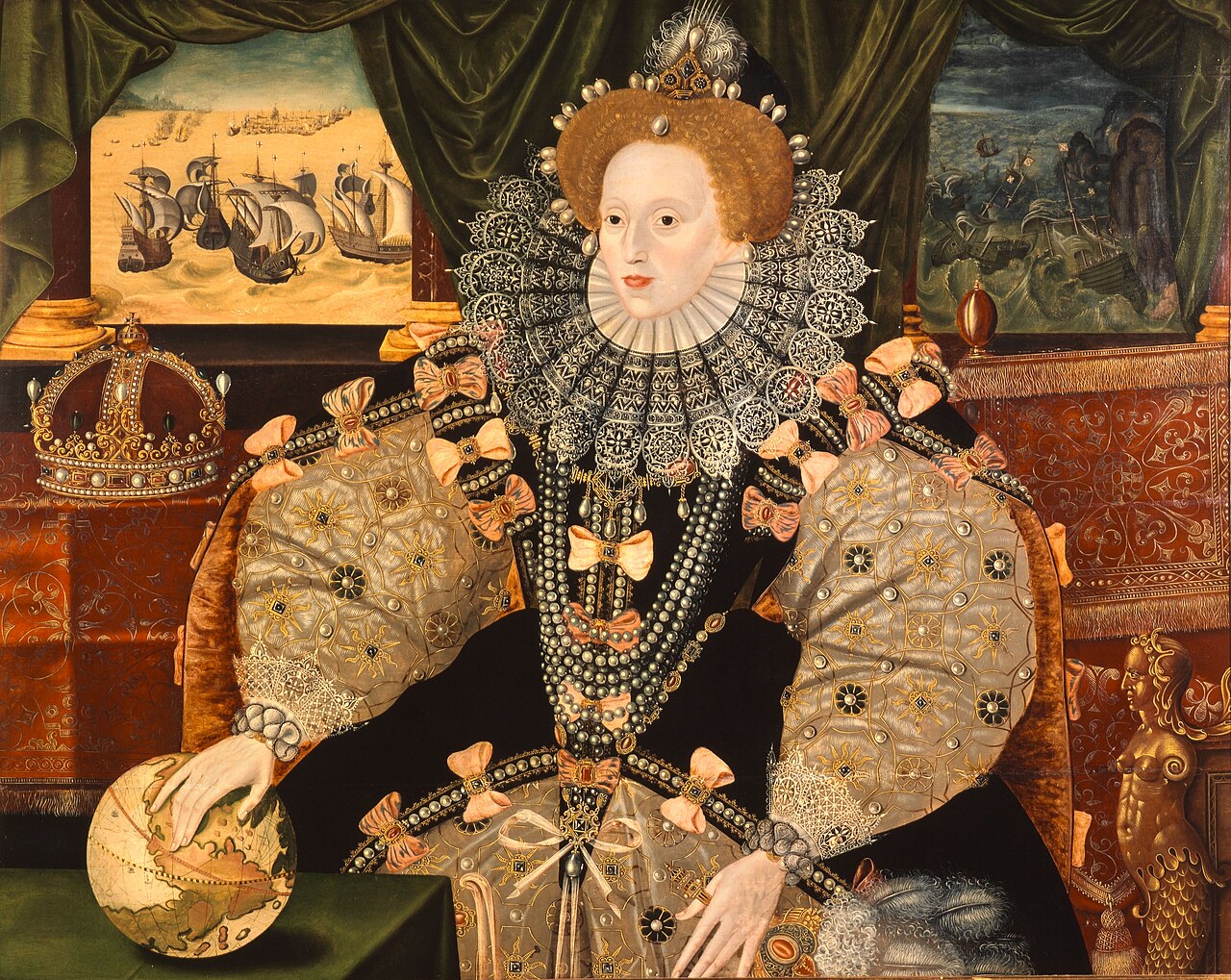
Armada Portrait
Unknown English artist · 1588
 Painting
Secondary source
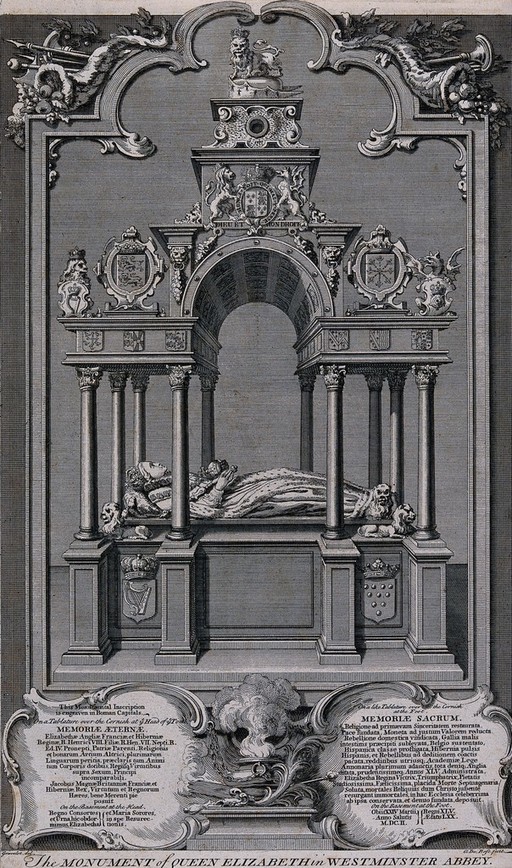
Monument to Queen Elizabeth I in Westminster Abbey
Hubert Francois Bourguignon d'Anville Gravelot
 Painting
Secondary source
Queen Elizabeth I in parliamentary robes
Isaac Oliver · 1600-1699
Ready when you are
Start chatting with Elizabeth I now.
20 messages free · No credit card · Available in 50+ languages.