


Primary sourcePainting1761
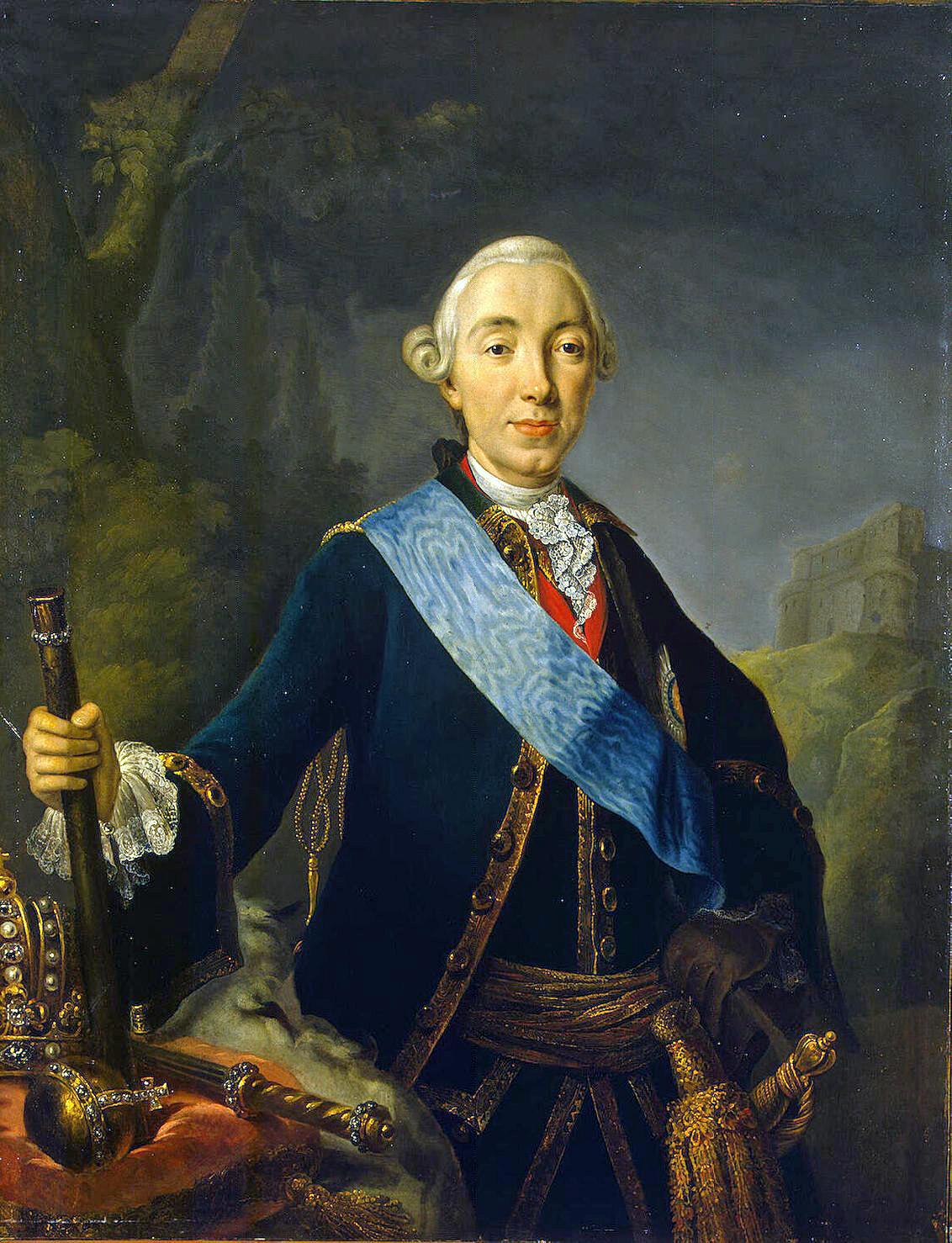
Coronation Portrait of Peter III
Lukas Conrad Pfandzelt · 1761
A formal state portrait of Peter III shown in imperial robes and regalia, depicting how he wished to be seen as emperor.
This state portrait shows Peter III as he wished to be presented, in full imperial regalia.
About this source
What it is
This oil painting shows Peter III full-length, wearing a dark blue coat with gold trim, a sash, and holding a scepter, with a crown resting on a cushion beside him. It was painted in 1761 by Lukas Conrad Pfandzelt.
Why it matters
As a state portrait, this image was meant to present Peter in the grand tradition of European monarchs, surrounded by the symbols of imperial power — the crown, scepter, and sash. Such portraits were political tools, built to project authority and legitimacy rather than to capture a true likeness.
Look closer
- What symbols in the painting tell you this is a ruler, and why were they included?
- How might this image differ from how people who actually knew Peter III described him?
- Why would an artist be commissioned to paint such a formal, idealized image of a new emperor?
This painting is part of the curated material that grounds the AI version of Peter III of Russia on Humy.ai — when students ask about related events, the AI can quote it and cite it.
More Peter III of Russia sources
Browse all 94 →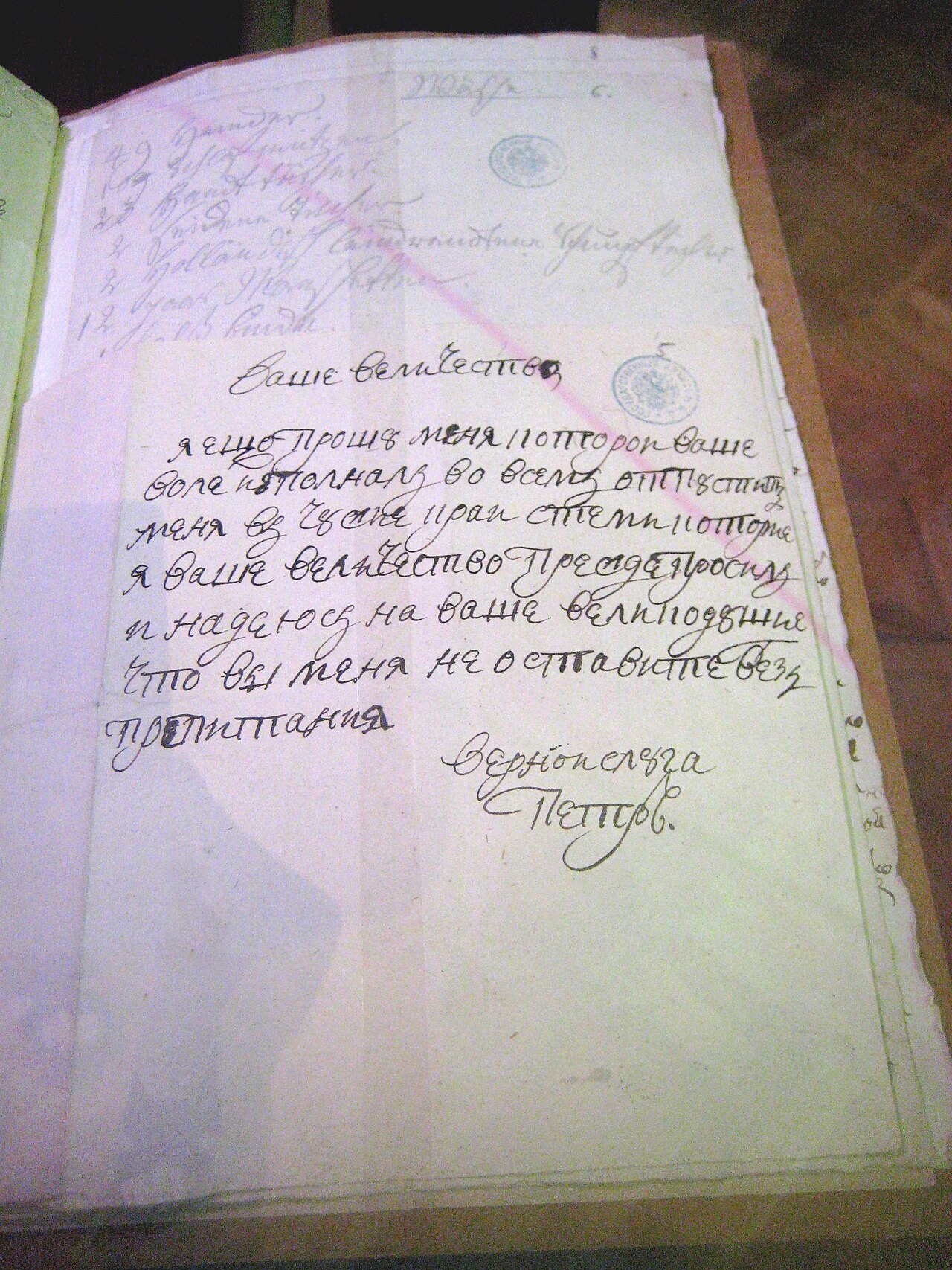 Letter
Primary source
Peter III's Letter to Catherine from Ropsha
Peter III of Russia · after 28 June 1762
 Painting
Primary source
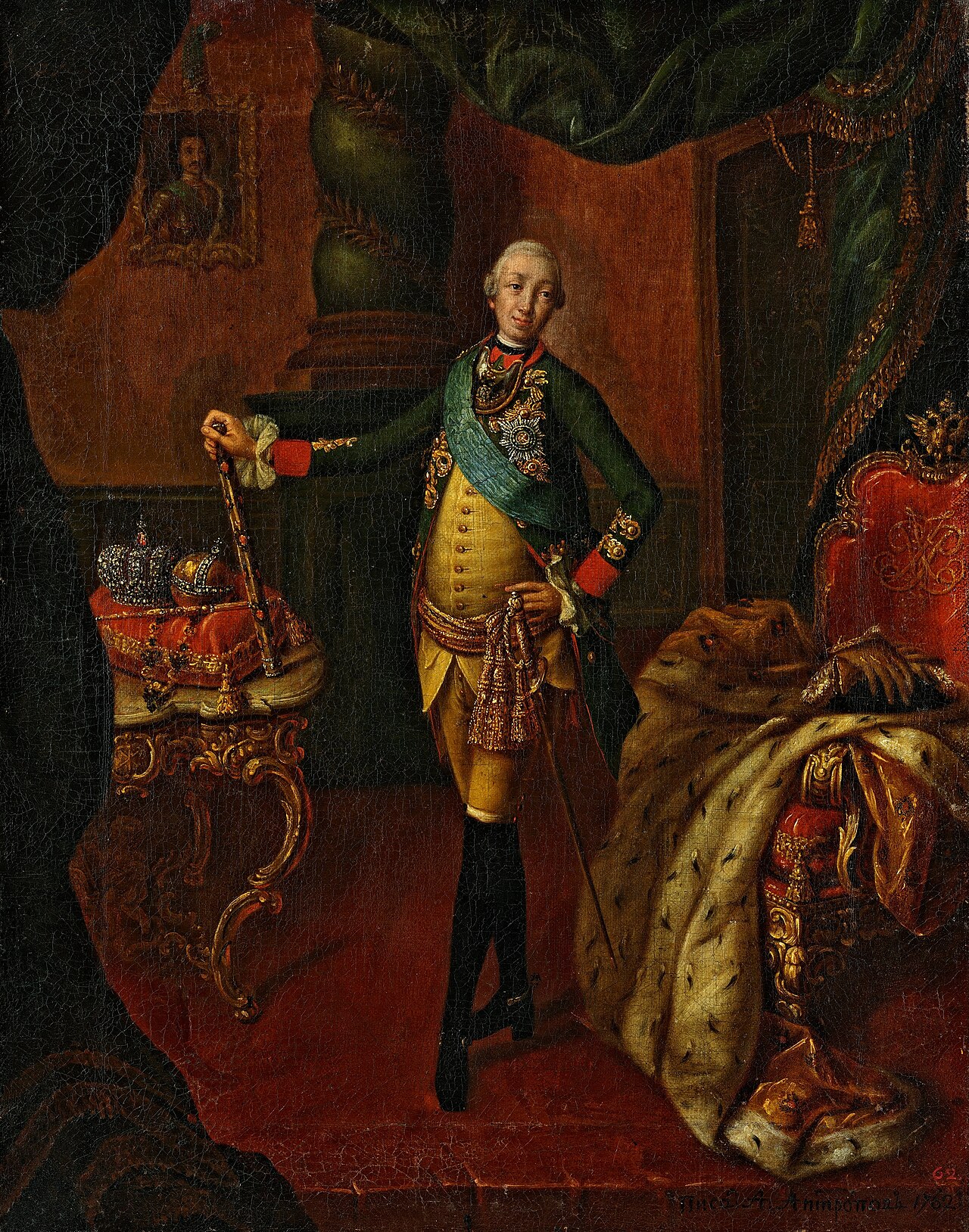
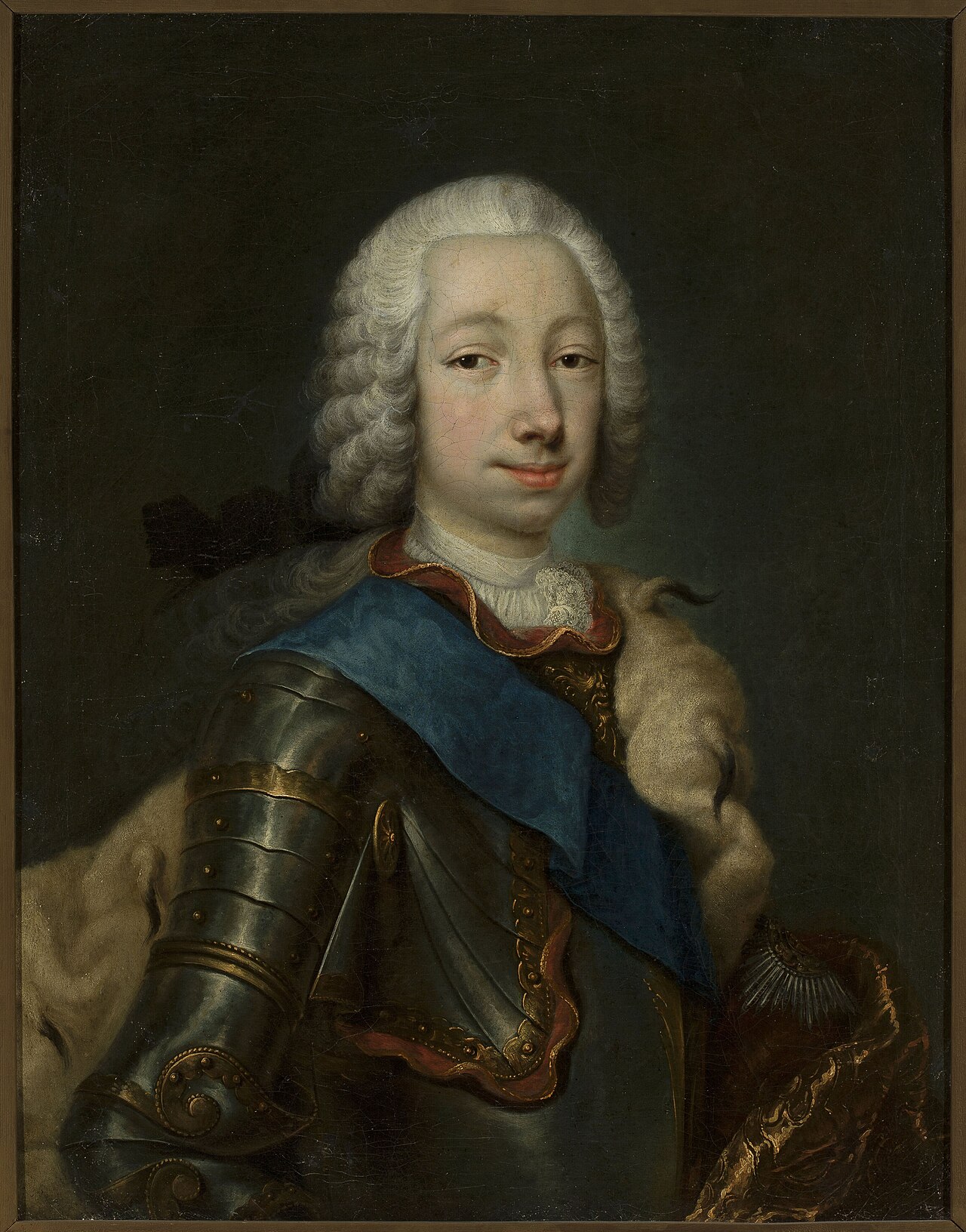
Portrait of Peter III by Antropov
Aleksey Antropov · 1762
 Document
Primary source
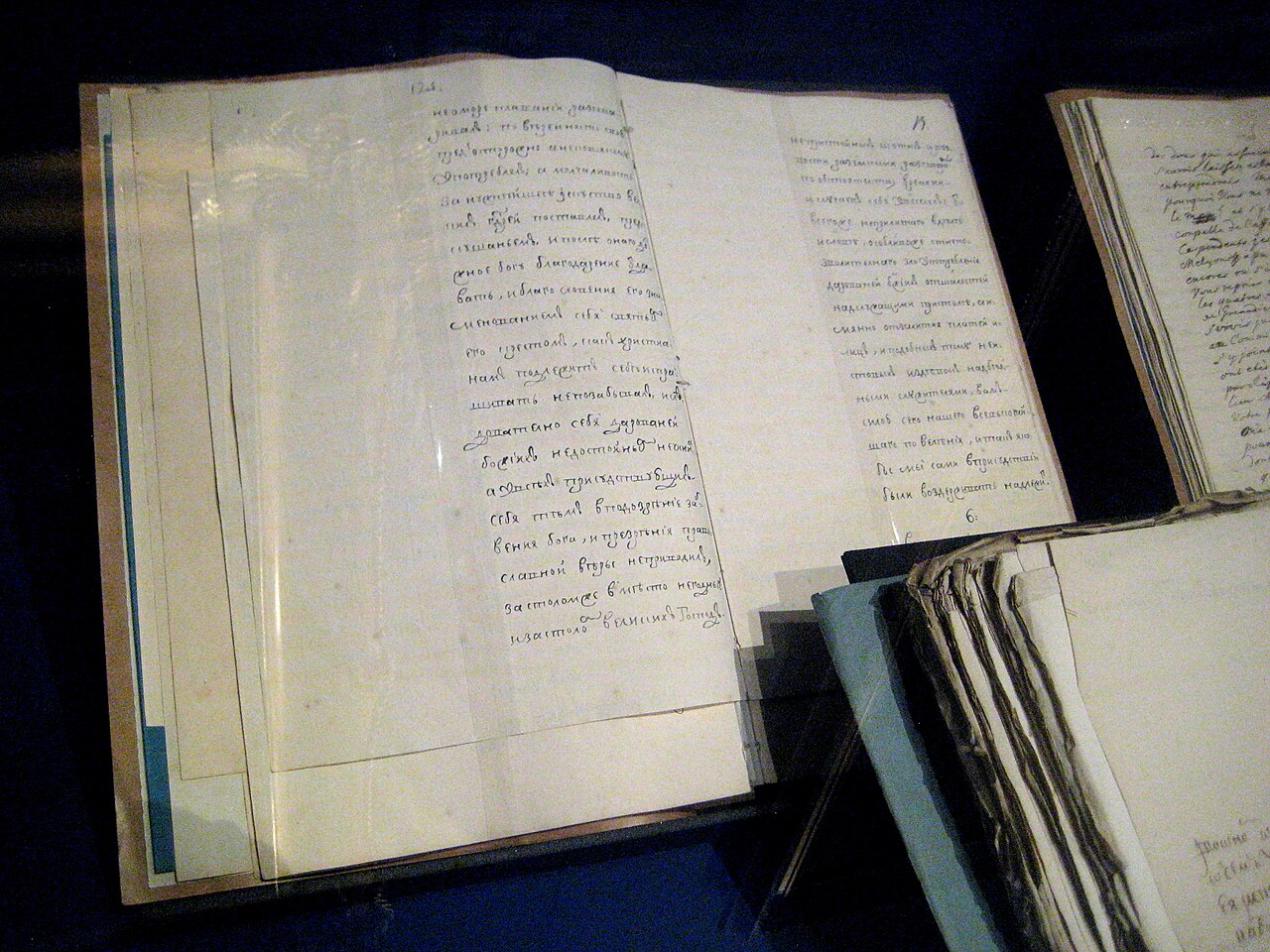
Instruction for N.N. Choglokov
A.P. Bestuzhev-Ryumin · 10 May 1746
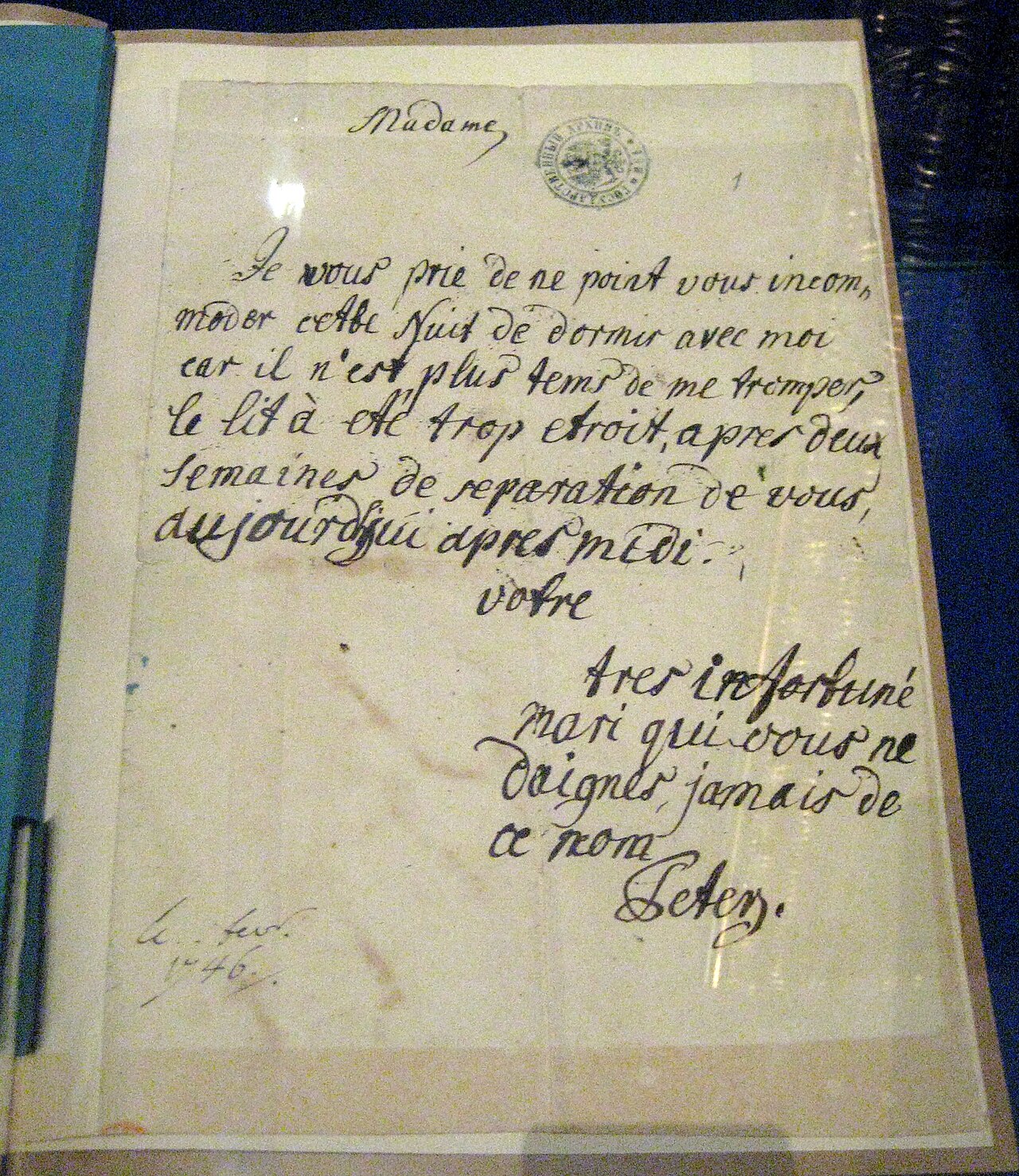 Letter
Primary source
Peter III's Letter to Catherine (1746)
Peter III of Russia · 1 February 1746
Free account
Read every Peter III of Russia source
Sign up free →
Ready when you are
Start chatting with Peter III of Russia now.
20 messages free · No credit card · Available in 50+ languages.