


Primary sourceDocument1868
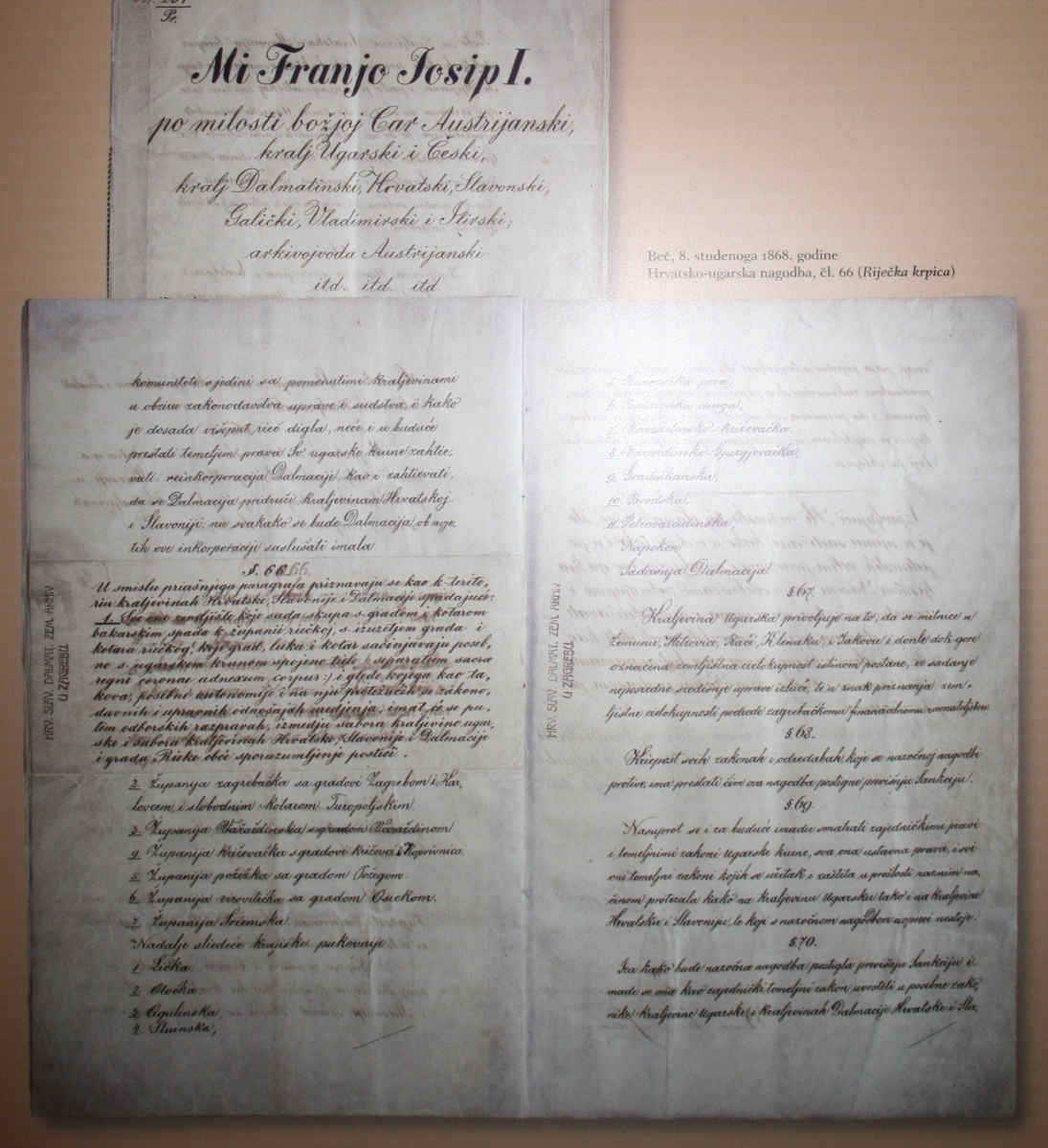
Croatian–Hungarian Settlement
1868
The 1868 pact defining Croatia's status under Hungary, which Strossmayer opposed and boycotted as contrary to his federalist politics.
Strossmayer opposed and boycotted this settlement, which shaped the federalist politics he fought for.
Free Humy account · No credit card · 65,431 sources to read
About this source
What it is
This document is the Croatian–Hungarian Settlement (Nagodba) of 1868, a pact governing Croatia's political status within the Hungarian-ruled part of Austria-Hungary. It was signed under Emperor Franz Joseph I and lasted until the end of World War I. The surviving handwritten copy, shown here, carries the Emperor's royal titles and dense cursive text listing Croatian counties.
Why it matters
The Nagodba subordinated Croatia to Hungarian control over much of its legislation and administration. Strossmayer, who favoured greater South Slav autonomy and federalism, opposed and boycotted this settlement, making it a defining backdrop to his political career and his disagreements with the ruling arrangement of the time.
Look closer
- Why might a politician like Strossmayer have opposed this settlement rather than take part in negotiating it?
- What does the formal royal language at the top of the document tell you about who held ultimate authority?
- What does this document not explain about the reactions of ordinary Croatians to the settlement?
This document is part of the curated material that grounds the AI version of Josip Juraj Strossmayer, Ferenc Deák and Ante Starčević on Humy.ai — when students ask about related events, the AI can quote it and cite it.
More Josip Juraj Strossmayer sources
Browse all 58 →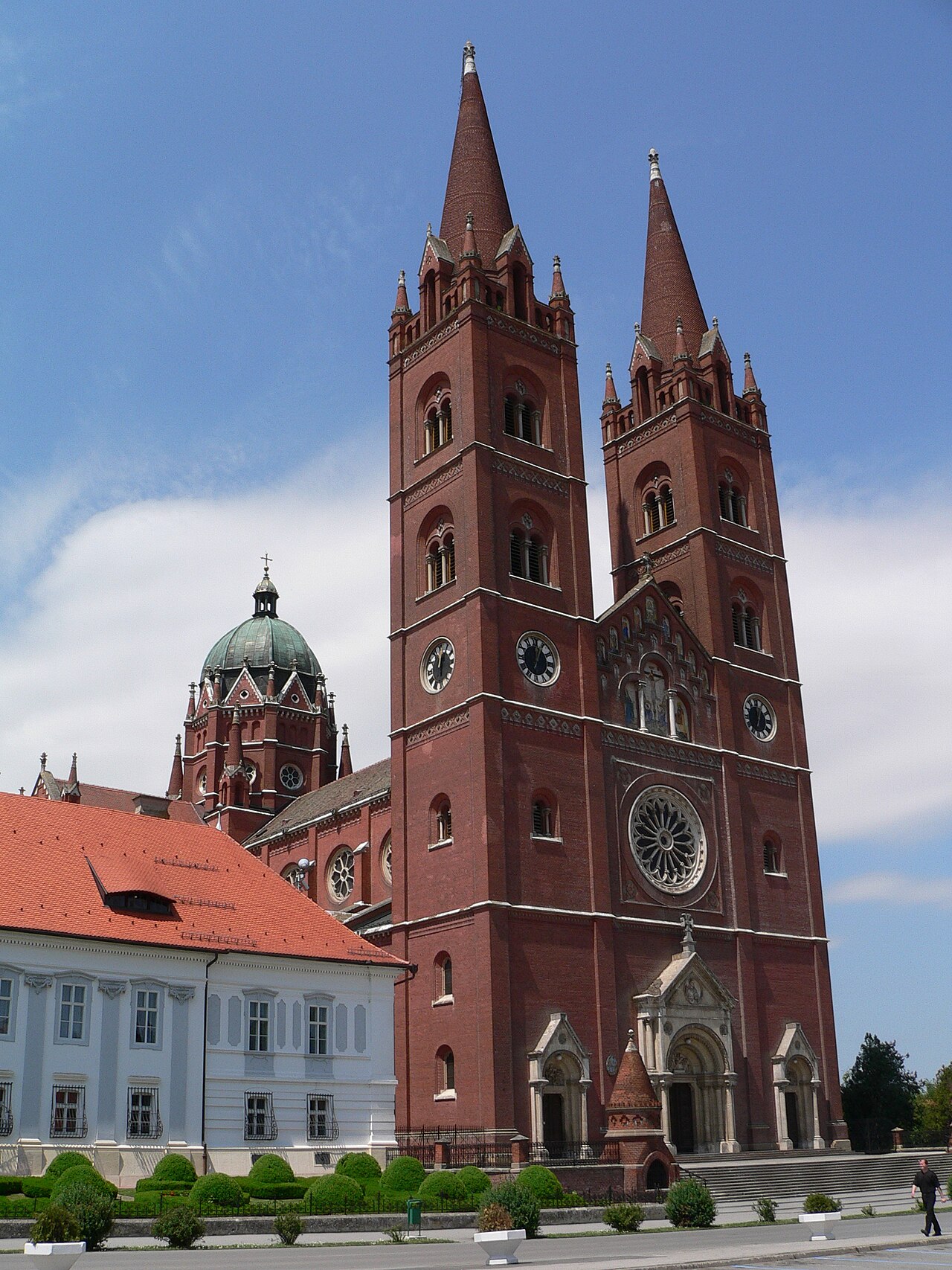 Artifact
Primary source
Đakovo Cathedral
Carl Roesner; Friedrich von Schmidt · 1866–1882
 Painting
Primary source
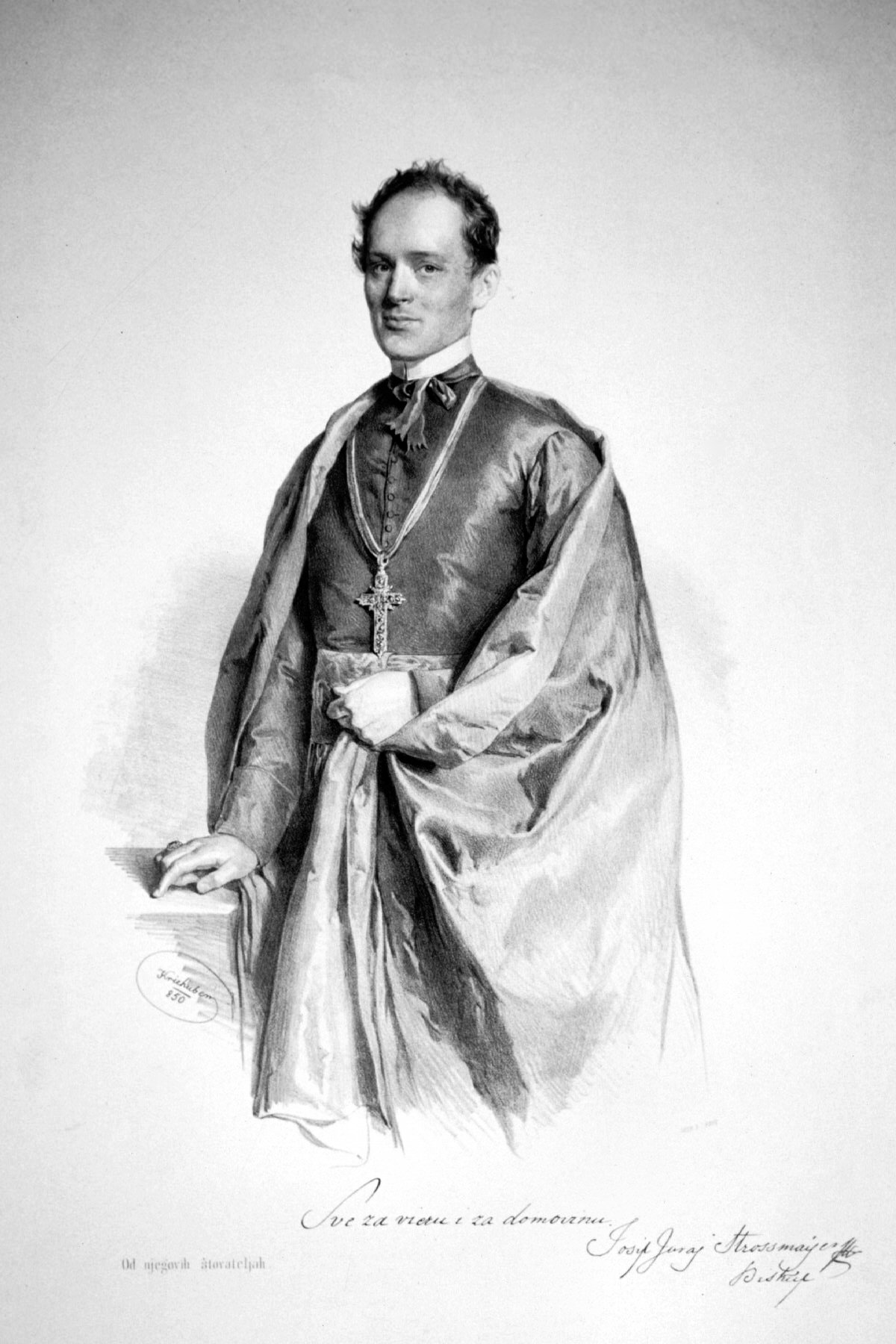
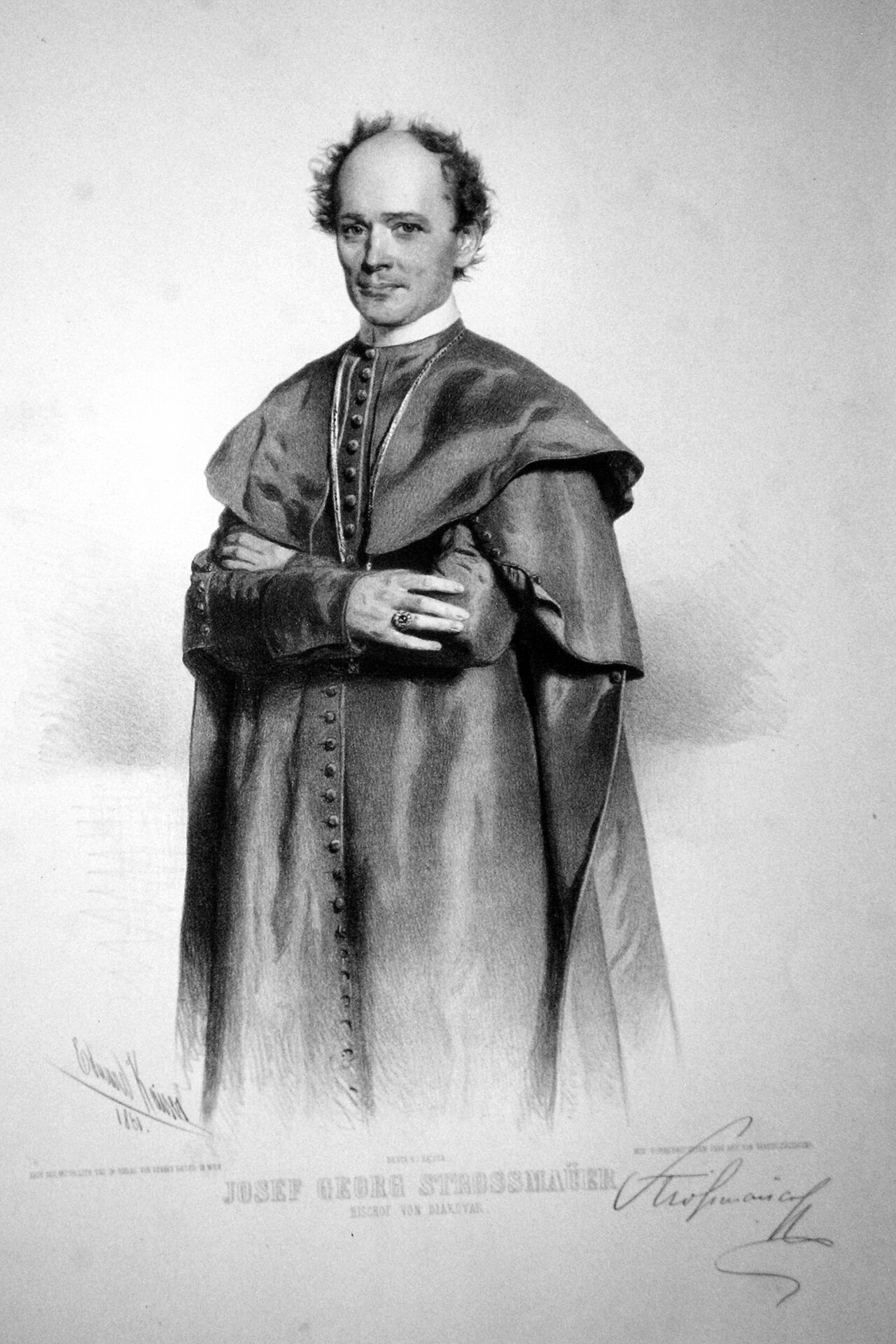
Portrait of Bishop Strossmayer, 1850
Josef Kriehuber · 1850
 Painting
Primary source
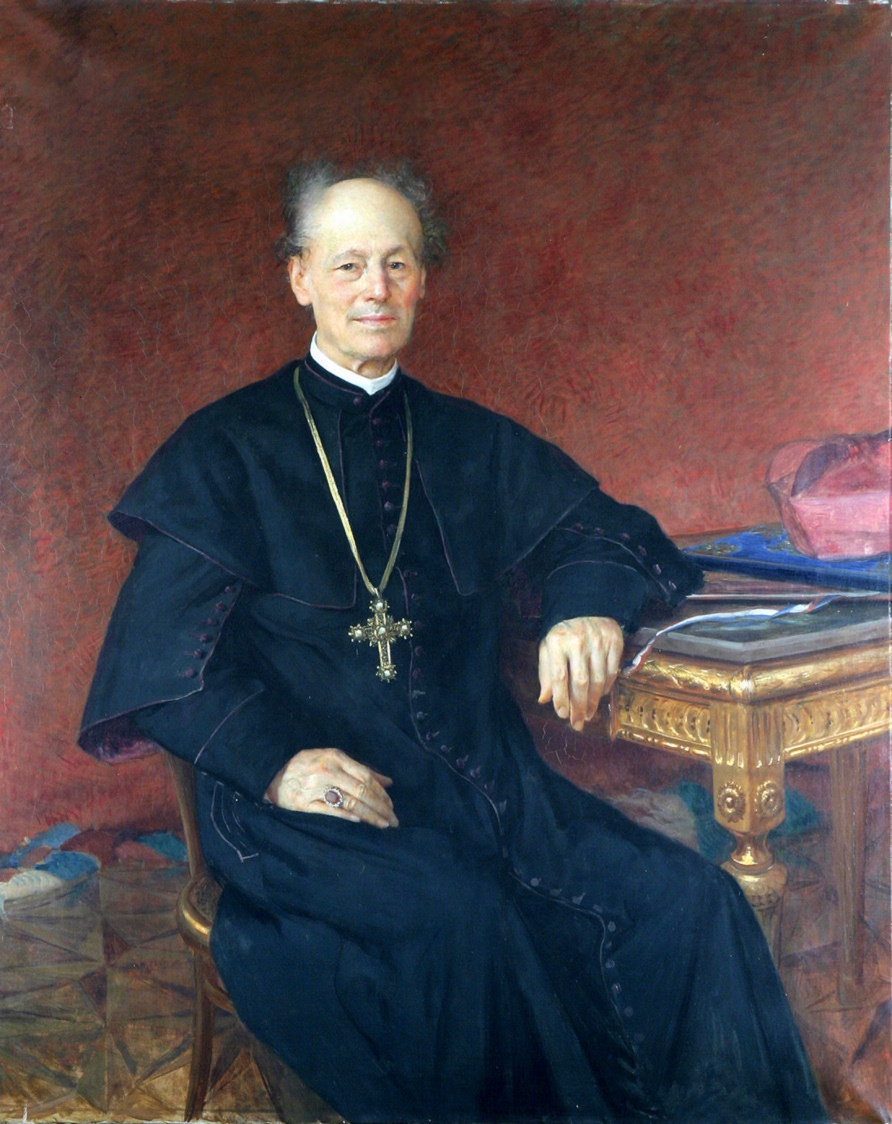
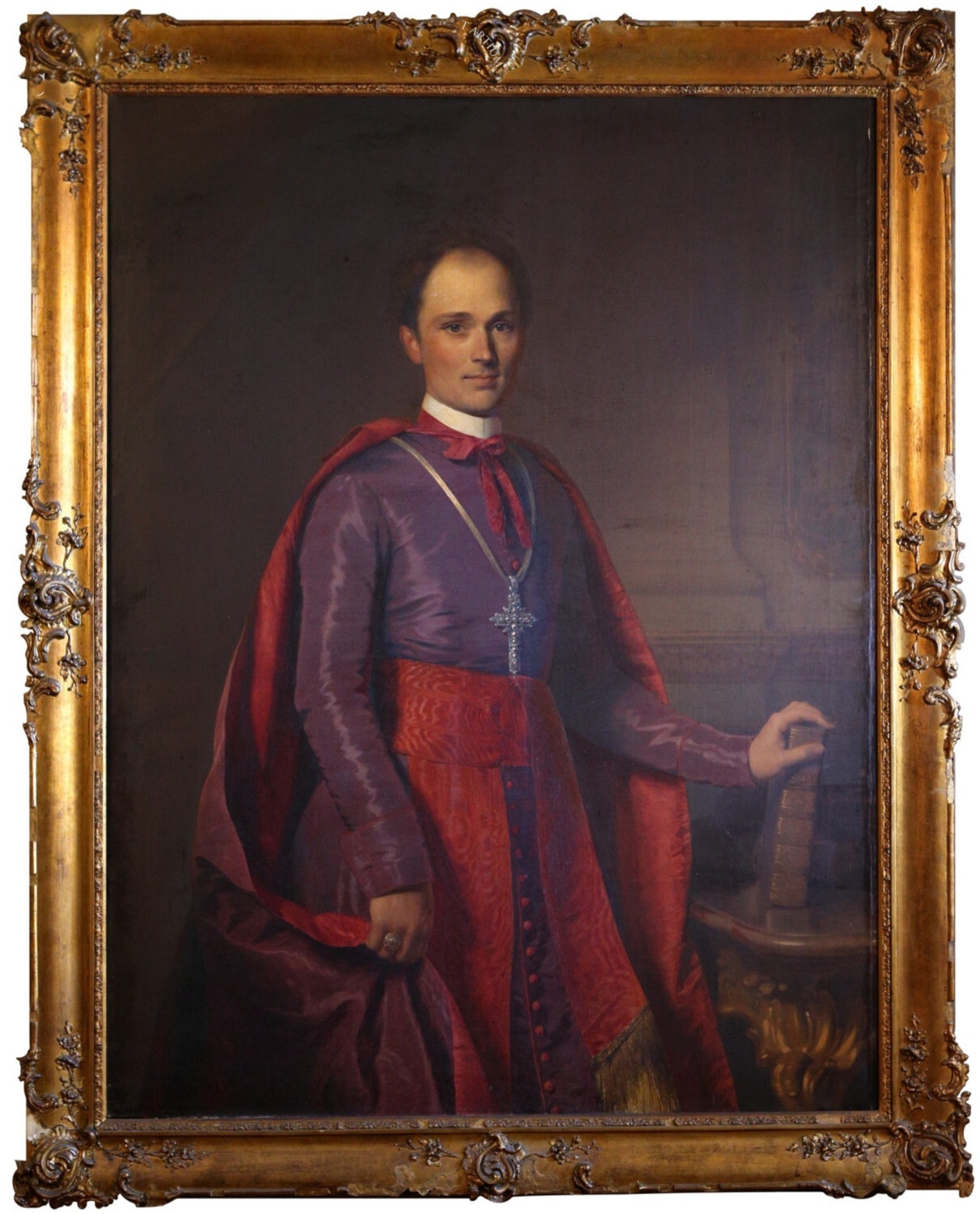
Portrait of Josip Juraj Strossmayer
Vlaho Bukovac
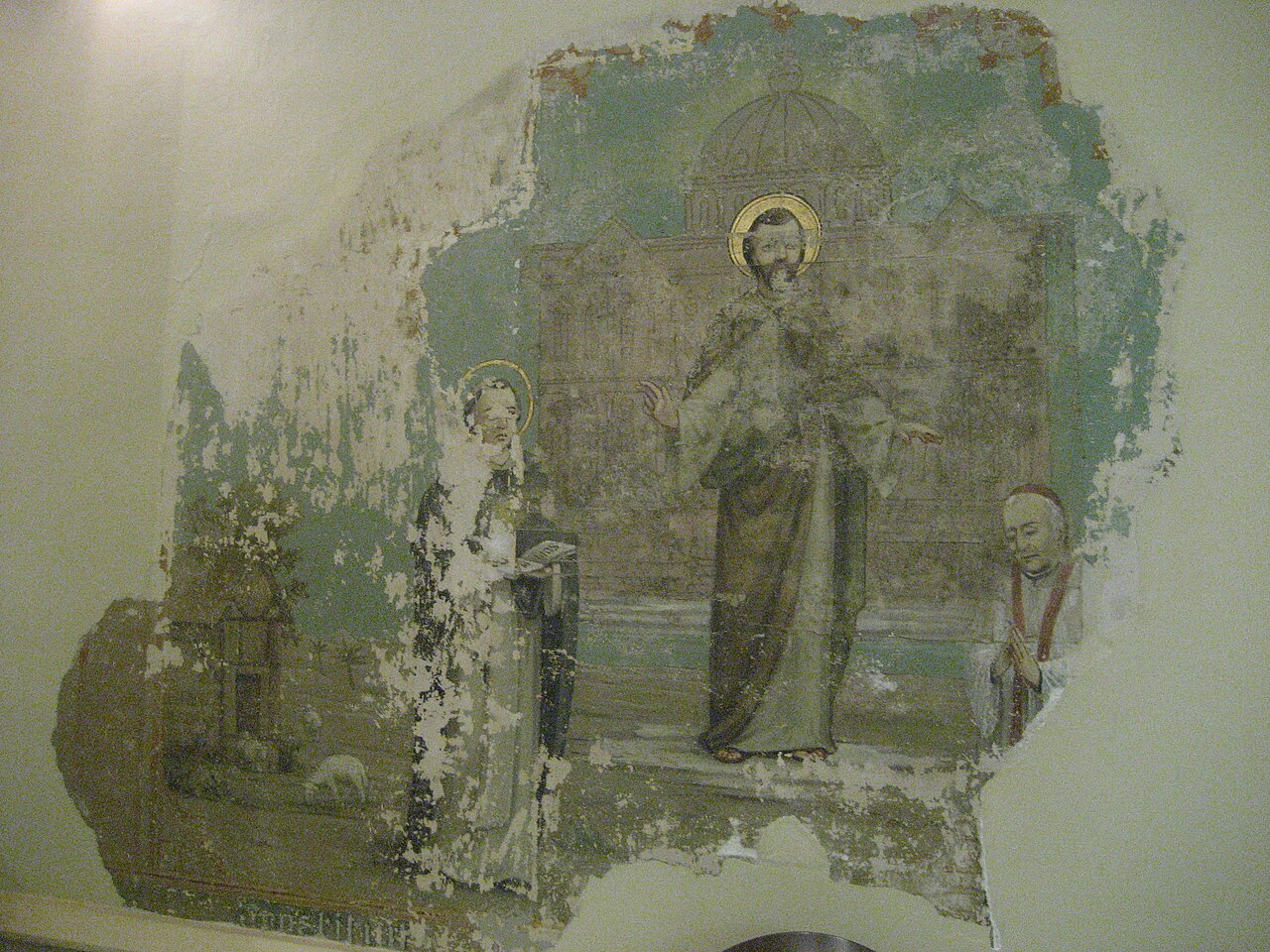 Document
Primary source
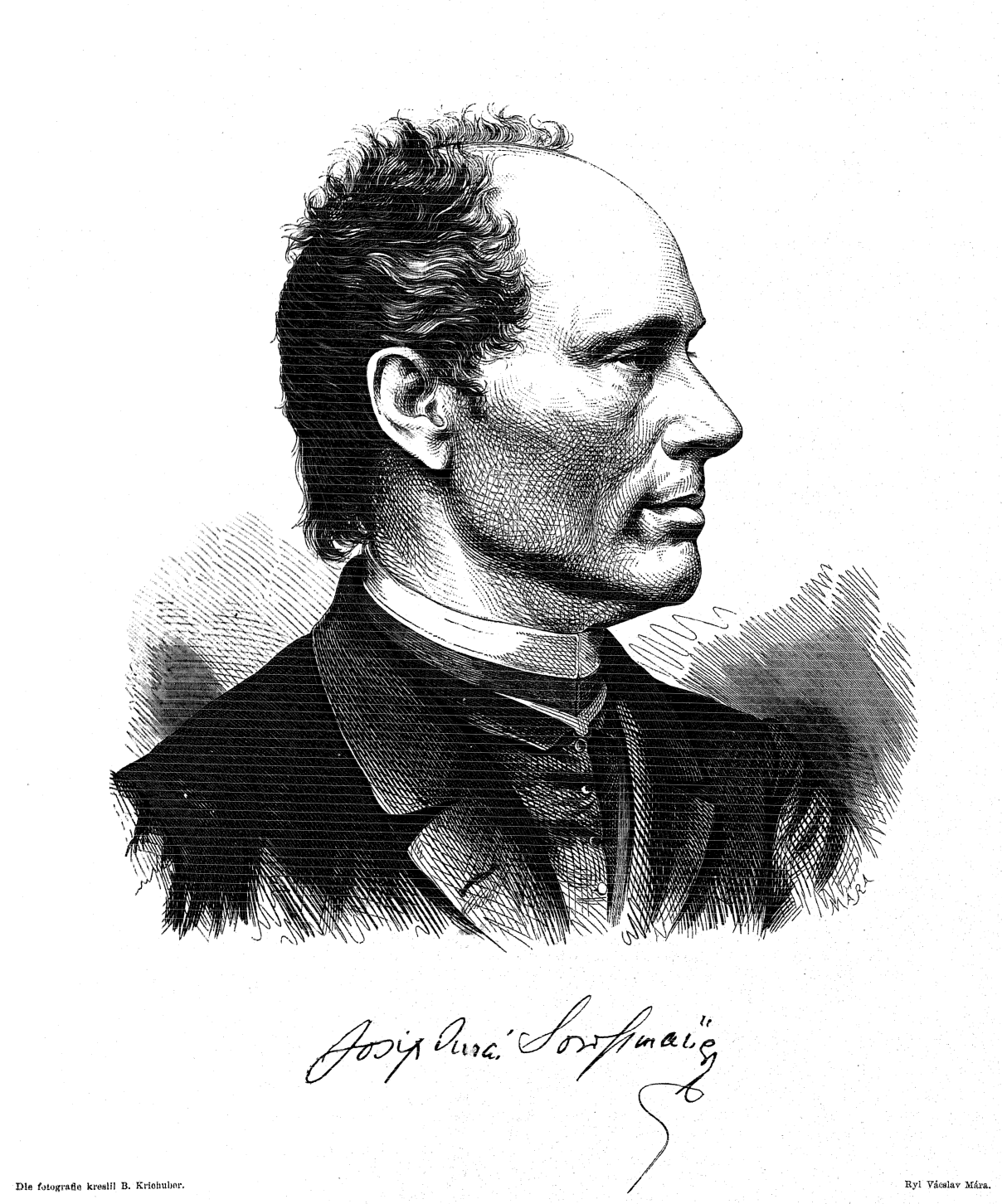
Pastor aeternus
First Vatican Council · 18 July 1870
Free account
Read every Josip Juraj Strossmayer source
Sign up free →
Ready when you are
Start chatting with Josip Juraj Strossmayer now.
20 messages free · No credit card · Available in 50+ languages.