


Primary sourceArtifactearly 19th century
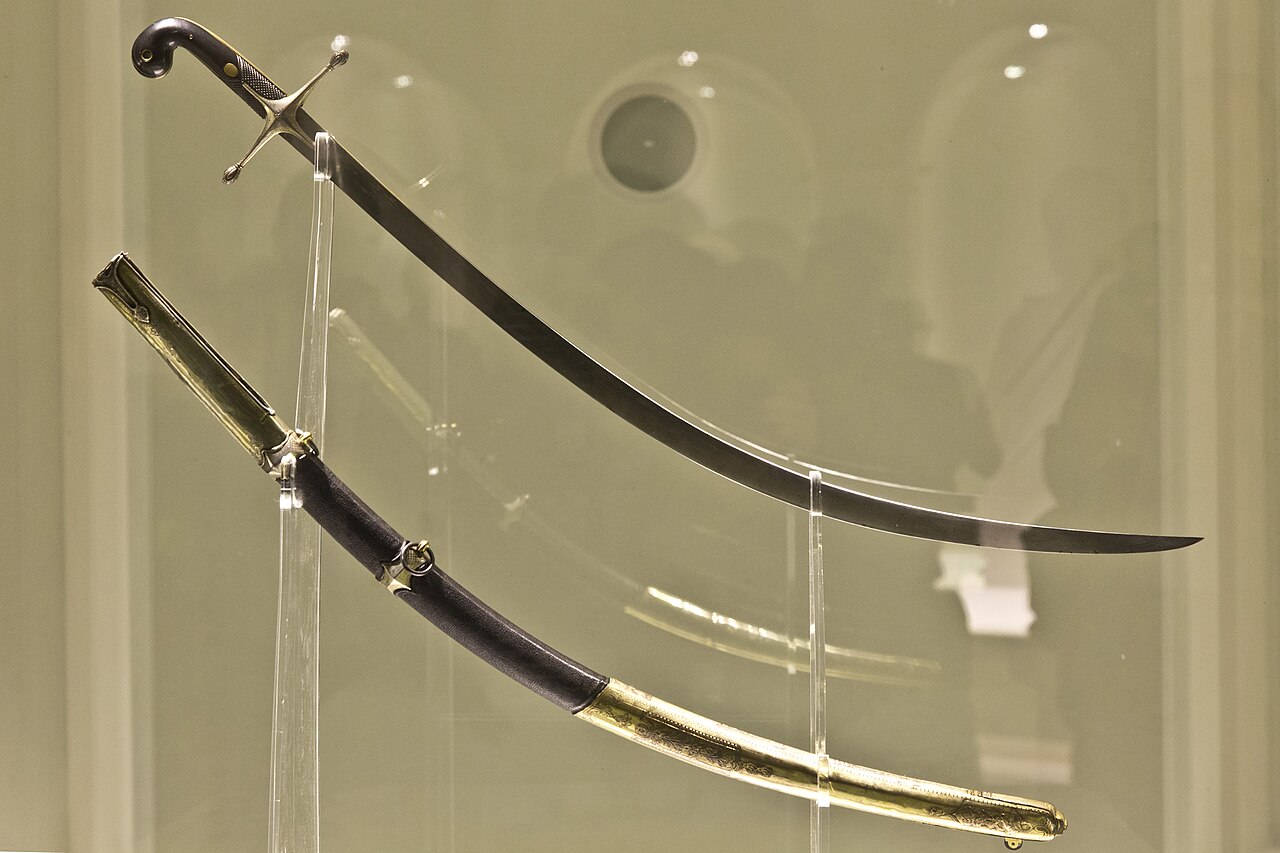
Curved Saber of San Martín
early 19th century
The cavalry saber José de San Martín carried through his South American independence campaigns, bequeathed in his will and now Argentina's foremost patriotic relic.
This saber was carried by San Martín throughout his independence campaigns and bequeathed by him in his will.
About this source
What it is
This is the curved cavalry saber that José de San Martín acquired in London before sailing to South America. He later armed his Mounted Grenadiers with similar weapons, believing them ideal for cavalry charges. San Martín kept the saber until his death and left it to Governor Juan Manuel de Rosas in his will. After passing through several hands, it was donated to the National Historical Museum in Buenos Aires, where it is displayed today.
Why it matters
The saber links San Martín directly to Rosas, to whom he gave it as a mark of respect for defending Argentine sovereignty against foreign pressure. It became a powerful national symbol, so much so that it was stolen twice in the 1960s before receiving permanent guarded display.
Look closer
- Why might a weapon become a treasured national symbol rather than just a tool of war?
- What does San Martín's choice to give the sword to Rosas tell us about his values?
- Why do you think the saber was targeted for theft decades after San Martín's death?
This artifact is part of the curated material that grounds the AI version of José de San Martín on Humy.ai — when students ask about related events, the AI can quote it and cite it.
More José de San Martín sources
Meet the AI José de San Martín →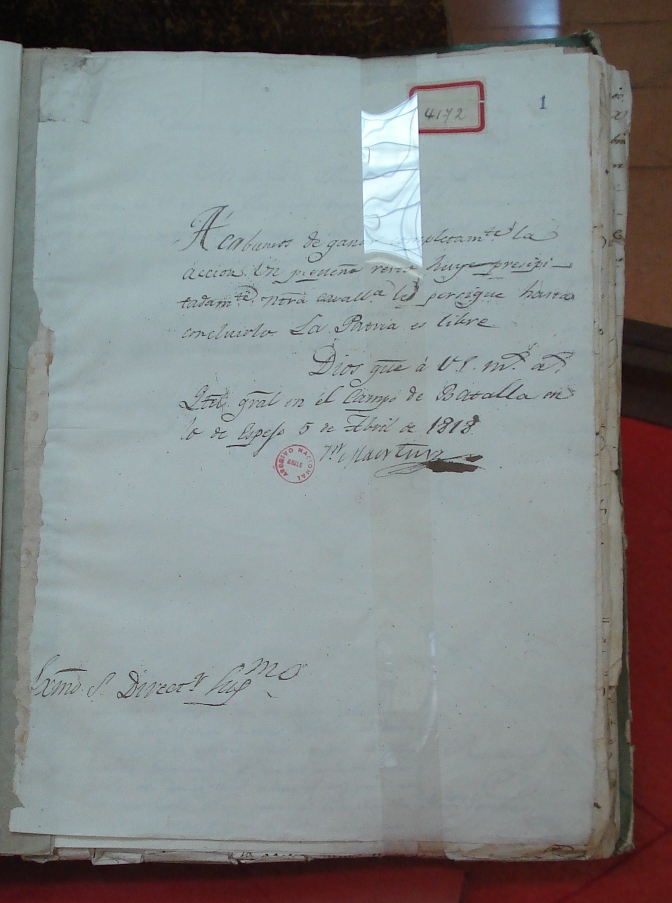 Letter
Primary source
Letter to Bernardo O'Higgins Announcing the Victory at Maipú
José de San Martín · 5 April 1818
 Document
Primary source
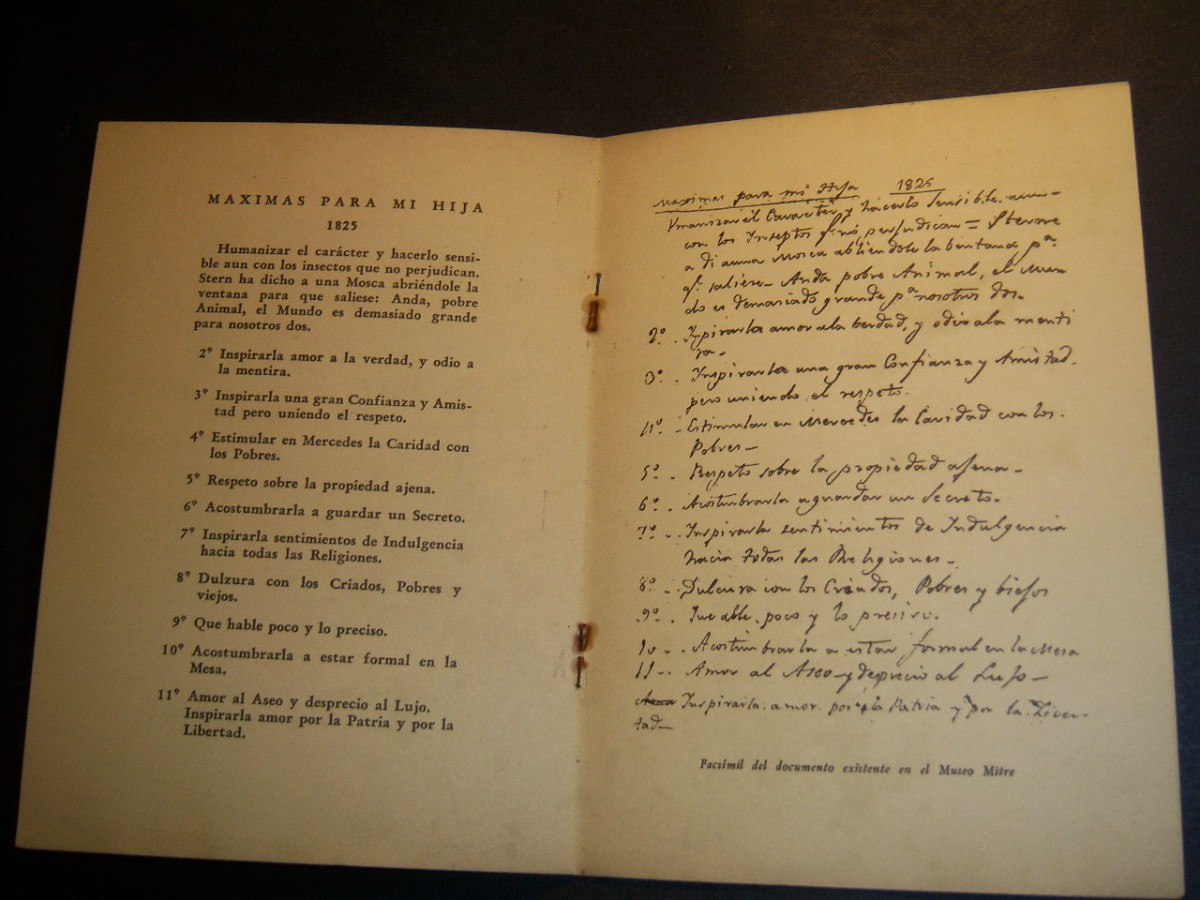
Máximas para mi Hija
José de San Martín · 1825
 Document
Primary source
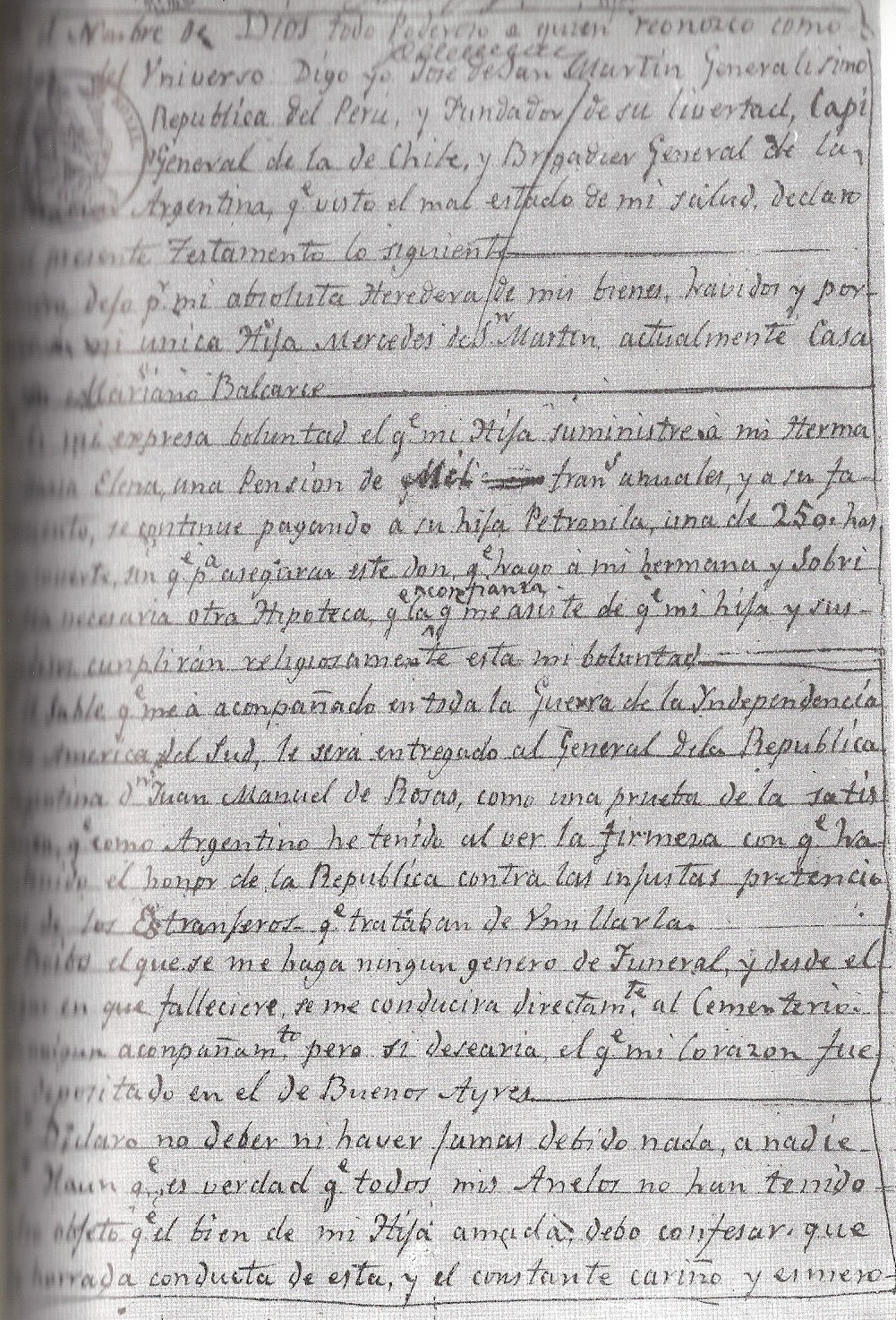
Testamento de San Martín
José de San Martín · 1844
 Painting
Primary source
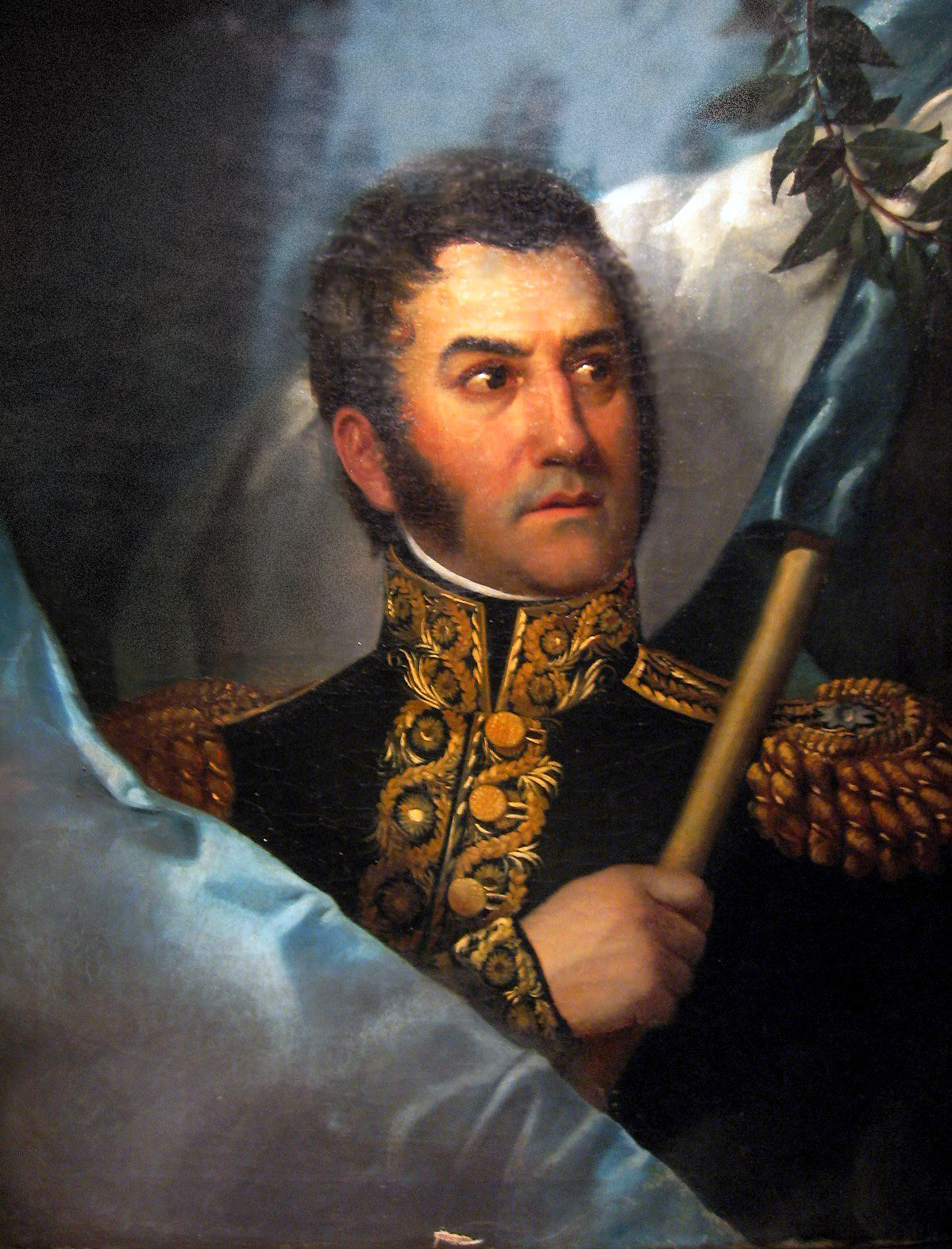
Portrait of José de San Martín
c. 1828
 Photograph
Primary source
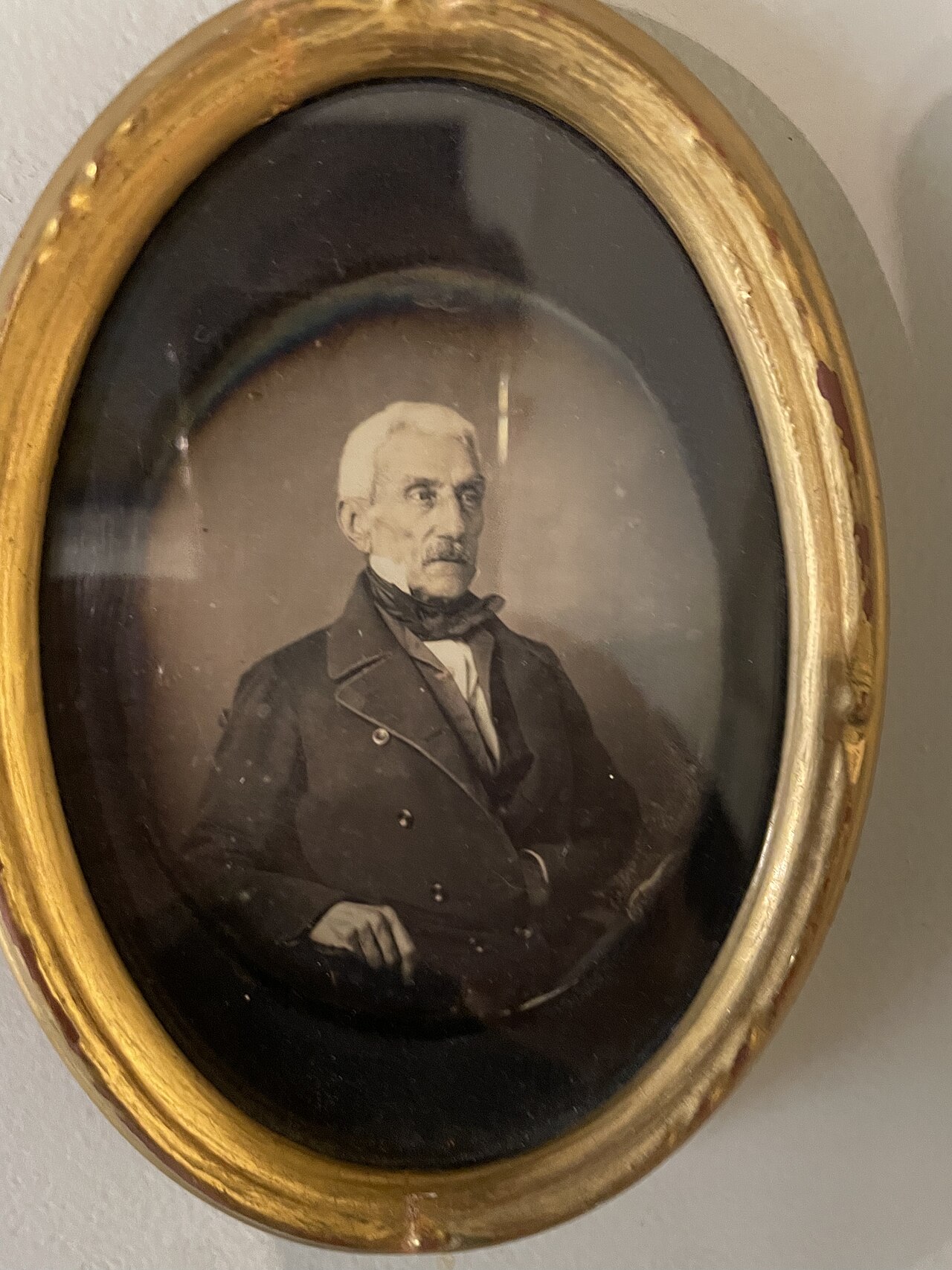
Daguerreotype of José de San Martín
Unknown daguerreotypist, Paris · 1848
Ready when you are
Start chatting with José de San Martín now.
20 messages free · No credit card · Available in 50+ languages.