


Primary sourceArtifactc. 1810
Dalton's Atom Models
c. 1810
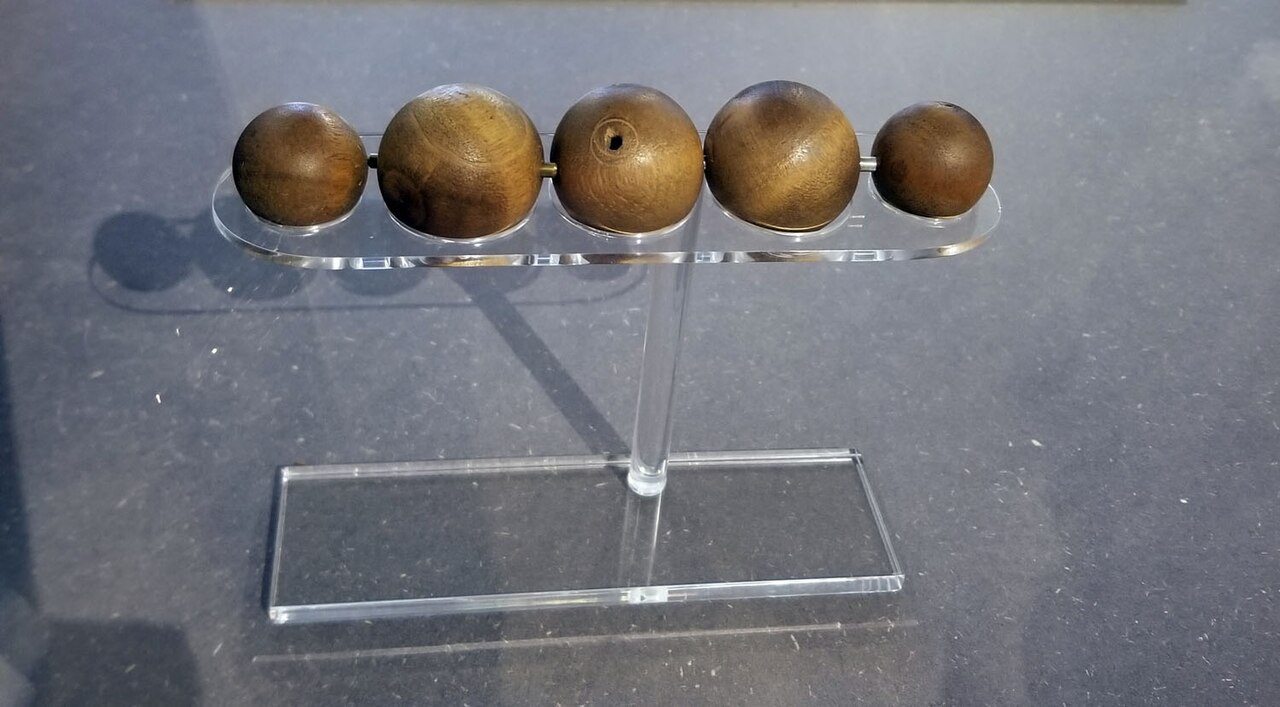
A set of wooden ball models made around 1810 that Dalton used to demonstrate how atoms join together.
These models were made for Dalton to use in demonstrating his atomic theory to students and colleagues.
About this source
What it is
This object is a set of wooden spheres of different sizes, joined on a rod, made around 1810 for John Dalton. It is now displayed at the Museum of Science and Industry in Manchester.
Why it matters
These models were a hands-on way for Dalton to show his atomic theory to others — the idea that different elements are made of atoms of different, fixed weights, and that these atoms combine in simple ratios. Physical models like this helped make an invisible, abstract idea easier to picture and teach, showing how Dalton worked to communicate his theory, not just publish it.
Look closer
- Why might a scientist build a physical model instead of just drawing a diagram?
- What do the different sizes of the balls suggest about what Dalton believed about atoms?
- What might this kind of model get wrong about how atoms actually look?
This artifact is part of the curated material that grounds the AI version of John Dalton on Humy.ai — when students ask about related events, the AI can quote it and cite it.
More John Dalton sources
Browse all 92 →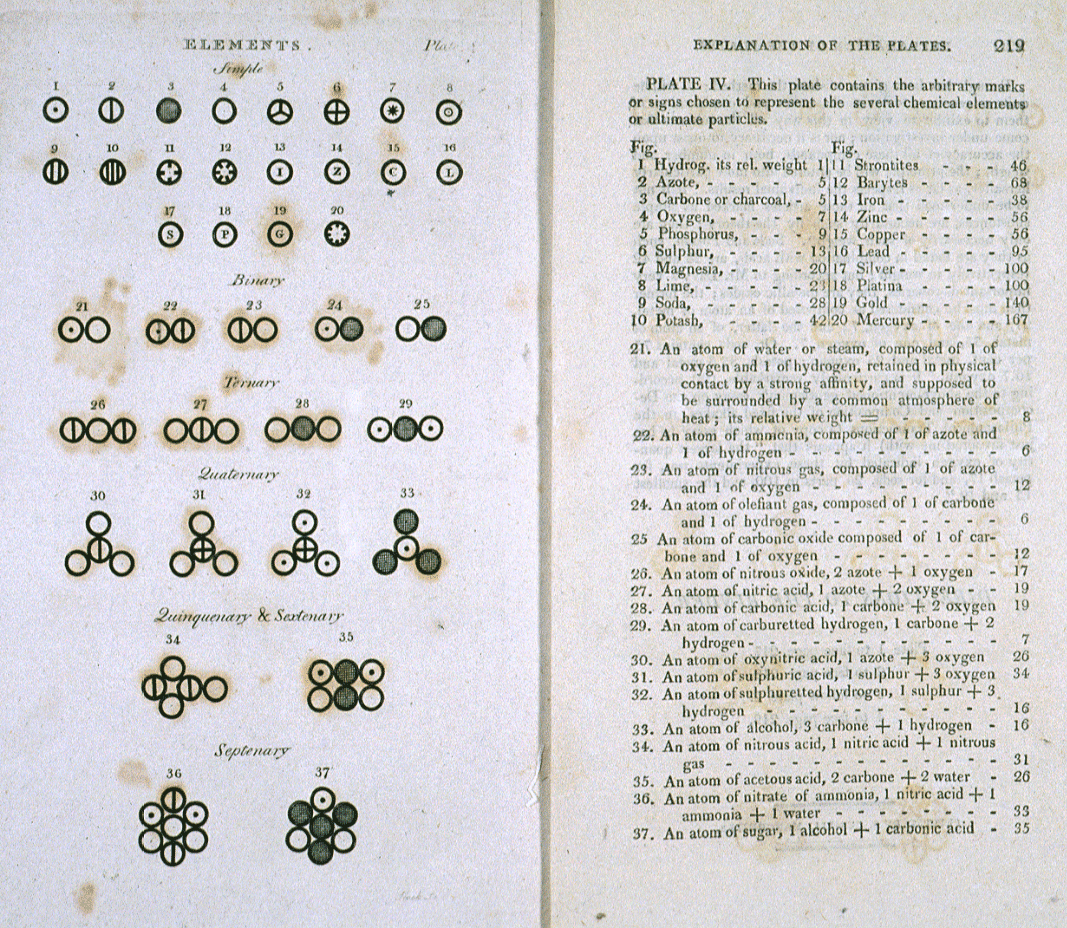 Book
Primary source
A New System of Chemical Philosophy
John Dalton · 1808
 Document
Primary source
Extraordinary Facts Relating to the Vision of Colours
John Dalton · 1794 (read); published 1798
 Book
Primary source
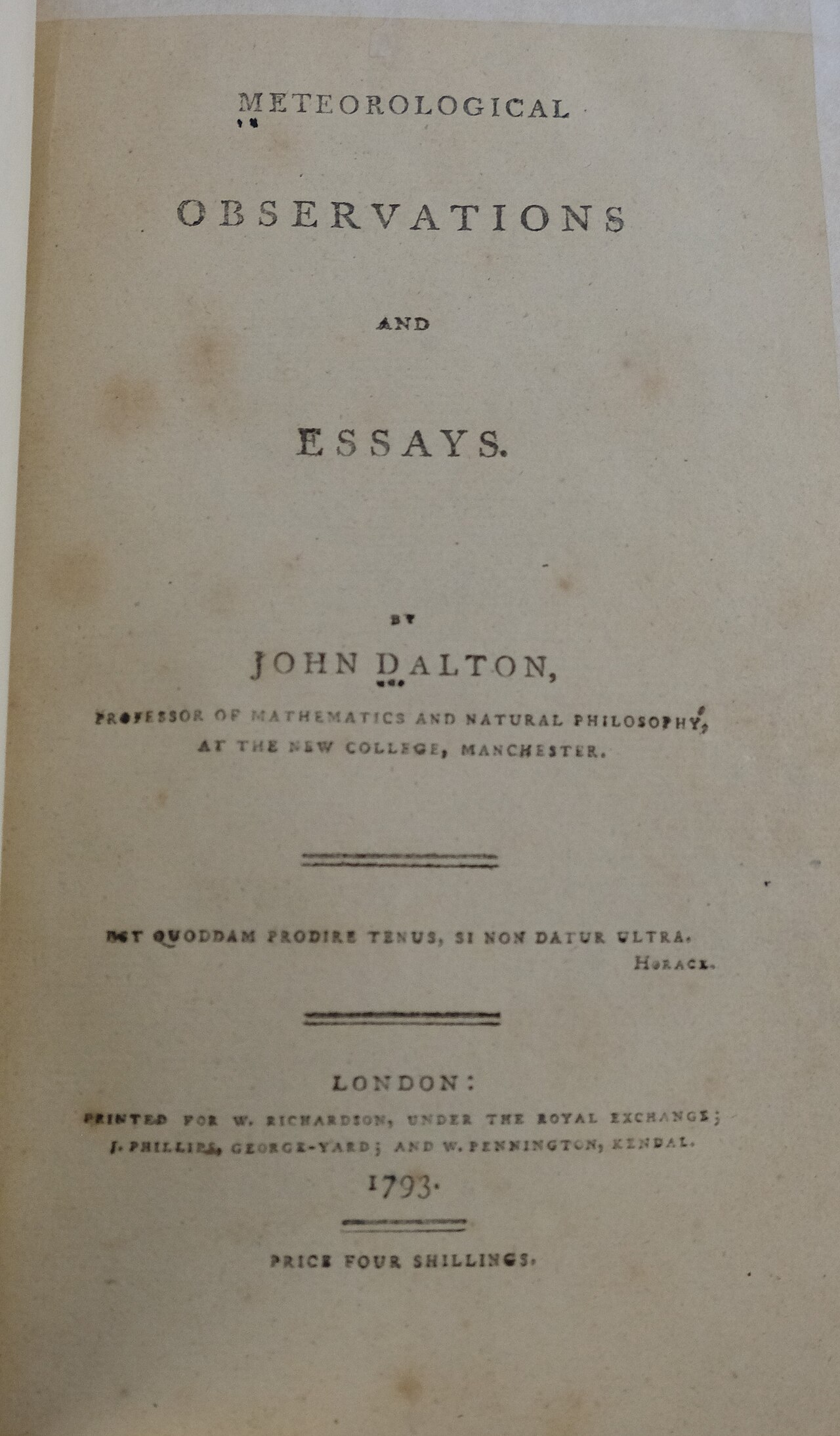
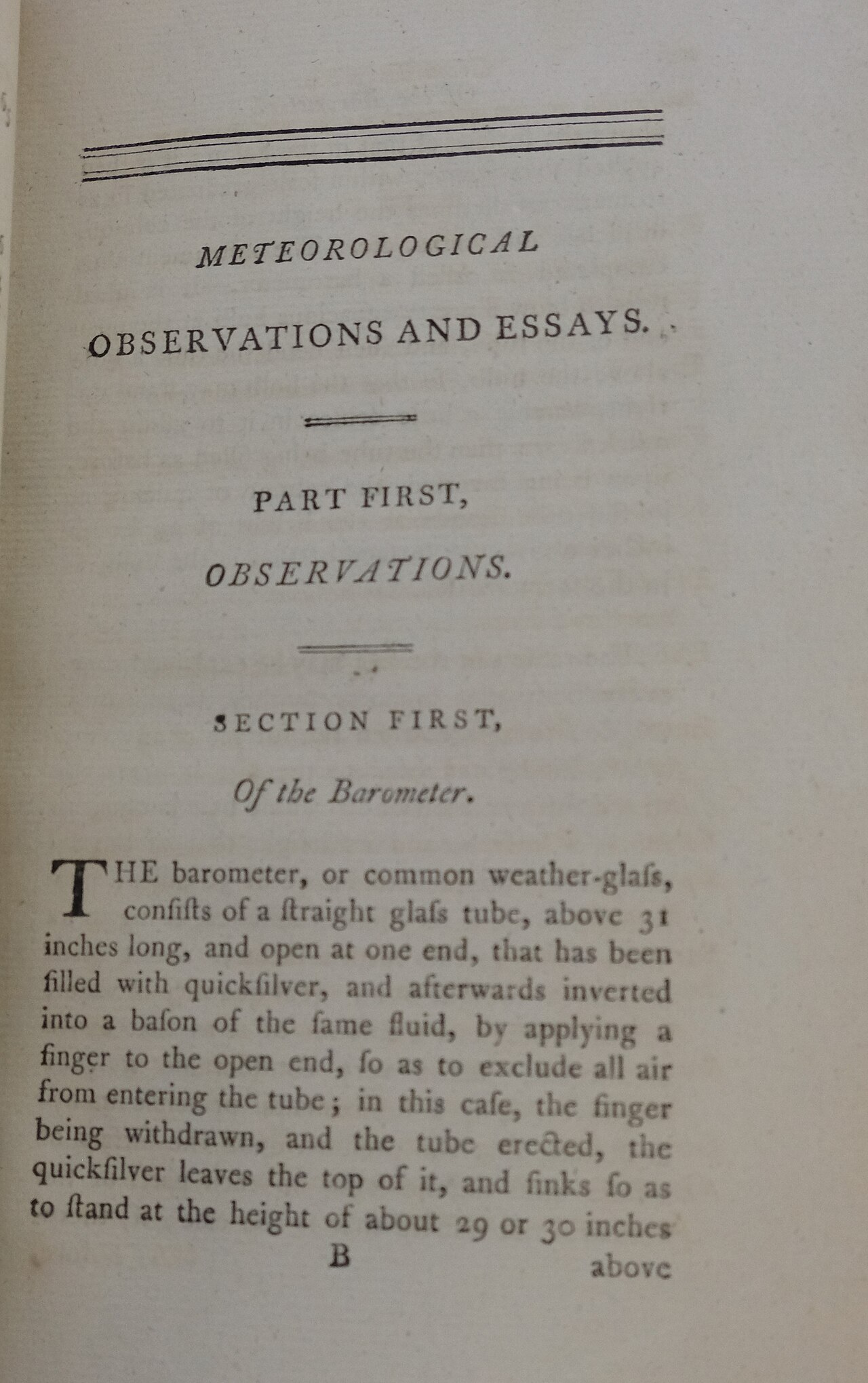
Meteorological Observations and Essays (title page)
John Dalton · 1793
 Book
Primary source
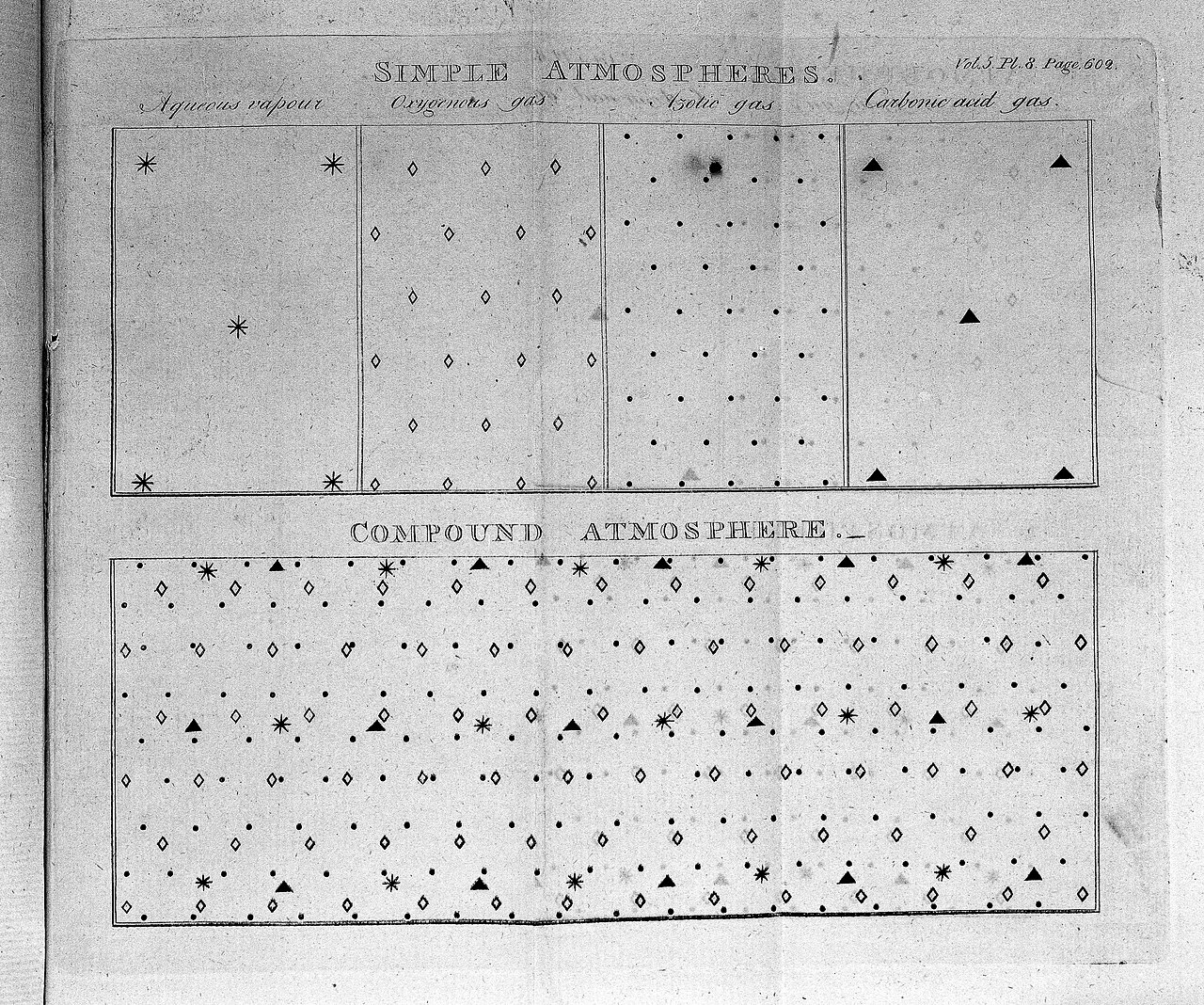
Meteorological Observations and Essays (opening page)
John Dalton · 1793
Free account
Browse every John Dalton source
Sign up free →
Ready when you are
Start chatting with John Dalton now.
20 messages free · No credit card · Available in 50+ languages.