


Secondary sourcePainting19th century
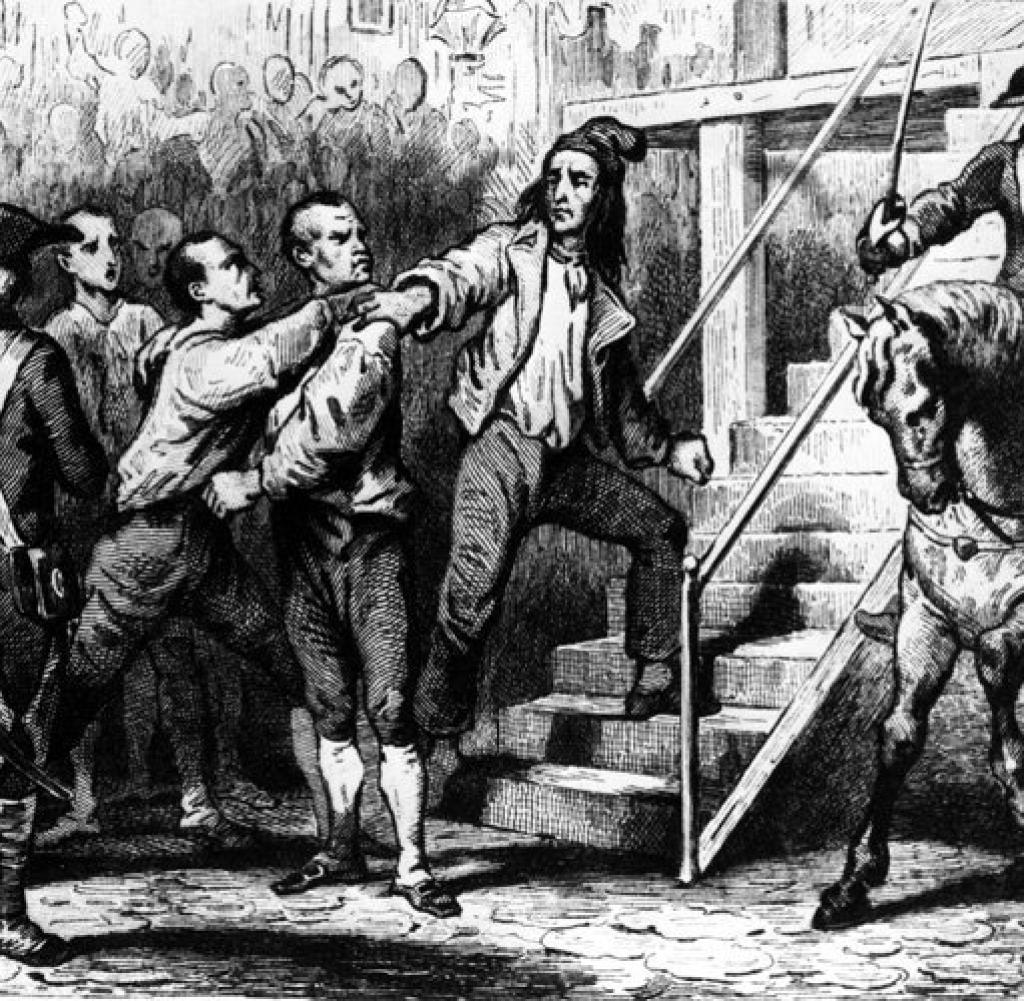
Danton at the Foot of the Guillotine
After Tony Johannot · 19th century
A 19th-century engraving imagining Danton's final moments at the guillotine.
Shows Danton's execution, the dramatic end of his revolutionary career, as imagined by a later artist.
About this source
What it is
A black-and-white engraving by Lefevre, based on a drawing by Tony Johannot, made in the 19th century, long after Danton's death. It shows Danton being gripped by two men on a staircase near the guillotine, with a crowd watching.
Why it matters
Danton, once a leading figure of the French Revolution, was executed during the Terror. This later image is not a contemporary record but shows how 19th-century audiences imagined and dramatised his death, keeping his memory alive as a symbol of the Revolution's turn toward violence.
Look closer
- What does the composition emphasize — Danton's resistance, the crowd, or the guillotine itself?
- Why might an artist decades later choose to depict this exact moment?
- What can and can't this image tell us about what actually happened that day?
This painting is part of the curated material that grounds the AI version of Georges Danton on Humy.ai — when students ask about related events, the AI can quote it and cite it.
More Georges Danton sources
Meet the AI Georges Danton →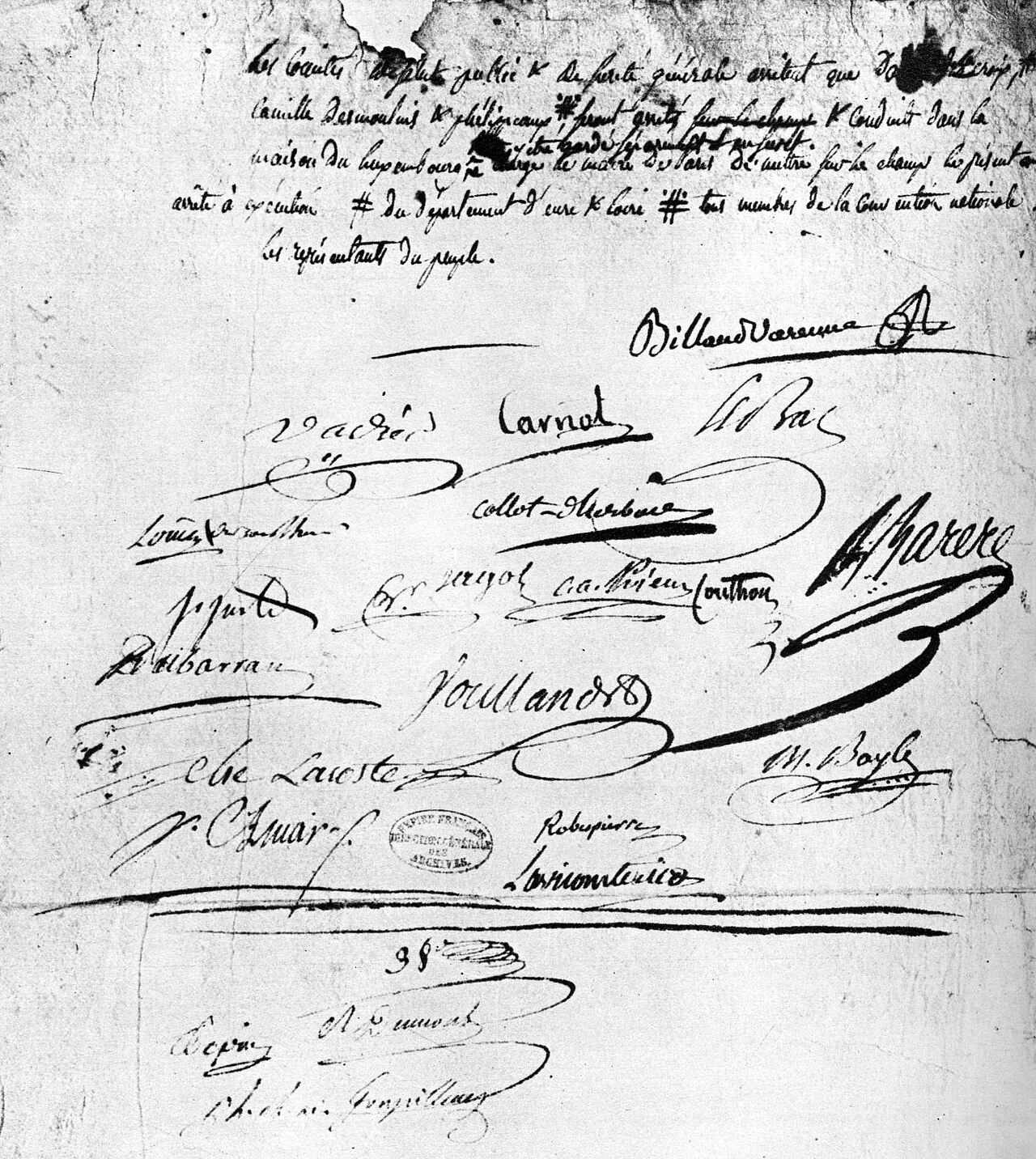 Document
Primary source
Arrest Warrant Against Danton and His Friends
Committee of Public Safety · March 1794
 Painting
Primary source
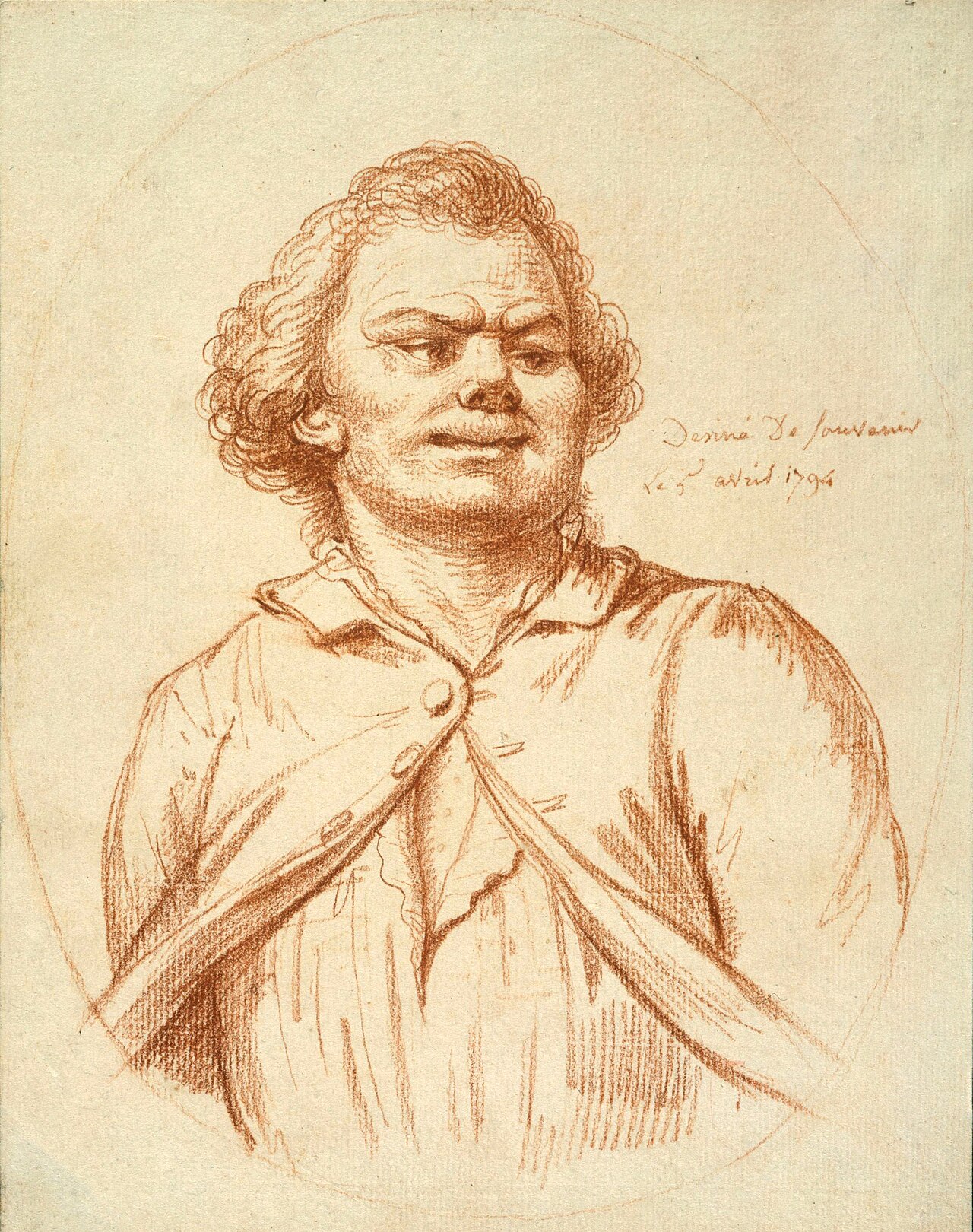
Danton Led to Execution
Attributed to Pierre-Alexandre Wille · 1794
 Painting
Primary source
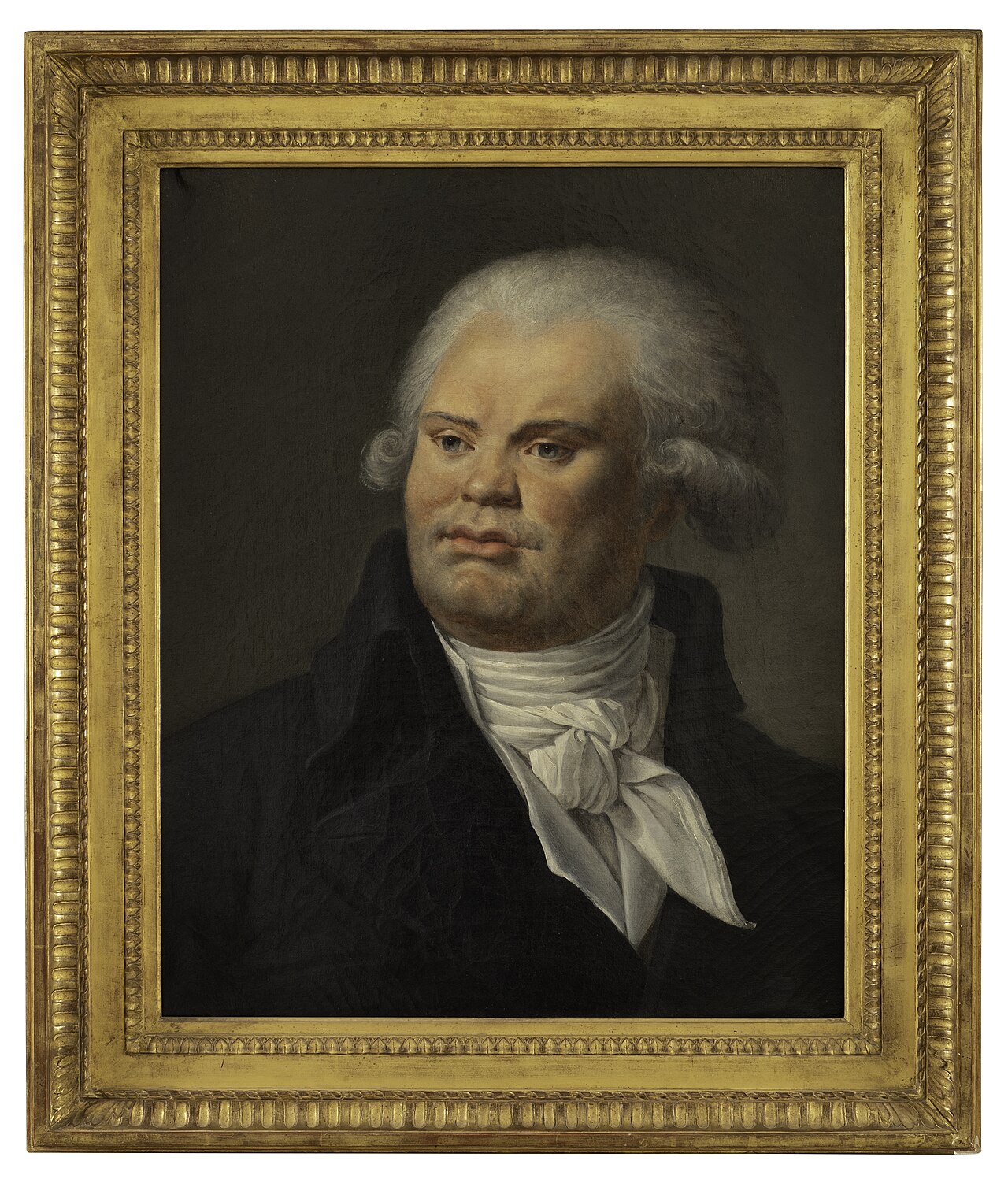
Portrait of Georges Danton
 Document
Primary source
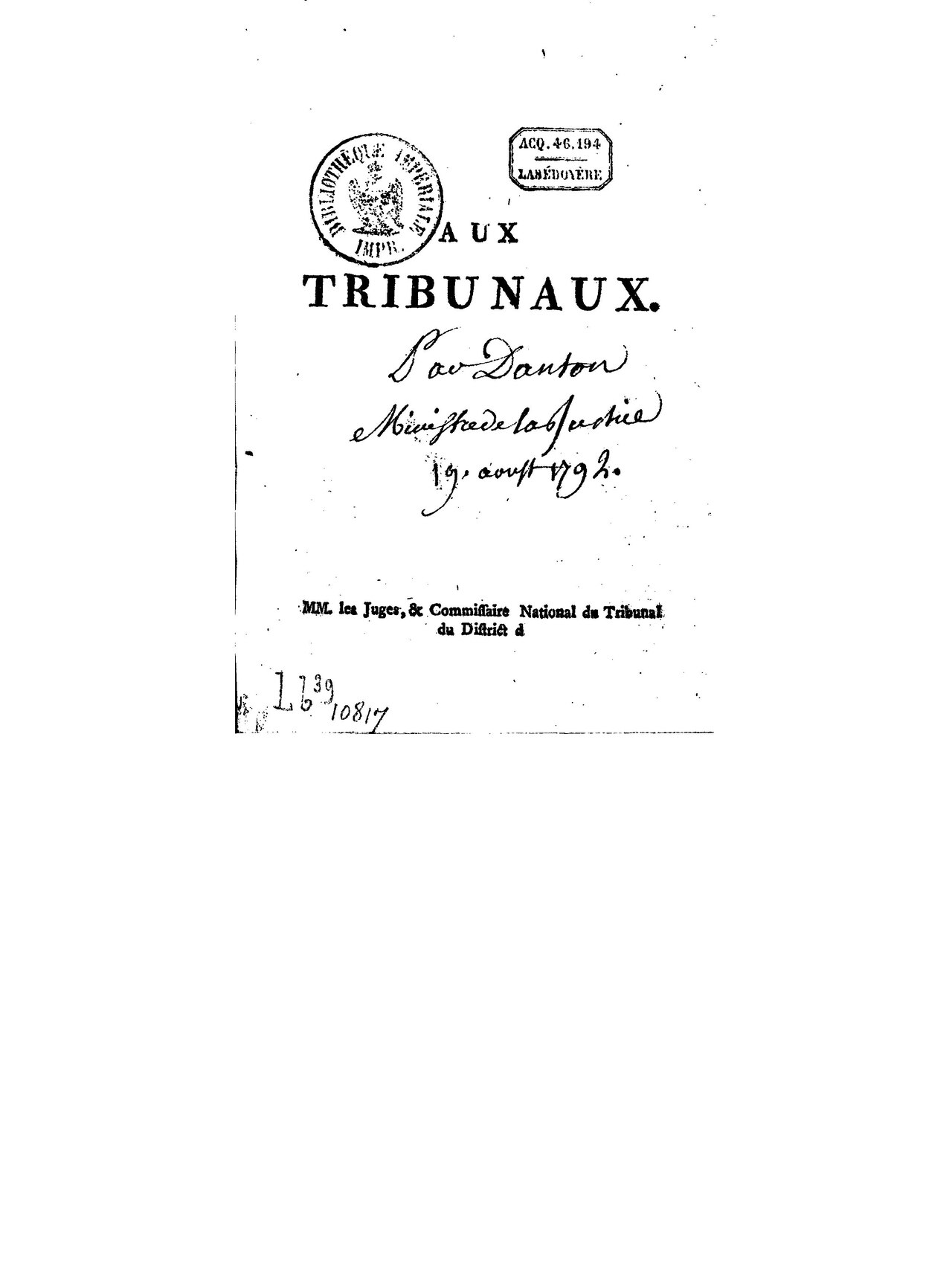
Aux tribunaux
Georges Danton · 19 August 1792
 Document
Primary source
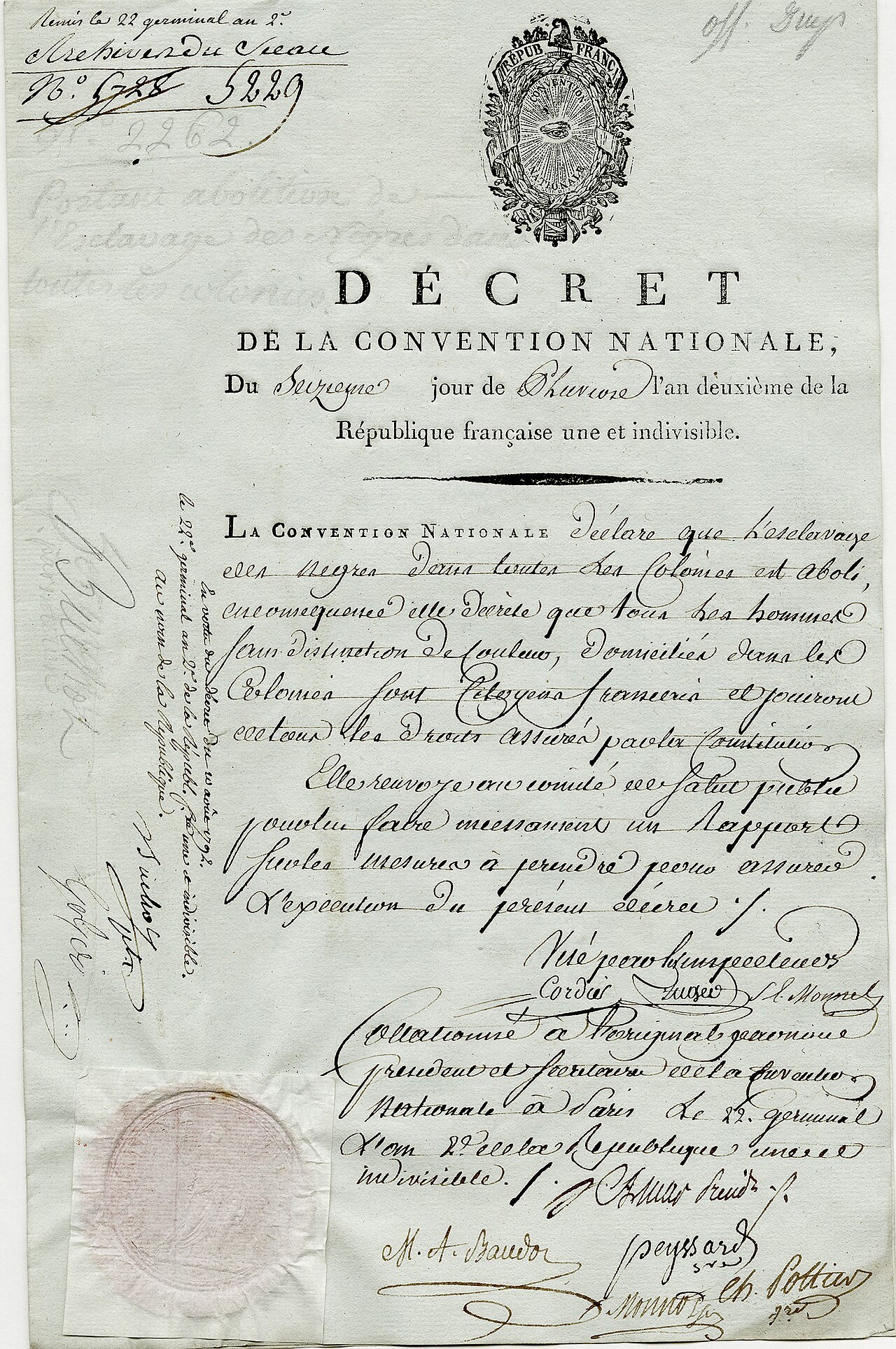
Law of 4 February 1794
National Convention · 4 February 1794
Ready when you are
Start chatting with Georges Danton now.
20 messages free · No credit card · Available in 50+ languages.