


Primary sourceDocument8 February 1887
Dawes Act
Henry Dawes · 8 February 1887
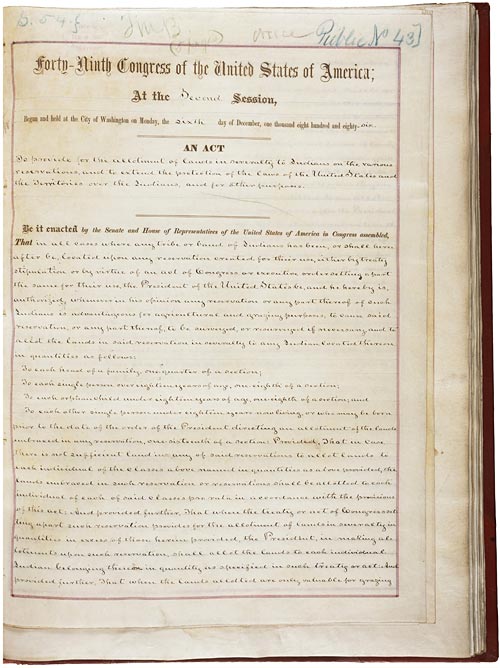
The 1887 U.S. law that broke up reservation lands into individual allotments, part of the policy that dismantled the Great Sioux Reservation in Sitting Bull's last years.
This 1887 law and the land cessions that followed show the policies that broke up the reservation Sitting Bull opposed in his final years.
About this source
What it is
Approved in 1887 and authored by Senator Henry Dawes, this law, also called the General Allotment Act, let the U.S. President divide reservation land held in common by a tribe into individual allotments. The original act is held in the U.S. National Archives.
Why it matters
The law aimed to break up tribal landholding and push Native Americans toward individual farming and assimilation into white culture. It led to the loss of millions of acres of Native land, including further reductions to the Great Sioux Reservation where Sitting Bull lived in his final years, a process he opposed.
Look closer
- Why did lawmakers believe breaking up reservations would help Native Americans, and who actually benefited?
- What does the law's language about farming and property reveal about its goals?
- How might Sitting Bull have experienced the effects of this law on Standing Rock?
This document is part of the curated material that grounds the AI version of Sitting Bull (Tȟatȟáŋka Íyotake) and Rutherford B. Hayes on Humy.ai — when students ask about related events, the AI can quote it and cite it.
More Sitting Bull (Tȟatȟáŋka Íyotake) sources
Meet the AI Sitting Bull (Tȟatȟáŋka Íyotake) →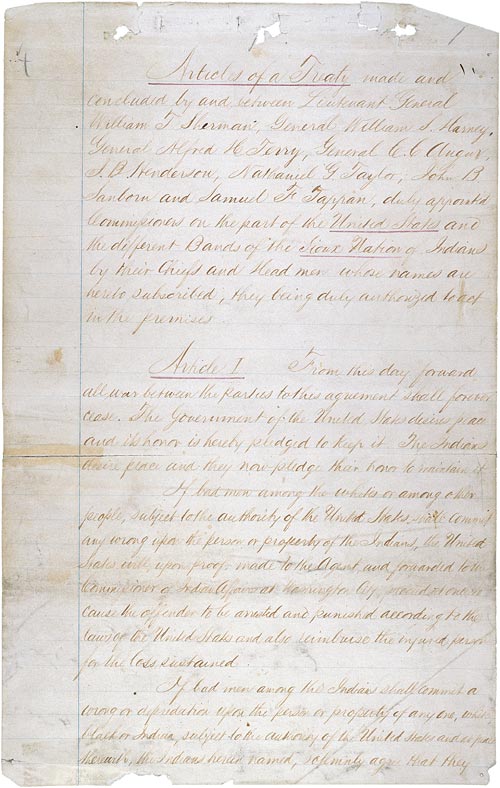 Document
Primary source
Fort Laramie Treaty
29 April 1868
 Photograph
Primary source
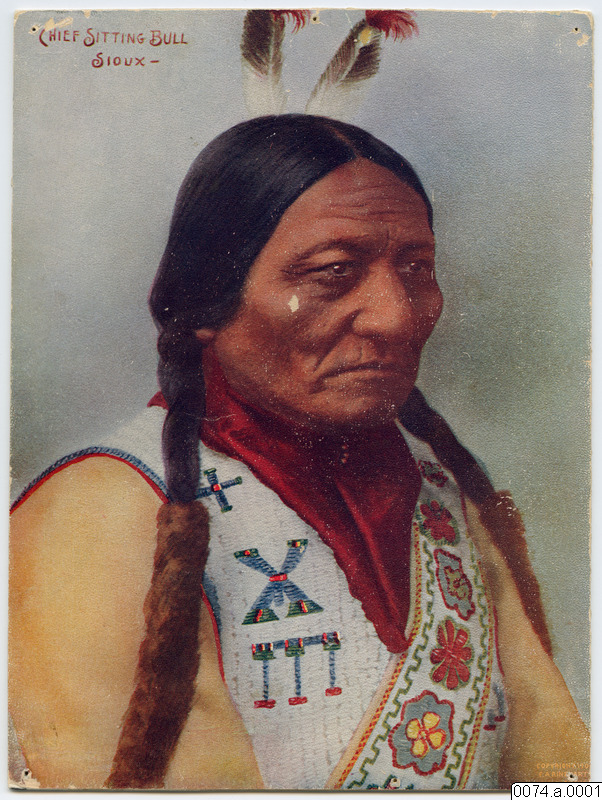
Sitting Bull Portrait by William Notman
William Notman · 1885
 Photograph
Primary source
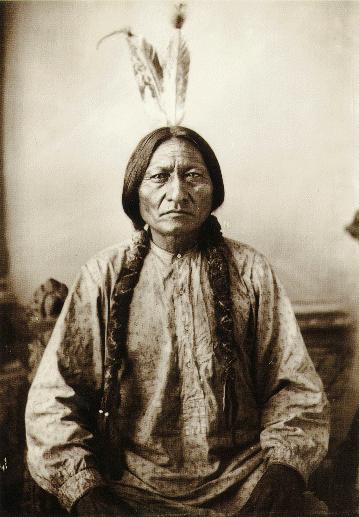
Chief Sitting Bull
David F. Barry · 1884
 Photograph
Primary source
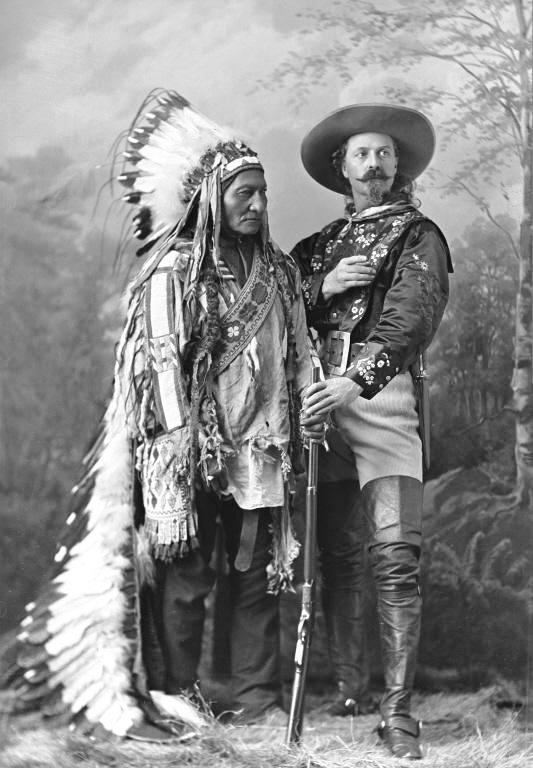
Sitting Bull and Buffalo Bill
Wm. Notman & Son · 1885
 Document
Primary source
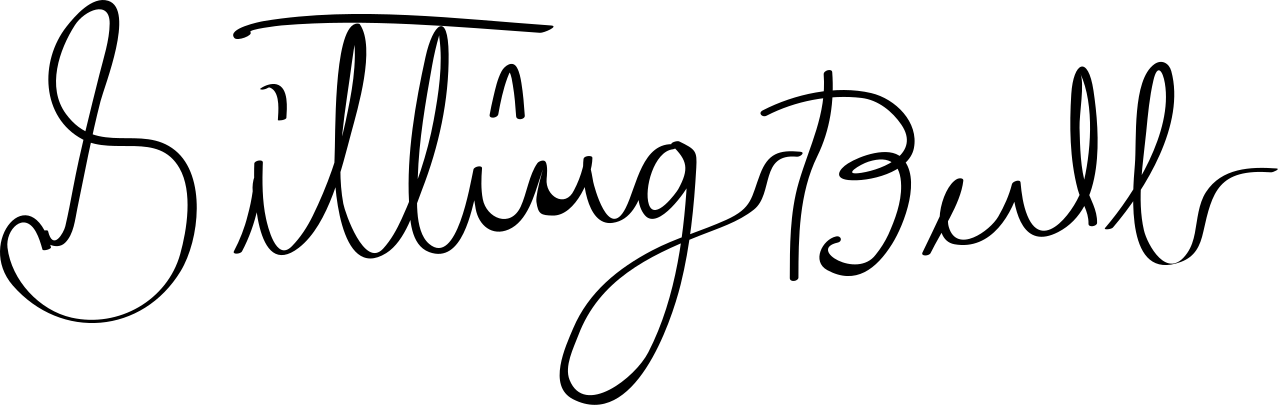
Signature of Sitting Bull
Sitting Bull
Ready when you are
Start chatting with Sitting Bull (Tȟatȟáŋka Íyotake) now.
20 messages free · No credit card · Available in 50+ languages.