


Primary sourceBook1642
De Cive
Thomas Hobbes · 1642
Hobbes's first published political treatise, written in Paris in 1642, laying out ideas on liberty, government and religion.
Hobbes wrote this earlier treatise, which contains the seeds of the arguments he later expanded in Leviathan.
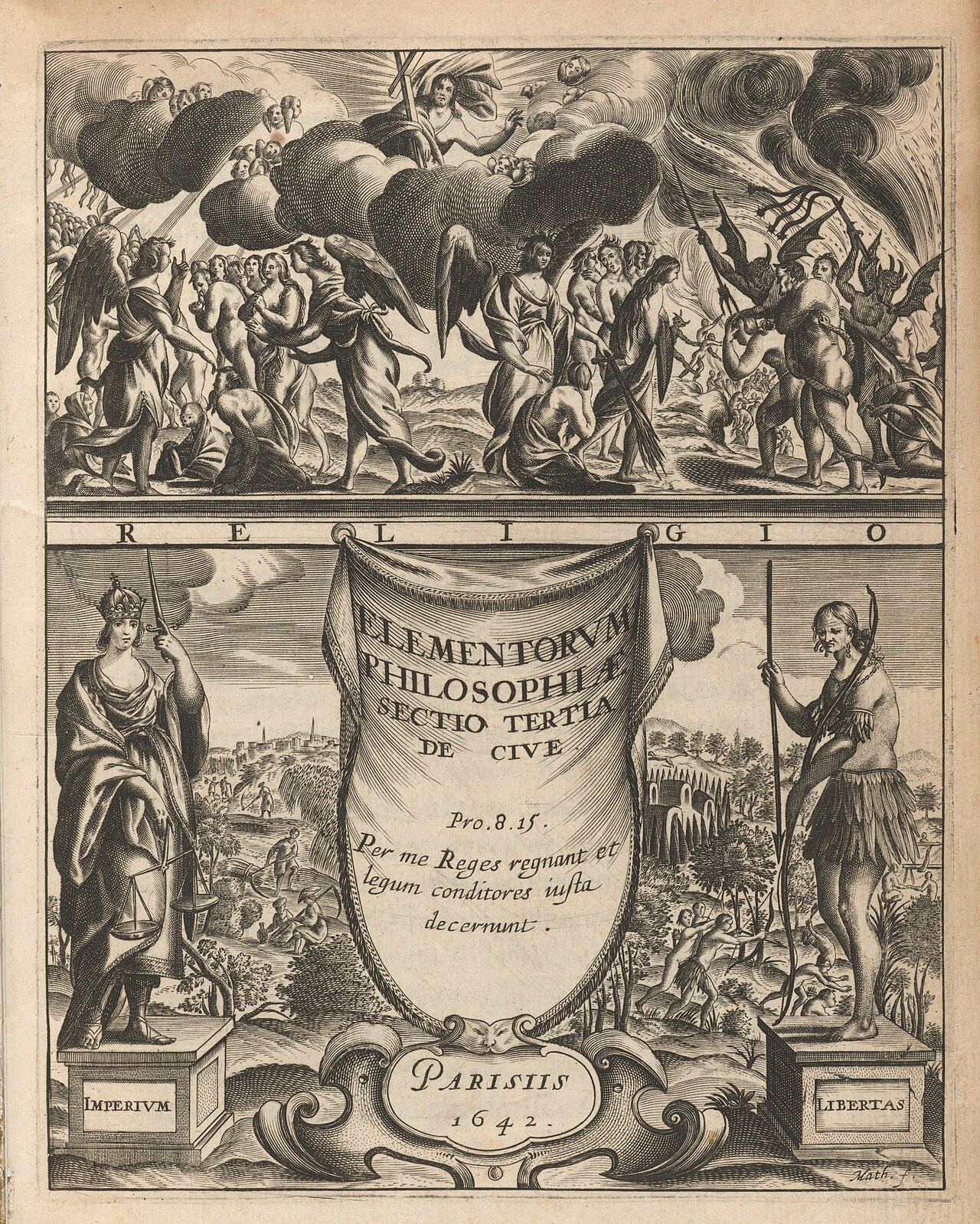
About this source
What it is
De Cive ('On the Citizen') is a political treatise written in Latin by Thomas Hobbes, first published in Paris in 1642 and revised in 1647. It is divided into three parts: Liberty, Dominion, and Religion. An English translation appeared in 1651.
Why it matters
Written just before the English Civil War, De Cive contains the phrase 'war of all against all', an idea Hobbes developed further in his later and more famous work, Leviathan. It shows that his core political arguments were already formed before the war began, during his exile in Paris.
Look closer
- What does the frontispiece's imagery of Liberty, Dominion and Religion suggest about the book's structure?
- Why might Hobbes have written this work in Latin rather than English?
- How does comparing this book to Leviathan help us see how Hobbes's ideas developed over time?
This book is part of the curated material that grounds the AI version of Thomas Hobbes on Humy.ai — when students ask about related events, the AI can quote it and cite it.
More Thomas Hobbes sources
Meet the AI Thomas Hobbes →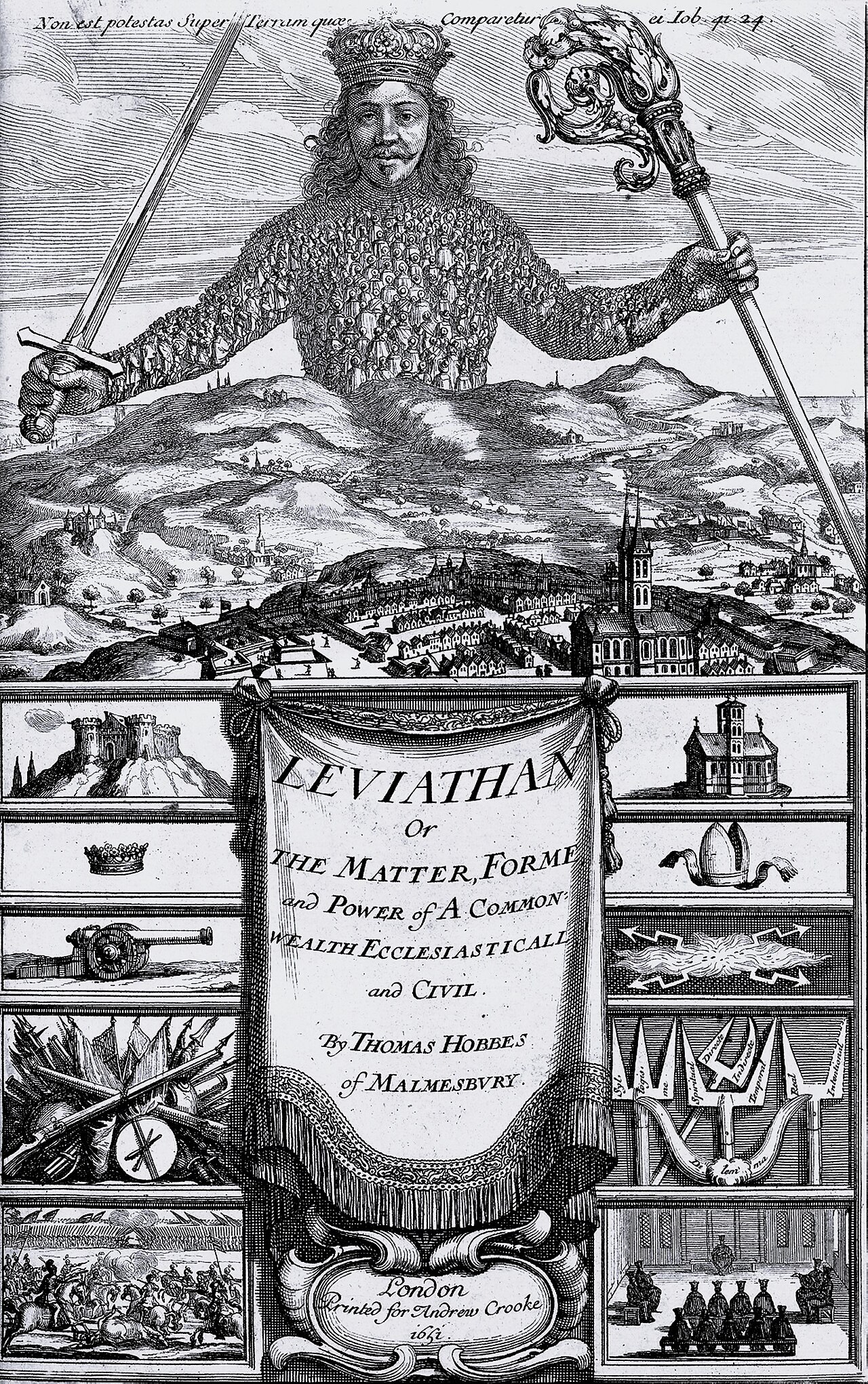 Book
Primary source
Leviathan
Thomas Hobbes · 1651
 Painting
Secondary source
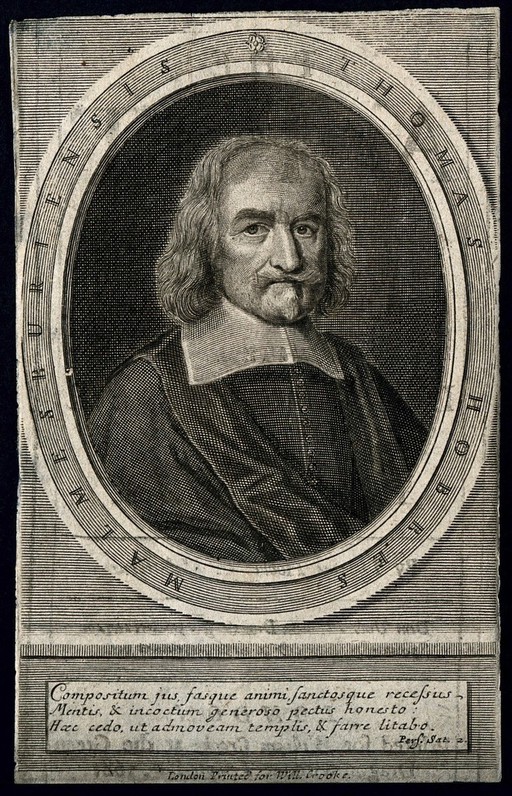
Portrait of Thomas Hobbes, Line Engraving
Primary source
The Elements of Law
Thomas Hobbes · 1640
 Artifact
Secondary source
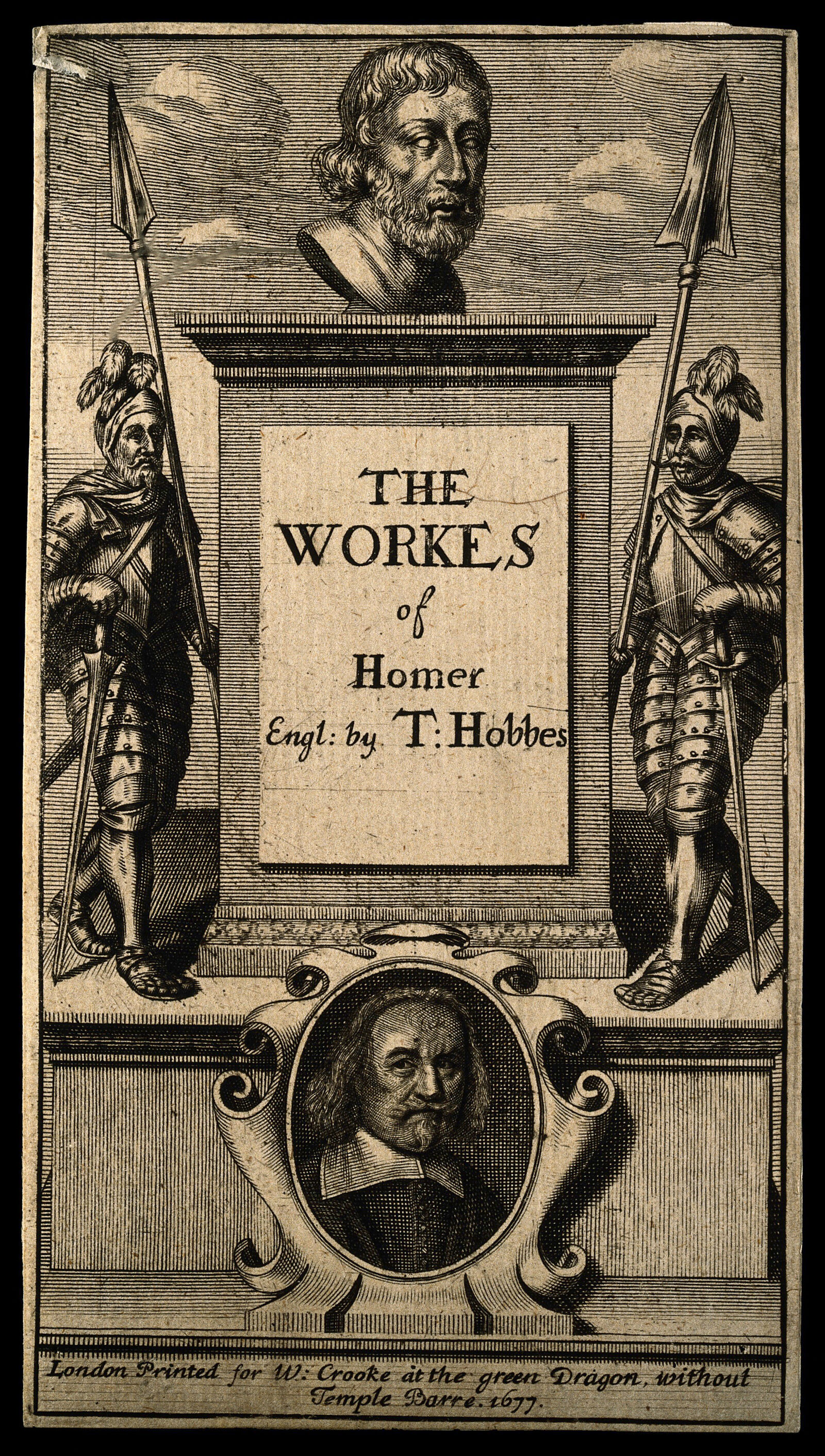
Title Page of The Workes of Homer, Translated by Thomas Hobbes
1677
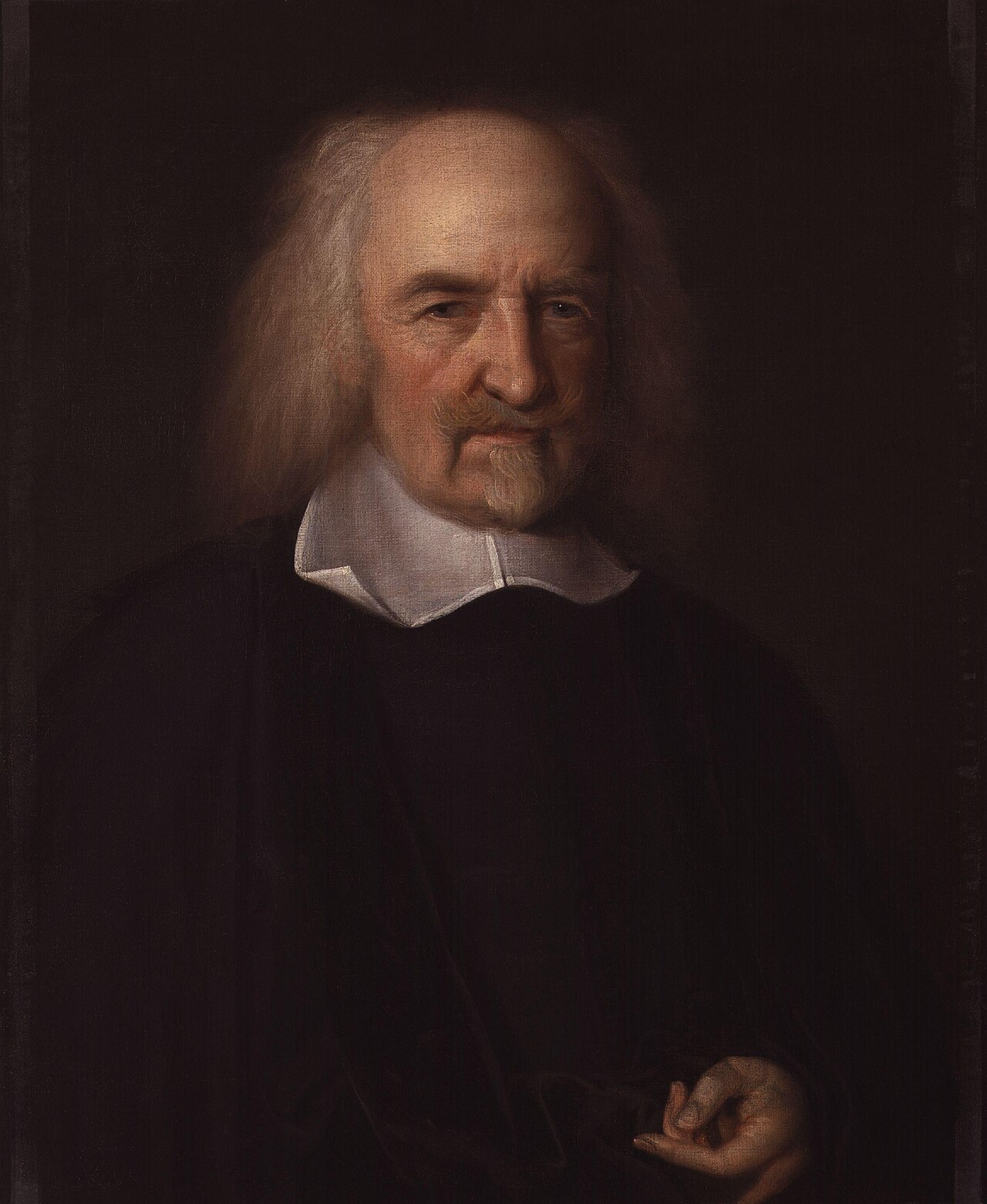 Painting
Primary source
Thomas Hobbes
John Michael Wright · 1650
Ready when you are
Start chatting with Thomas Hobbes now.
20 messages free · No credit card · Available in 50+ languages.