


Primary sourcePainting1826
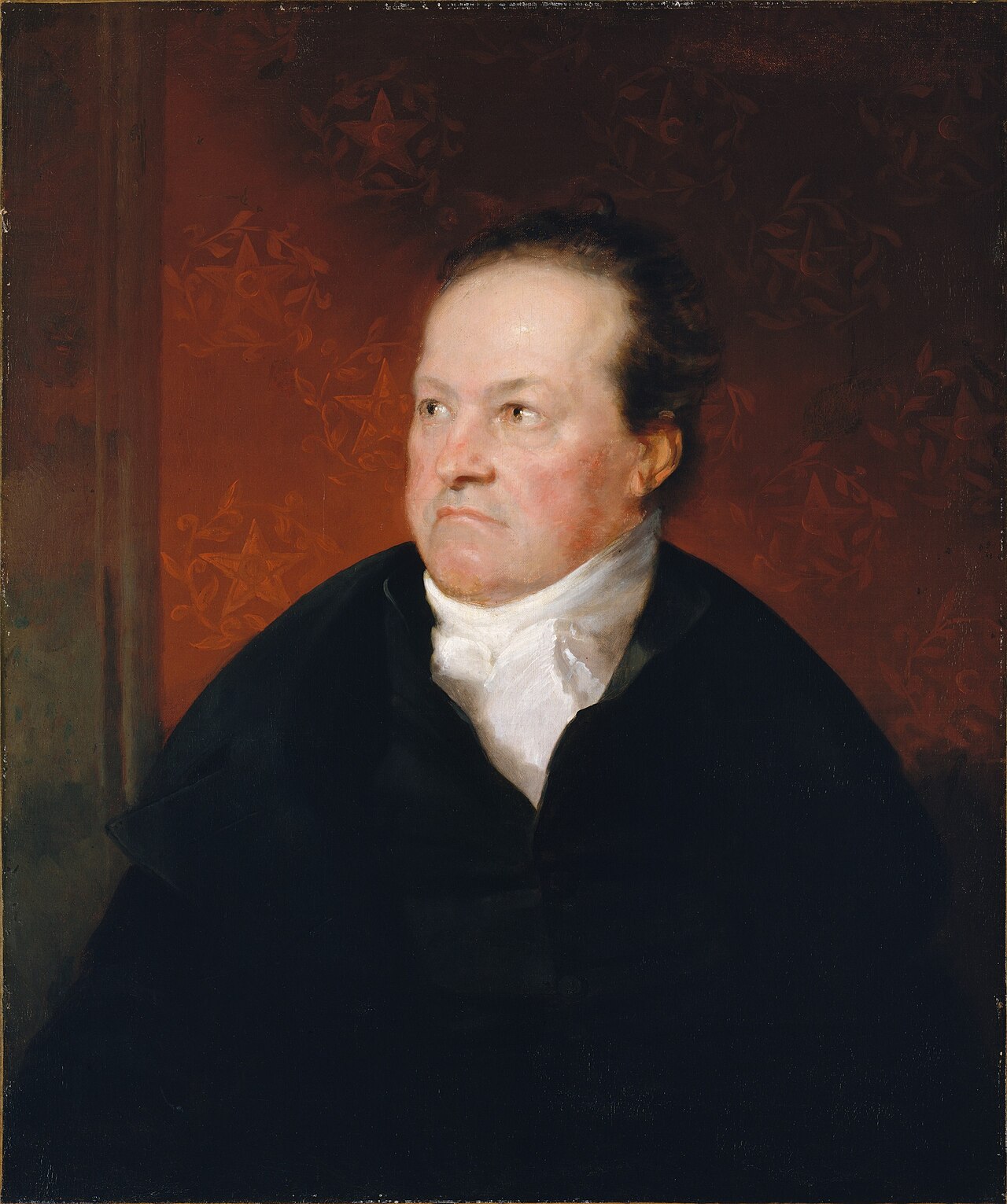
De Witt Clinton
Samuel Finley Breese Morse · 1826
An 1826 portrait by Samuel Morse of New York governor De Witt Clinton, showing Morse's standing among the state's political elite.
Painted by Morse, this portrait reflects his career as a portraitist among New York's elite before his telegraph work.
About this source
What it is
This oil portrait of De Witt Clinton, governor of New York associated with the Erie Canal, was painted in 1826 by Samuel Finley Breese Morse. It is held by the Metropolitan Museum of Art.
Why it matters
Before Morse became known for the telegraph, he was a professional portrait painter who worked among New York's political and social elite. This portrait shows his skill at capturing prominent public figures and his connections to the state's leadership.
Look closer
- What does the formal pose and dark clothing suggest about Clinton's status?
- Why might a painter want to portray a powerful political figure like Clinton?
- What is left out of a portrait like this that a photograph might capture differently?
This painting is part of the curated material that grounds the AI version of Samuel Morse and DeWitt Clinton on Humy.ai — when students ask about related events, the AI can quote it and cite it.
More Samuel Morse sources
Meet the AI Samuel Morse → Document
Primary source
Paper Tape of 'What Hath God Wrought'
Samuel F. B. Morse · 24 May 1844
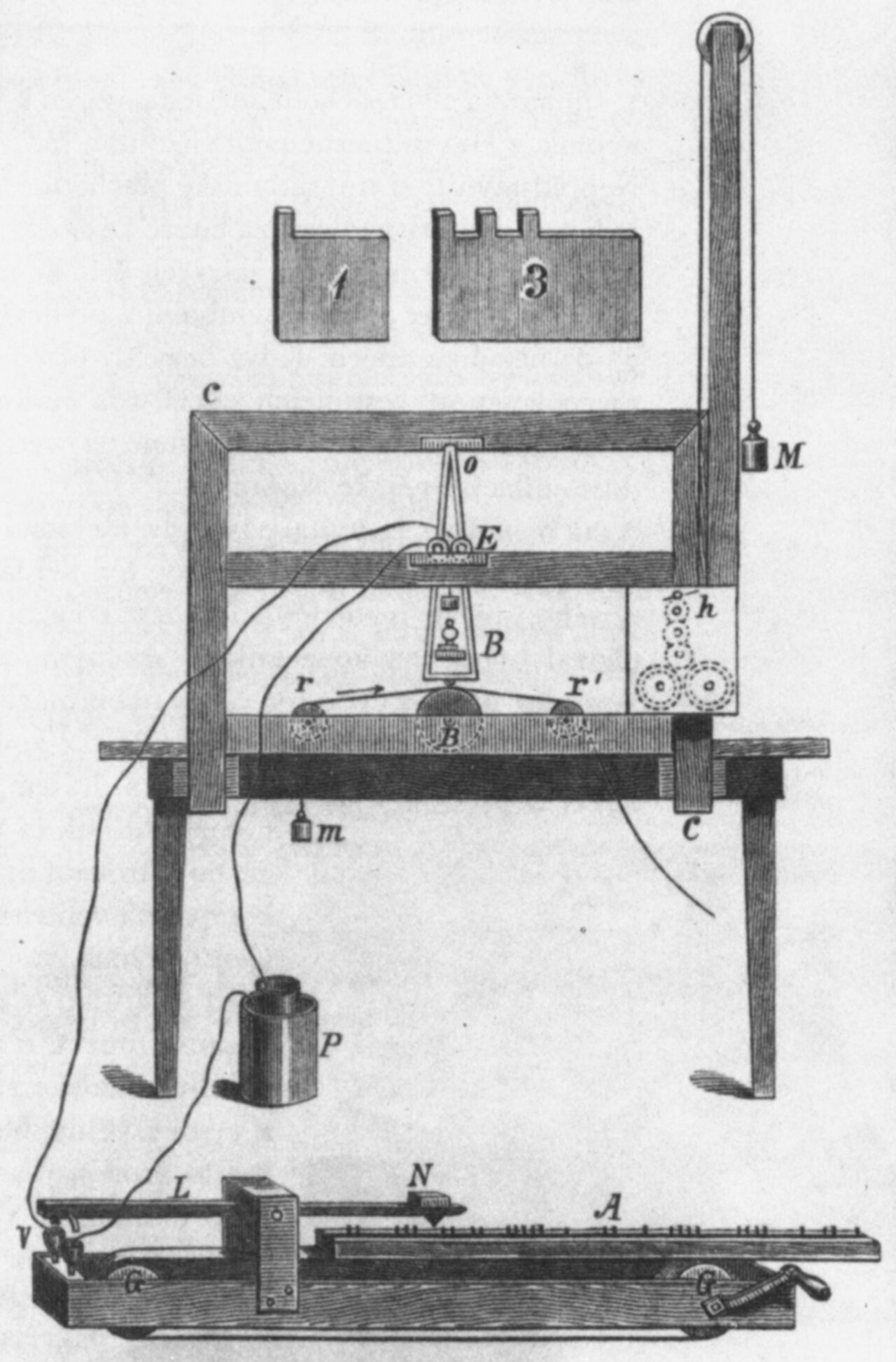 Artifact
Primary source
Morse's Original Telegraph
Samuel F. B. Morse
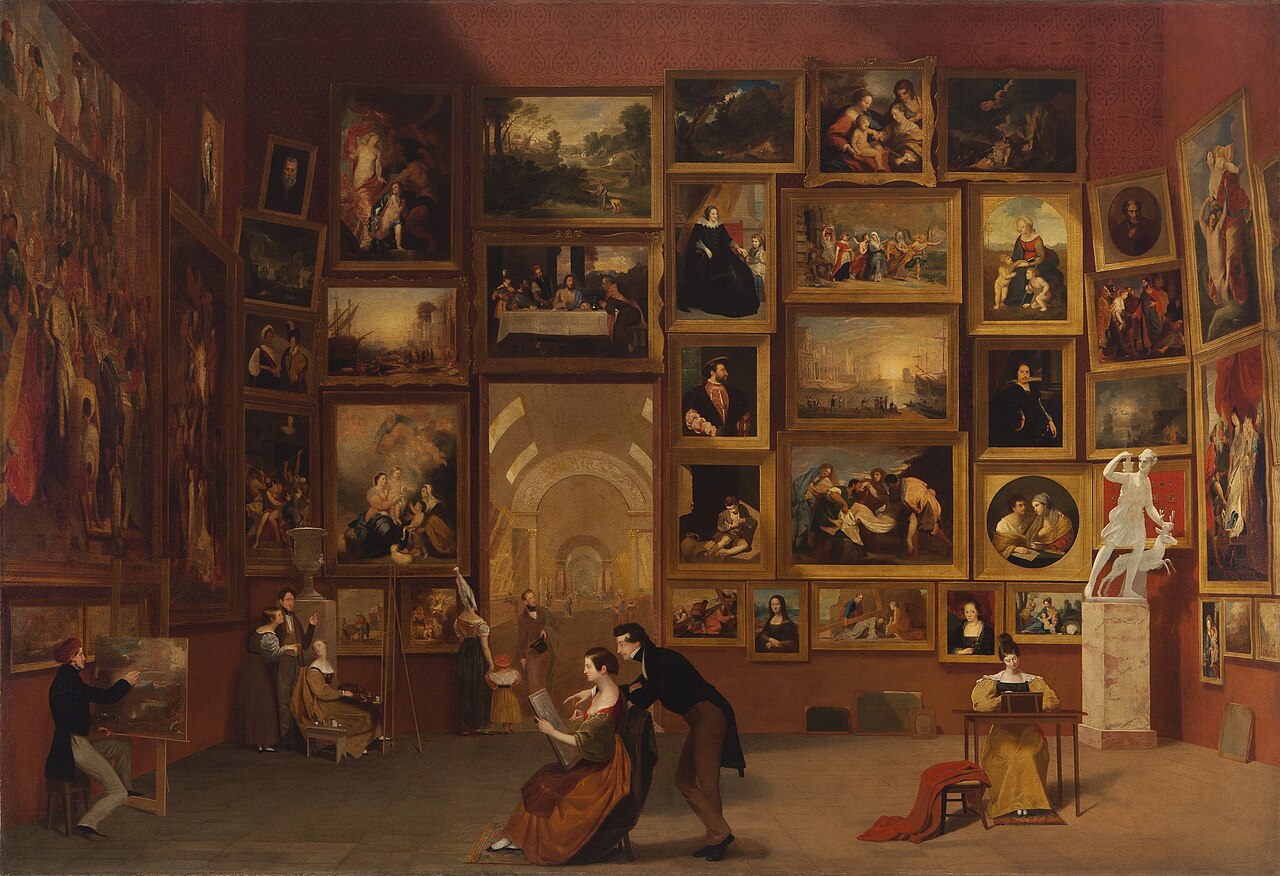 Painting
Primary source
Gallery of the Louvre
Samuel Finley Breese Morse · 1833
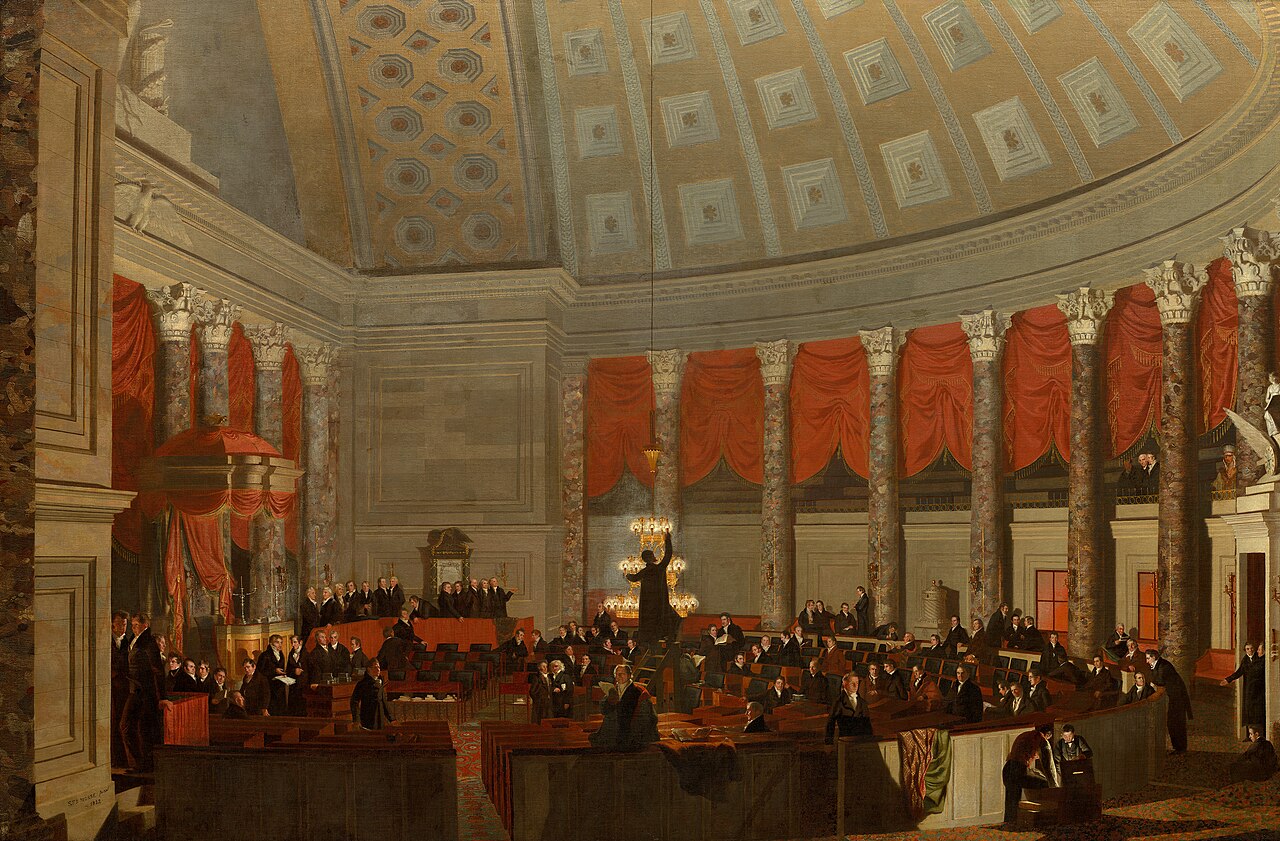 Painting
Primary source
The House of Representatives
Samuel Finley Breese Morse · 1822
 Photograph
Secondary source
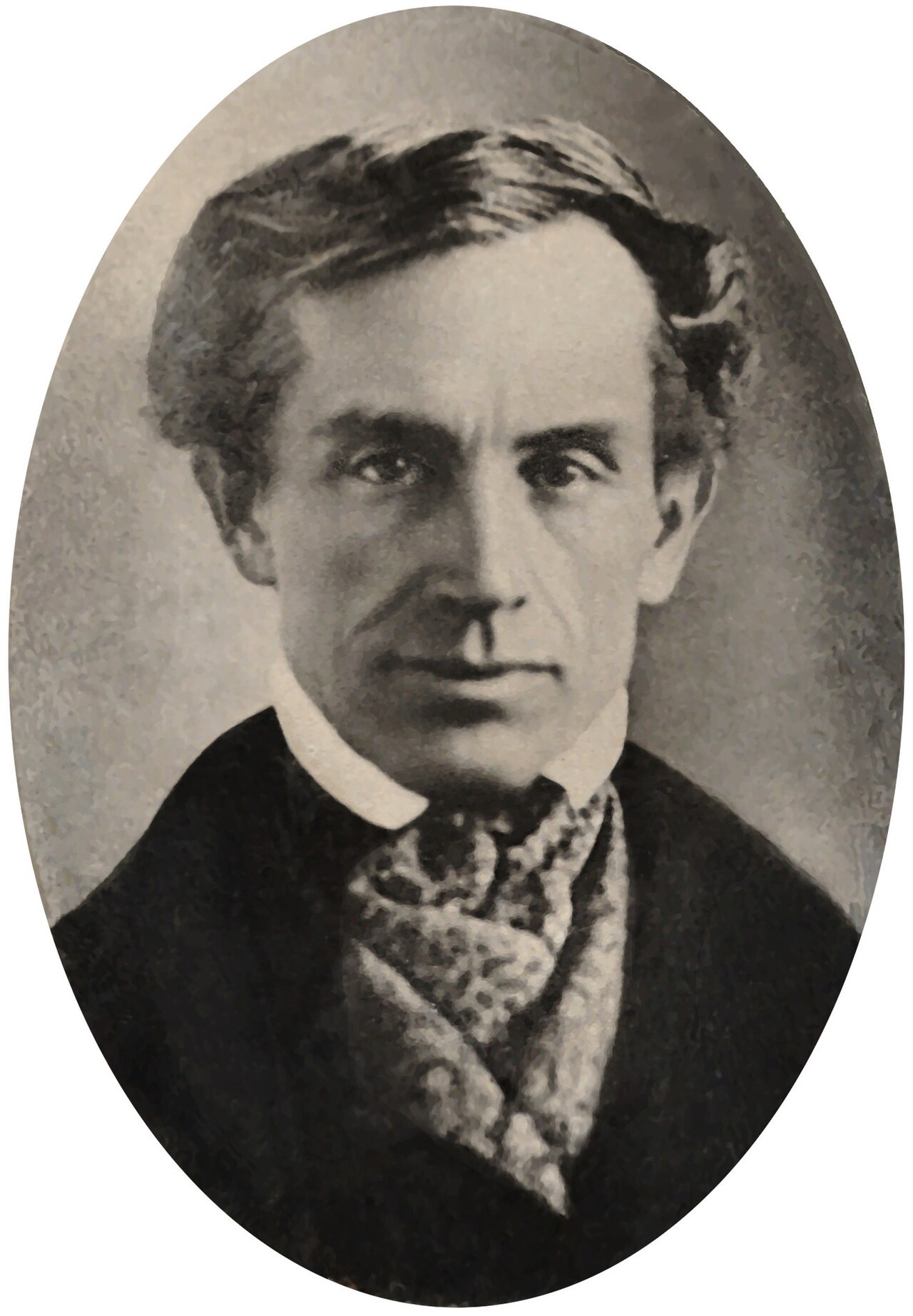
Portrait Photograph of Samuel Morse
Unidentified photographer · c. 1840-1850
Ready when you are
Start chatting with Samuel Morse now.
20 messages free · No credit card · Available in 50+ languages.