


Primary sourceBook1609 (published 1633)
Death Be Not Proud
John Donne · 1609 (published 1633)
A sonnet by John Donne defying the power of death, written around 1609 and part of his Holy Sonnets sequence.
This is one of Donne's own Holy Sonnets, showing his poetic voice confronting death.
Free Humy account · No credit card · 53,307 sources to read
About this source
What it is
This poem, also called Holy Sonnet X, was written by John Donne between February and August 1609. It is one of nineteen poems in his Holy Sonnets, though it was not published until 1633, after his death.
Why it matters
The poem argues that Death has no real power, since it is merely a servant of fate, chance, and disease, and predicts that Death itself will one day end. It shows Donne's skill with paradox and his deep engagement with Christian ideas about mortality, written at a time of personal hardship in his life.
Look closer
- Why does the poet address Death directly as if it were a person?
- What does the final line, 'death, thou shalt die,' suggest about the poem's argument?
- How might Donne's own circumstances at the time have shaped this poem?
This book is part of the curated material that grounds the AI version of John Donne on Humy.ai — when students ask about related events, the AI can quote it and cite it.
More John Donne sources
Browse all 87 →Primary source
Poems
John Donne · 1633
 Book
Primary source
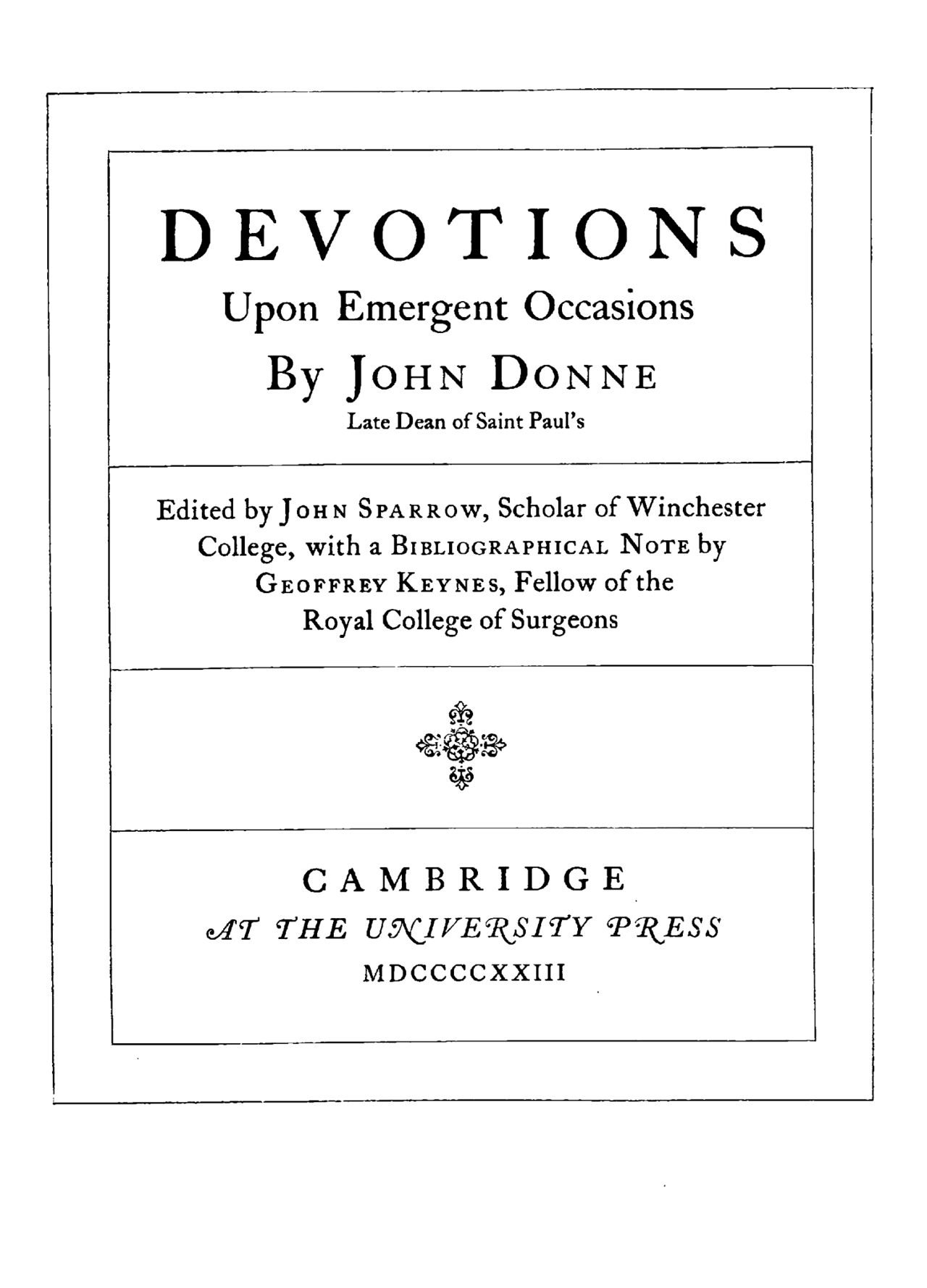
Devotions upon Emergent Occasions
John Donne · 1624
 Book
Primary source
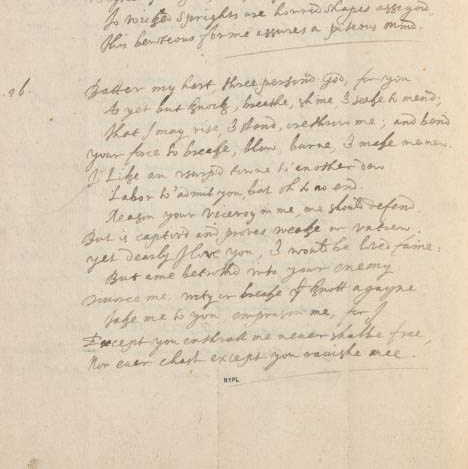
Holy Sonnets
John Donne · c. 1609-1620 (published 1633)
 Book
Primary source
The Sun Rising
John Donne · c. 1600s, published 1633
Free account
Browse every John Donne source
Sign up free →
Ready when you are
Start chatting with John Donne now.
20 messages free · No credit card · Available in 50+ languages.