


Primary sourceArtifact1718
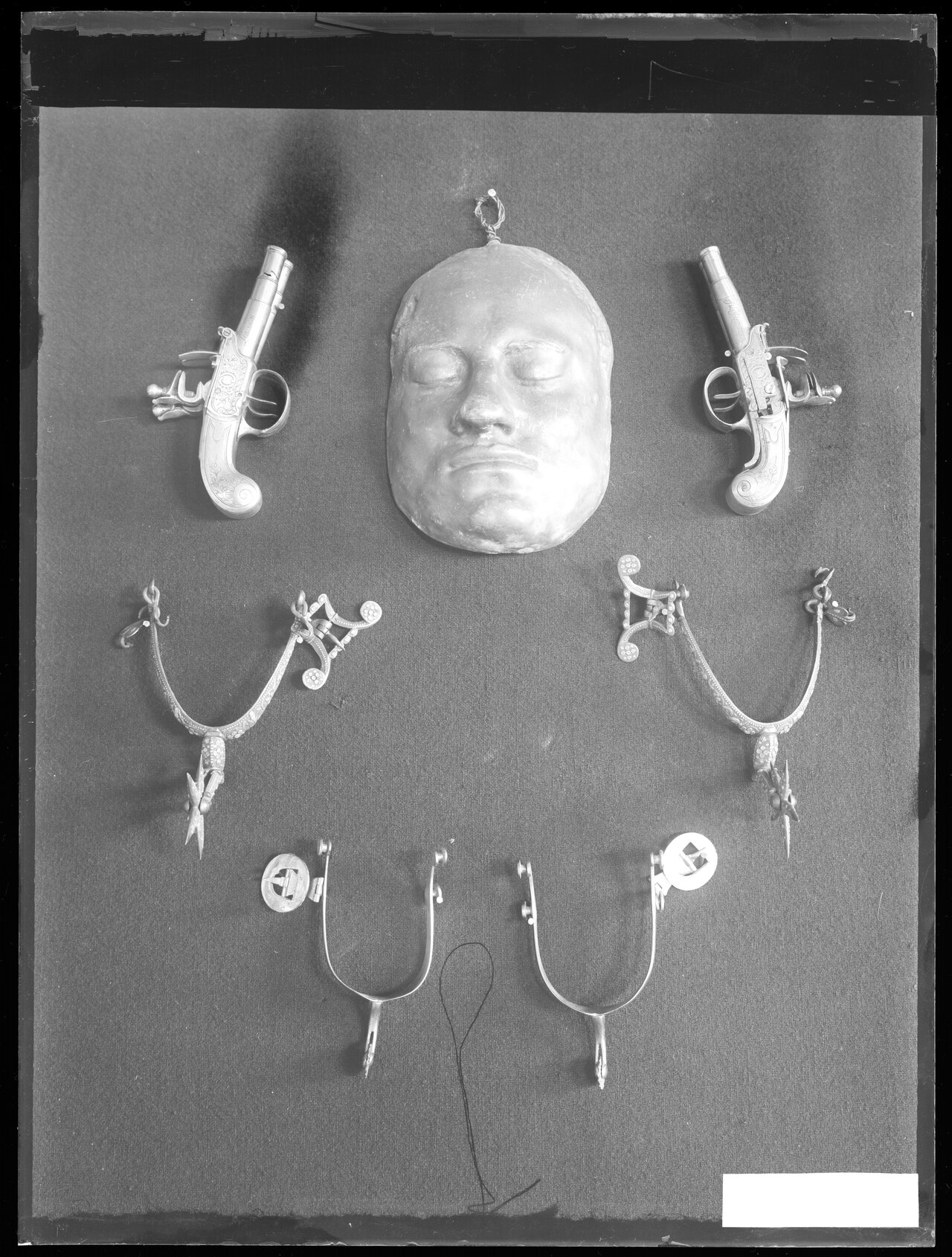
Death Mask of Carl XII
1718
A plaster death mask taken in 1718 that preserves the actual face of Carl XII, including the wound that killed him.
This death mask was cast directly from Carl XII's face after his death in 1718, preserving the fatal head wound.
About this source
What it is
This is a plaster death mask of Carl XII, made in 1718 after his death. It is held together with pistols and spurs associated with the king, as part of a museum display.
Why it matters
Unlike a painted portrait, a death mask is a direct physical cast taken from the king's own face, making it unusually close evidence of what he actually looked like and of the wound that killed him. It is a stark object connected to the end of his reign and of Sweden's era as a great power.
Look closer
- Why would someone bother to make a death mask instead of relying on paintings?
- What can a death mask tell us that a portrait cannot, and what can it not tell us?
- Why might this object be displayed alongside weapons and spurs rather than alone?
This artifact is part of the curated material that grounds the AI version of Charles XII of Sweden on Humy.ai — when students ask about related events, the AI can quote it and cite it.
More Charles XII of Sweden sources
Browse all 89 →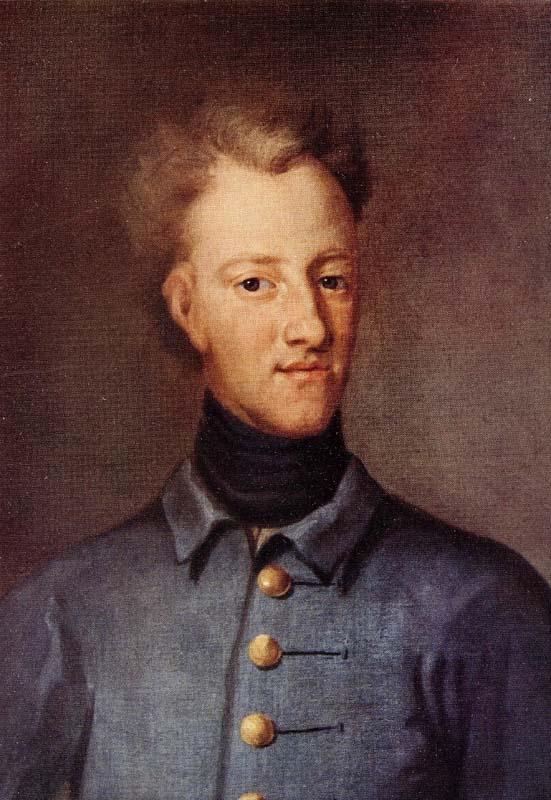 Painting
Primary source
Portrait of Carl XII of Sweden
David von Krafft (attributed tradition) · 1706
 Painting
Secondary source
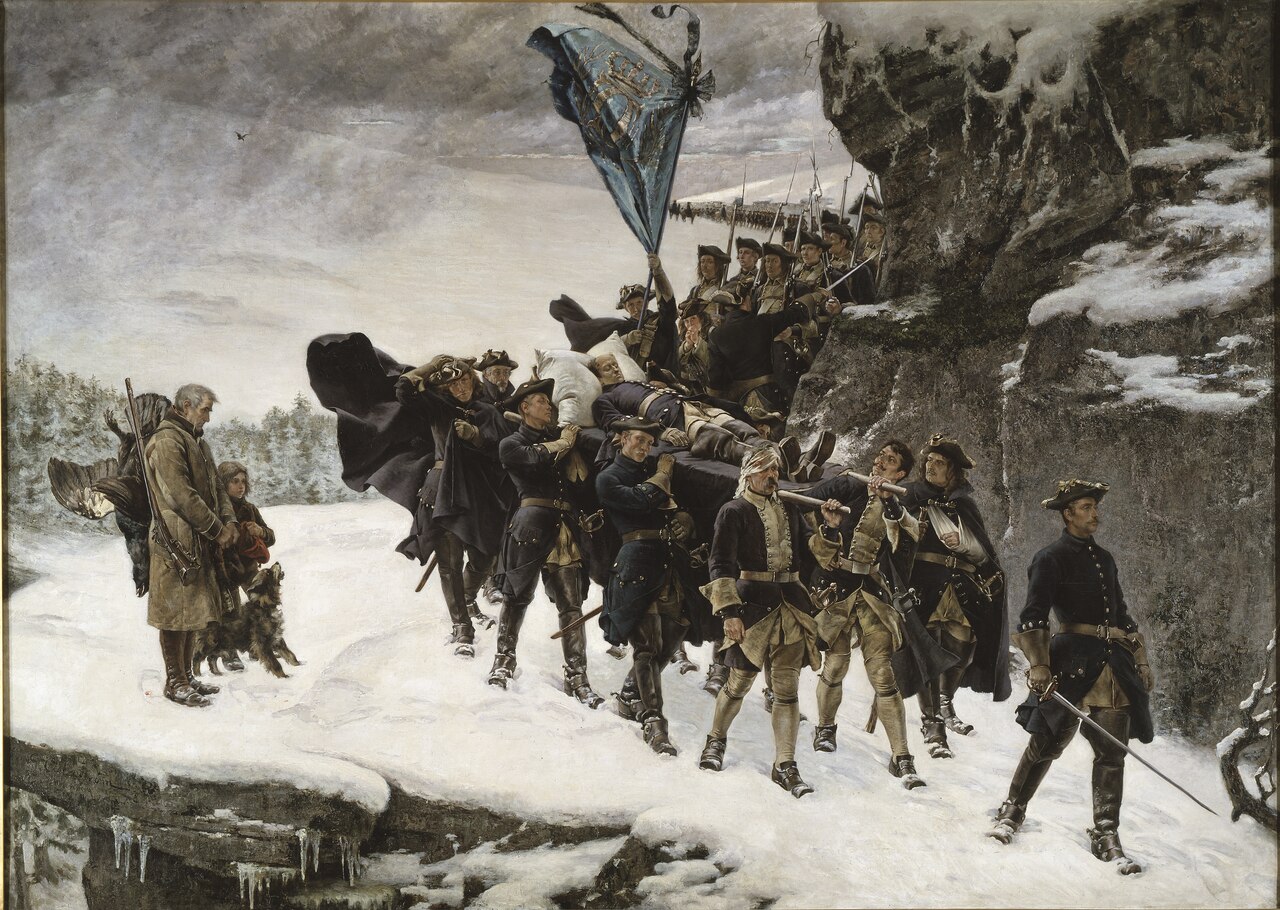
Bringing Home the Body of King Charles XII of Sweden
Gustaf Cederström · 1884
 Painting
Primary source
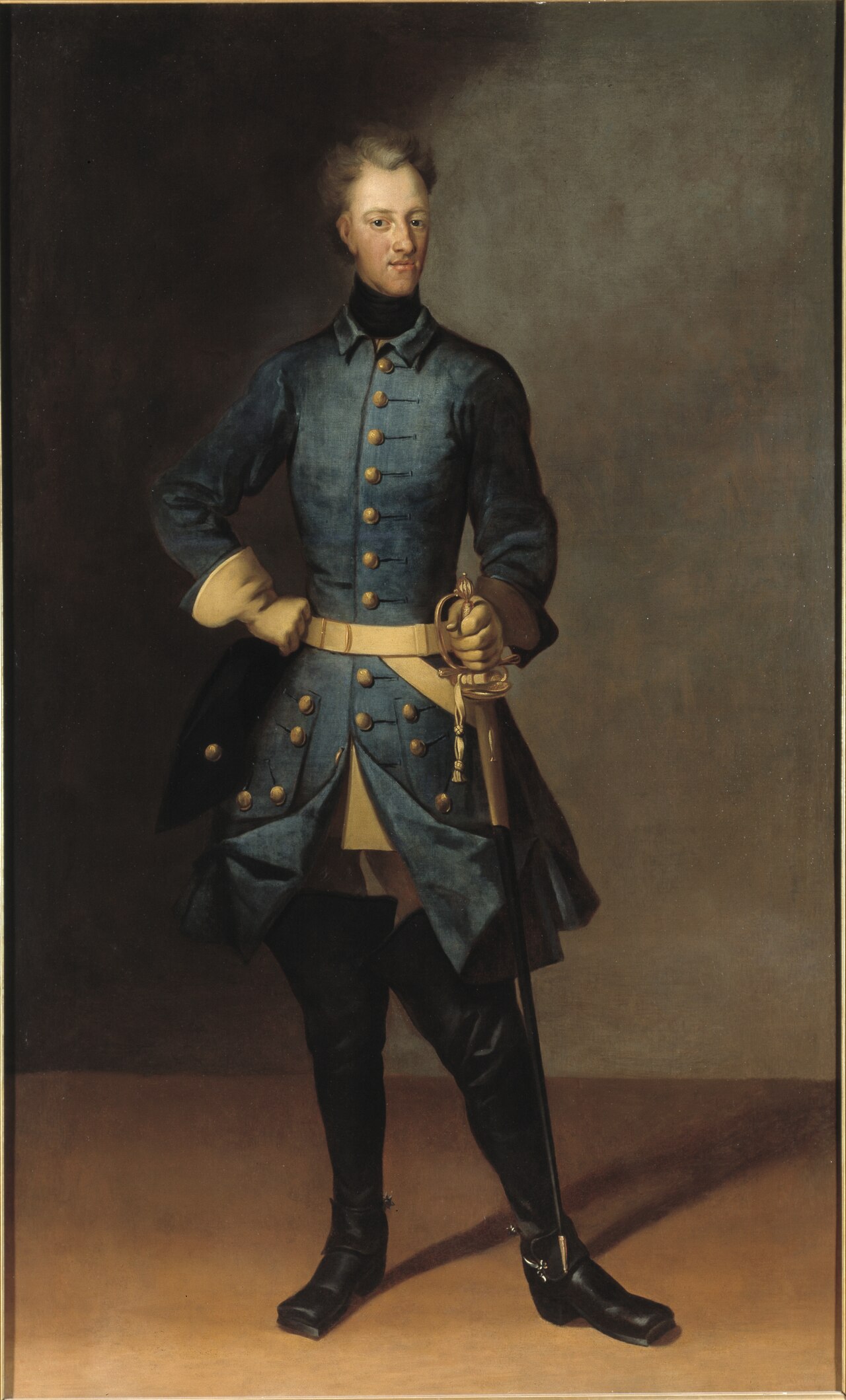
King Karl XII of Sweden
David von Krafft · 1707
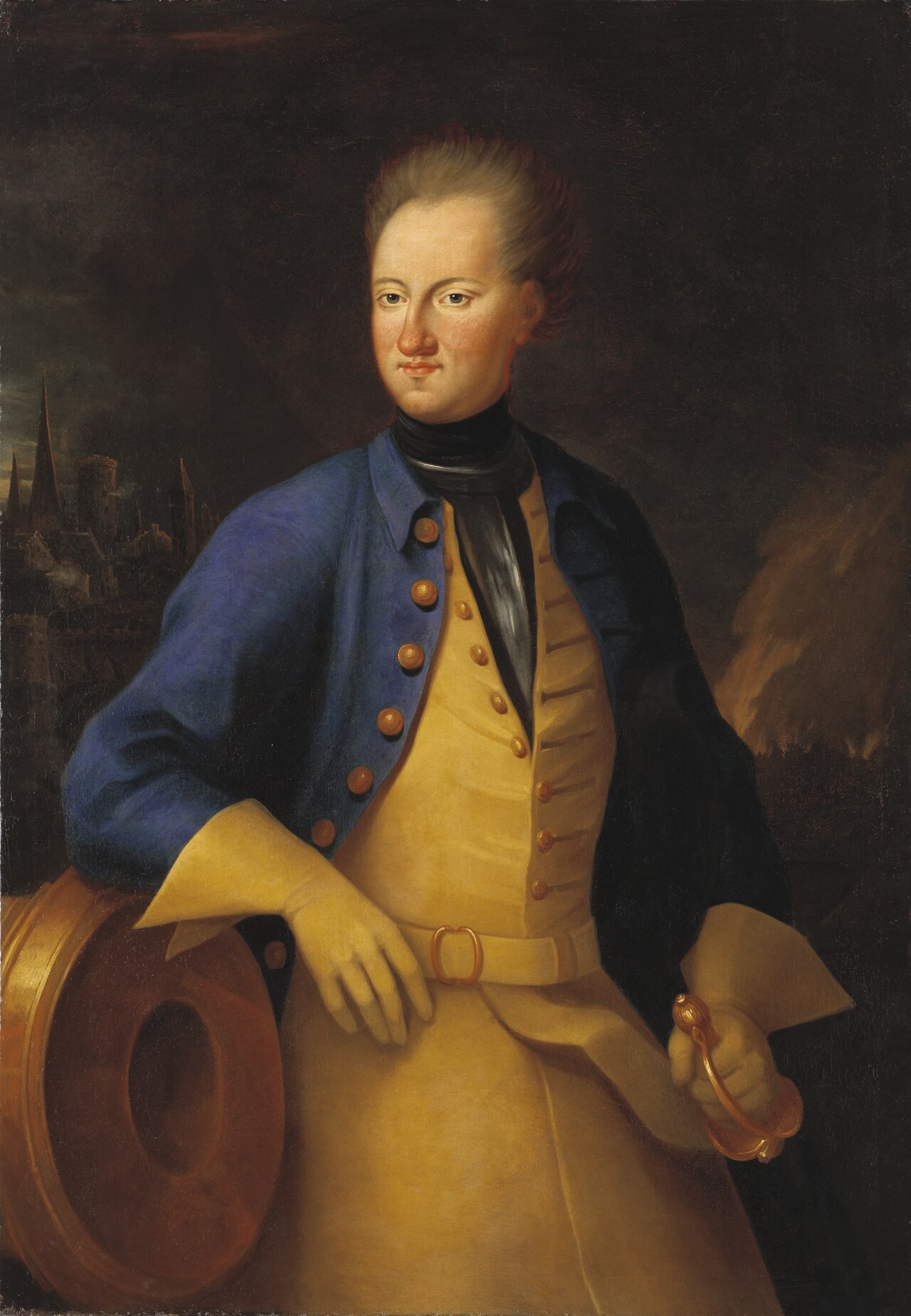 Painting
Primary source
Portrait of Karl den XII
Axel Sparre · 1715
Free account
Read every Charles XII of Sweden source
Sign up free →
Ready when you are
Start chatting with Charles XII of Sweden now.
20 messages free · No credit card · Available in 50+ languages.