


Primary sourceSculpture1900
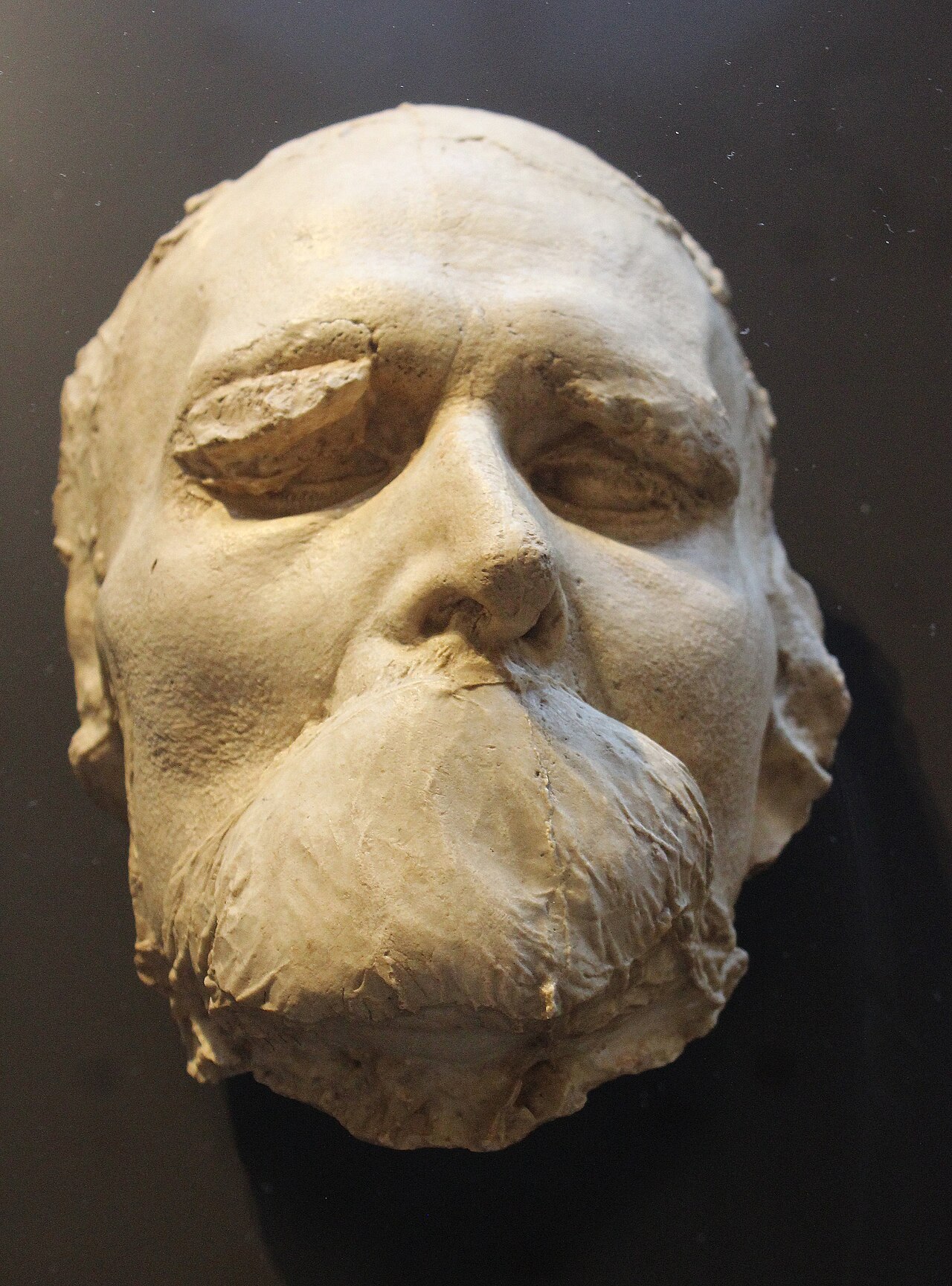
Death Mask of Friedrich Nietzsche
Curt Stoeving · 1900
A plaster death mask taken from Nietzsche's face shortly after his death in 1900, the final physical record of his features.
The final physical record of Nietzsche's face, cast from his body shortly after his death in 1900.
About this source
What it is
A plaster death mask made in Weimar in August 1900 by Curt Stoeving, cast from Friedrich Nietzsche's face after his death. It is held by the Klassik Stiftung Weimar.
Why it matters
Death masks were a traditional way of preserving the exact features of a notable person before photography and painting could no longer capture them. This mask is the last direct physical record of Nietzsche's face, made by the same artist who had painted his portrait in 1894.
Look closer
- Why did people make death masks, and what purpose did they serve before photography was common?
- What can and cannot a death mask tell us about a person's life?
- How does seeing this object differ from seeing a photograph or painting of the same person?
This sculpture is part of the curated material that grounds the AI version of Friedrich Nietzsche on Humy.ai — when students ask about related events, the AI can quote it and cite it.
More Friedrich Nietzsche sources
Meet the AI Friedrich Nietzsche →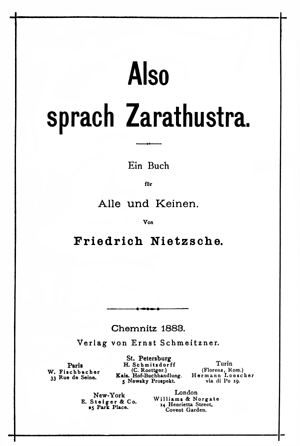 Book
Primary source
Thus Spoke Zarathustra
Friedrich Nietzsche · 1883-1885
 Book
Primary source
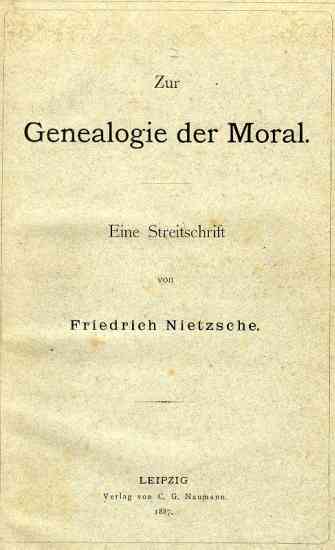
On the Genealogy of Morality
Friedrich Nietzsche · 1887
 Book
Primary source
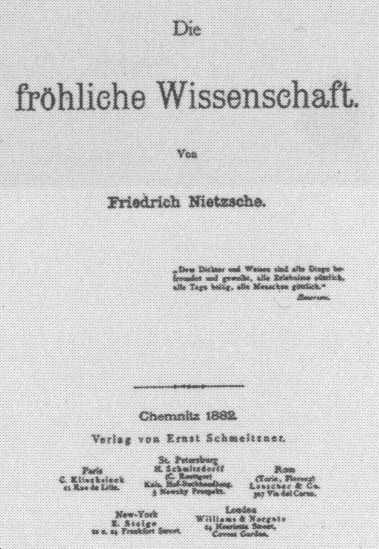
The Gay Science
Friedrich Nietzsche · 1882
 Book
Primary source
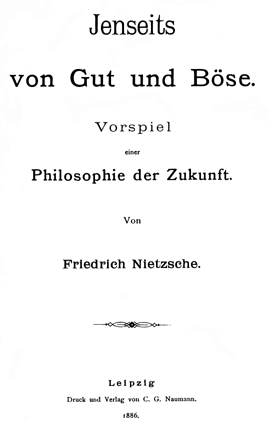
Beyond Good and Evil
Friedrich Nietzsche · 1886
 Book
Primary source
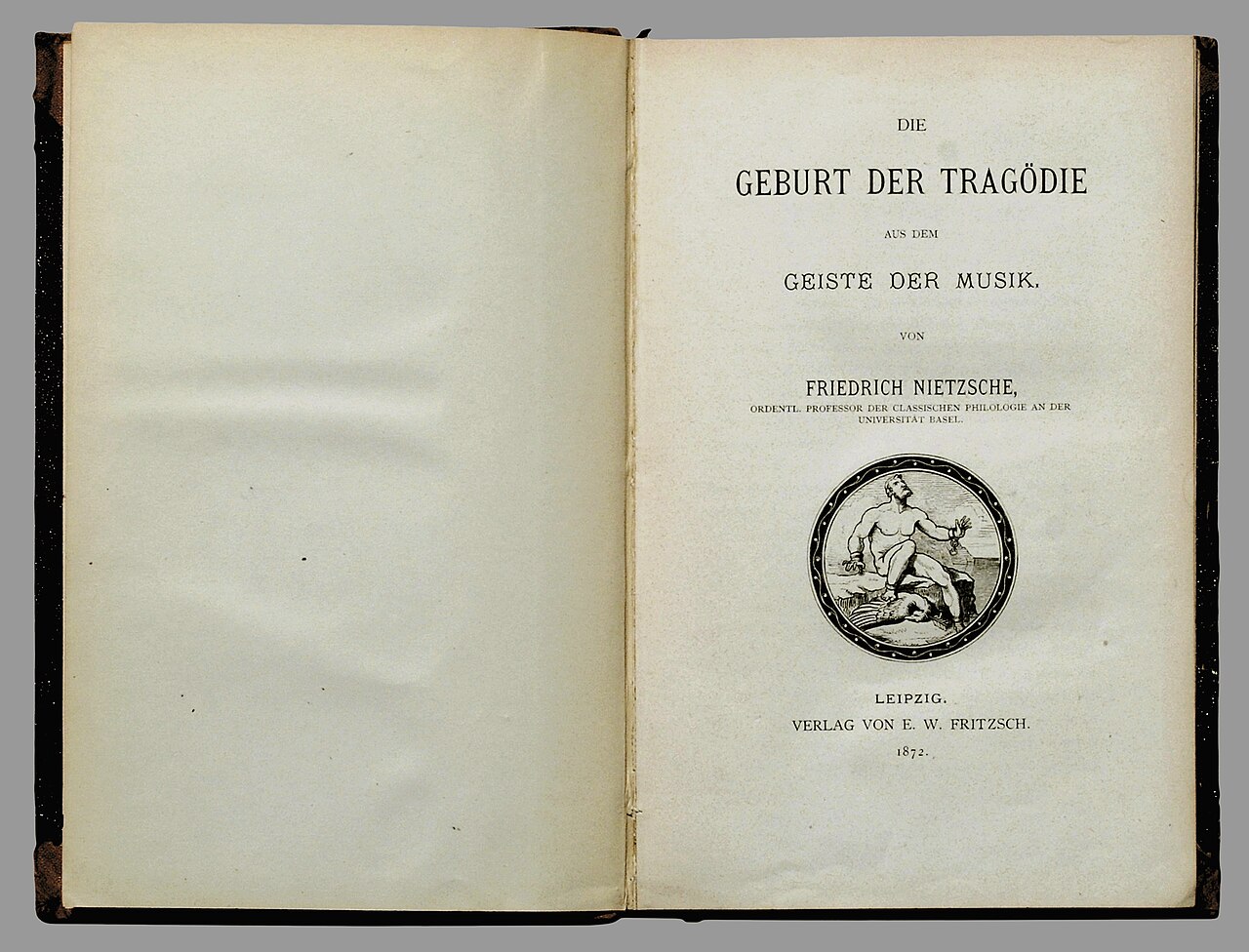
The Birth of Tragedy
Friedrich Nietzsche · 1872
Ready when you are
Start chatting with Friedrich Nietzsche now.
20 messages free · No credit card · Available in 50+ languages.