


Primary sourceArtifact
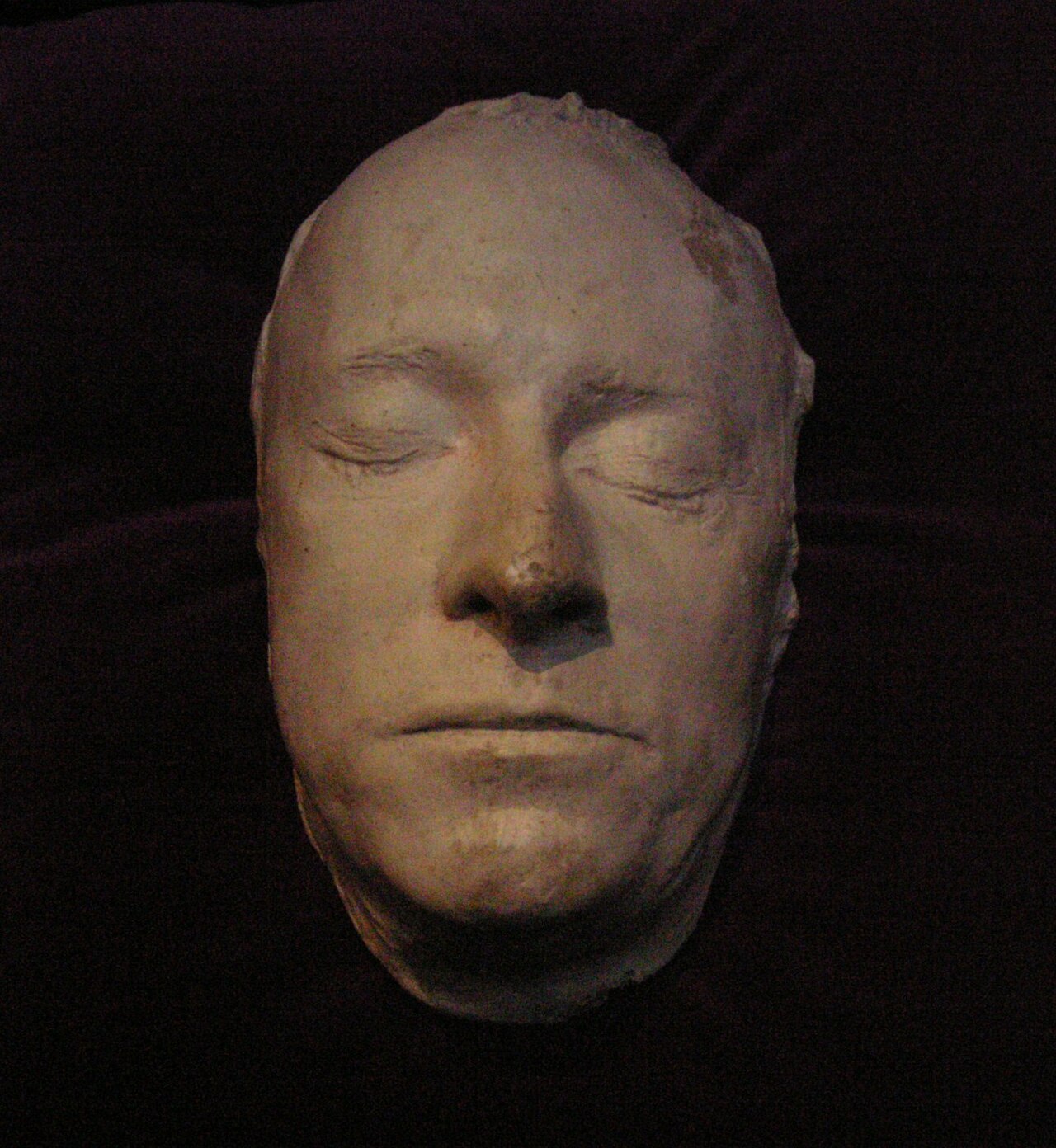
Death Mask of Gustav III
A plaster death mask recording the face of Gustav III after he died from a gunshot wound, displayed today at the Nordiska museet.
This death mask was taken from Gustav III's face after he died of the gunshot wound that ended his reign.
About this source
What it is
This is a plaster death mask of King Gustav III of Sweden, taken after his death, now displayed at the Nordiska museet.
Why it matters
Death masks were used to preserve the exact likeness of a person's face after death, often for sculptors or for public memory. This mask records the king's features at the end of his life, following the wound that killed him, and stands as a direct physical trace of his body rather than an artist's interpretation.
Look closer
- How is a death mask different from a painted portrait as a kind of historical evidence?
- What can you tell, and what can't you tell, about a person's life just from their face at death?
- Why might museums choose to preserve and display an object like this?
This artifact is part of the curated material that grounds the AI version of Gustav III on Humy.ai — when students ask about related events, the AI can quote it and cite it.
More Gustav III sources
Browse all 92 →Primary source
Swedish Constitution of 1772
Gustav III of Sweden · 21 August 1772
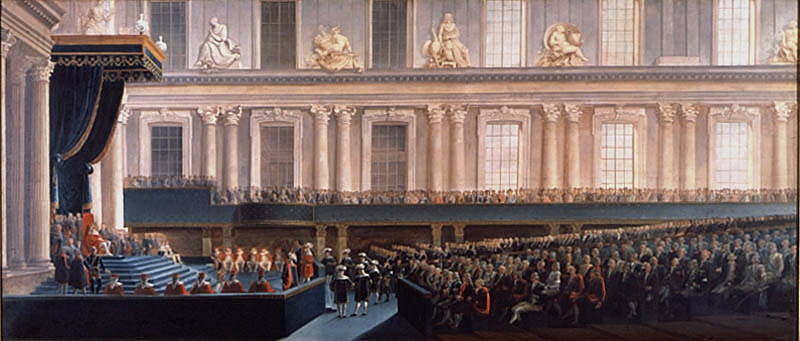 Painting
Primary source
Riksdagen 1789
Louis Jean Desprez · 1789
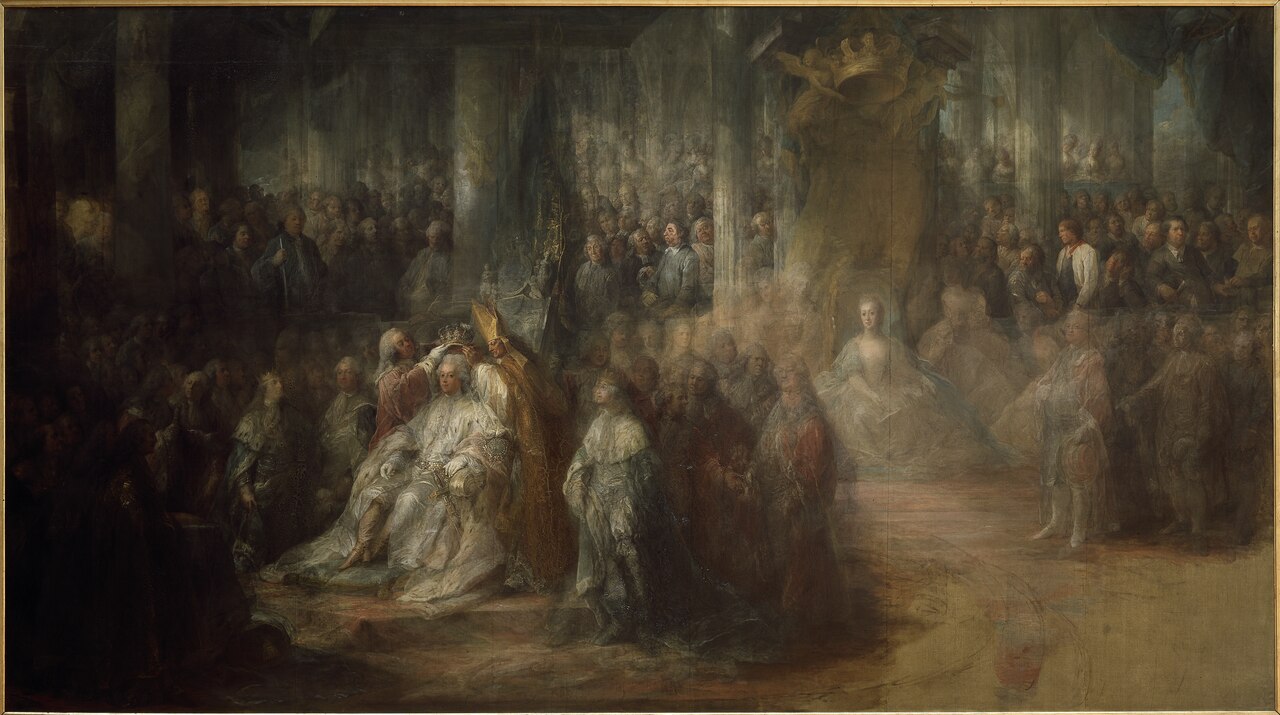 Painting
Primary source
Coronation of Gustav III
Carl Gustaf Pilo · 1792
 Painting
Primary source
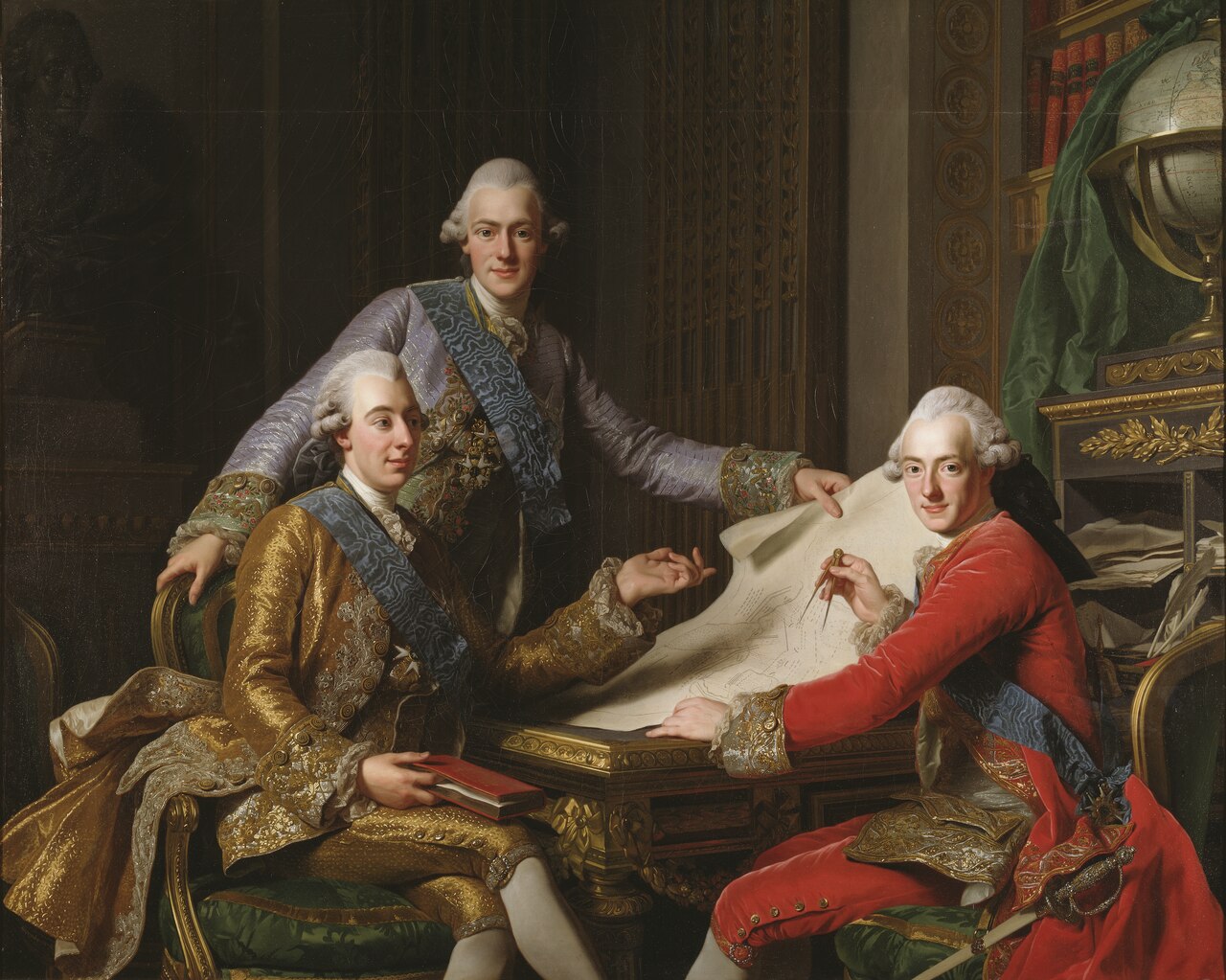
King Gustav III of Sweden and his Brothers
Alexander Roslin · 1771
Free account
Read every Gustav III source
Sign up free →
Ready when you are
Start chatting with Gustav III now.
20 messages free · No credit card · Available in 50+ languages.