


Primary sourceSculpture1844
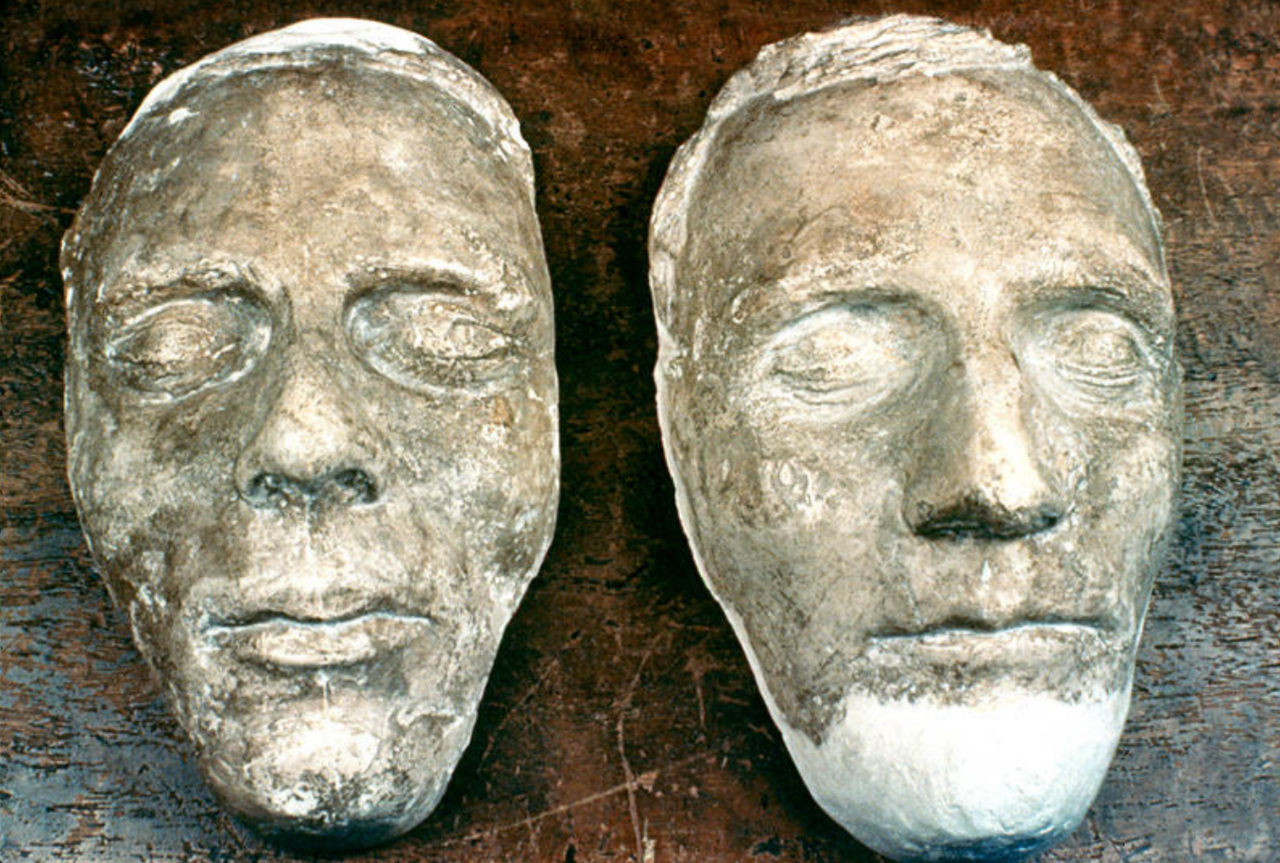
Death Masks of Joseph and Hyrum Smith
George Q. Cannon · 1844
Plaster death masks cast from the faces of Joseph and Hyrum Smith shortly after their deaths in 1844.
These masks were cast directly from Joseph Smith's face after his death and are the most reliable record of his features.
About this source
What it is
These are two plaster death masks, one of Joseph Smith and one of his brother Hyrum Smith, cast in the Nauvoo Mansion House after they were killed. They were made by George Q. Cannon and later donated to the Church of Jesus Christ of Latter-day Saints.
Why it matters
Death masks were a common way in the 19th century to preserve a record of someone's face after death, especially for important figures. These masks are considered one of the most reliable physical records of Joseph Smith's actual appearance, since photography of him did not survive, and they also connect to his brother Hyrum, who died alongside him.
Look closer
- Why might people in the 1840s have wanted a physical cast of a dead person's face instead of a drawing?
- What can and cannot a death mask tell us about a person's life?
- What does the care taken to preserve these objects suggest about how followers viewed Joseph and Hyrum Smith?
This sculpture is part of the curated material that grounds the AI version of Joseph Smith on Humy.ai — when students ask about related events, the AI can quote it and cite it.
More Joseph Smith sources
Meet the AI Joseph Smith →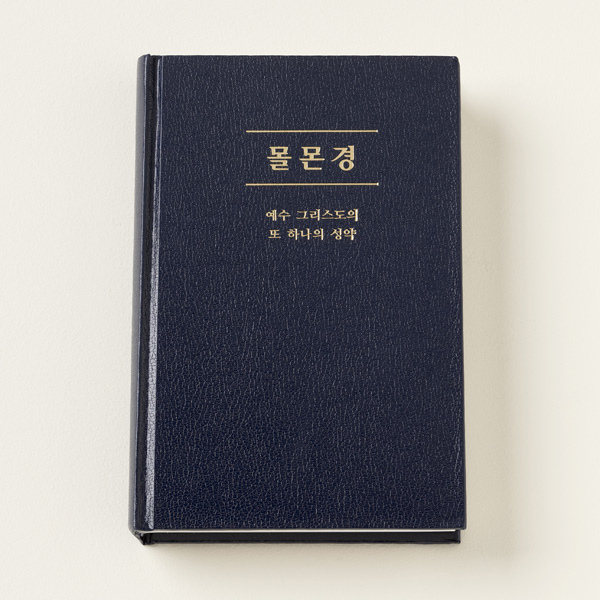 Book
Primary source
Book of Mormon
Joseph Smith · 1830
 Document
Primary source
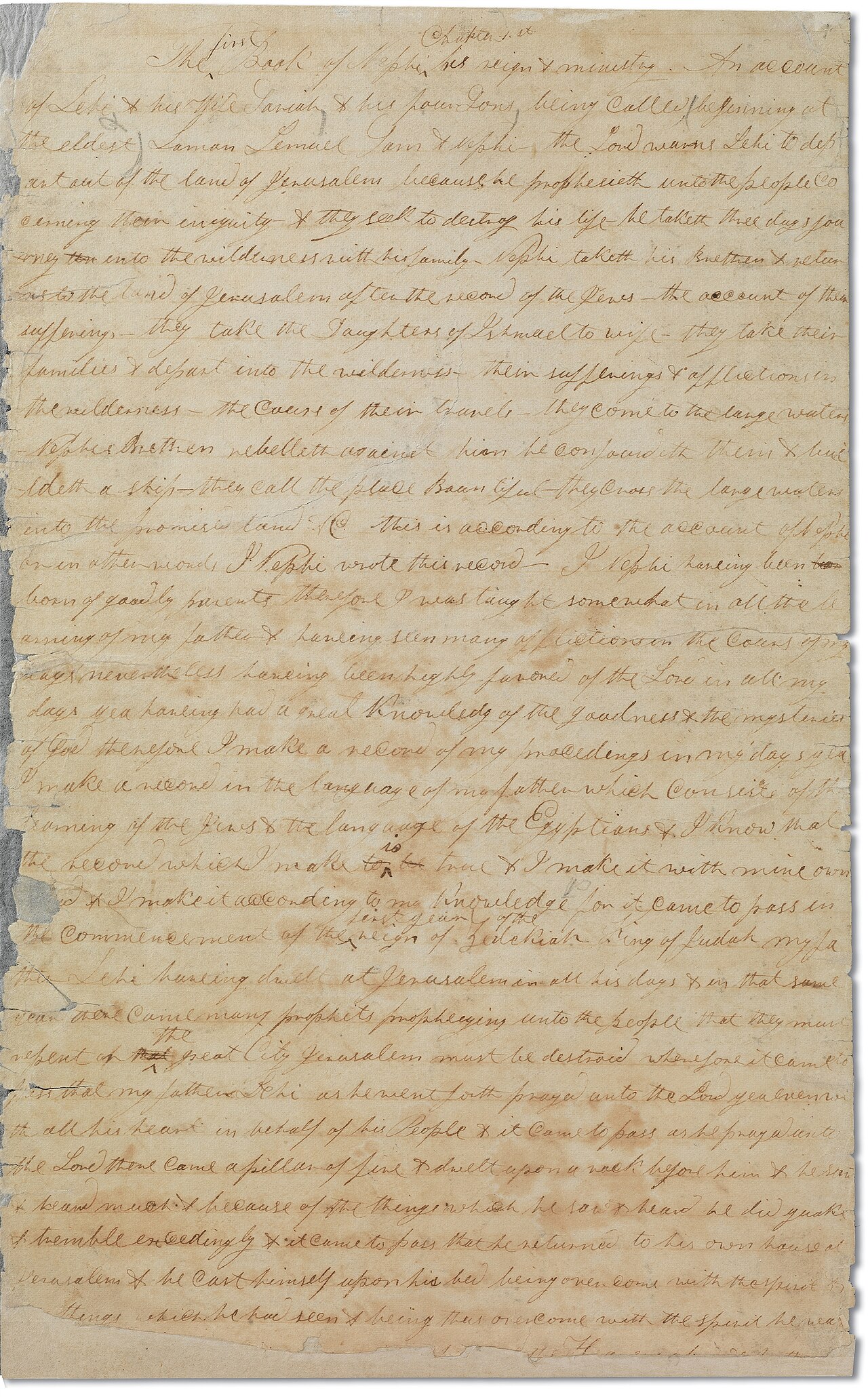
Printer's Manuscript of the Book of Mormon
Joseph Smith (dictated); Oliver Cowdery and other scribes · 1829–1830
 Book
Primary source
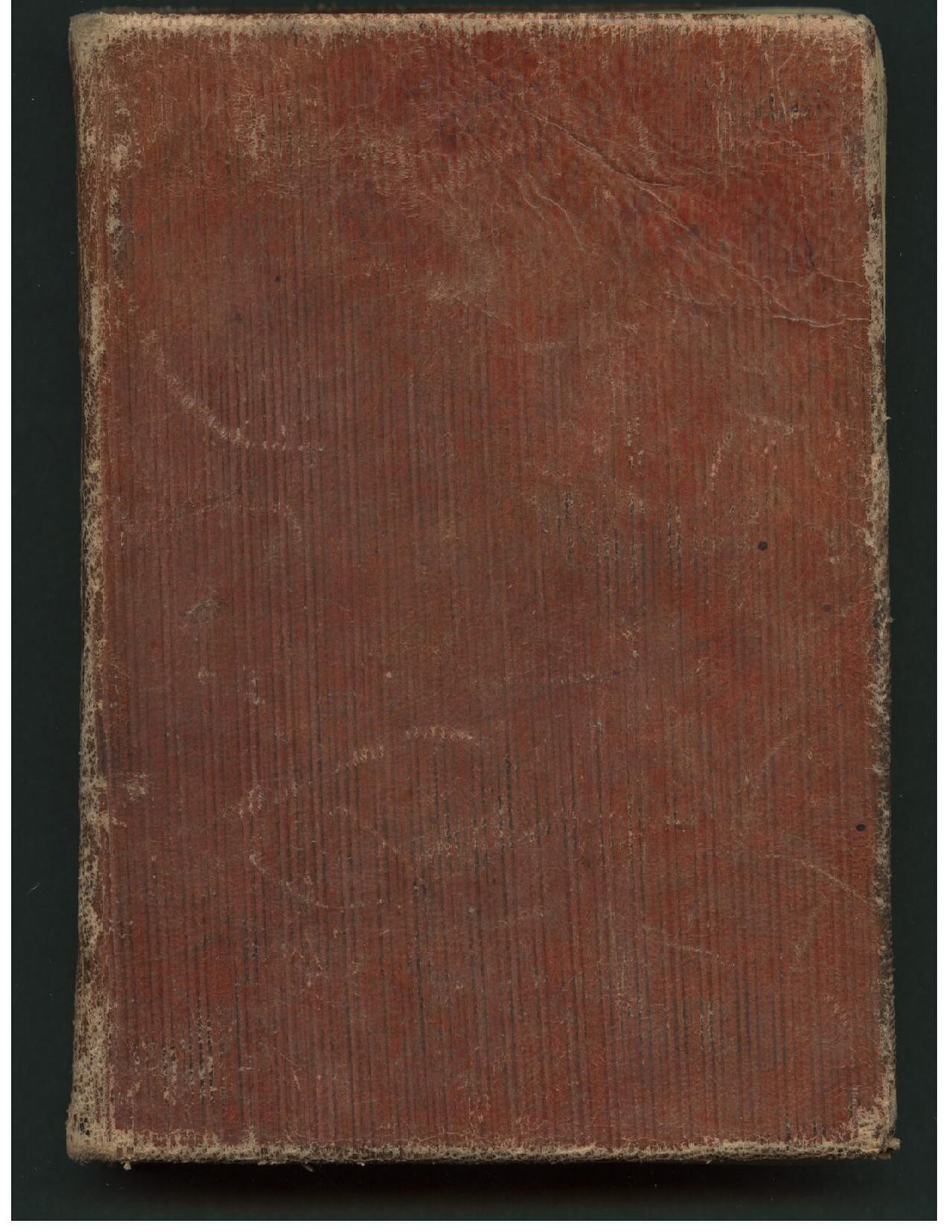
A Book of Commandments for the Government of the Church of Christ
Joseph Smith · 1833
 Document
Primary source
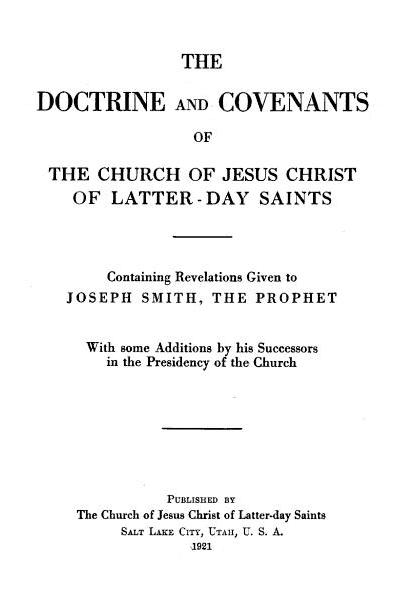
Doctrine and Covenants
Joseph Smith · 1835
Primary source
Wentworth Letter
Joseph Smith · 1842
Ready when you are
Start chatting with Joseph Smith now.
20 messages free · No credit card · Available in 50+ languages.