


Primary sourceBook1949
Death of a Salesman
Arthur Miller · 1949
Arthur Miller's 1949 tragedy of salesman Willy Loman, a landmark critique of the American Dream and postwar success culture.
Miller's Pulitzer-winning play, his defining and most famous work as a playwright.

About this source
What it is
Death of a Salesman is a play written by Arthur Miller, first performed on Broadway in 1949. Subtitled 'Certain Private Conversations in Two Acts and a Requiem', it tells the story of Willy Loman, an aging traveling salesman whose life unravels through a mix of memories, dreams and arguments with his family.
Why it matters
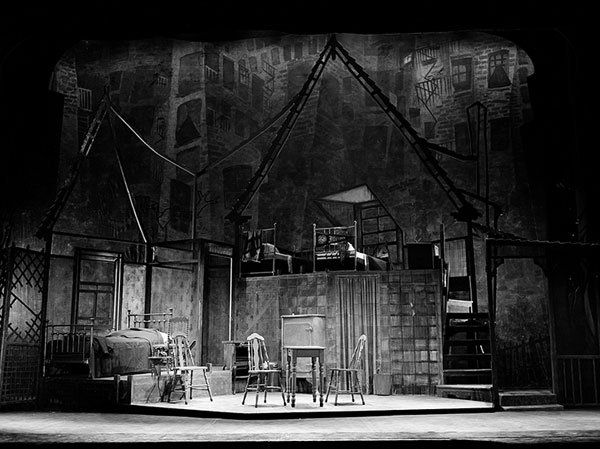
The play won the Pulitzer Prize for Drama and became one of the most performed and published American plays of the twentieth century. It made Miller's name as a playwright and established his lifelong theme: the gap between the promises of the American Dream and the real lives of ordinary people. The image here shows a later stage production, not the 1949 original.
Look closer
- What does the set design tell you about how the play moves between past and present?
- Why might a play about a failing salesman have struck such a chord with postwar American audiences?
- What does the play suggest about success, failure and family?
This book is part of the curated material that grounds the AI version of Arthur Miller on Humy.ai — when students ask about related events, the AI can quote it and cite it.
More Arthur Miller sources
Browse all 88 → Book
Primary source
All My Sons
Arthur Miller · 1947
 Artifact
Primary source
Jo Mielziner Set Design for Death of a Salesman
Jo Mielziner · 1949
 Documentary
Primary source
The Misfits
Alex North · 1961
 Photograph
Primary source
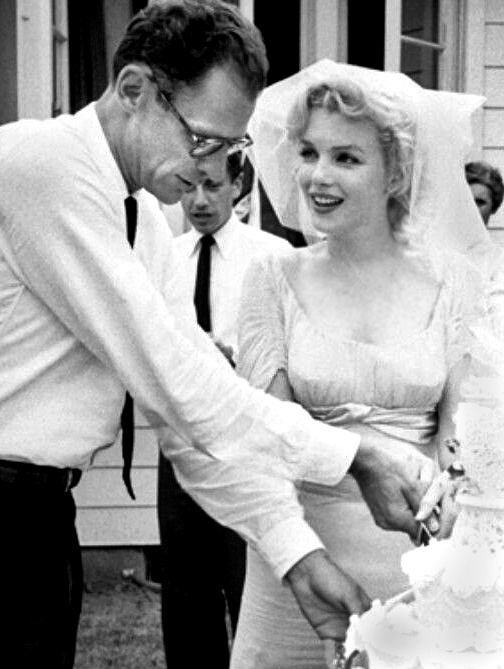
Monroe Miller Wedding Photograph
Macfadden Publications · 1956


Free account
Browse every Arthur Miller source
Sign up free →
Ready when you are
Start chatting with Arthur Miller now.
20 messages free · No credit card · Available in 50+ languages.