


Primary sourceDocument10 March 1919
Debs v. United States
Oliver Wendell Holmes Jr. · 10 March 1919
The 1919 Supreme Court opinion by Justice Holmes upholding Debs's conviction for his anti-war speech, a landmark free-speech case.
This Supreme Court opinion upheld Debs's conviction, sending him to prison for his anti-war speech.
Free Humy account · No credit card · 53,307 sources to read
About this source
What it is
This is the Supreme Court opinion in Debs v. United States, decided March 10, 1919, written by Justice Oliver Wendell Holmes Jr. It ruled on an indictment against Eugene V. Debs under the Espionage Act for his June 1918 Canton speech.
Why it matters
The ruling upheld Debs's conviction, confirming that wartime speech could be restricted if it was seen as inciting insubordination. It is a key case in the history of free speech law in the United States and shows the limits placed on political dissent during World War I.
Look closer
- What reasons does the Court give for restricting Debs's speech?
- Why might a Supreme Court justice and an activist like Debs see free speech differently?
- What does this case suggest about the balance between national security and civil liberties?
This document is part of the curated material that grounds the AI version of Eugene V. Debs on Humy.ai — when students ask about related events, the AI can quote it and cite it.
More Eugene V. Debs sources
Browse all 96 →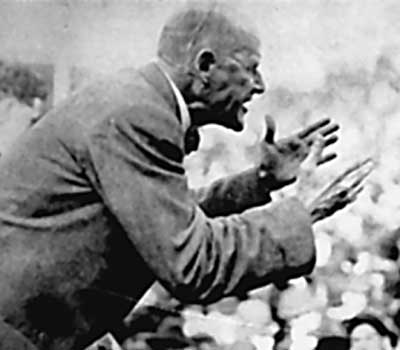 Speech
Primary source
Canton, Ohio Anti-War Speech
Eugene V. Debs · 16 June 1918
Primary source
In re Debs
David J. Brewer · 27 May 1895
 Painting
Primary source
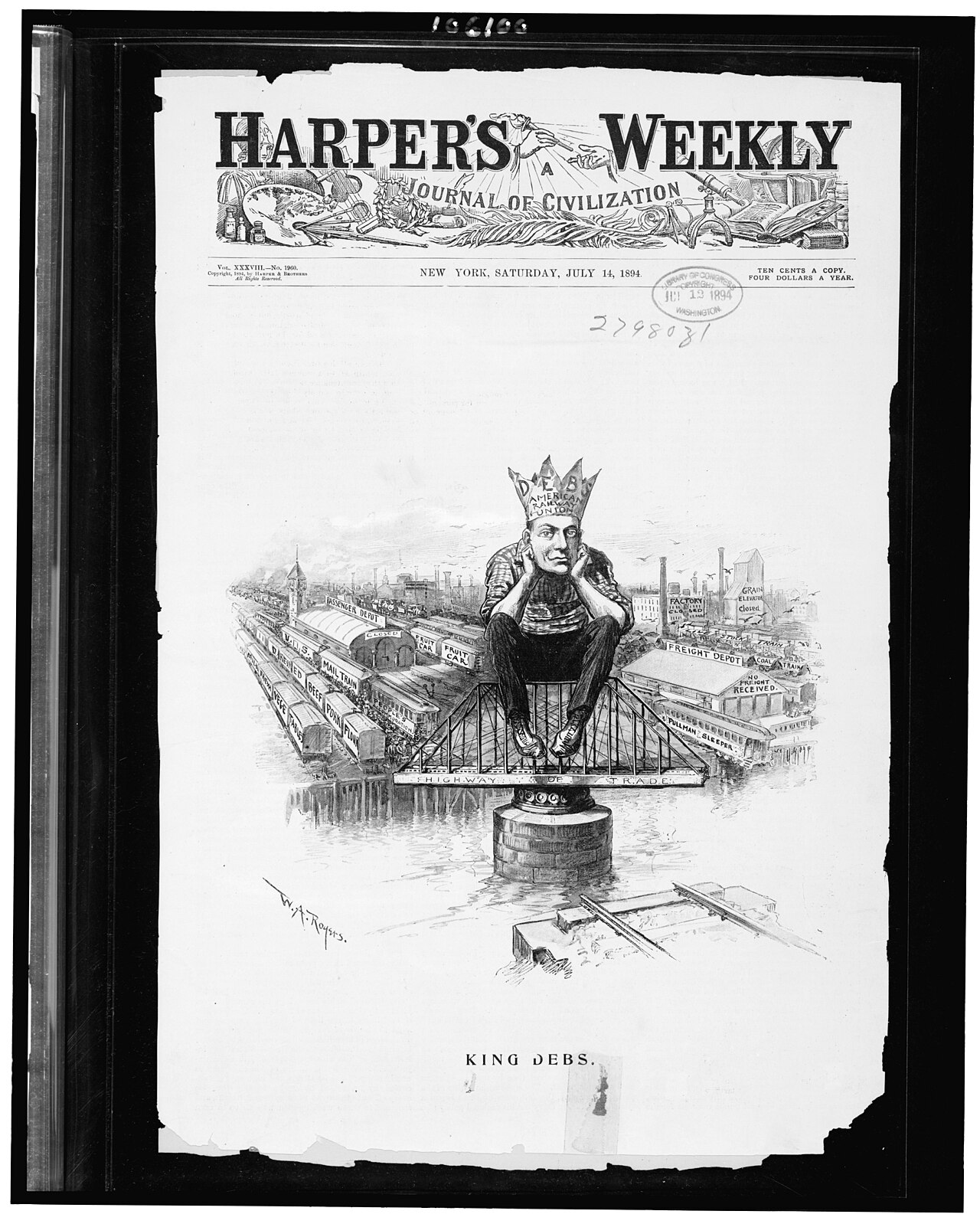
King Debs
William Allen Rogers · 14 July 1894
 Document
Primary source
Report on the Chicago Strike of June–July, 1894
United States Strike Commission · 1895
Free account
Browse every Eugene V. Debs source
Sign up free →
Ready when you are
Start chatting with Eugene V. Debs now.
20 messages free · No credit card · Available in 50+ languages.